
Reviewed · GENOA TOURS
Guided Tour of Rolli Palaces UNESCO Site, Genoa
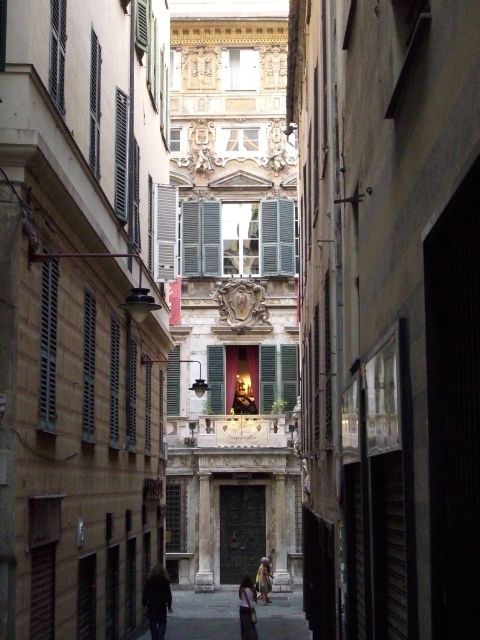
Genoa’s Rolli Palaces are interesting because you do not just look at them from the street. You step inside real noble residences, and you quickly understand how the city ran on social rank, hospitality, and architecture. This is Genoa’s 16th and 17th-century “Golden Century” made tangible, and it is UNESCO-listed since 2006.
I love two things most. First, you get the art and rooms that people usually only see in fragments, including stops in Palazzo Rosso and other decorated spaces. Second, the guide experience is a highlight, with past groups praising bilingual storytelling by guides like Marina, Ana, Manuela, Fausta, Andrea, and Barbara.
One possible drawback: the tour is bilingual, English and Italian, so the pacing can feel slower than a single-language tour. Also, plan for plenty of stairs and walking because these palaces are spread over different levels.
What you’ll remember most
- Four palaces in about 2.5 hours, with actual entrance access rather than a drive-by lecture
- Palazzo Rosso rooms connected to Strada Nuova Museum culture and art
- The Golden Room at Palazzo Tobia Pallavicino, plus the surprise of a hidden fresco at Palazzo Lomellino
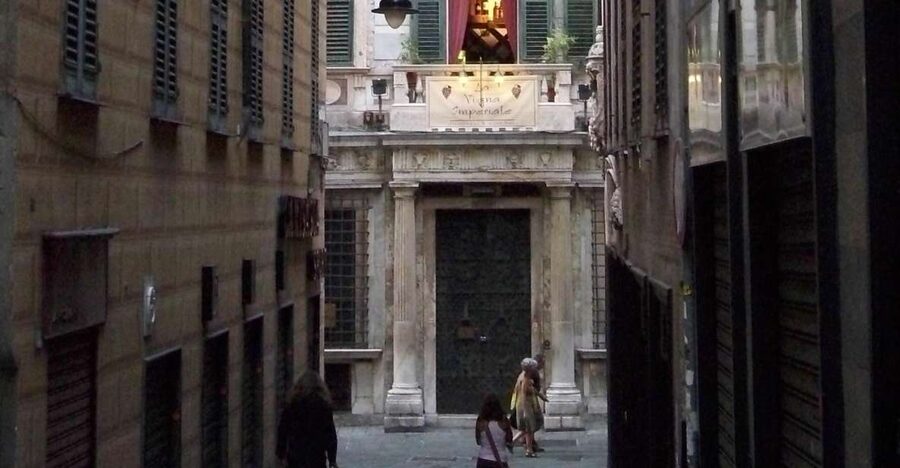
- Palazzo Imperiale’s magnificent stairs, a key piece of the Rolli palace “public hospitality” style
- Bilingual guide clarity, with many guides praised for keeping English and Italian understandable without losing the group
Rolli Palaces: Genoa’s Golden Century guest list, built in stone
To understand the Rolli Palaces, I like starting with the idea that Genoa was running an early form of public hospitality for high-level state visits. In 1576, the Senate of the Republic of Genoa set up a system of aristocratic homes ready to host dignitaries. Those palaces were not chosen at random, and they were not meant to sit as private symbols only.
The Rolli got their name from parchment rolls where the palaces were recorded. Then came a practical, almost bureaucratic process: the palaces were grouped into three bussoli (balloting lists) depending on richness and size. The first bussolo covered cardinals, princes, and viceroys. The second was for large-scale landowners. The third covered princes of lesser standing and ambassadors. This is, in the simplest terms, an early system for assigning which home becomes the official stage for diplomacy.
That history matters because it changes how you read the architecture. These homes are designed to receive people. You see it in the layout with open staircases, courtyards, and loggias looking toward gardens. Even the fact that the palaces sit at different elevations becomes part of the experience. You are not strolling through one tidy mansion. You are moving through a social map.
A fun cultural bonus I would not skip: Genoa’s palaces caught the attention of the Flemish painter Rubens. In the early 17th century, he published a book with drawings of these residences, and the book circulated as a residential model for Antwerp nobility. So you are looking at a place that influenced art and taste beyond Italy.
More from a Genoa stay:
- Genoa: Aquarium of Genoa Entry Ticket
★ 4.5 · 10,075 reviews - Genoa: Hop-on Hop-off Tour Ticket
★ 4.0 · 1,524 reviews - Genoa: Half-Day Tour to Portofino
★ 4.2 · 1,123 reviews
Where the tour starts on Via Garibaldi, and how the walk feels
The meeting point is easy to find if you are already exploring the historic center: Tourist Information Centre, Via Garibaldi 12 red, 16124 Genova. From there, the tour follows a compact route tied to the Rolli sites.
The big practical point is time: 2.5 hours. That is long enough to slow down, see real rooms, and absorb context, but short enough that you stay in “active sightseeing” mode. This matters because the palaces involve indoor viewing plus stair climbs and level changes. If you only have a half-day, this is a strong fit.
It is also a small-group experience. Smaller groups usually mean fewer bottlenecks at doorways and fewer awkward pauses when everyone is trying to read wall labels while the guide is talking. Many guides are praised for managing questions patiently, so you should feel comfortable asking things that pop up as you see the rooms.
One caution from real experiences: bilingual format can stretch the schedule. In some cases, switching between languages can mean you wait if the other language portion is not synchronized. If you are very time-focused, mentally budget a little extra.
Palazzo Rosso and Strada Nuova Museum: rooms that show off Genoa’s taste
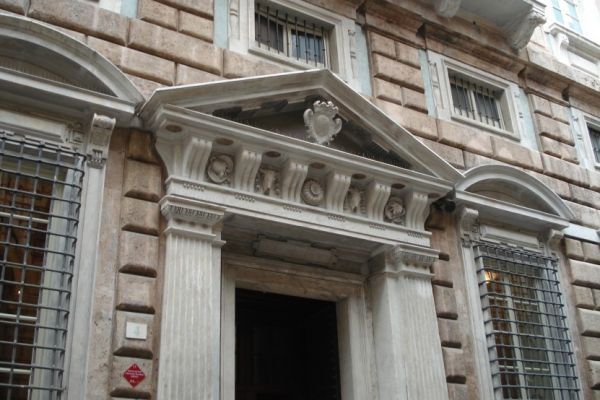
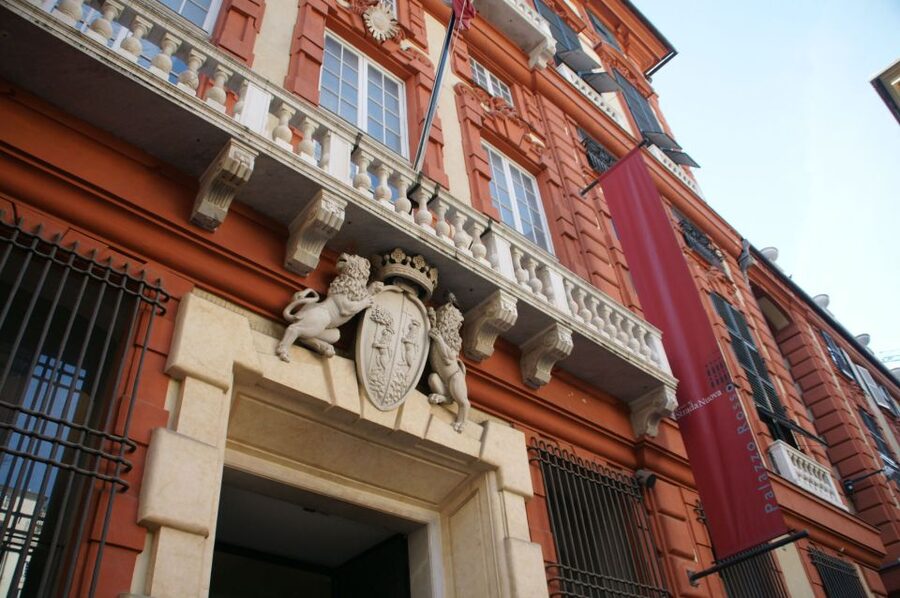
One of the best parts of this tour is Palazzo Rosso, tied to the Strada Nuova Museum setting. You are not just peeking into a hallway. You visit beautiful rooms and take in how decoration and space were meant to impress visitors.
Why I like this stop for first-time visitors is that it works as a “decoder ring.” Before you hear the deeper story of the Rolli system, you can look at the interior design and start to understand what made these homes worth listing and hosting. The palaces are not neutral buildings. They are statements, built for reception.
From a practical angle, this is also where you benefit from the guide’s structure. A good bilingual guide can translate architecture into plain meaning, explaining what you are seeing and why it mattered socially. Several guides have been singled out for being both friendly and comprehensive in their explanation, and that is exactly what helps in palaces like this where details can easily blur together if you are on your own.
A small note to set expectations: you may not see every corner of each building. Even within a guided entrance, you are typically shown selected floors and rooms. If you are the kind of visitor who wants to see an entire palace end-to-end, plan to accept a curated route rather than a full building walkthrough.
Palazzo Tobia Pallavicino’s Golden Room: where drama is part of the invitation
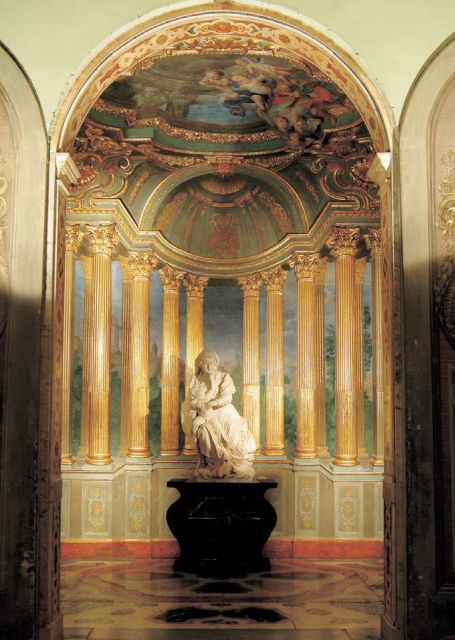
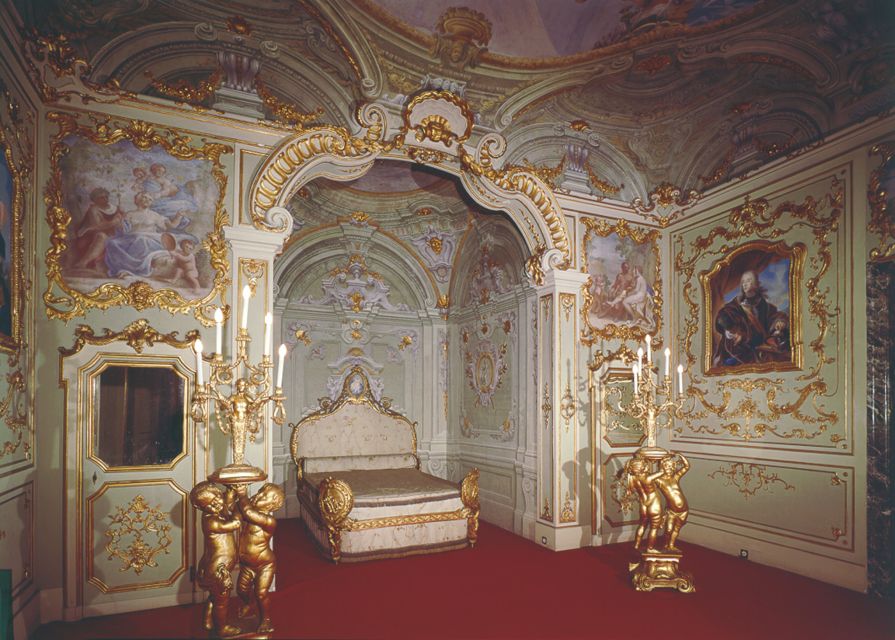
At Palazzo Tobia Pallavicino, the highlight is the Golden Room. This is the kind of space where the decoration is doing more than decoration. It signals wealth, refinement, and the ability to host people worth impressing.
For me, this stop is worth it because it connects to the Rolli system logic. Remember those bussoli categories? The Golden Room exists because someone had to be able to host someone important, and the house needed the “wow factor” that a state visitor would remember.
Also, rooms like this help you understand how Genoese aristocratic culture leaned into spectacle. You can walk into the space and feel why Rubens and other artists took interest in the palaces as models. The visual language is not subtle. It is designed to land.
If you like art and interior design, you will probably enjoy how the guide ties together decoration, symbolism, and social function. One of the most praised themes across guides is that they keep the information clear without turning it into a dry lecture.
More Genoa bookings worth a look
- Genoa: Cetacean Watching Cruise with Marine Biologist Guide
★ 4.3 · 745 reviews - Genoa: 2-Hour Guided Walking Tour of the Historical Center
★ 4.2 · 605 reviews - Colosseum, Roman Forum & Palatine Guided Tour
★ 4.7 · 63,148 reviews - Vatican Museums, Sistine Chapel & St Peter’s Basilica Guided Tour
★ 4.5 · 39,149 reviews
Palazzo Lomellino and its hidden fresco: the joy of the small surprise
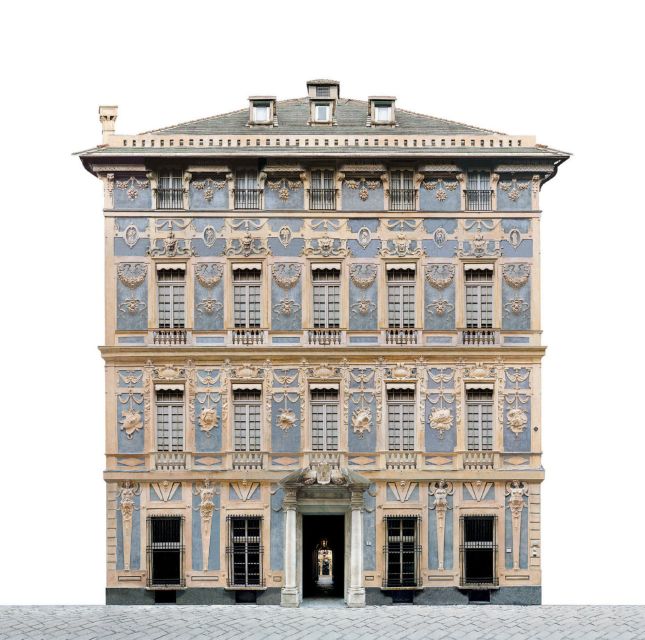
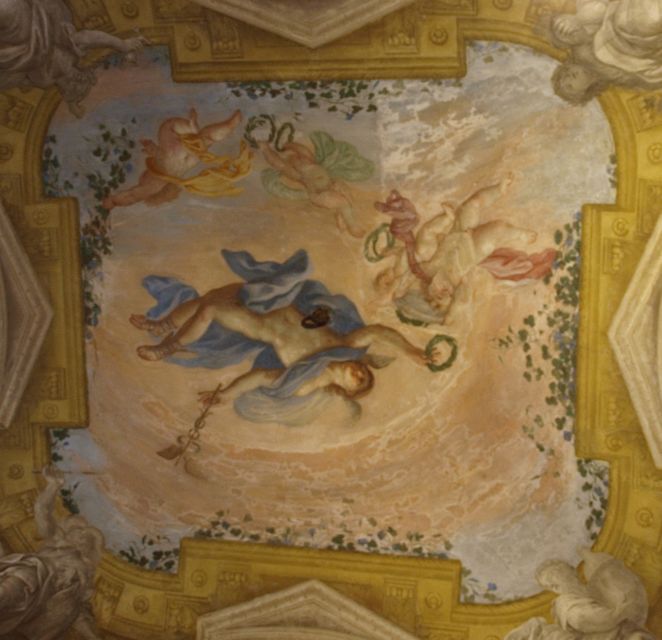
Next comes Palazzo Lomellino, and this is where the tour gets clever. The key moment is discovering a hidden fresco. That kind of detail is exactly why I prefer a guided experience here. On your own, you might miss the specific element that makes the stop special.
Why hidden details matter: in historic houses, not everything is meant to be seen instantly. Some artworks are meant to be noticed because a guide points you to them, or because you are standing in the right location at the right time. When you find a fresco like this during a focused visit, it feels like a reward.
It also reinforces the Rolli idea that these palaces were functional stages. A state host would want every meaningful element ready for the moment guests arrived, including the “not obvious at first glance” treasures.
Palazzo Imperiale: grand stairs and the pleasure of moving through levels
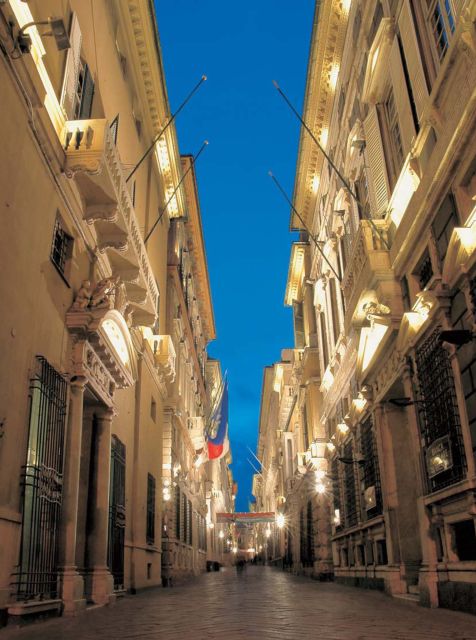
Palazzo Imperiale is where the tour leans into movement. You get access and the highlight is walking up the magnificent stairs. Stairs sound ordinary until you see how they work in these buildings. In the Rolli system, staircases, courtyards, and loggias were part of the reception experience. Movement was theater.
The practical reality is that you should be ready for steps. Several past participants explicitly warned about the number of stairs. If that is a concern, this is the one part where you might want to plan carefully, wear shoes you can grip, and pace yourself. The good news is that the tour is organized to keep you moving between key points rather than wandering aimlessly.
If you enjoy views, you might also be pleased by the way the tour sometimes ends with a perspective from the Palazzo Rosso area, including a mention of a 360-style view. I would treat that as something you may get depending on what is possible on the day, but the idea of ending with a look across Genoa fits the theme: architecture, geography, and social status all in one sweep.
How four entrances plus context creates value at $16
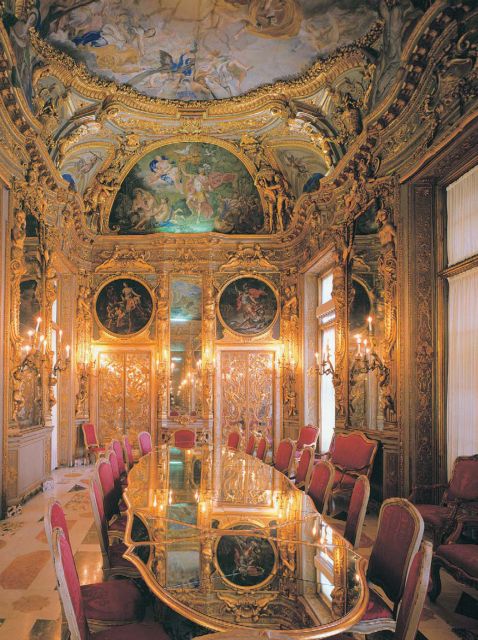
Let’s talk money, because this is where the tour earns a real nod. At $16 per person for 2.5 hours, you are paying for multiple guided palace entrances. The tour includes entrance to Palazzo Imperiale and Palazzo Rosso, plus visits to Palazzo Lomellino and Palazzo Tobia Pallavicino.
Value is not just the ticket cost. It is what you get for it. You get:
- access to interior spaces rather than only exterior photos
- a narrative that explains why these palaces exist as a network
- a guide who connects art, decoration, and the Rolli hospitality system
When guides are described as friendly, knowledgeable in a clear way, and able to juggle English and Italian, that matters because palaces can be confusing without context. You end up understanding what you saw, not just memorizing names.
One more value detail I appreciate: the tour can be small-group. That often improves the experience quality, especially when you are entering rooms with limited capacity. And since you spend your time on meaningful stops rather than transit to far corners, the hours feel focused.
Bilingual guides in practice: what to expect with English and Italian
This tour runs with a bilingual guide: English and Italian. In many experiences, guides are praised for switching without losing clarity, keeping explanations informative, and staying patient with questions even when the group gets playful.
Still, there is a trade-off. A bilingual format can take longer because concepts need to land in both languages. In some cases, it can also cause slight group timing issues if language sections are not perfectly synchronized. If you prefer single-language delivery, you might find the rhythm a little slower than you expected.
My suggestion: go in with the right mindset. Treat it like two parallel ways of experiencing the same story, not like a translation that constantly interrupts. If you are comfortable with either English or Italian, you can let the other language support the ideas you care about.
Who should book this Rolli Palaces tour, and who should hesitate
I think this tour is a smart choice if you:
- want to see real palaces interiors in a short time
- enjoy history that explains how people actually lived and hosted
- want art moments like the Golden Room and the hidden fresco, guided to the right places
- like learning how architecture connects to social systems
You might want to hesitate if:
- you are very sensitive to lots of steps
- you want a fast, single-language tour with minimal waiting between language segments
- you are expecting to see every floor of each palace, because access tends to be focused on selected areas
Should you book it? My practical take
Yes, I would book it if you are in Genoa for a limited window and you care about more than just photos. The combination of multiple palace entrances, the Rolli hospitality history, and signature moments like the Golden Room and the hidden fresco makes it feel like a complete story, not a checklist.
At $16 for about 2.5 hours, it also prices like a smart local-style cultural experience. You are paying for guided access to important sites, and the best part is that the guide role seems to matter a lot here. If you can handle bilingual pacing and stairs, you will likely leave with a clear understanding of why these palaces were built, listed, and used.
FAQ
How long is the Rolli Palaces guided tour in Genoa?
The tour lasts 2.5 hours.
What is the price per person?
The price is $16 per person.
Where do I meet for the tour?
You meet at the Tourist Information Centre, Via Garibaldi 12 red, 16124 Genova GE, Italy.
Which languages are included?
The guided tour is in English and Italian with a bilingual guide.
Which palaces does the tour include?
The tour includes visits with entrance to Palazzo Imperiale, Palazzo Rosso (one of Strada Nuova Museum), Palazzo Lomellino, and Palazzo Tobia Pallavicino.
What are the main highlights during the visit?
Expect highlights like the Golden Room in Palazzo Tobia Pallavicino, discovering a hidden fresco in Palazzo Lomellino, and walking on the magnificent stairs of Palazzo Imperiale.
Can I cancel for a full refund?
Yes. Free cancellation is available up to 24 hours in advance for a full refund, and you can also choose reserve now and pay later.
Reviewed lately around Genoa
- Taste Genoa: A Full Meal Walking Food Tour by Do Eat Better★ 5.0 · 509 reviews
- From Genoa: Boat Tour to Portofino with Free Time to Explore★ 4.5 · 579 reviews
- Genoa: 2-Hour Guided Walking Tour of the Historical Center★ 4.2 · 605 reviews
- Genoa: Cetacean Watching Cruise with Marine Biologist Guide★ 4.3 · 745 reviews
- Genoa: Pelagos Sanctuary Whale Watching Cruise★ 4.2 · 806 reviews
- Genoa: Aquarium of Genoa Entry Ticket★ 4.5 · 10,075 reviews
- Genoa: Half-Day Tour to Portofino★ 4.2 · 1,123 reviews
- Genoa: Hop-on Hop-off Tour Ticket★ 4.0 · 1,524 reviews
Genoa Tours, compared.



Cetacean Watching Cruise with Marine Biologist Guide
Read our review →
2-Hour Guided Walking Tour of the Historical Center
Read our review →
Boat Tour to Portofino with Free Time to Explore
Read our review →
Taste Genoa: A Full Meal Walking Food Tour by Do Eat Better
Read our review →Browse the lists this tour appears in