
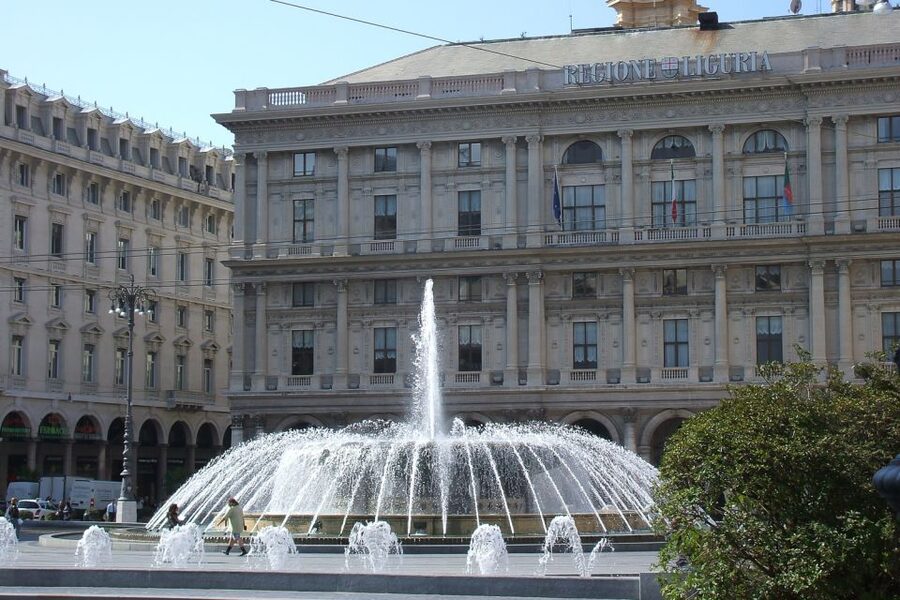
Reviewed · HISTORICAL TOURS
Genoa: 2-Hour Guided Walking Tour of the Historical Center
Genoa has a way of turning you into a detective. In just two hours, this walking tour pulls you through the caruggi and key landmarks that explain how the city became so wealthy, so artistic, and so different from neighboring ports.
I like that you’re guided through the Palazzi dei Rolli story, not just handed a list of sights. I also like the built-in follow-up with museum access to the Strada Nuova and Sant’Agostino collections, so your walk turns into something you can see, not only hear about.
One thing to consider is the format: the guide works in two languages (English and Italian). That can mean you wait a bit while the guide switches, and you’ll want to stand where you can hear clearly in the tight streets.
Key highlights at a glance
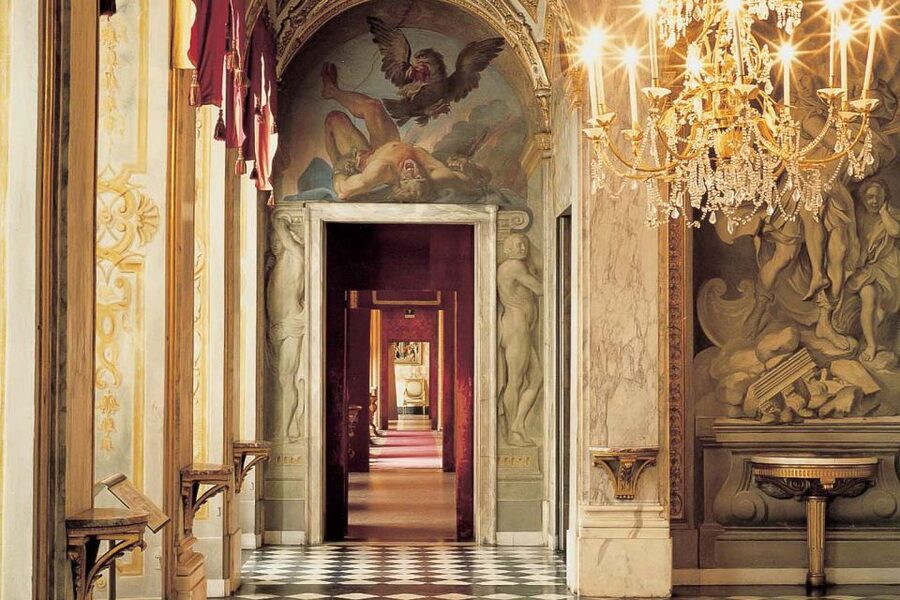
- UNESCO Palazzi dei Rolli: learn what made these aristocratic residences so important in Genoa
- Caruggi navigation: a guided route through narrow alleys that are hard to manage on your own
- Strada Nuova museums: access to a major art center with Italian and foreign works from the 15th to 19th centuries
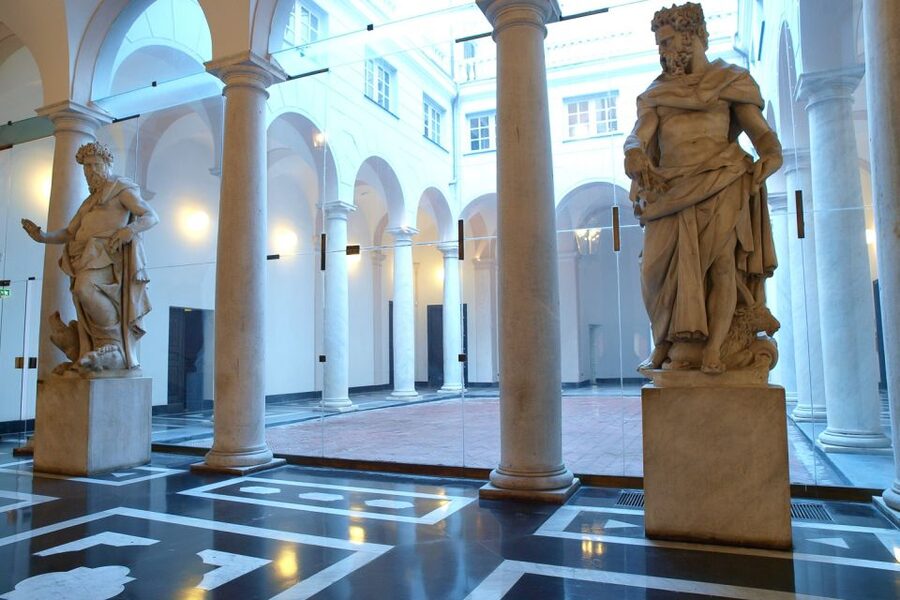
- Sant’Agostino Museum: medieval art inside the triangular cloister and the largest preserved Gothic church
- Power landmarks: stops around San Matteo Square (Doria family) and San Lorenzo Cathedral
- Bilingual guide experience: English and Italian explanations, with praised attention to clarity and group inclusion
Meeting at via Garibaldi 12red, then stepping into Genoa’s maze
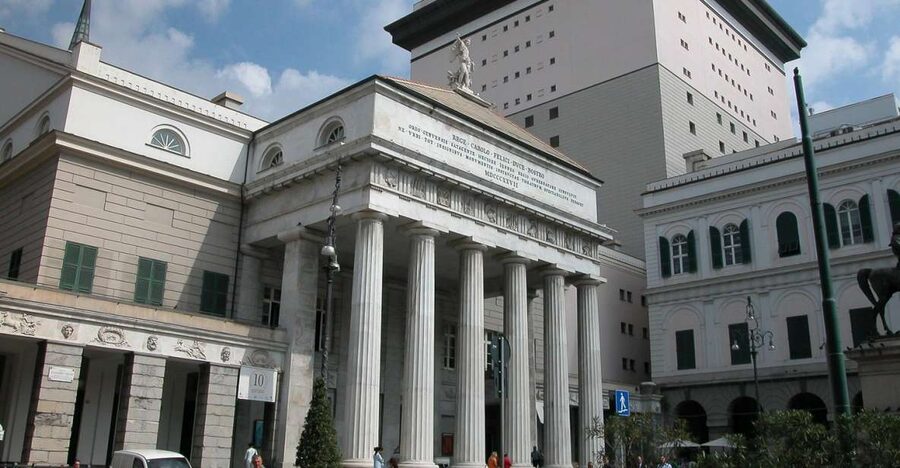
The tour starts at the Tourist Information Center on via Garibaldi 12red. From there, you’ll walk right into Genoa’s Old Town fabric, where the streets tighten, angles change, and the city feels like it’s stacked in layers.
This is one of the best parts for first-time visitors. Genoa’s center can look chaotic until someone shows you the rhythm, the viewpoints, and the reason those palaces and churches ended up where they did. The guide helps you get your bearings fast, so later self-guided wandering makes more sense.
More Historical Tours in Genoa:
- Venice: St. Mark Basilica Ticket, Audioguide+History Gallery
★ 3.9 · 4,780 reviews - Venice’s Best: Basilica, Doge’s Palace, Gondola & History Gallery
★ 4.5 · 2,478 reviews - Historic Milan Tour with Skip-the-Line Last Supper Ticket
★ 4.5 · 1,976 reviews
Caruggi streets and the UNESCO Rolli palaces you will actually understand
The core of the walk is the historical center’s narrow alley network, the caruggi. This is where the city’s “labyrinth” reputation becomes real, and where guidance pays off. You are not just passing by buildings, you’re learning what you’re looking at.
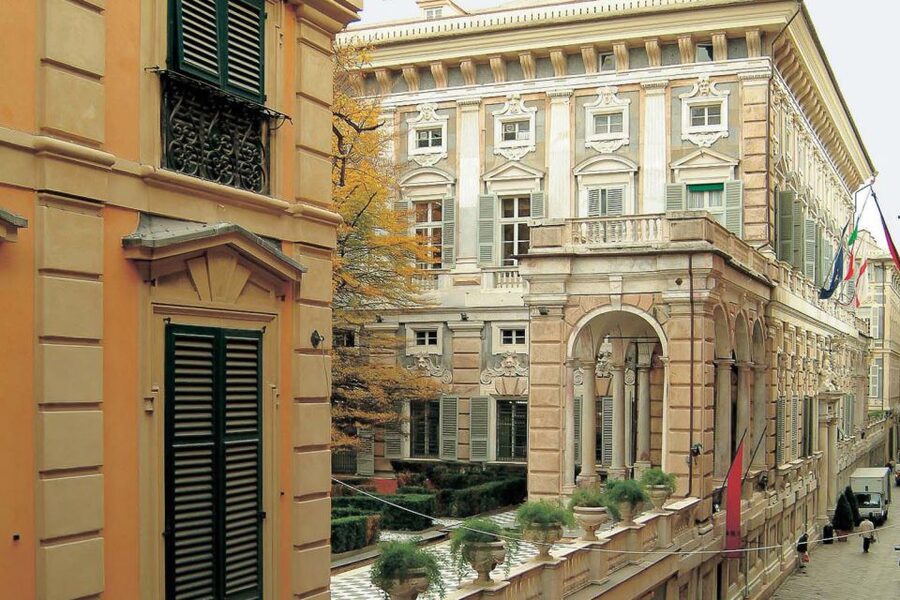
The tour’s big anchor is the Palazzi dei Rolli, UNESCO-listed aristocratic residences dating to the 16th and 17th centuries. What I like about seeing them on foot is how quickly you grasp scale and context: doors and façades that might look similar at first start to separate into recognizable stories about wealth, status, and civic life.
You’ll follow the route the guide uses to connect the architectural details to Genoa’s wider status as a trading and power center. That connection is what turns palaces from pretty walls into meaningful places.
A practical note: the caruggi are narrow and uneven in places, so wear comfortable shoes. Even if the pace is described as adequate for physical limitations in some groups, you still need steady footing.
San Matteo Square and the Doria family power signal
Next you focus on San Matteo Square, described as the place that showcases the power of Genoa’s most important Doria family. This stop matters because it shifts the tour from “buildings as art” to “buildings as control.”
When you learn how Genoa’s leading families shaped the city, details start clicking into place: why certain residences were prestigious, why churches mattered, and how public spaces reinforced influence. San Matteo Square is one of those stops that gives your walk a clear political and social frame.
You also get a feel for how Genoa’s big names were connected to the port economy and long-term governance. It’s not only about one family, it’s about how wealth flowed into architecture and public presence.
Via Garibaldi, the Strada Nuova stretch, and why it became a museum street
The tour includes walking through Strada Nuova, the UNESCO-recognized stretch along Via Garibaldi. This is where the city shows off its “statement street” identity, a parade route of palace façades that communicates wealth at street level.
The guide’s job here is especially valuable. Without context, you might simply admire the symmetry and move on. With context, you start noticing the differences the city’s elites used to display status, taste, and international ambition.
The Strada Nuova area also sets you up for what comes after the walking portion. Your museum access ties directly to what you’ve been seeing outside, so you can confirm details you heard about, rather than guessing later.
More Walking Tours in Genoa:
- Taste Genoa: A Full Meal Walking Food Tour by Do Eat Better
★ 5.0 · 509 reviews - Milan: Guided Walking Tour & Last Supper Visit with Ticket
★ 4.7 · 5,409 reviews - Naples: Street Food Walking Tour with Local Guide
★ 4.8 · 4,256 reviews - Venice Walking Tour and Gondola Ride
★ 3.5 · 3,630 reviews
San Lorenzo Cathedral: Gothic art and Genoa’s religious crossroads
No Genoa Old Town walk feels complete without San Lorenzo Cathedral. Here the tour focuses on the church as a gothic landmark housing religious objects of significance, and it positions the cathedral as part of the city’s larger crossroads role.
I like that this stop isn’t treated like a quick photo moment. You get enough guidance to connect the building to Genoa’s identity and long-term connections, which helps you understand why this church mattered even when the city’s economy and politics evolved.
If you enjoy architecture plus stories about how cities formed their identity around institutions, this is a high payoff stop. It’s one of those places where the “why” makes the “what” more memorable.
What you’ll do at Strada Nuova Museums and Sant’Agostino Museum
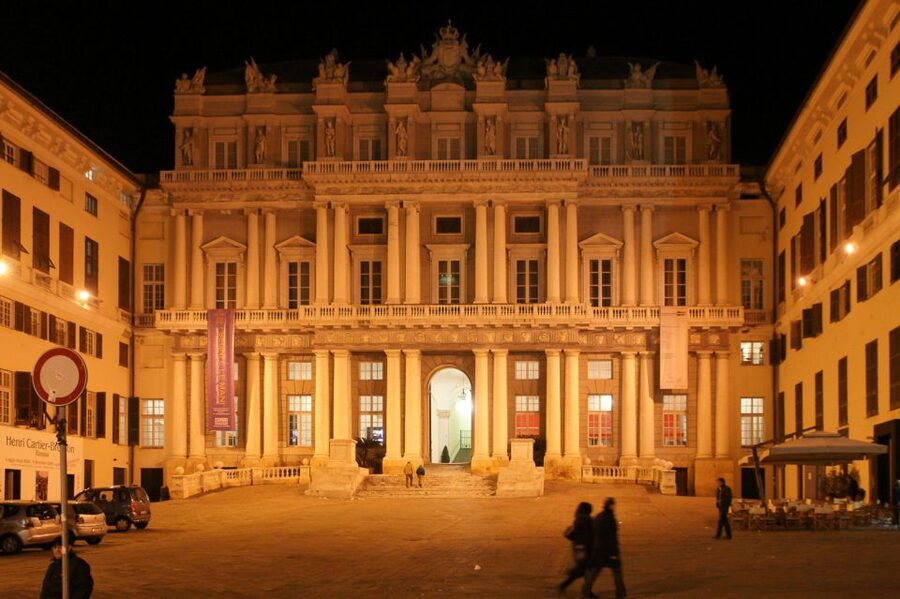
At the end of the guided walk, you’re entitled to free admission for an independent visit to the museums of Strada Nuova and the Sant’Agostino Museum. The guide introduces the museum experience, then you proceed on your own.
This format is a smart value choice. Two hours on foot gives you orientation. Then the museums give you time to slow down, look closely, and choose what to linger on.
Strada Nuova Museums: major art center access
The Strada Nuova Museums are described as Genoa’s main museum centre, with a collection of masterpieces by Italian and foreign artists between the 15th and 19th centuries. The tour materials also highlight strong representation of Genoese and Flemish schools.
That mix is exactly why this museum stop works after a walking tour. You spend the walk understanding how Genoa wanted to present itself. Then the museum helps you see what that presentation looked like in paint and sculpture traditions.
Sant’Agostino Museum: triangular cloister and a preserved Gothic church
Sant’Agostino Museum focuses on medieval Genoa, shown in art displayed across the triangular cloister and the largest preserved Gothic church. It’s a different mood from the palace street visuals, but it complements them.
If you want Genoa’s story in “chapters,” this is the chapter where the medieval world takes the lead. The museum setting also encourages you to look upward and around, not only at placards.
One practical point: the Strada Nuova Museums and Sant’Agostino Museum visits should be done on the same day. Build your afternoon accordingly so you do not feel rushed.
Bilingual guiding in real life, and how to get the most from it
The tour runs in two languages with a bilingual guide, English and Italian. That matters because it changes how fast you absorb the walking narrative and how much time you spend waiting during transitions.
The good news is that the guide switching is frequently praised, including feedback that guides work to accommodate both groups and keep explanations clear for everyone. Some named guides you might see mentioned include Irene, Roberta, Daniel, Roberta, Barbara, Marina, Paola, Paula, Anna, and Vittoria Albi.
If you are primarily using English, stand close enough to hear confidently. In narrow streets, audio and sightlines can vary fast. Also, if you can follow a bit of Italian, the bilingual rhythm can feel like extra context rather than a slowdown.
How long you walk, and the comfort factor in the caruggi
The tour duration is 2 hours. That length is a sweet spot if you want an Old Town overview without burning half your day on pavement.
Walking tours vary by group size, and the data you provided includes examples of both small groups (like six) and larger ones (around fifteen). That range means the guide’s ability to include everyone matters, especially in tight spaces.
Some participants note the pace feels adequate for physical limitations. So it’s not an all-out march, but you still should expect real walking through narrow historic streets. Plan your day with breaks after, and treat the museum time as part of the activity, not an add-on.
Price and value: $16 for two hours plus museum access
At $16 per person for a two-hour guided walking tour, the best value element is that museum access is included. You are not paying just for narration; you also get entry for the Strada Nuova and Sant’Agostino museums on the same day.
That matters because Genoa museum tickets can add up quickly if you start stacking entrances on your own. Here, the guide sets up the museum context, then you use the included access to see the art and architecture details at your own pace.
The result is a cost-effective way to cover two kinds of sightseeing in one plan:
- quick orientation through the Old Town
- deeper time in museum spaces afterward
In practical terms, it’s an efficient way to spend a limited amount of time in Genoa while still leaving room to explore after.
Who this tour suits best
This tour fits you well if you want a guided start to Genoa’s historic center. It’s especially helpful if you feel nervous about getting lost in caruggi, or if you want the big landmarks explained instead of guessed.
It’s also a strong match if you care about art and architecture across time periods. You get the palaces and the cathedral during the walk, then museum access that focuses on the art collections tied to Strada Nuova and medieval Genoa.
If you want a slow, deep exploration of one single museum for hours on end, you might prefer a longer museum-focused day. This tour is built for orientation plus quality access, not for consuming everything in one go.
Should you book this Genoa walking tour?
I think you should book it if you want the fastest path to understanding Genoa’s Old Town. The combination of caruggi navigation, Rolli palaces, landmark stops around San Matteo Square and San Lorenzo Cathedral, and included museum access makes this a high-utility plan for a short visit.
Skip it only if bilingual switching would annoy you so much that you’d rather do a self-guided walk and buy museum tickets separately. If you can handle that trade-off, this is a smart value way to turn a couple of hours into a full afternoon of seeing.
FAQ
How long is the Genoa 2-hour guided walking tour?
The tour lasts 2 hours.
How much does the tour cost?
The price is $16 per person.
Where do I meet the guide?
Meet at the Tourist Information Center on via Garibaldi 12red.
Are the tour guides available in English?
Yes, the tour is offered with live guides in English and Italian.
What museum access is included?
Access to the Strada Nuova Museums and access to the Sant’Agostino Museum are included.
Do I visit the museums during the tour?
The guide introduces the museums at the end, then you proceed alone for your independent visit.
Should I visit both museums the same day?
Yes, the visit to Strada Nuova Museums and Sant’Agostino Museum should be done on the same day as the tour.
Is the tour guided during the walking portion?
Yes, a live tour guide is included.
Can I reserve and pay later?
Yes, you can reserve now and pay later.
What is the cancellation policy?
Free cancellation is available up to 24 hours in advance for a full refund.
Reviewed lately around Genoa
- Taste Genoa: A Full Meal Walking Food Tour by Do Eat Better★ 5.0 · 509 reviews
- Guided Tour of Rolli Palaces UNESCO Site, Genoa★ 4.4 · 539 reviews
- From Genoa: Boat Tour to Portofino with Free Time to Explore★ 4.5 · 579 reviews
- Genoa: Cetacean Watching Cruise with Marine Biologist Guide★ 4.3 · 745 reviews
- Genoa: Pelagos Sanctuary Whale Watching Cruise★ 4.2 · 806 reviews
- Genoa: Aquarium of Genoa Entry Ticket★ 4.5 · 10,075 reviews
- Genoa: Half-Day Tour to Portofino★ 4.2 · 1,123 reviews
- Genoa: Hop-on Hop-off Tour Ticket★ 4.0 · 1,524 reviews
Historical Tours, compared.
St. Mark Basilica Ticket, Audioguide+History Gallery
Read our review →
Venice’s Best: Basilica, Doge’s Palace, Gondola & History Gallery
Read our review →
Historic Milan Tour with Skip-the-Line Last Supper Ticket
Read our review →
Rome in a Day Tour with Vatican, Colosseum and Historic Center
Read our review →
Rome Food Tour in the Historic Centre with 8+ Food Tastings
Read our review →Browse the lists this tour appears in