
Reviewed · HISTORICAL TOURS
Verona: History and Hidden Gems Guided Walking Tour
What makes this Verona experience interesting is that it turns the city into a walkable timeline. You follow a local, licensed guide, Fabio Massimo Rapanà, and the big monuments feel linked, not random. The best part is how Piazza Bra anchors the story before you start weaving through streets most people miss.
I love two things here. First, you get the main highlights like the Arena and Piazza delle Erbe, but always with context that connects Ancient Rome to the Medieval era. Second, the tour is small, capped at 10 people, and you hear everything clearly thanks to provided headsets.
One consideration: this is a real walking tour, about two hours in the center of Verona, rain or shine. Wear comfortable shoes and plan on moving at a steady pace.
Key things to know before you go
- Meet beneath the Italian flag in Piazza Bra, at Palazzo Barbieri (Comune di Verona), so you start right where the city’s energy begins
- Arena first, then Roman traces like Porta Borsari and an old Roman landmark at Porta Jovia
- Scenic Adige views are built into the route, including the area around Ponte Scaligero and looks toward Castelvecchio
- Market and civic life show up at Piazza delle Erbe and Piazza dei Signori, not just photo stops
- Expect short side-street moments labeled as secret stops, where the guide points out details you would otherwise walk past
Verona’s 2-hour “walk the story” approach in Piazza Bra
Verona can feel like a postcard from the first minute. But once you start connecting the dots, it stops being just pretty and becomes readable. That is the heart of this tour: you learn what you are looking at while you are looking at it.
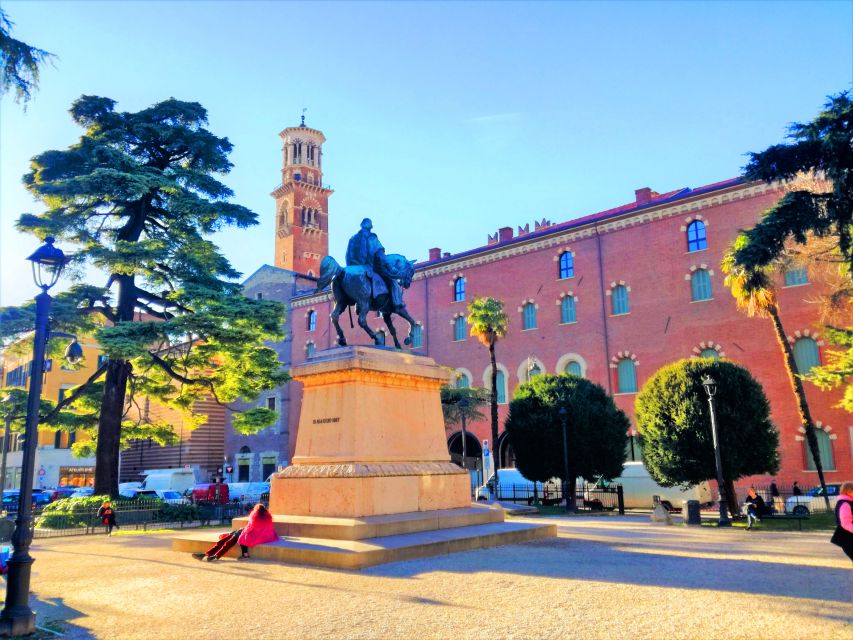
You begin at Palazzo Barbieri, Comune di Verona, with your guide standing below the Italian flag in Piazza Bra. From there, you do not rush. The route is built for short explanations at the spots that matter. You get a “why it’s here” answer, then you move on.
The guide, Fabio, is a Verona local. He uses that insider advantage in a practical way. He points out the kind of details that help you navigate later on your own, when you are deciding where to return for a longer look.
More Walking Tours in Verona
- Verona: Small Group Guided Walking Tour with Arena Tickets
★ 4.9 · 848 reviews - Verona Highlights Walking Tour in Small-group
★ 5.0 · 493 reviews - Verona walking tour:food, wine, legends, lunch/dinner & cable car
★ 5.0 · 386 reviews
Arena di Verona to Porta Borsari, Roman energy in the first half-hour
Most first-time visitors start Verona by grabbing a few famous photos. This tour starts Verona by explaining what those photos are really showing you.
The first major stop is the Verona Arena. You see its scale and architecture up close, then you get the background for why people still talk about the gladiator battles tied to this place. Even if you have never studied Roman history, the explanation lands quickly because it is anchored to what you see on the ground.
From there, you follow the route that leads you toward older city layers. One of the route choices I like is the way it uses the ground itself as a clue. The tour follows the foundations of early medieval city walls to reach Corso, described as one of the oldest streets in Verona. That matters because it helps you understand the city as a series of rebuilds, not a single time period frozen in place.
You also get a Roman-era monument stop at Porta Jovia. And then you hit Porta Borsari for a photo stop. These gates are not just “cool walls.” They are the physical reminder that Verona has always been a strategic city, built to control movement and defend territory.
Adige River views and the Ponte Scaligero moment
Verona is famous for streets and squares, but it also has a dramatic geography. The tour makes sure you notice it.
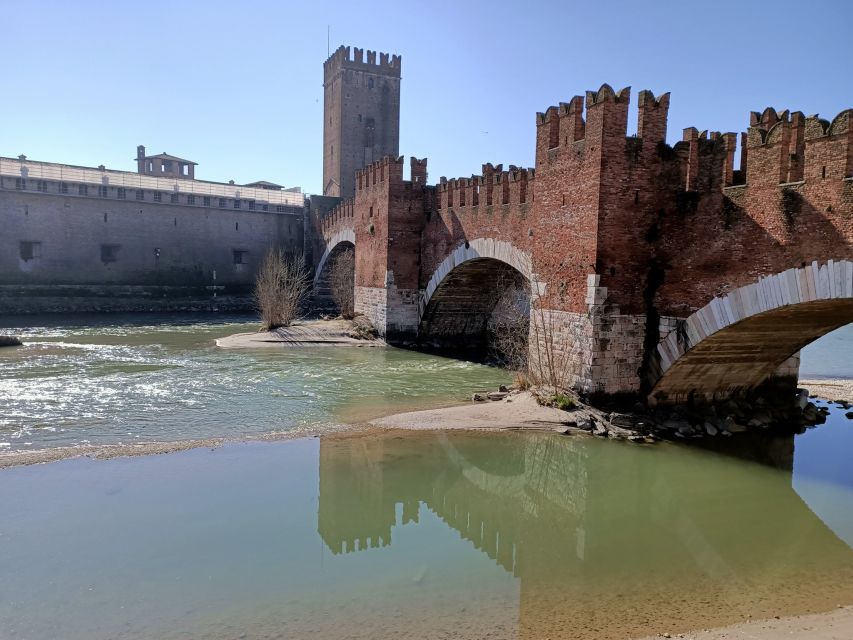
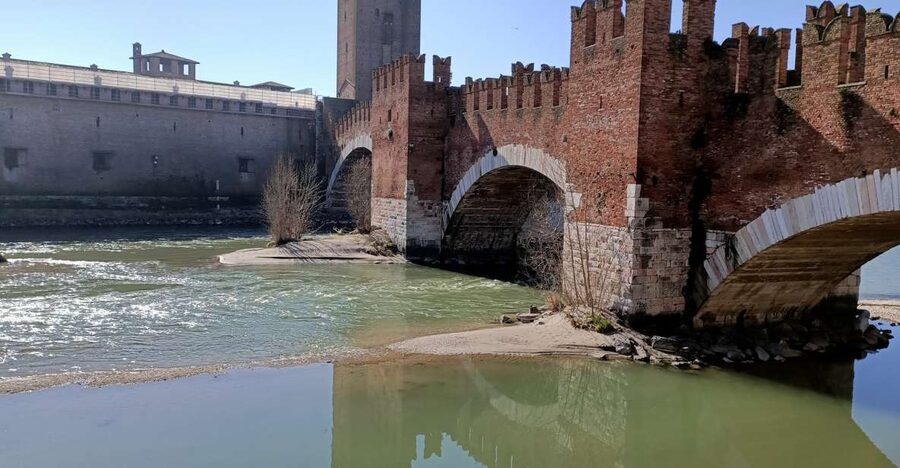
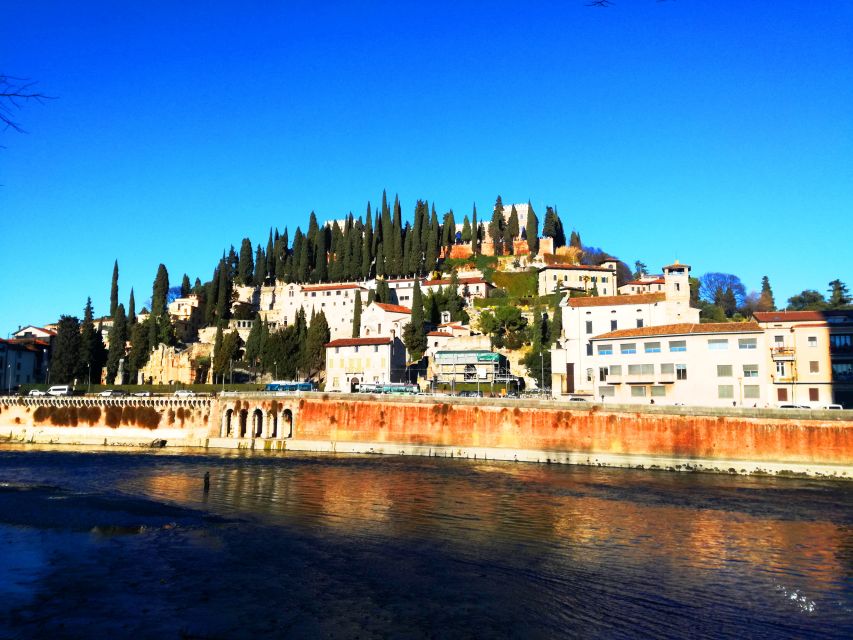
As you move along the river area, you get scenic views of the Adige River and the Ponte Scaligero. The guide also sets you up to understand the relationship between the river, the bridges, and the defensive or strategic thinking behind where buildings and routes were placed.
There is also a mention of views toward Castelvecchio. Even if you are not going inside, the payoff is the same: once you can place the river and the bridge in your mental map, everything else in Verona starts to feel closer to its real layout. You are no longer looking at random sights. You are following a system.
Piazza delle Erbe: the market square, not just the postcard fountain
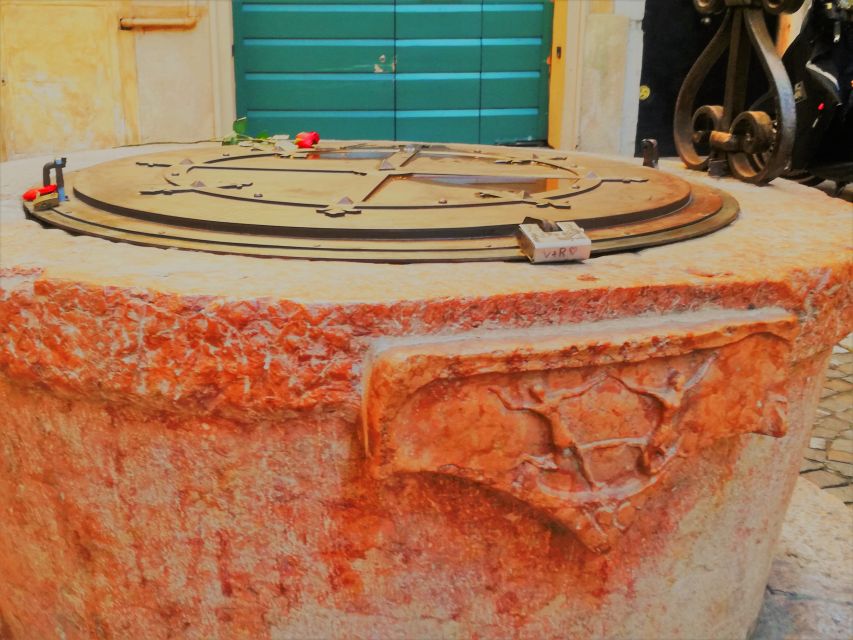
Piazza delle Erbe is one of Verona’s best-known spaces. The question is what you learn there, beyond the obvious facades.
On this tour, you spend time in Piazza delle Erbe, including a chance to pause for photos and a bit of scenic walking around the square. One standout detail is the oldest fountain in the city, which the guide uses as a starting point to talk about the square’s role in local life.
You also get the story of the local market, and you look at the beautiful facades of historic townhouses. The practical value here is huge. After hearing what the square was for, you can read the architecture as a reflection of commerce and civic identity, not just decoration.
If you like places that feel lived-in, you will appreciate this stop because it is not only about what you can photograph. It is about why people gathered here, then and now.
More Historical Tours in Verona:
- Venice: St. Mark Basilica Ticket, Audioguide+History Gallery
★ 3.9 · 4,780 reviews - Venice’s Best: Basilica, Doge’s Palace, Gondola & History Gallery
★ 4.5 · 2,478 reviews - Historic Milan Tour with Skip-the-Line Last Supper Ticket
★ 4.5 · 1,976 reviews - Venice: City Center Historical Guided Walking Tour
★ 4.2 · 1,873 reviews
Piazza dei Signori, public power, and a “highest tower” stop
After the market square, the tour shifts you toward Verona’s civic core. Piazza dei Signori is where you feel power more than romance.
You see public buildings linked to Verona’s ruling families and institutions, including Palazzo della Ragione, Palazzo Della Scala, and Palazzo del Capitano. The guide’s job is to help you make sense of what those names refer to, while you stand in the same space where people once used these buildings for decision-making and authority.
Another highlight here is the stop tied to the highest tower in the city. You learn about the Medieval era through what towers represented: status, control, and the skyline as a message. This is one of those moments where you realize you have been looking at a city from ground level, while the history is actually written higher up too.
Santa Anastasia, Romeo’s neighborhood, and what to do with the Shakespeare connection
You will also pass through one of Verona’s big church landmarks: Basilica di Santa Anastasia. Expect a photo stop and the kind of commentary that helps you understand why the building is famous in a city that loves architecture and symbolism.
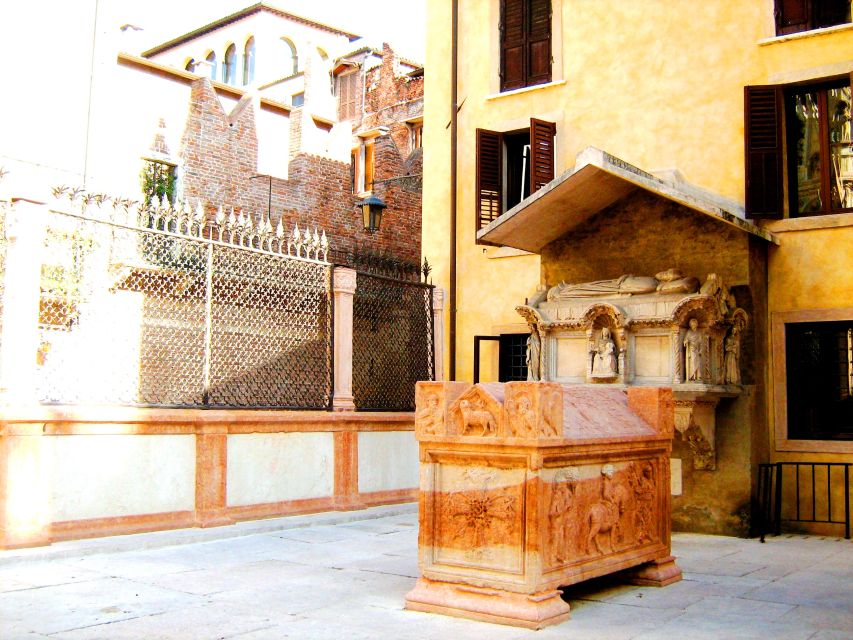
Then the tour moves into the Shakespeare orbit, but with a twist that keeps it from becoming pure tourism. You reach the area connected to Casa di Romeo and you also see the dramatic Arche Scaligere mausoleums on the way. Seeing those tombs next to the later literary association is a smart way to show Verona’s timeline without needing a museum ticket.
The guide explains the historical inspiration behind the Shakespeare tragedy. That is useful because it helps you understand why Juliet and Romeo became shorthand for Verona romance, even though the real story sits deeper in the city’s medieval context. You get the narrative thread, so later, if you choose to wander around on your own, you will know what you are trying to spot.
You end this section at Juliet’s House, Verona with a photo stop. Here the value is not only the famous balcony angle. It is that the balcony makes more sense after you understand the city’s timeline and the power structures you just walked through.
Jewish Verona, a convent stop, and the value of the side-street pauses
The most memorable part of the tour for many people is not the obvious monument. It is the way the guide uses short detours, often described as secret stops, to reveal smaller details.
You pass through areas including Sinagoga di Verona for a photo stop. You also make time near the Convent of Saint Mary ‘della Scala’ of the Servants of Mary. These stops matter because they expand Verona beyond its Roman ruins and medieval power symbols. The city includes religious communities and institutions that shaped daily life and social organization.
You also get in smaller street moments like Via Dietro Anfiteatro, which connects the feel of the city to its larger structures. That kind of stop is why the tour feels like more than a checklist. It teaches you how to walk like a local, with your eyes tuned to the edges.
If you are the type who likes to return later and notice something new on your own, these side streets are your training ground.
How the route works in real life: pace, headsets, and comfort
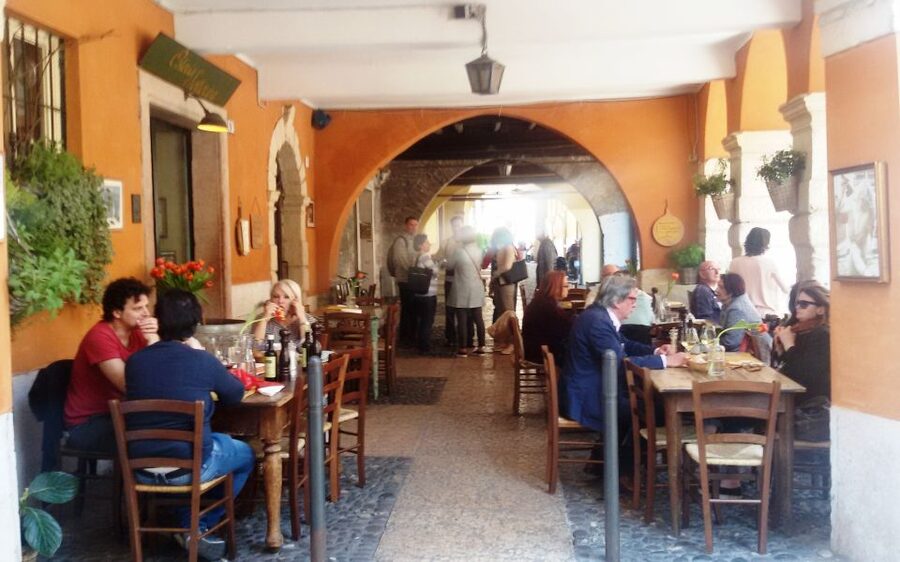
This is a 2-hour walking tour. That length is long enough to hit major landmarks and short enough that you will not dread the finish. It is also ideal as an “orientation walk” early in your trip, so you can decide where to spend extra time later.
The group size helps. With a cap of up to 10 participants, it stays conversational, and your questions are more likely to land. Also, the tour includes headsets. That is not a small perk. In Italian squares and near busy streets, audio can be a problem. With headsets, you get clearer instructions and smoother storytelling, which makes the whole experience less stressful.
The tour takes place rain or shine, so plan for wet cobblestones if the forecast turns. Bring water, and wear shoes you trust on uneven streets.
Price and value for a small-group Verona story tour
At $41 per person for two hours, you are paying for a few specific things: a licensed local guide, a small group, and headsets. You are not paying for entries or museum tickets, since entries are not included.
So the value is not in “getting into things for free.” The value is in what you carry after the walk. You leave with a mental map that connects major landmarks with the city’s older layers: Roman-era gates, medieval walls and towers, river views, and civic squares.
In practical terms, this can save you money and time during the rest of your Verona stay. When you understand what you are seeing, you can choose your next stop with more confidence, rather than chasing highlights at random.
Who should book this tour, and who might skip it
This is a great fit if you want a first visit to Verona that feels intelligent and grounded. It suits:
- First-timers who want Verona’s big sights plus context fast
- History and architecture lovers who like timelines you can walk through
- People who prefer a small-group experience instead of a large crowd follow-the-flag setup
- Anyone who appreciates being able to hear the guide clearly with headsets
You might consider skipping if:
- You want a mostly relaxed, sit-down style tour. This one is built for walking.
- You are hoping for paid-entry access inside major sites. Entries are not included, so you may still need tickets later if you want inside views.
Should you book the Verona: History and Hidden Gems Guided Walking Tour?
I think you should book it if you want Verona to make sense quickly. The mix of Piazza Bra, the Arena, Roman gates, river panoramas, civic squares, and the quieter stops gives you a strong “read” on the city. It is also the kind of tour where the guide’s role is real, not decorative, because you get explanations tied to what you are actually seeing.
If you are only in Verona for a short time, this is one of the best ways to use it well. Two hours is just enough to set your bearings and help you explore the rest of the city with sharper eyes.
FAQ
How long is the Verona History and Hidden Gems Guided Walking Tour?
It lasts 2 hours.
Where do we meet the guide?
Meet at Palazzo Barbieri (Comune di Verona) in Piazza Bra, standing below the Italian flag.
How much does the tour cost?
The price is $41 per person.
What size is the group?
The tour is a small group, with up to 10 participants.
What languages are available?
The live guide is available in English, German, Italian, and Spanish.
Is it wheelchair accessible?
Yes, it is wheelchair accessible.
Are entries to attractions included?
No, entries are not included.
What should I bring and wear?
Wear comfortable shoes and bring water. The tour runs rain or shine.
Reviewed lately around Verona
- Verona: Pasta and Tiramisu Cooking Class With Free Flowing Wine★ 5.0 · 575 reviews
- Verona: Pasta and Tiramisu Cooking Class with Fine Wine★ 4.8 · 633 reviews
- Verona: Juliet’s House Fast-Track Entry Ticket & Audio Guide★ 4.2 · 1,121 reviews
- Verona: Priority Access Arena Guided Tour★ 4.6 · 1,152 reviews
- Verona: Hop-on Hop-off Tour 24 or 48-Hour Ticket★ 4.4 · 2,010 reviews
- Verona Highlights Walking Tour in Small-group★ 5.0 · 493 reviews
- Verona walking tour:food, wine, legends, lunch/dinner & cable car★ 5.0 · 386 reviews
- Verona: Small Group Guided Walking Tour with Arena Tickets★ 4.9 · 848 reviews
Historical Tours, compared.
St. Mark Basilica Ticket, Audioguide+History Gallery
Read our review →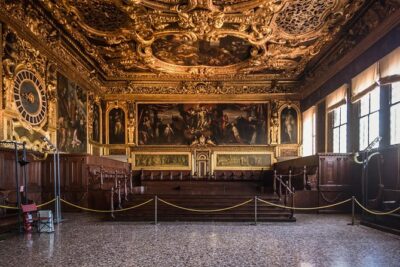
Venice’s Best: Basilica, Doge’s Palace, Gondola & History Gallery
Read our review →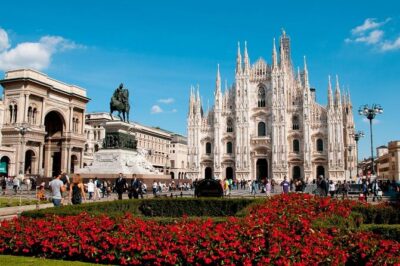
Historic Milan Tour with Skip-the-Line Last Supper Ticket
Read our review →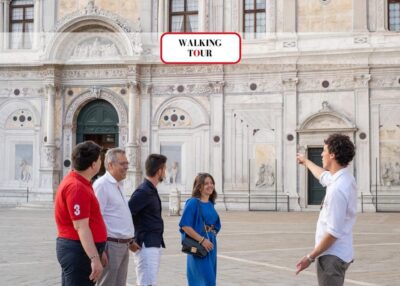
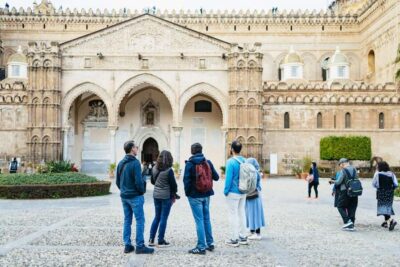
Rome in a Day Tour with Vatican, Colosseum and Historic Center
Read our review →
Rome Food Tour in the Historic Centre with 8+ Food Tastings
Read our review →
Ancient History and Colosseum Underground Tour
Read our review →Browse the lists this tour appears in