
Reviewed · CRUISES & BOAT TOURS
Genoa: Cetacean Watching Cruise with Marine Biologist Guide
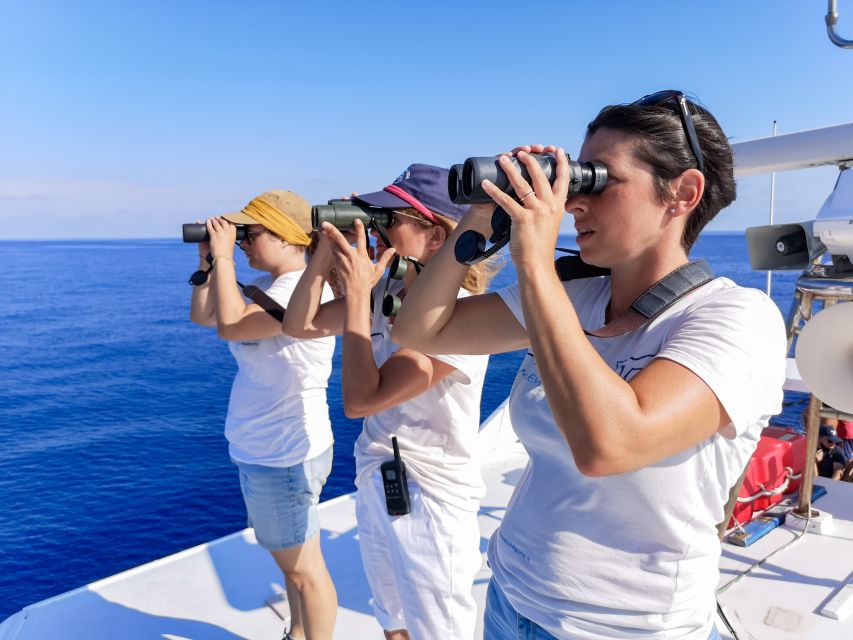
This cruise is interesting because you are not just on a sightseeing boat. You’re working with a marine biologist guide in the Pelagos Sanctuary, where the goal is to spot cetaceans and understand what you’re seeing in real time.
I especially like two things. First, you get a proper briefing on the sanctuary and what behaviors to look for, so spotting a distant blow or a sudden pod reveal feels meaningful. Second, the chance of cetaceans is high, since sightings are reported as common (95%), and the guide helps you connect what you see with how these animals feed and move. The main drawback to consider: even with the best effort, you still might go out without seeing a whale that matches your dream, and you should be ready for a full 4.5 hours on the water.
Key highlights worth your time
- Marine biologist-led spotting in the Pelagos Sanctuary, with answers you can actually ask questions about
- High odds of cetaceans, with reported common sightings (95%), though nothing is guaranteed
- Real behavior, real feeding habits, explained as you look, not as a generic slideshow
- Photo-friendly moments, including possible breaches, jumps, and dolphins traveling near the boat
- Conservation context, with a guide focused on what the sanctuary does to protect marine life
Genoa Cetacean Cruise in the Pelagos Sanctuary: The Big Idea
If you’re the type who wants your whale and dolphin trip to be more than a lucky glimpse, this is the right style of outing. The Pelagos Sanctuary is set up for careful watching, and the tour leans into that. You’re guided by a marine biologist, so you spend the cruise learning what to look for and why.
The best part is that your attention changes. Instead of just scanning for bodies in the water, you start noticing patterns, timing, and behavior. A distant breach becomes a clue, a pod moving together becomes a story about feeding, and even a short surface event starts making sense when your guide can explain it on the fly.
That focus is also what helps with value. For a half-day style outing (4.5 hours), you get not only the chance of sightings like fin whales, sperm whales, Cuvier’s beaked whales, and multiple dolphin species, but also a specialist who can help you interpret what’s happening. At $53 per person, the price feels more justified because the guide adds something practical, not just entertainment.
More Boat Trips in Genoa:
- Genoa: Pelagos Sanctuary Whale Watching Cruise
★ 4.2 · 806 reviews - From Genoa: Boat Tour to Portofino with Free Time to Explore
★ 4.5 · 579 reviews - Boat Trip: Glimpse of Murano, Torcello & Burano Islands
★ 4.3 · 15,699 reviews
Getting There and Settling In at Ponte Spinola

Your day starts in Genoa near the sea, at the local partner’s ticket office at the beginning of the Aquarium Pier, Ponte Spinola, on the left side. You should arrive at least 15 minutes before departure. That buffer matters because you want time to check in, get oriented, and settle before the boat pushes off.
There are two starting location options listed, with the meeting points connected to this area: Ponte Spinola, 2 and the Consorzio Liguria Via Mare location. Drop-offs also return you to Consorzio Liguria Via Mare or Ponte Spinola, 2.
What I’d do in your shoes: wear comfortable shoes and keep your bag simple. You’ll be on open deck time, then in motion, then back out again. Even if the sea is calm, you’ll appreciate footwear that doesn’t slip.
The 4.5-Hour Cruise Flow, and What Each Part Feels Like
This is a single outing built around one main activity: marine life viewing in the Pelagos Sanctuary. The itinerary structure is simple, but the experience has phases that matter.
1) A briefing that sets you up to actually see
Before you head out to the more favorable spotting areas, you get an introductory briefing about the Pelagos Sanctuary from the marine biologist guide. This is not filler. It helps you understand what the sanctuary is, why it exists, and what conservation programs are working to protect local marine life.
You’ll also get context on the species you might encounter, including fin whales, sperm whales, Cuvier’s beaked whales, bottlenose dolphins, and other dolphin types. When you understand the animal basics, you become a better observer. You stop mistaking random movement for a sighting and start tracking the right kinds of behavior.
More from a Genoa stay:
- Genoa: Aquarium of Genoa Entry Ticket
★ 4.5 · 10,075 reviews - Genoa: Hop-on Hop-off Tour Ticket
★ 4.0 · 1,524 reviews - Genoa: Half-Day Tour to Portofino
★ 4.2 · 1,123 reviews - Genoa: 2-Hour Guided Walking Tour of the Historical Center
★ 4.2 · 605 reviews
2) Heading to the best places to watch
Once you’re underway, the crew searches for favorable locations in the sanctuary. The pace can feel like calm anticipation. You’ll scan the horizon for signs that something is happening underwater, then wait for the surface event you came for.
A big reason this works is that you’re not only chasing animals. You’re learning how to recognize them. When a guide tells you what a blow might mean, or what a pod’s movement pattern can signal, your “waiting” becomes productive.
3) Watching from a distance, without disturbing them
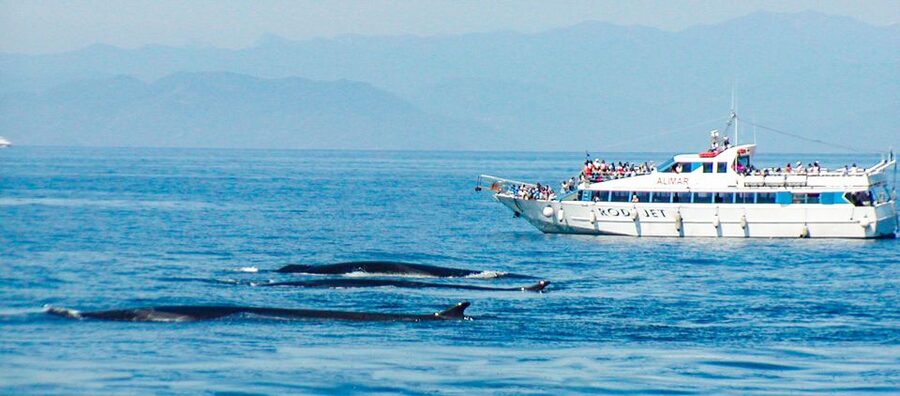
One of the tour’s key rules is compliance with non-disturbance directives. That means the boat approaches in a way designed to avoid stressing the animals.
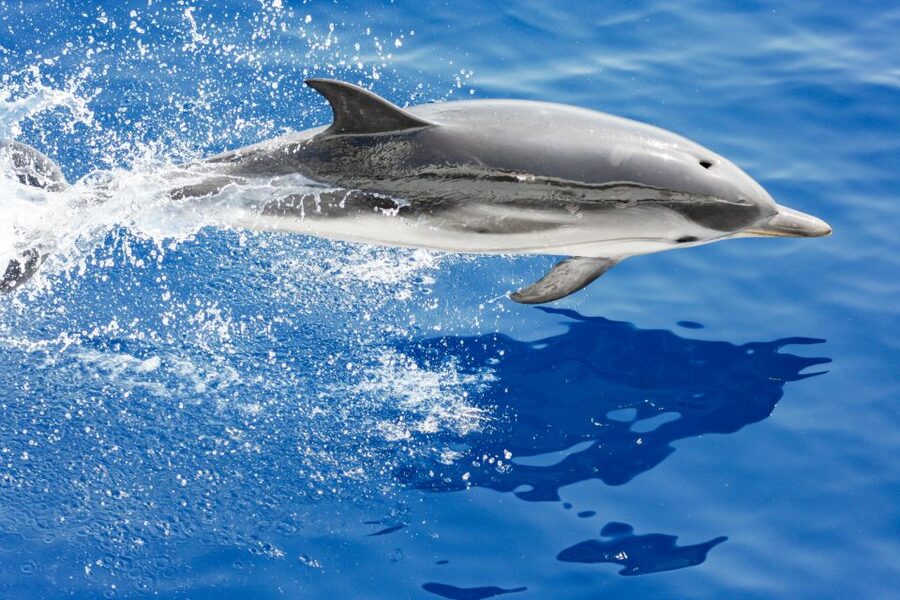
In practical terms, you still get a real viewing experience. You may see dolphins jumping or traveling near the boat, and you might catch the timing of a larger cetacean surfacing. But you should not expect a hands-on experience. This is wildlife viewing that respects the animals’ space.
4) After a first good encounter, the search continues
When you’ve seen one exciting event, the hunt usually doesn’t stop there. You go back out within the sanctuary area to look for other marine species. This is where the experience can surprise you, because once dolphins start showing up, you may find multiple species or different group behaviors.
And yes, you should use this time to ask questions. The guide is there for interaction, so if you want to know why one whale surfaces more than another, or what feeding habits might look like from the surface, this is your moment.
The Cetaceans You Should Keep an Eye Out For
This tour lists a set of cetaceans that are common to encounter, with sightings reported as frequent (95%). Still, the most important truth is simple: you can’t guarantee specific animals on any given day.
Here’s what you might spot in the Pelagos Sanctuary context:
- Fin whales
- Sperm whales
- Cuvier’s beaked whales
- Bottlenose dolphins
- Risso’s dolphins
- Long-finned pilot whales
- Striped dolphins
- Short-beaked common dolphins
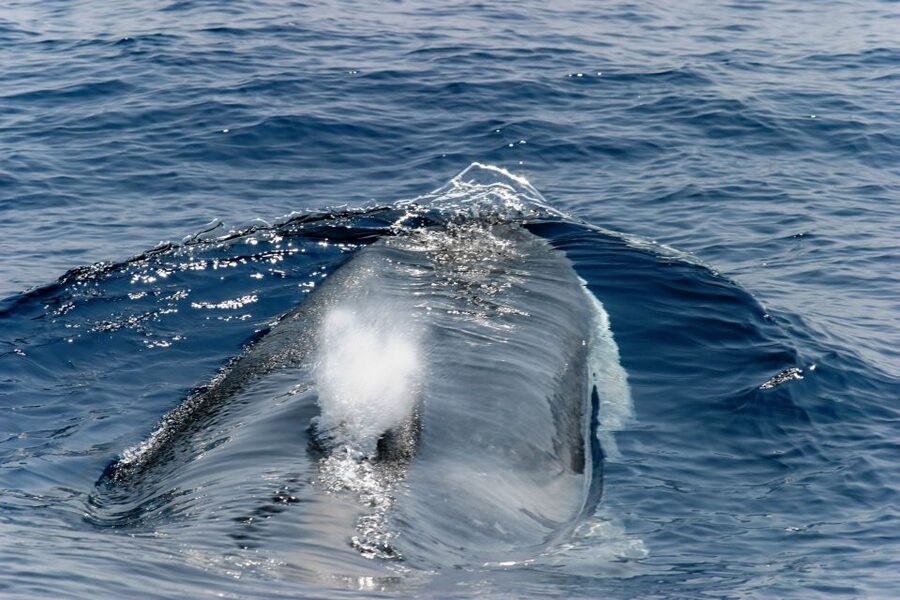
On good outings, dolphin pods can be large, and you can see different types moving with clear social behavior. On other days, the bigger whales can be brief, with a momentary view before they move below again. That variation is normal in the open sea.
If your dream animal is a larger whale, keep your expectations flexible. The trip is best approached as a chance to witness real wild behavior, not as a guaranteed close-up show.
Marine Biologist Guidance: What Makes This Feel Worth It
Plenty of tours promise whale watching. This one adds a specialist, and that changes how you experience the day.
You’ll hear a sanctuary briefing tied to conservation efforts, and you’ll get explanations about behavior and feeding habits. That matters because marine mammals in open water can be hard to interpret. When a guide explains what you’re likely seeing, you stop feeling like you’re just guessing.
There is also a practical benefit. When you can ask questions, you become less dependent on luck. You can ask, for example, what certain movements might indicate, or what dietary patterns are likely at the time of year. The guide is there so your observations turn into understanding.
One note to keep in mind: you may hear onboard announcements in both Italian and English, and in some departures the audio can feel loud or drawn out. If you’re sensitive to sound or you want to focus on spotting instead of listening, consider bringing earplugs. It’s a small thing that can make a long 4.5-hour cruise easier to enjoy.
Photo Tips for Cetaceans From a Moving Boat
You’ll likely want photos, and this is one of the tour’s strengths. The mix of open-deck viewing, potential dolphin jumps, and possible breaches gives you chances for strong images.
Practical photo thinking:
- Bring a way to keep your phone or camera protected from wind spray and mist
- Dress for comfort first, because good photos usually come from steady watching, not from rushing
- Be ready for short moments, not long poses, especially for larger whales that may surface briefly
- If dolphins are active, focus on sequences. A running series often captures the peak action better than a single shutter press
Also, remember the goal is viewing first. If the animal is far off, zoom and stabilize rather than trying to guess distance. The non-disturbance approach means you often see animals best when you allow them to come to their natural rhythm.
Value and Price: Is $53 Really Fair?
At $53 per person for a 4.5-hour cetacean-watching experience with a marine biologist guide, this tour makes sense if your priority is understanding as much as spotting.
Here’s why I see the value:
- You’re paying for expertise, not just time at sea.
- The structure is built around active searching, and cetacean sightings are reported as common (95%).
- You get conservation context for the Pelagos Sanctuary, which is useful if you care about why this area is protected.
Where value can dip for some people: if you’re hoping for a single guaranteed whale type, the sea still controls the show. The tour can’t promise fin whales, sperm whales, or megafauna every time. If you accept the randomness and focus on behavior, the experience feels better.
What to Bring, What to Skip, and How to Stay Comfortable
This is the part that decides whether the day feels great or just tolerable.
Bring:
- Comfortable shoes
- Comfortable, weather-appropriate clothes
- Weather protection if conditions are changeable
Onboard basics:
- Bar service is available, but snacks and drinks are not included
- Toilet access is reported as present in at least some cases
- You can expect both indoor and outdoor seating options (helpful if sun and wind flip-flop)
Don’t bring:
- Pets (not allowed)
- Smoking (not allowed)
If you’re prone to motion sickness, plan ahead even though calm seas are possible. The data doesn’t give a guaranteed sea state, and you’ll be out on the water for half the day.
Who This Cruise Fits Best
This trip is a great match if you want:
- A wildlife experience with expert interpretation, not just a generic spotting race
- A chance at multiple cetacean types in one outing
- Photo opportunities that come from real behavior like jumps and pods moving together
It’s also a smart fit for people who enjoy science questions. The marine biologist guide is there for answers, and that makes your observations more satisfying.
It may be less ideal if:
- You get restless with a 4.5-hour wait-and-watch format
- You want long uninterrupted time focusing on silence. Some departures include loud onboard announcements in Italian and English.
Should You Book Genoa’s Cetacean Cruise?
Yes, if you’re excited by open-water wildlife watching and you like learning how to read what you’re seeing. The combination of the Pelagos Sanctuary setting and a marine biologist guide makes this a practical, high-effort day, not just a boat ride.
Book it especially if you care about conservation and want your trip to answer questions, not just create memories. The odds of seeing cetaceans are reported as common (95%), and when sightings happen, this kind of guided viewing turns them into a real understanding moment.
Skip it if you need a guaranteed whale species, or if you know you strongly dislike the idea of spending 4.5 hours at sea with shifting conditions and possible onboard audio.
FAQ
Where is the meeting point for the Genoa cetacean cruise?
You meet at the local partner’s ticket office at the beginning of the Aquarium Pier, Ponte Spinola, on the left side.
How early should I arrive before departure?
Plan to arrive at least 15 minutes before the departure time.
How long is the cruise?
The duration is 4.5 hours.
What is included in the ticket price?
The ticket includes the marine mammal-watching experience and an expert marine biologist guide.
What languages will the guide speak?
The live tour guide offers Italian and English.
What cetaceans can I potentially see in the Pelagos Sanctuary?
The possible sightings include fin whales, sperm whales, Cuvier’s beaked whales, Risso’s dolphins, long-finned pilot whales, striped dolphins, bottlenose dolphins, and short-beaked common dolphins.
Are cetacean sightings guaranteed?
No. Sightings are common (95%), but they cannot be guaranteed.
If no cetaceans are spotted, can I return?
Yes. If there is no spot of cetaceans, you have the possibility to return for free within 1 year by making a new reservation and handing over the original ticket at the boarding gate.
Are snacks and drinks included?
No. Snacks and drinks are not included, but there is bar service available onboard.
Are there rules onboard, and is the experience wheelchair accessible?
Smoking and pets are not allowed. The experience is wheelchair accessible.
Reviewed lately around Genoa
- Taste Genoa: A Full Meal Walking Food Tour by Do Eat Better★ 5.0 · 509 reviews
- Guided Tour of Rolli Palaces UNESCO Site, Genoa★ 4.4 · 539 reviews
- From Genoa: Boat Tour to Portofino with Free Time to Explore★ 4.5 · 579 reviews
- Genoa: 2-Hour Guided Walking Tour of the Historical Center★ 4.2 · 605 reviews
- Genoa: Pelagos Sanctuary Whale Watching Cruise★ 4.2 · 806 reviews
- Genoa: Aquarium of Genoa Entry Ticket★ 4.5 · 10,075 reviews
- Genoa: Half-Day Tour to Portofino★ 4.2 · 1,123 reviews
- Genoa: Hop-on Hop-off Tour Ticket★ 4.0 · 1,524 reviews
Cruises & Boat Tours, compared.
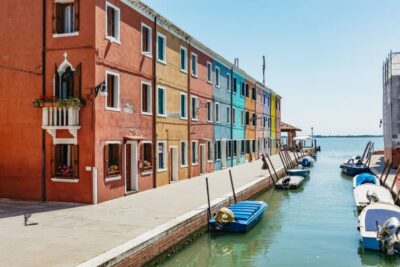
Boat Trip: Glimpse of Murano, Torcello & Burano Islands
Read our review →
Burano, Torcello & Murano Boat Tour w/Glassblowing
Read our review →
Como & Bellagio with Private Lake Como Cruise
Read our review →
Murano and Burano Boat Tour with Glass Factory Visit
Read our review →
Murano & Burano Islands Guided Small-Group Tour by Private Boat
Read our review →
Murano & Burano Panoramic Boat Tour w/ Glassblowing
Read our review →
Browse the lists this tour appears in