
Reviewed · CRUISES & BOAT TOURS
Genoa: Pelagos Sanctuary Whale Watching Cruise
Pelagos Sanctuary out of Genoa is interesting because you are not doing a theme-park boat ride. You are going into the real habitat of cetaceans in the Pelagos Sanctuary and spending hours searching with a scientific eye. I like that you get both the open-sea views and the chance at multiple species, not just one.
Two things I especially enjoy: first, the way the crew keeps scanning for signs and acts quickly when they spot something. Second, the wildlife ethic, so the boat feels respectful, not like it is trying to chase animals for photos. You should know one potential drawback up front: sightings are never guaranteed, and the work is patient, slow, and watch-based.
The trip runs about 4 hours from Genova Porto Antico, Calata Mandraccio, with a launch into deeper water. Expect a biologist-led outing where you learn as you go, and where calm seas make a big difference in what you can actually see.
Key things that make this cruise worth your time
- Biologist guidance during the search, plus extra language support when needed
- Deeper-water spotting after roughly 30 minutes, at around 1000 to 1500 meters
- Multiple cetacean possibilities like striped dolphins, sperm whales, and Cuvier’s beaked whales
- Respectful watching style, with the captain and crew aiming not to disturb wildlife
- Strong odds when conditions are calm, since animals surface more predictably
- If you get skunked, you can return for a second excursion for free within 1 year
Pelagos Sanctuary in Genoa: What This Cruise Is Really Like
This is a cruise built on observation, not on a promise. You are heading into the Tyrrhenian Sea where the goal is to find whales and dolphins by reading the water, watching for spouts, and spotting behavior at the surface.
That makes it feel different from the typical “we’ll go look” style tour. The crew’s mindset is research mode. They keep eyes on the horizon and the waterline for cues, and that is what turns a half-day trip into a genuine experience.
I also like the variety. From the species list and the sighting stories, you might see striped dolphins, Mediterranean whales, sperm whales, pilot dolphins, and sometimes beaked whales like Cuvier’s. You may also spot sea turtles and sea birds, which adds value even when the day’s main target takes time to appear.
More Boat Trips in Genoa:
- Genoa: Cetacean Watching Cruise with Marine Biologist Guide
★ 4.3 · 745 reviews - From Genoa: Boat Tour to Portofino with Free Time to Explore
★ 4.5 · 579 reviews - Boat Trip: Glimpse of Murano, Torcello & Burano Islands
★ 4.3 · 15,699 reviews
Getting to Genova Porto Antico and Finding Calata Mandraccio
Your starting point is Porto Antico in Genoa, specifically Calata Mandraccio. It is near the Bigo and close to Genoa Coast Guard patrol boats, so it is usually easy to orient yourself once you are in the harbor area.
This matters because you want to be there early enough to check in calmly, use the restroom, and settle before the boat heads out. One review noted onboard toilets and the option to buy drinks, which is a nice practical touch when you are out for hours.
Also, keep in mind the schedule. The departure time is 13:00, and the cruise runs roughly 4 hours total. Plan your day so you are not stressed about running on time or catching trains immediately after.
The 4-Hour Cruise Plan: Open Sea, Deep Water, Then Patient Watching
The rhythm of the tour is simple, and it is worth understanding before you board.
First, you cruise out from Genoa for about 30 minutes to reach deeper water, around 1000 to 1500 meters. In practical terms, deeper water increases the chance you intersect with cetaceans. In other words, you are not just going for a scenic ride, you are changing the odds by changing location.
After that, the “work starts,” in the best way. The crew and biologist guide focus on research-style monitoring: scanning the surface, tracking movement, and waiting for the next signal. The tour is not built around fixed meeting points with animals. Since these are wild animals, you adapt to what the sea gives you.
If you are prone to rushing or getting impatient, this is the part you should mentally prepare for. Several experiences describe that it can start slow, then turn magical once something is found. If you let the pace work for you, the payoff tends to feel bigger.
What You Might See: Dolphins, Sperm Whales, Cuvier’s Beaked Whales
The cruise is aimed at cetaceans, and the highlights reflect that. Based on the species named and the sighting examples, here is what you should mentally hold as “possible.”
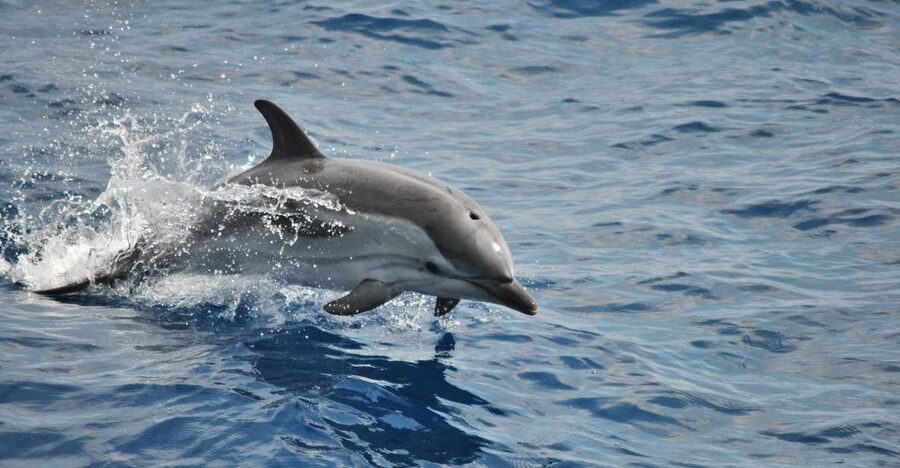
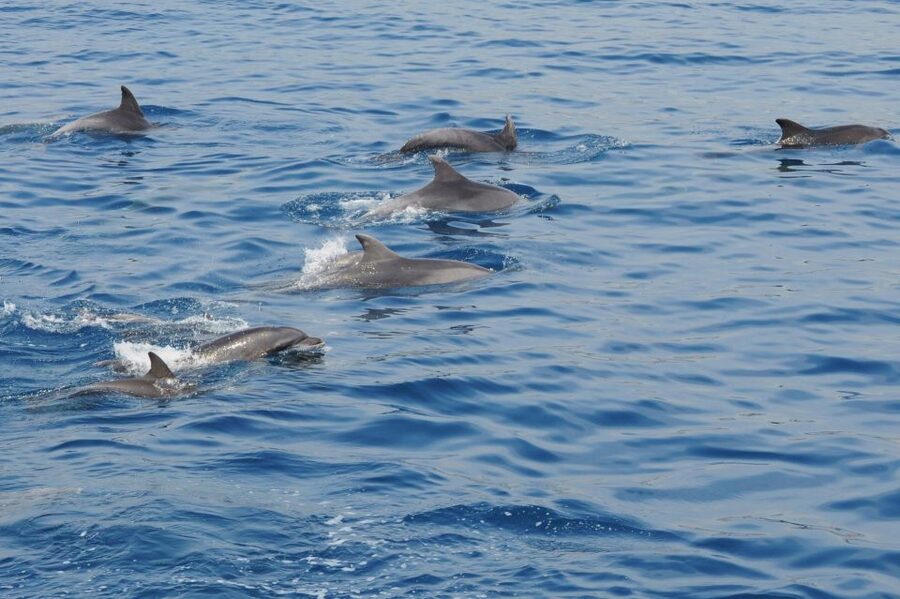
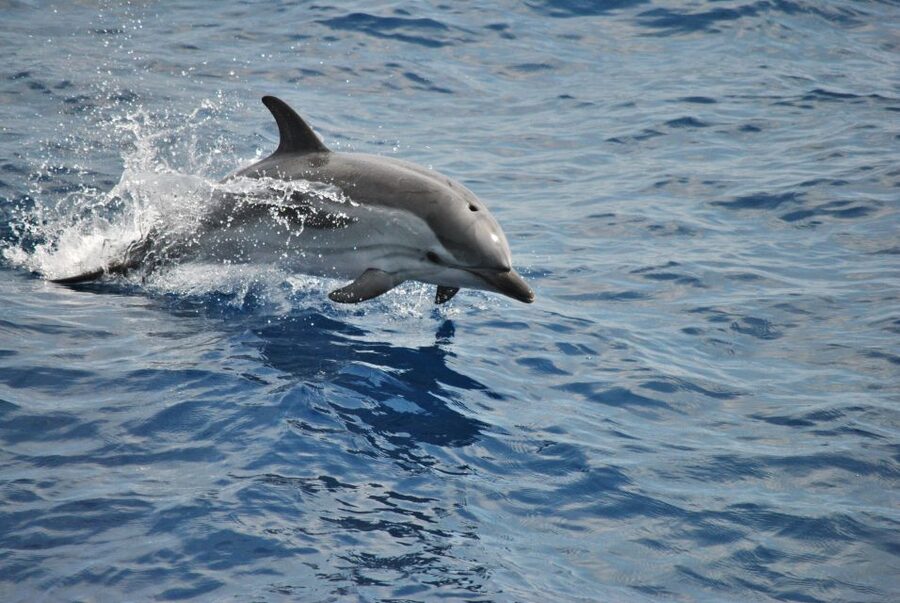
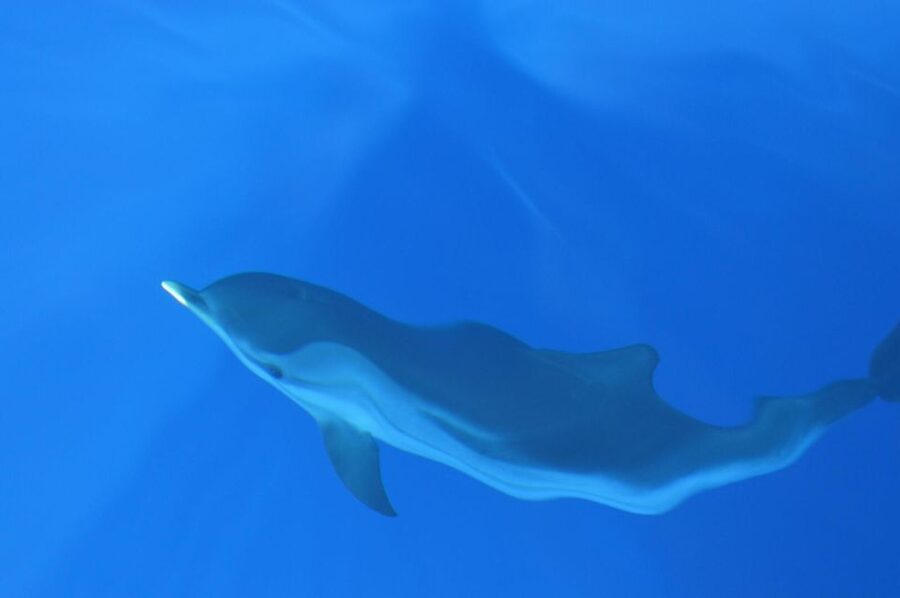
Dolphins are often the most frequent wins. You may see striped dolphins in groups, and sometimes multiple pods in a single trip. You might also encounter pilot dolphins. One of the fun parts is that pods can move under the surface, then reappear close enough for you to track their direction and timing.
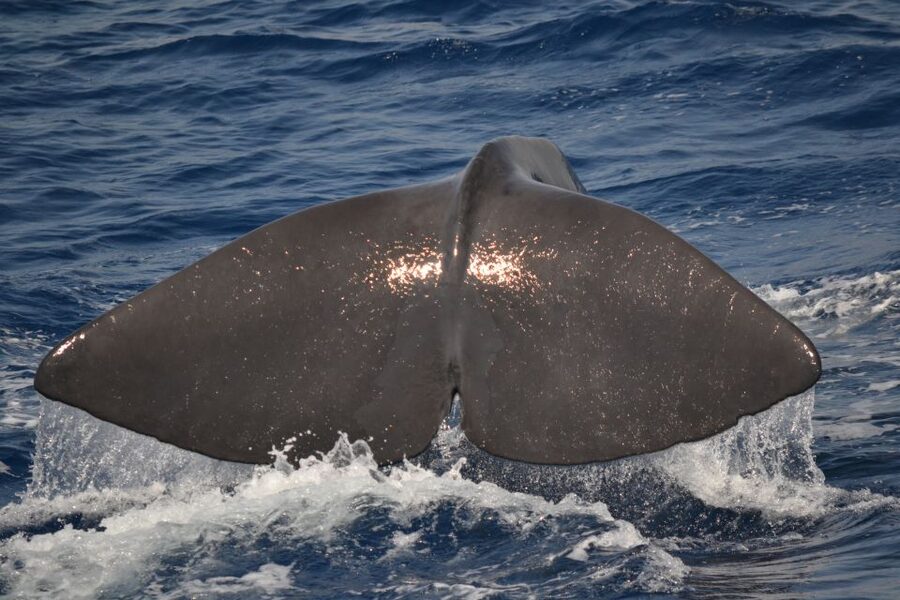
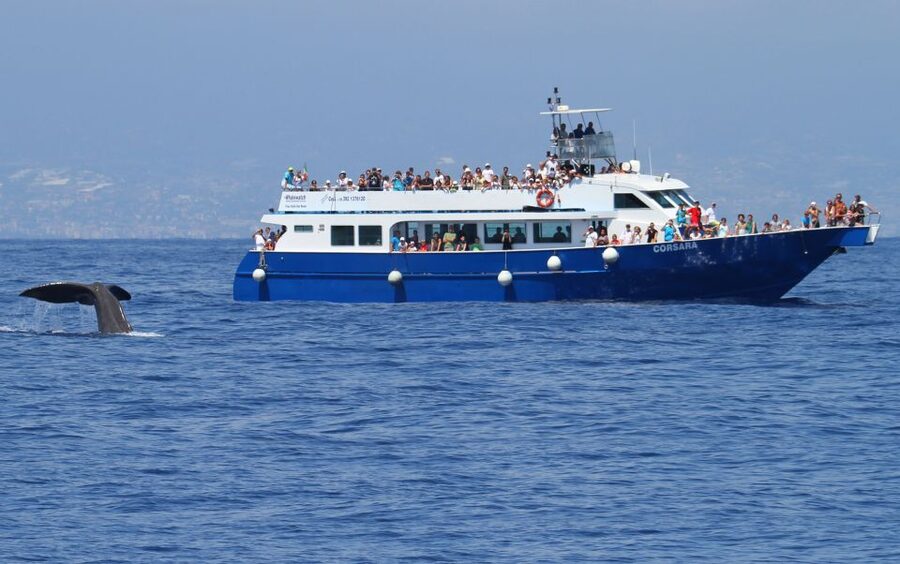
Whales are the variable. Sperm whales show up in some trips, including stories that mention sperm whales at the surface. You may also have a chance at beaked whales, including Cuvier’s beaked whales. In the sightings shared, guides explained that these whales can be rare at the surface because they go extremely deep, which is why even one sighting can feel special.
A key point: you are not only hunting for “the whale moment.” When the day includes sea turtles or sea birds, it adds texture to the trip and keeps the water interesting while you wait for deeper targets.
More from a Genoa stay:
- Genoa: Aquarium of Genoa Entry Ticket
★ 4.5 · 10,075 reviews - Genoa: Hop-on Hop-off Tour Ticket
★ 4.0 · 1,524 reviews - Genoa: Half-Day Tour to Portofino
★ 4.2 · 1,123 reviews - Genoa: 2-Hour Guided Walking Tour of the Historical Center
★ 4.2 · 605 reviews
Why Calm Seas and No Wind Change Everything
This is not just travel advice for the sake of it. Calm seas and low wind improve both comfort and visibility.
When the water is smooth, it is easier to spot spouts and surfacing blows against the horizon. You also tend to get better sightlines when the boat is not bouncing, especially for people using binoculars or simply trying to stay locked on the animal’s last known direction.
The tour info makes a clear recommendation: calm days help sightings because it is easier to see when animals surface to breathe. I would treat that as a real selection tip when you pick your date.
One review also mentioned seasickness risk for a family member at the end of the trip, even though the boat was described as drifting. So if you are sensitive to motion, bring your usual precautions. This is one of those tours where you will feel the sea, especially once you have been out for a while.
Biologist-Led Spotting: How the Crew Improves Your Odds
What you are paying for here is partly time on the water, but a big part is the crew’s monitoring skill and the biologist’s guidance.
The biologist runs the excursion and leads you through what they are doing and why. You can also have additional language support depending on needs, including German and English. Even when you understand only part of the talk, the scanning behavior communicates a lot. When the crew sees a likely sign, they react quickly, which increases your chance of getting a real look before the animal goes down again.
You will likely notice how often the crew uses equipment like binoculars and spotting scopes. Multiple experiences mention spotters checking constantly and accelerating to reach animals as soon as possible after a sighting.
This is one of the most praised parts for a reason. When the crew is actively searching, you stop feeling like you are along for the ride. You feel like you are participating in the hunt, with science-based patience.
Just as important, you are watching in an ethical way. The captain is described as respectful, with no chasing behavior. That is good for the animals and also good for you, because chaotic chasing usually makes for sloppy viewing. Slow, careful, respectful positioning tends to give you clearer time with the sighting.
Tour Group Size and the Reality of Sea Day Numbers
The cruise can run with a minimum number of passengers, which helps. Smaller numbers usually mean more space to look around and more chance to ask questions.
That said, one review described a busy boat and said they expected a smaller group to interact more with the marine biologist. So your experience could land anywhere between roomy and crowded depending on the day.
If you care about asking many questions, show up ready. When the crew is actively scanning, conversation pauses. Save your best questions for calmer moments, like right after navigation stops and before the full scan begins.
Comfort and Practical Tips for a Smooth Sail
This trip is short enough that you can keep it simple, but there are a few smart prep moves.
Dress for wind and sea air, even in warm months. Many people focus on the sun and forget the breeze once the boat is out. Layers help. Keep something protective for your neck and ears.
Bring water or money for drinks if that option works for you. The boat is described as having toilets, and that is a real plus when you are out for around 4 hours.
If you are watching for whales, expect a waiting period. That is normal. Bring snacks only if allowed and if you are comfortable eating on a boat. Otherwise, keep your energy steady so you can focus when the spotting happens.
Finally, make sure you have your photo plan in mind. If the boat speeds up quickly after a sighting, you will need hands free and stable footing. Binoculars also help you feel connected to the observation, not stuck guessing.
Price and Value: What $51 Buys You in the Pelagos Sanctuary
At $51 per person for a 4-hour cruise, this is one of the more accessible whale-watching options out of a major Italian port. The best way to judge value is not just the price, it is what you get for that money.
You get:
- time on the water deep enough to make sightings more likely
- a biologist guide and structured watching
- a chance at multiple cetacean species
- the possibility of other wildlife like sea turtles
- and, if no sightings happen, a free return option within 1 year
Some people will not see a whale on their day, but they may still see big dolphin pods, turtles, and seabirds. One review described huge dolphin groups, with animals swimming under and racing the boat. That kind of sighting can still feel like a once-in-a-lifetime ocean moment, even without a whale on the surface.
In plain terms, if you want a focused half-day on wildlife with expert guidance and a respectful approach, the cost feels fair.
Best Time to Go: April to October and the Weather Window
You will do this cruise during April to October, and the reason is practical: the weather tends to be better.
The months leading into peak season are often a sweet spot because shipping traffic can be lower. That matters because it can affect how clean the observation conditions feel on the water.
Departure days are also seasonal. In April, May, and October, the cruise runs on Sundays. From June to September, it runs on Wednesdays, Fridays, and Sundays. The departure time stays at 13:00.
If you have flexibility, I would prioritize dates when the sea is likely calmer. If you are booking early, go for a shoulder-season window when you can.
Should You Book Genoa Pelagos Whale Watching in the Pelagos Sanctuary?
Book it if you want a real wildlife search with scientific guidance, not a sightseeing loop. You will probably love this most if you enjoy patient watching, you like learning while you look, and you appreciate respectful wildlife behavior.
Skip it or go in with eyes open if you cannot handle motion or you need guaranteed whale sightings. This is wild ocean time. Some days are dolphin-heavy, some days bring sperm whales or beaked whales, and some days take patience before anything appears.
If you want a straightforward “half day that has real odds,” this is a strong pick from Genoa. Bring layers, plan for calm-sea conditions when you can, and let the crew’s search style do its job. When the first spout appears, you will understand why people rank this trip so highly.
FAQ
How long is the Genoa Pelagos Sanctuary whale watching cruise?
The excursion lasts about 4 hours.
Where does the cruise depart in Genoa?
It departs from Genova Porto Antico, Calata Mandraccio, near the Bigo and close to Genoa Coast Guard patrol boats.
What animals can I hope to see?
You may see dolphins and Mediterranean whales, including striped dolphins, sperm whales, and pilot dolphins. Sea turtles are also reported.
How far do you travel before searching for cetaceans?
After about 30 minutes of navigation, you reach deeper water around 1000 to 1500 meters, where the search activity begins.
When are the best chances for sightings?
Calm seas and no wind are best, since it is easier to see when animals surface to breathe.
What happens if we do not see anything?
If you do not see any cetaceans or other animals, you have the option to return for a second excursion for free within 1 year of the first one. Contact the provider for an additional booking.
What languages are available on the trip?
The excursion provides English and Italian. There is also a possibility of a German and English-speaking guide if required.
Reviewed lately around Genoa
- Taste Genoa: A Full Meal Walking Food Tour by Do Eat Better★ 5.0 · 509 reviews
- Guided Tour of Rolli Palaces UNESCO Site, Genoa★ 4.4 · 539 reviews
- From Genoa: Boat Tour to Portofino with Free Time to Explore★ 4.5 · 579 reviews
- Genoa: 2-Hour Guided Walking Tour of the Historical Center★ 4.2 · 605 reviews
- Genoa: Cetacean Watching Cruise with Marine Biologist Guide★ 4.3 · 745 reviews
- Genoa: Aquarium of Genoa Entry Ticket★ 4.5 · 10,075 reviews
- Genoa: Half-Day Tour to Portofino★ 4.2 · 1,123 reviews
- Genoa: Hop-on Hop-off Tour Ticket★ 4.0 · 1,524 reviews
Cruises & Boat Tours, compared.
Boat Trip: Glimpse of Murano, Torcello & Burano Islands
Read our review →
Burano, Torcello & Murano Boat Tour w/Glassblowing
Read our review →
Como & Bellagio with Private Lake Como Cruise
Read our review →
Murano and Burano Boat Tour with Glass Factory Visit
Read our review →
Murano & Burano Islands Guided Small-Group Tour by Private Boat
Read our review →
Murano & Burano Panoramic Boat Tour w/ Glassblowing
Read our review →
Browse the lists this tour appears in