
Reviewed · LAST SUPPER & DA VINCI TOURS
Milan: Science and Technology Leonardo da Vinci Museum Entry
Milan’s Science and Technology Leonardo da Vinci Museum is interesting because it turns one city into a giant workshop of ideas, from Leonardo’s sketches to real machines like trains, ships, and rockets. I like the New Galleries, where Leonardo is treated like an engineer and a thinker, not just a famous painter. I also love how the museum jumps into the practical world with objects such as the Luna Rossa AC72 catamaran and the Enrico Toti submarine.
The downside is simple: this place is big. If you only have a short attention span or you hate reading and floor-to-floor wandering, you’ll feel rushed and a few rooms will blur together.
Key Things to Know Before You Go
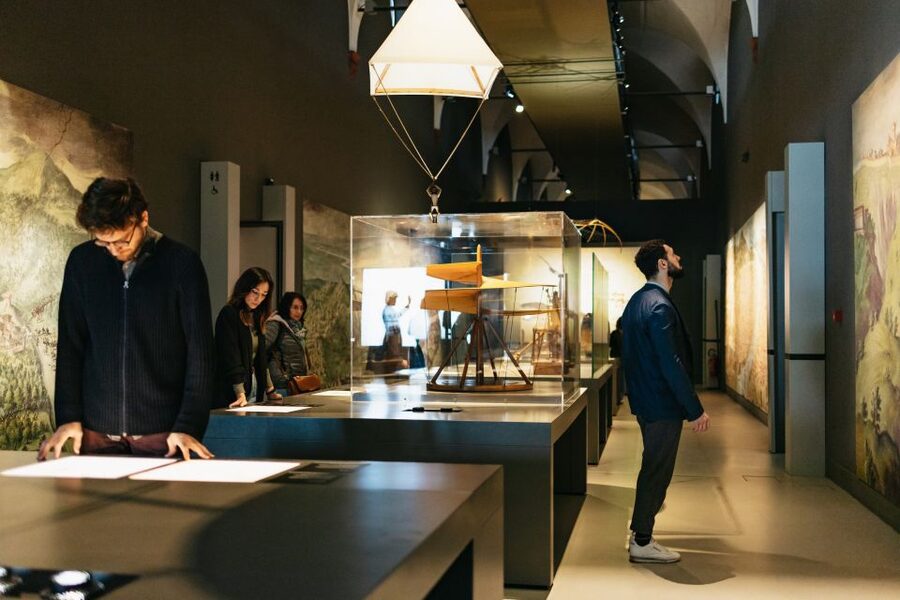
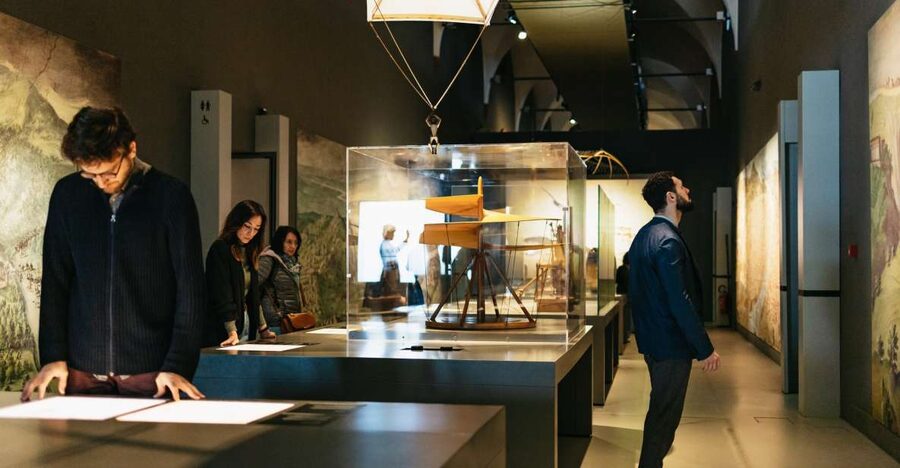
- New Galleries with 170 Leonardo models, plus drawings, ancient volumes, and immersive installations
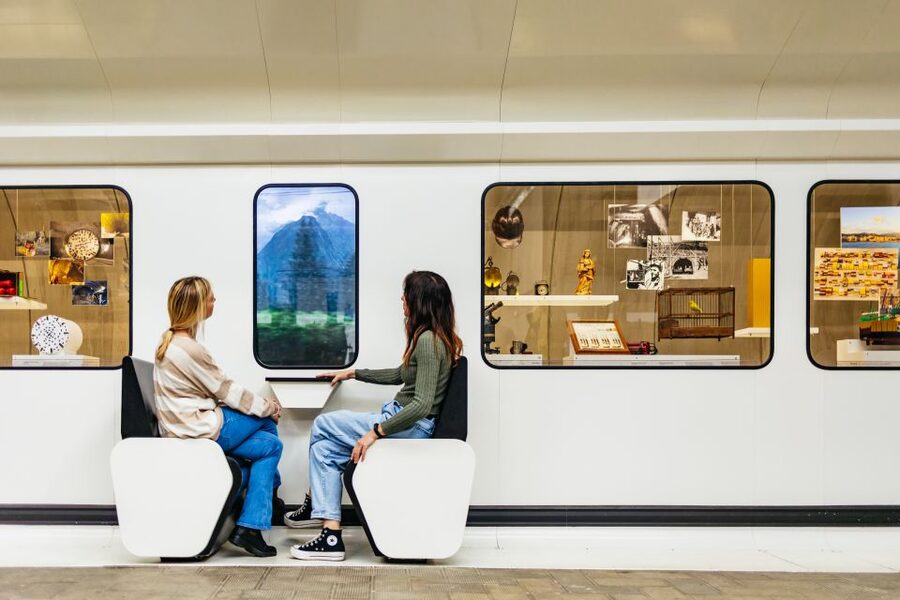
- Transport and engineering exhibits with scale models like steam trains and famous ships
- Space area highlights, including Italy’s only visible moon fragment and the Vega space launcher
- See major tech objects in context, not in isolated glass cases only
- Plan extra time, because the museum can easily stretch into a full day
A Milan Museum Built Inside a Renaissance Monastery Cloister
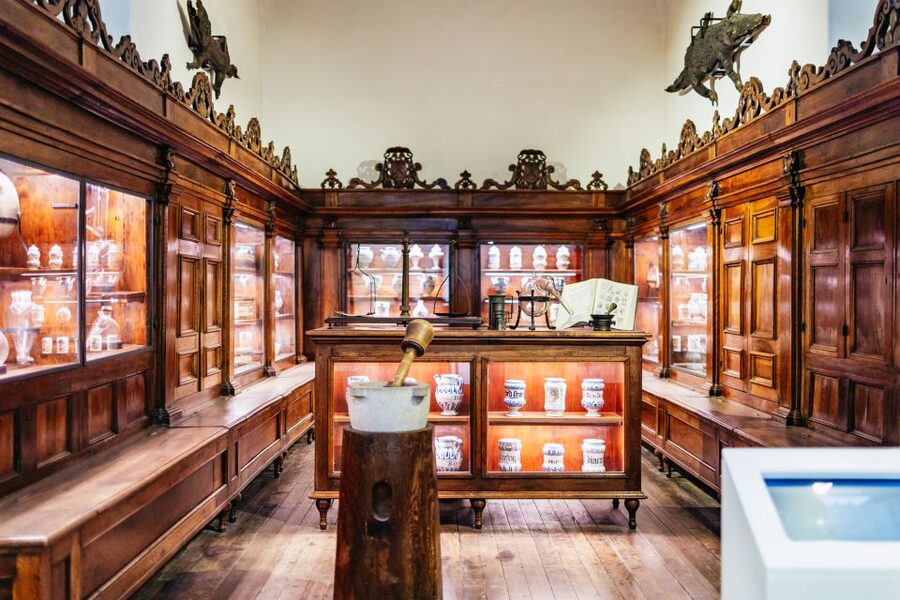
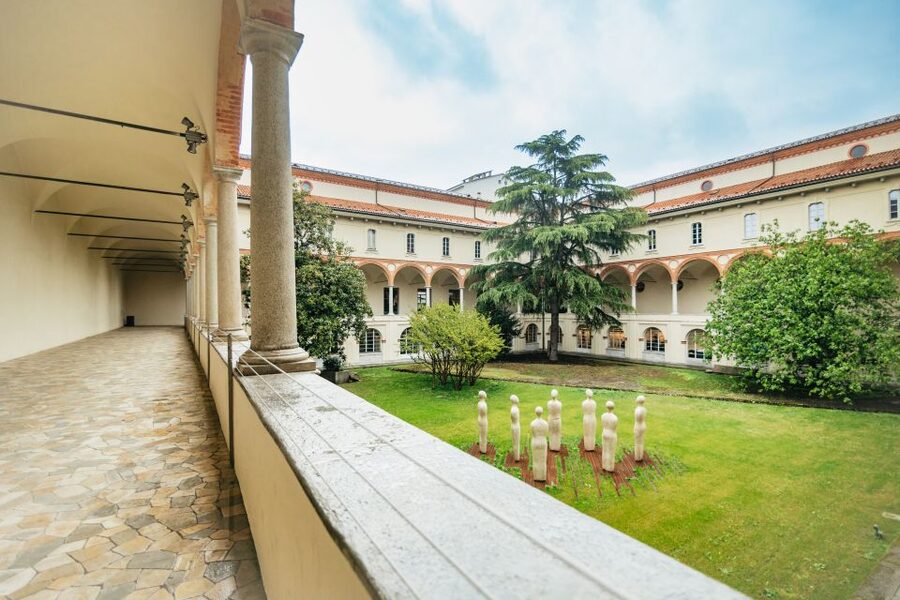
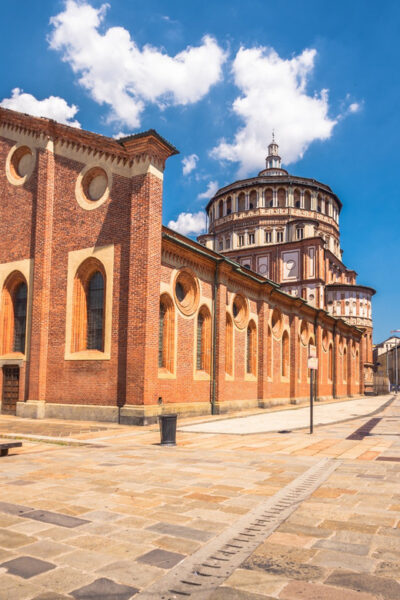
I love that this museum does not feel like a generic science center. You’re in a historic setting, in the cloisters of a Renaissance monastery, and that older architecture makes the technology feel even more human. The museum’s whole goal is to move you through past, present, and future, one room at a time.
Think of it as a “how ideas become machines” museum. Leonardo’s life and works are the anchor, but the rest expands outward into science, engineering, energy, and communication. If you like seeing how one invention connects to another, you’ll enjoy the flow.
You should also know the museum covers a lot of topics, so your best strategy is picking what you want first. The New Galleries matter, but trains and ships can steal your attention fast.
Getting In at Via San Vittore, 21 (and Exchanging Your Voucher)
You’ll enter at Via San Vittore, 21. Your voucher does not automatically become your entry ticket, so you need to exchange it at the ticket office to get your entrance ticket.
Your timed ticket works like this: you can enter at any moment within the time slot you booked. The museum also notes that once the internal ticket is over, you should show your ticket, so keep your confirmation and the entrance ticket handy on-site.
Two practical value points: the entry includes a 10% discount at the museum shop, and the museum is wheelchair accessible. Pets are not allowed, though assistance dogs are fine.
The New Galleries: 170 Leonardo da Vinci Models in One Big Story
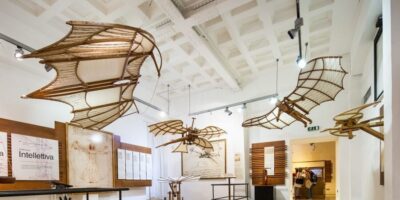
If I had to choose a single reason to plan your day around this museum, it would be the New Galleries. This is described as the largest permanent exhibition dedicated to Leonardo da Vinci, and it’s built to show the full sweep of his life and work: engineer, humanist, and sketching machine behind the curtain.
The New Galleries bring together around 170 historical models, along with artworks, ancient volumes, and immersive installations. What I like about this approach is that you don’t just see a drawing and guess what it could mean. You see a model that translates the sketch into form, scale, and function, which helps your brain connect art and engineering.
How to do it without getting overwhelmed: start with the Leonardo rooms while your energy is high, then let the rest of the museum turn into a reward. If you try to see everything at once, the reading load can fatigue you. Better to pick a few themes inside the Leonardo area, then continue.
A helpful tip from the general museum rhythm: this is a place where you can stop, read, and still feel like you’re moving forward. The exhibits are arranged so you can spend time in one zone and still find the rest later.
Steam Trains, a Racing Catamaran, and Other Machines You Can Actually Picture
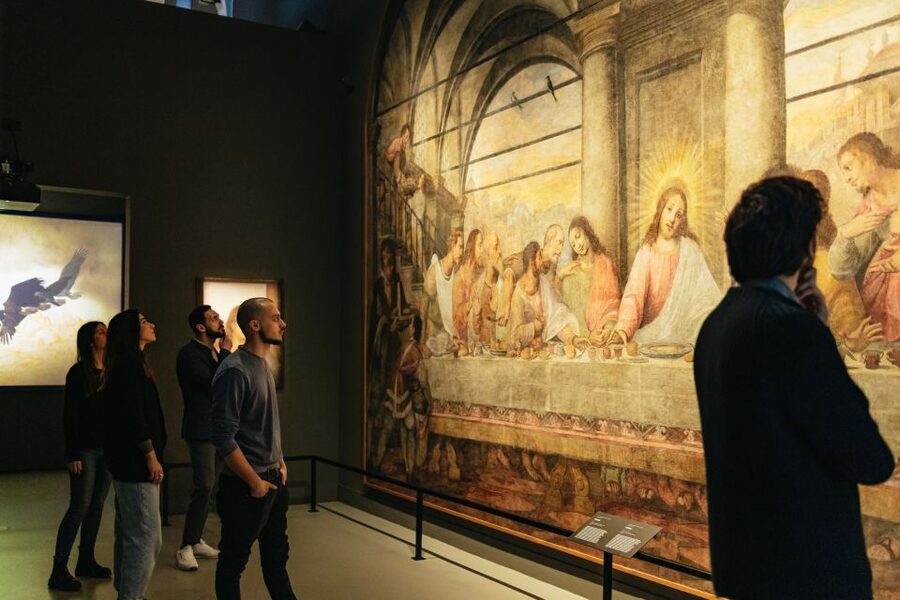
After Leonardo, the museum leans hard into transport and real engineering objects. One of the best parts is that the collection includes extraordinary items presented as technology, not just curiosities.
Here are some of the standout models and objects to look for:
- Steam trains, for the industrial leap from idea to infrastructure
- Luna Rossa AC72 catamaran, a modern example of design driven by performance and materials
- The brigantine schooner Ebe, which brings shipbuilding into focus
- Conte Biancamano transatlantic, linking engineering to global movement
- Other transport and naval themes that help you compare eras
What you’ll get from this section is context. Leonardo’s world is all about mechanisms, forces, and design constraints. When you then look at ships and high-performance racing craft, you can see how the same thinking evolves. If you’re the kind of person who likes to ask why something is shaped the way it is, this part will keep you busy.
Also, the museum structure helps. You are not walking through random single displays. The bigger galleries group related ideas, so you naturally compare concepts as you go.
The Space Area: Italy’s Only Moon Fragment and the Vega Launcher
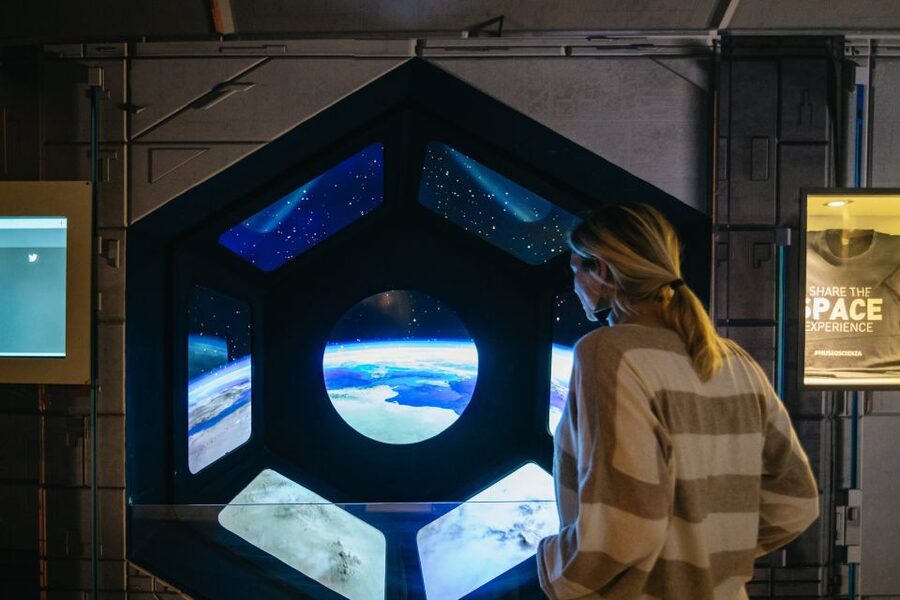
The space area is worth steering toward early, even if you think you’re not a “space person.” It includes the only moon fragment visible in Italy, and that alone gives the room a rare, physical weight. Seeing a moon fragment in a museum context makes the science feel less abstract.
You’ll also see the Vega space launcher. The museum pairs space hardware with the kind of interpretation that helps you understand what the technology is meant to do, not just what it looks like.
If you’re visiting with kids, this is also a good family stop. One review noted puzzles in the space area, so this is a place where attention often holds better than in a purely text-heavy wing. Even as an adult, I find that interactive elements like this break up the day nicely.
Enrico Toti Submarine and Outdoor Displays: Don’t Miss the One Practical Detail
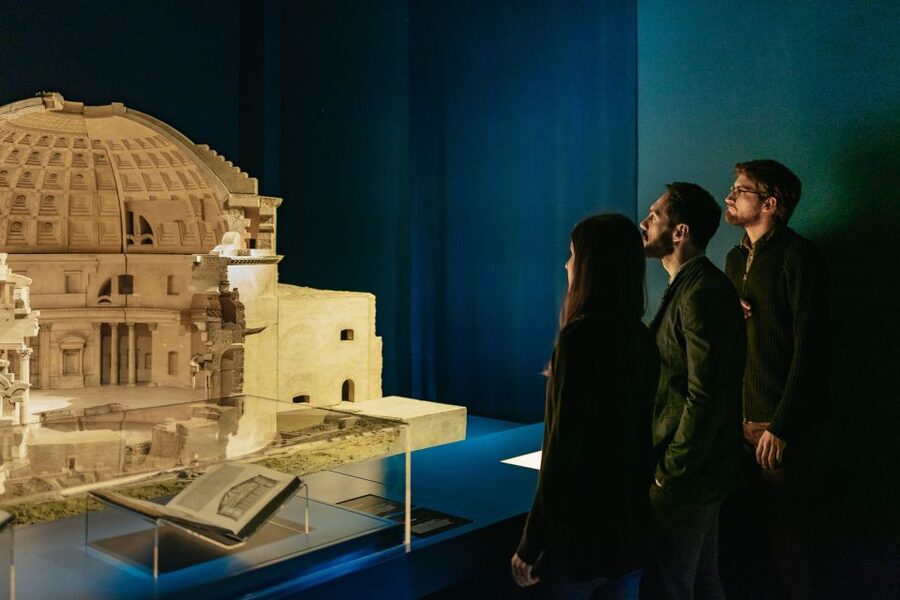
The museum highlights the Enrico Toti submarine, and the submarine is the sort of exhibit that people remember long after the visit. Still, there is one practical consideration that can trip you up.
Some information indicates the submarine is only visitable inside if you make a booking at the ticket office. If you care about that inside access, ask about it when you’re exchanging your voucher, not at the last minute.
Outdoor displays can also be affected by timing. One review noted that due to renovations, some models outside could not be seen. That means you should treat outdoor exhibits as a bonus, not a guarantee. If your must-see list includes the outside tech, build in enough time to handle “not available today” realities without stress.
Temporary Exhibitions on Energy, Materials, Communication, Transport, and Physics
This museum keeps a living rhythm through temporary shows and exhibits. The themes mentioned include energy, materials, communication, transport, and particle physics.
Here’s how I’d use this, so you don’t lose time searching randomly: look at what temporary exhibits are running that day, then decide what fits your interests. If you’re excited by communication tech, you’ll get more value by prioritizing that wing over something you can already cover deeply elsewhere.
Temporary exhibits can also act like “breathers” in your day. After long reading and model viewing, a different format or a different topic can reset your focus.
How Long You’ll Need, How to Navigate, and How to Not Rush
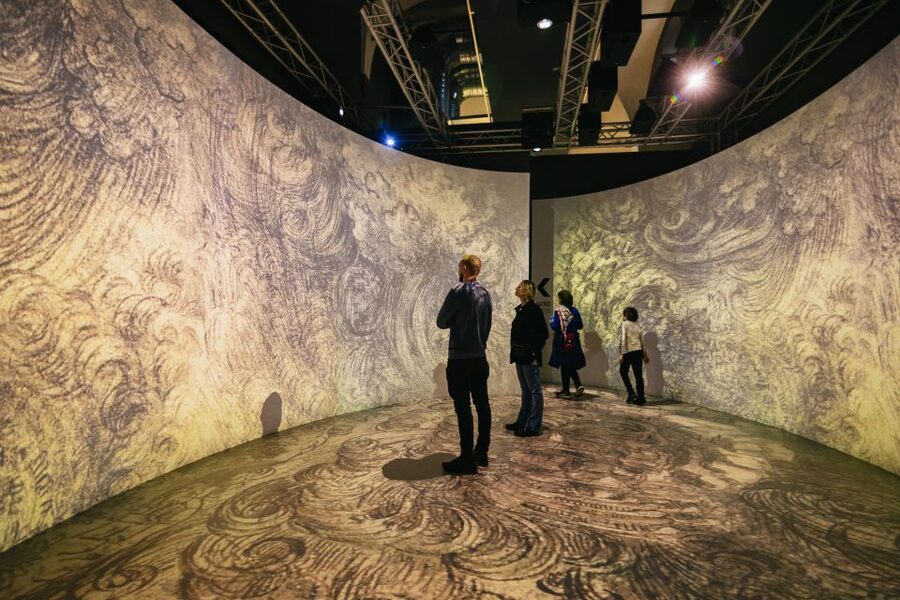
Plan for more time than you think. This museum is described as huge, with many topics running in parallel across different rooms. Multiple visitors reported spending hours, and some said they planned for less but ended up staying longer.
A realistic approach is to treat your visit like two passes:
- First pass: hit New Galleries, then go straight to the biggest attractions you care about (space area, transport section, and the submarine area).
- Second pass: circle back if you want deeper reading, or if you skipped something that looked interesting.
Navigation can feel a little confusing. One review specifically said the floor plan was not straightforward. So do this: when you enter, get your bearings right away, then commit to a route. Even a quick map check can save you from zigzagging through galleries.
Also, there’s a small comfort detail worth mentioning. One person wished there had been a cafe at the start for lunch. That doesn’t mean food is unavailable, but it’s a reminder to think about your pacing. Bring a plan for breaks so hunger does not kick you out of your own museum day.
Who This Museum Is Best For (and Who Might Feel Overwhelmed)
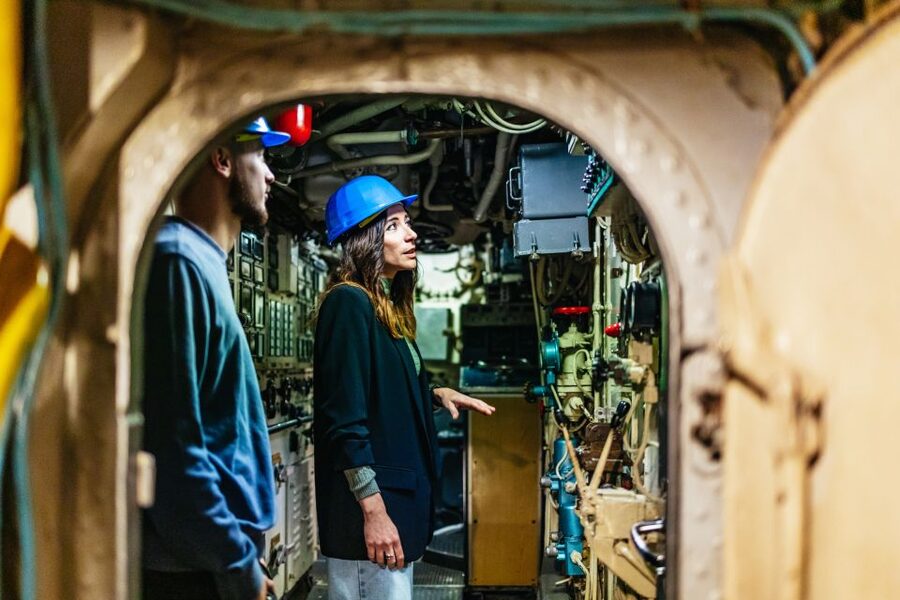
This is a strong fit if you love science and engineering, including people who are more interested in machines and systems than in art history alone. Leonardo fans will have a clear payoff because the New Galleries focus on his work as an engineer and humanist, with models that translate ideas into physical objects.
It also works well for families. The museum leans into interactive and fun elements, and at least one review pointed out that kids can enjoy it a lot.
On the other hand, if you only want a short, quick walk-through with minimal reading, you’ll likely feel like you’re skating on thin ice. The museum is designed for slow understanding. You can rush it, but you’ll miss the connections.
Pair It With Other Milan Da Vinci Plans Without Stress
If you’re building a Milan itinerary around Leonardo, this museum pairs well with the idea of seeing more than one Da Vinci connection in a single day. One review even suggested booking to go before or after the Last Supper because the two are near each other.
I’d treat this as flexibility advice, not a strict schedule rule. Museums take longer than your calendar thinks. If you line it up with another major sight, give yourself room for delays and for the museum to do what it does best, which is keep you looking.
Should You Book This Leonardo da Vinci Museum Ticket?
Yes, if you want a day in Milan that feels practical, curious, and hands-on without needing to be a scientist. The New Galleries are the anchor, and the space and transport sections give you variety so the day doesn’t turn into one long lecture.
Book this ticket if:
- You want a big museum for the price, with lots of major attractions included
- You’re excited to see models that connect Leonardo’s sketches to engineering reality
- You like mixing transport, ships, space, and submarine themes in one visit
Skip or adjust your expectations if:
- You only have a very tight schedule and can’t spare several hours
- You care specifically about inside submarine access and you don’t want to deal with ticket office booking for that
If you go in with a simple plan, New Galleries first, space second, and transport in between, you’ll feel like you got a full Milan day out of your museum visit.
More Museums in Museo Nazionale Scienza E Tecnologia Leonardo Da Vinci
- Vatican: Museums & Sistine Chapel Entrance Ticket
★ 4.5 · 144,003 reviews - Vatican Museums, Sistine Chapel & St Peter’s Basilica Guided Tour
★ 4.5 · 39,149 reviews - Florence: Skip-The-Line Uffizi Gallery Timed Entry Ticket
★ 4.5 · 27,832 reviews - Rome: Vatican Museums, Sistine Chapel & Basilica Tour
★ 4.3 · 13,872 reviews
More of Leonardo's Milan
- Milan: Da Vinci’s Last Supper Guided Tour
★ 4.7 · 10,143 reviews - Milan: Guided Walking Tour & Last Supper Visit with Ticket
★ 4.7 · 5,409 reviews - Milan’s Must See: Half-Day Tour of Last Supper, Duomo & La Scala
★ 4.0 · 4,193 reviews - Venice: Leonardo Da Vinci Museum Entrance Ticket
★ 4.5 · 3,560 reviews
Last Supper & Da Vinci Tours, compared.
Guided Walking Tour & Last Supper Visit with Ticket
Read our review →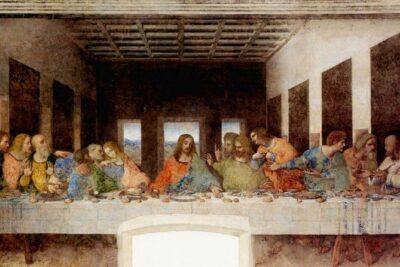
Milan’s Must See: Half-Day Tour of Last Supper, Duomo & La Scala
Read our review →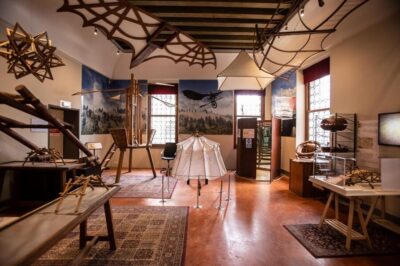

Milan Duomo & The Last Supper Skip-the-Line Small Group Tour
Read our review →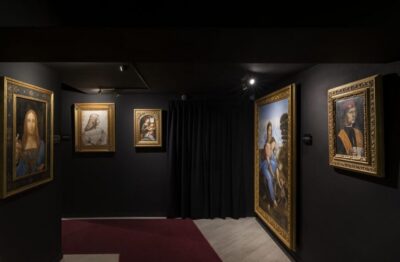
Browse the lists this tour appears in