
Reviewed · POMPEII TOURS
From Naples: Ruins of Pompeii
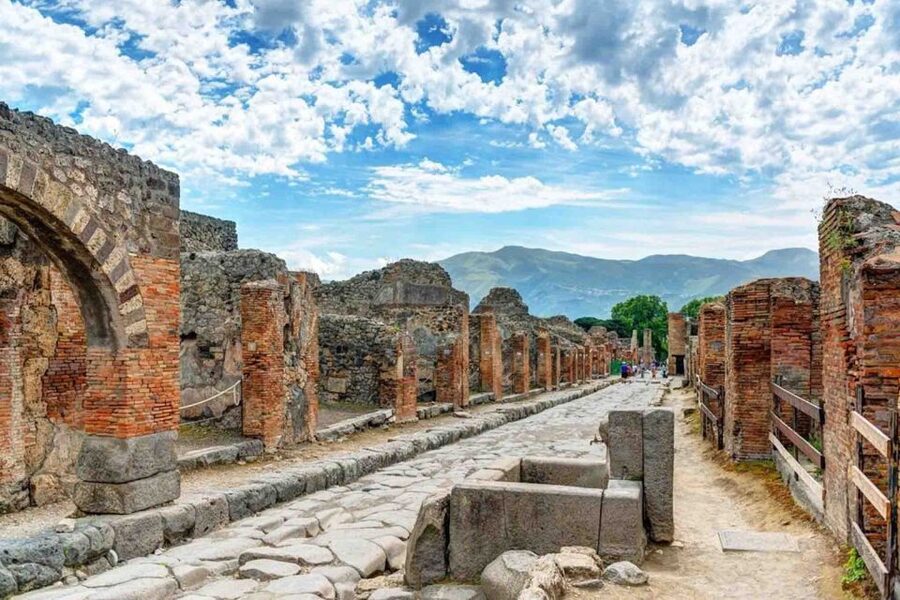
Pompeii is one of those places where the past feels close, not dusty. This half-day tour from Naples gets you into the ruins fast, then uses a guide to translate what you are seeing into everyday Roman life, from shopping to public buildings. You’ll visit the Pompeii archaeological site, preserved after Vesuvius buried the city in 79 A.D.
I especially like the 2-hour walking tour structure. It hits the big, meaningful stops without turning your day into an endurance test. I also love the focus on daily details, like the preserved bakeries and pizzerias, not just big monuments.
One consideration: Pompeii is a lot of walking on uneven stone paths, and this tour is not suitable for wheelchair users or people with mobility impairments. If you need step-free routes, plan something else.
Quick take: what’s most worth your time
- A tight 2-hour route through the parts of Pompeii most visitors want to see first
- Roman daily life, explained on the ground with real-world context
- Ancient theater time plus stops at major public spaces like the forum
- Food and commerce clues in preserved shops, bakeries, and pizzerias
- A visit to elite Pompeii living at the house tied to the city’s richest resident
- An optional cameo and coral stop at a local craft factory if timing allows
Naples to Pompeii: the part you will quietly thank yourself for
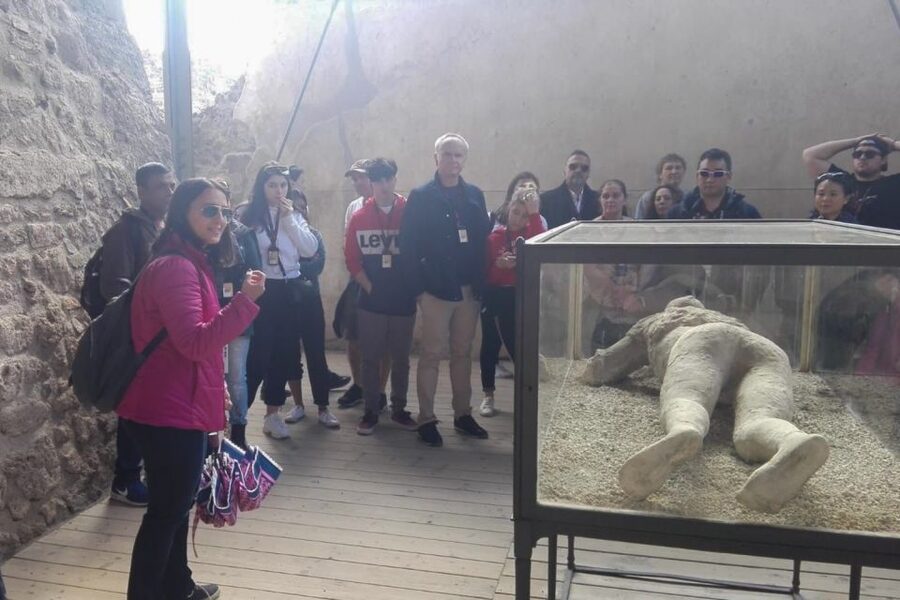
If you have ever tried to drive in Naples, you already know why this tour makes sense. You do not wrestle traffic or parking. You get round-trip transportation built in, plus multilingual commentary on board while you move toward Pompeii.
The trip is short enough that you will actually enjoy the day. Typically, it is about a 20-minute bus ride each way, then you get your time on foot at the site. Pickup happens from multiple Naples meeting points, including major hotels and waterfront areas. You should contact the operator after booking to confirm your exact pickup time and location.
Bring your patience, but also bring your plan. The driver will wait up to 5 minutes if you are late, so aim to be early, not just on time. If meeting up feels chaotic at the start, it is usually solved fast by using the guide team’s sign and staying close to the group.
More of Pompeii:
- From Naples: Pompeii Ruins & Mount Vesuvius Day Tour
★ 4.3 · 11,459 reviews - Naples or Sorrento: Full-Day Pompeii and Mount Vesuvius Tour
★ 4.6 · 4,235 reviews - Pompeii & Mt.Vesuvius Day Tour from Naples with Pizza Lunch
★ 4.0 · 2,901 reviews
Pompeii on foot: how the tour hits the right highlights in 2 hours
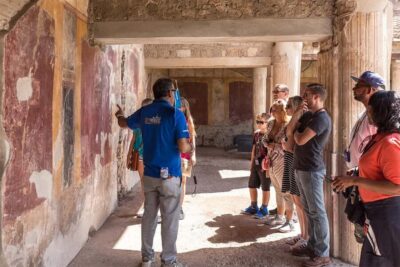
Once you step into Pompeii, it can feel like information overload. The site is huge, and it is easy to wander and miss the pieces that make it make sense. This tour helps you do the opposite. You follow a guided walk that connects the city’s layout to how people actually lived.
The on-site portion is about 2 hours of guided walking, which is a practical sweet spot for a first visit. You will not see every street and every house. Instead, you see the stops that give you the clearest snapshot: commerce, public life, entertainment, and class differences.
What the route really gives you
The guide does more than point. You get a running explanation of what you are looking at, like how shops and bakeries reflect daily routines, and how public buildings show civic life. That context matters because Pompeii is not just ruins, it is a city with rhythms.
The tour also keeps the flow moving. On hot days, you are more likely to enjoy the walk if you keep moving from shaded spot to shaded spot, and guides often manage that.
Ancient shopping street, bakeries, and pizzerias you can almost taste
One of my favorite parts of Pompeii is the street-level feel. Roman cities were built for walking and browsing, and Pompeii preserves that vibe better than almost anywhere else.
You will spend time along the shopping streets, where preserved shop fronts help you picture what daily trade looked like. The highlight here is the set of bakeries and pizzerias. These places make the 79 A.D. world feel less abstract. You can stand in the exact space where food-related work happened and understand why the city’s street life was so central.
A detail that makes this stop extra fun is how it connects food to routine. It is not a museum display. It is a working street in a city that, for a moment, continued as normal until the eruption.
If you get bored easily on guided tours, this is the section that tends to keep people engaged because it is concrete and human.
More from a Naples stay:
- From Naples: Sorrento, Positano and Amalfi Full-Day Tour
★ 4.6 · 10,988 reviews - From Naples: Sorrento, Positano & Amalfi Coast – Small Group Tour
★ 5.0 · 8,643 reviews - Naples: Catacombs of San Gennaro Entry Ticket & Guided Tour
★ 4.6 · 7,941 reviews - Naples: Downtown Tour with Veiled Christ & St Clare Tickets
★ 4.9 · 6,462 reviews
The Roman theater: entertainment, architecture, and social life
Pompeii’s theater is a key stop because it shows how Romans gathered for entertainment and public events. Even if you do not know Roman architecture, you can read the space. Seats, stages, and the way the structure was designed for viewing all tell you how the city functioned socially.
Walking through the theater area is one thing. Understanding what a theater meant in daily life is another, and that is where the guide earns their keep. In Roman terms, entertainment was tied to community and status. Watching a show was not only about art, it was about being part of the city.
This is also a helpful mental reset during the tour. After the shopping and street life, the theater gives you a different kind of Pompeii story.
Forum, necropolis, and bath houses: the city’s public pulse
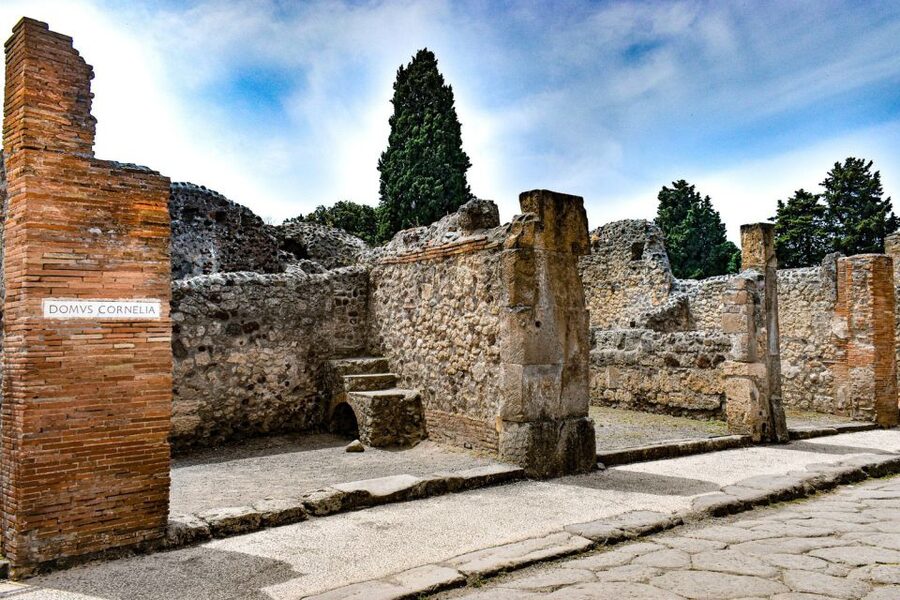
The tour also includes major public spaces that help you understand Pompeii as a functioning city, not a pile of stones.
The forum area
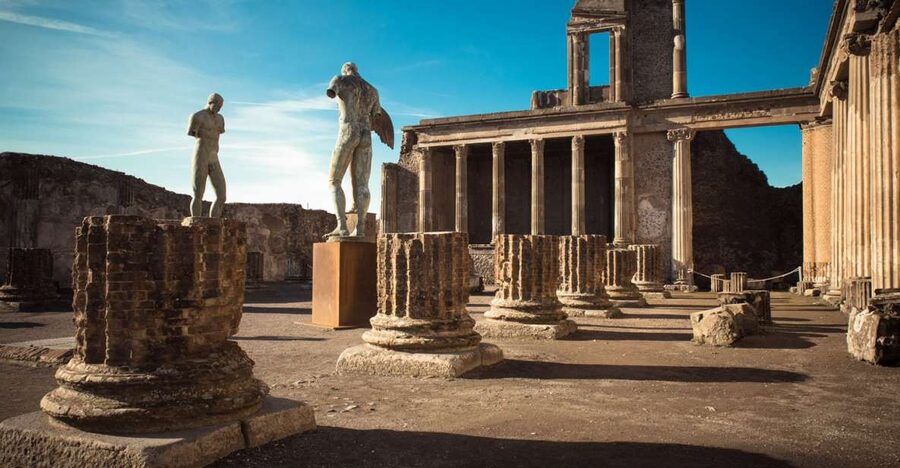
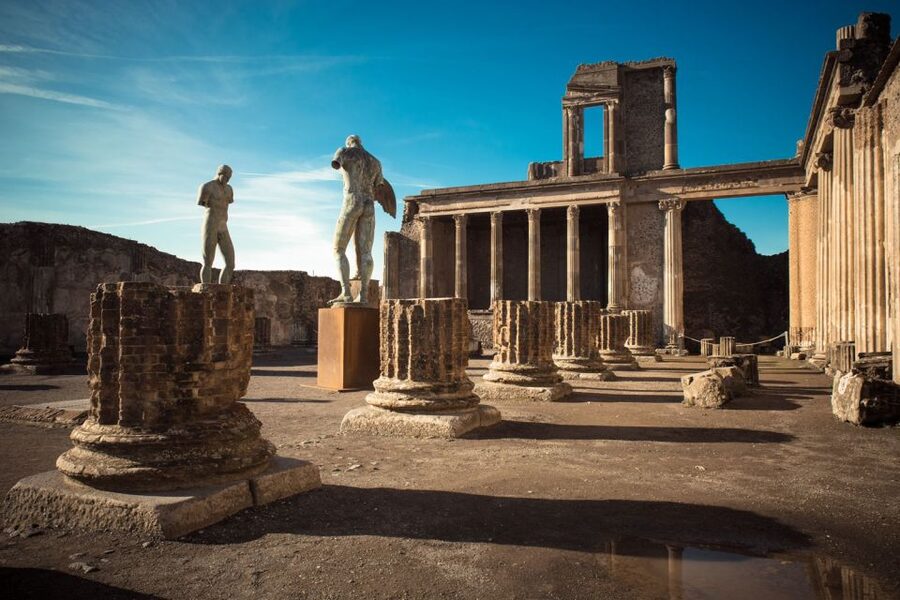
The forum is the civic heart. You will see the kinds of spaces where people gathered, discussed, and conducted public life. The guide helps you connect the forum’s location and design to the idea that Rome was built around public events and shared spaces.
The necropolis stop
You will also see the necropolis, which is the area for burials. This can hit emotionally, because it reminds you that Pompeii held ordinary people all the way through life and death. The tour keeps this respectful and factual, with explanations aimed at helping you interpret what the site shows.
Bath houses
And then there are the bath houses, a big clue about daily habits. Baths were social and routine, not just hygiene. Seeing preserved bath spaces helps you understand why public facilities mattered so much in a Roman city.
These stops are valuable because they cover the full spectrum: civic order, personal mortality, and daily community life. If your only plan is to photograph ruins, you will miss this part of why Pompeii hits hard.
The house of the richest man: what class looked like on these streets
Pompeii is famous for how much is preserved, but it is the contrast that makes it powerful. One moment you are near everyday shops. The next, you are looking at elite living spaces tied to the richest man in Pompeii.
This stop matters because it shows how different wealth looked in real architecture and real household design. It helps you connect the forum and public spaces to private life, so Pompeii feels like a complete system, not separate scenes.
Even if you do not remember every detail, you will likely remember the feeling of scale and arrangement. The guide’s explanation helps you read what you are seeing as markers of status, comfort, and access.
The cameo and coral factory stop: a craft you can actually take home
Depending on time, you may stop at a local factory focused on cameos and corals. These are jewelry pieces made from corals and seashells, and the visit is a nice change of pace from archaeology.
This part of the day can be short, but it gives you something practical: a sense of how Italian craftsmanship ties into materials that are visually connected to the sea. If you like buying a small, meaningful souvenir, this is the section where that works best.
If time is tight, do not be surprised if the stop is shorter or skipped. The Pompeii walk is the anchor.
Group size, guides, and why the human touch matters
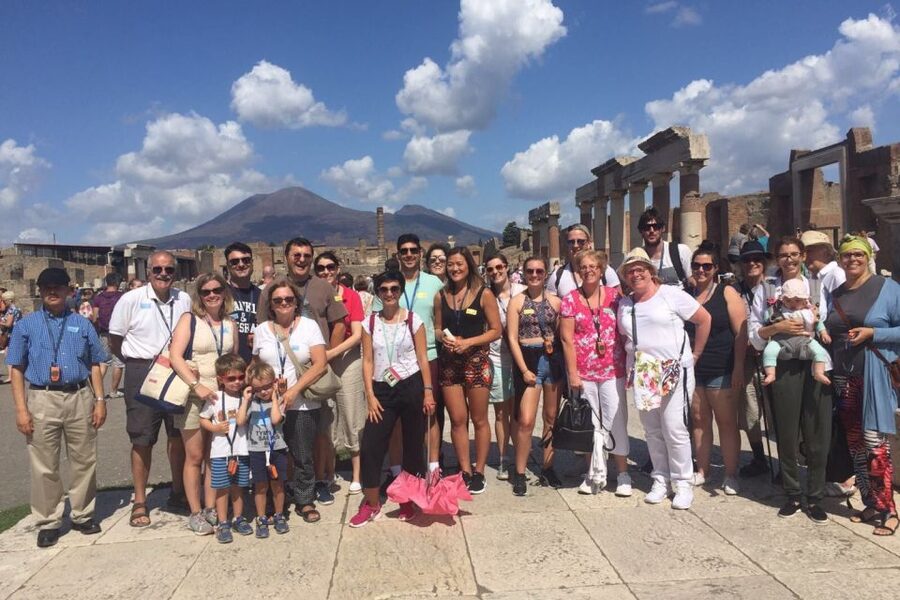
This tour can run with a small group, and the guide setup is flexible. You might get a live guide in English, Italian, or Spanish. In other cases, especially when fewer participants join, you may receive an audio guide instead.
What I like here is that Pompeii is not the kind of place where an audio track alone always works. You need a person to point out what you should notice. And the guide teams on this kind of tour often bring it to life with real explanations and smart pacing.
Based on named examples from the guide roster you may encounter, you could be paired with people like Salvatore (praised for keeping everyone safe and comfortable in heat), Fabio (described as an archaeologist), and guides named Maria or Anita. That mix of roles tends to create a tour where you hear both story and structure, which is the best combination for Pompeii.
Also, guides often manage the group actively. If you have ever worried about being left behind, this is where small-group formats help. People described being kept together and helped when crowds got thick.
Price and value: what you are really paying for at $59
At $59 per person, the value is mostly about reducing stress and buying time. You are paying for:
- Round-trip transportation from Naples
- Guided walking time inside Pompeii (about 2 hours)
- Multilingual support, which can include a live guide or audio guide
- The Pompeii entry ticket only if your option includes it
If you plan to do Pompeii on your own, you still need transport, entry logistics, and a way to make sense of what you see. This tour buys convenience and structure. It is not trying to be an all-day, academic program. It is built for a realistic half-day hit.
That makes it especially good for first-timers who want the essential Pompeii moments, plus enough context to remember what you saw.
What to bring and how to avoid the common pain points
Pompeii is outdoors and it is walking-heavy, so pack for comfort.
Bring:
- Comfortable shoes with good grip
- A sun hat
- Sunscreen
Also, plan your bag situation. Luggage or large bags are not allowed, so travel light. You do not want your day ruined by searching for storage options at the last minute.
If you are traveling with mobility needs, read the fine print: this tour is not suitable for wheelchair users or people with mobility impairments. Pompeii’s ground can be uneven, and the walking route is part of the experience.
One more practical tip: if you are worried about finding your pickup or guide at the start, it helps to arrive early and look for the team with names/signage. Several people have mentioned that the guide team makes the meetup straightforward once you spot them.
Is this the right Pompeii tour for you?
This tour from Naples works best if:
- You want a high-impact first look at Pompeii
- You prefer a guided route over trying to plan your own
- You like street-level details like bakeries, pizzerias, and shops
- You want a manageable day that still leaves time for Naples afterward
It may not be ideal if:
- You want to spend most of your day exploring every corner
- You cannot handle significant walking on uneven ground
- You want a strictly food-only itinerary or a deep dive into single neighborhoods
If you are the type who likes to understand what a place is showing you, the guide’s explanations make the ruins feel readable.
Should you book this Naples to Pompeii guided tour?
Yes, I think you should book it if you want Pompeii in a sane, structured half-day. For the money, you get transportation, entry support (depending on your option), and a focused walk that hits the forum, theater, necropolis, bath houses, and elite homes tied to the richest resident. The biggest win is the human context, especially around everyday Roman life and the preserved food and shop spaces.
I would skip or rethink it if mobility is an issue, or if you are hoping for a slow, unhurried self-paced exploration. For everyone else, this is a smart way to see the best of Pompeii without turning your trip into a logistics project.
FAQ
How long is the Pompeii tour from Naples?
The full experience runs about 3 to 4 hours, with roughly 2 hours spent on the Pompeii walking tour.
How long will I spend inside Pompeii?
You’ll have about 2 hours during the guided visit at the Pompeii Archaeological Site.
Is the Pompeii entry ticket included in the price?
A Pompeii entry ticket is included if you select the option that includes it. If you do not select that option, it may not be included.
What languages are available for the tour?
You can get a live tour guide in English, Italian, or Spanish. There is also an optional audio guide in French, Chinese, German, Japanese, Russian, and Portuguese.
Where are the pickup locations in Naples?
Pickup is available from selected meeting points across Naples, including multiple hotels and central locations. You should contact the provider after booking to confirm your exact pickup time and location.
Can I bring luggage or a large bag?
No. Luggage or large bags are not allowed on this tour.
FAQ
Is this tour suitable for wheelchair users?
No. This tour is not suitable for people with mobility impairments and wheelchair users.
How soon should I contact the provider to confirm my pickup time?
Pickup included, but you should contact the activity provider after booking to confirm the pick-up time and location.
What should I bring for the Pompeii visit?
Wear comfortable shoes and bring a sun hat and sunscreen.
What happens if I am late for pickup?
The driver will wait for you up to 5 minutes if you are late.
Does the tour include lunch?
Lunch is not included.
Do you have to pay the full amount upfront?
You can reserve now and pay later, meaning you do not pay anything today when you choose that option.
Reviewed lately around Naples
- Naples: National Archaeological Museum of Naples Guided Tour★ 4.8 · 498 reviews
- Naples Pasta Class: Fettuccine & Ravioli with Grandma’s Recipe★ 5.0 · 506 reviews
- Naples Walking Tour with Underground Roman Ruins Ticket★ 4.5 · 510 reviews
- Private Day tour of Positano, Amalfi and Ravello from Naples★ 5.0 · 522 reviews
- Naples: Street Art & History Tour in the Spanish Quarters★ 4.9 · 540 reviews
- Private Day Tour: Sorrento, Positano, Amalfi, Ravello from Naples★ 4.5 · 546 reviews
- Day Trip of Pompeii, Herculaneum and Vesuvius from Naples★ 4.5 · 547 reviews
- Day Trip of Pompeii, Sorrento and Positano from Naples/Salerno★ 5.0 · 560 reviews
Pompeii Tours, compared.
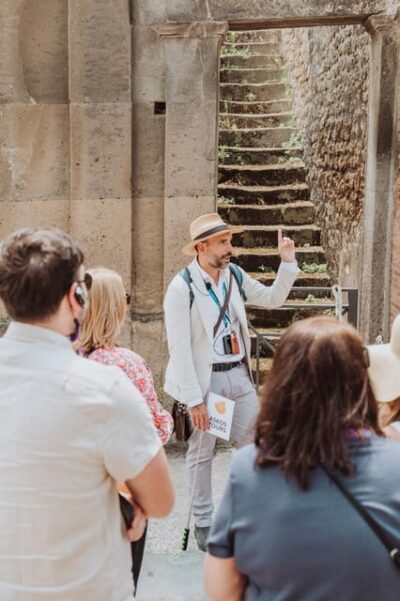
Pompeii: Entry Ticket and Guided Tour with an Archaeologist
Read our review →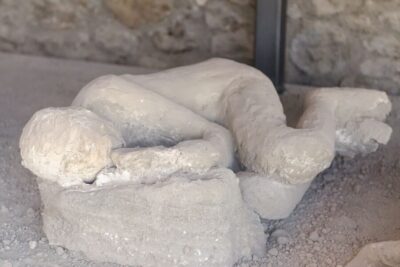
Pompeii: Entry Ticket with Optional Audio Guide
Read our review →


Pompeii Small Group Tour with an Archaeologist
Read our review →
Pompeii, Amalfi Coast and Positano Day Trip from Rome
Read our review →
Pompeii and Mount Vesuvius Day Trip from Rome with Pizza Lunch
Read our review →Browse the lists this tour appears in