
Reviewed · LAST SUPPER & DA VINCI TOURS
Milan: Pinacoteca Ambrosiana & da Vinci Codex Exhibition
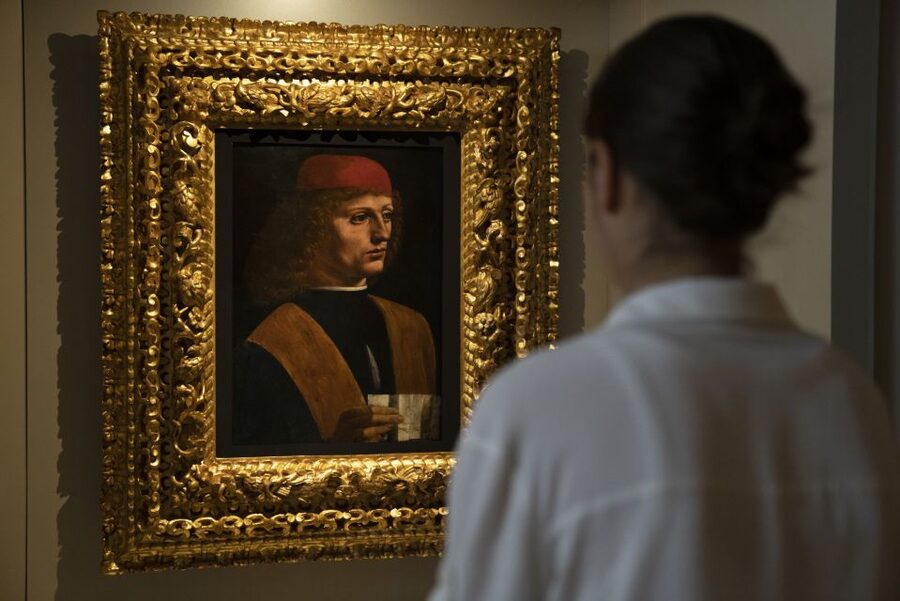
Milan’s Pinacoteca Ambrosiana is interesting because it mixes top Renaissance art with a library setting, and the star is the original Leonardo da Vinci drawings linked to the Codex Atlanticus. This is the kind of place where you start noticing ideas, not just finished masterpieces.
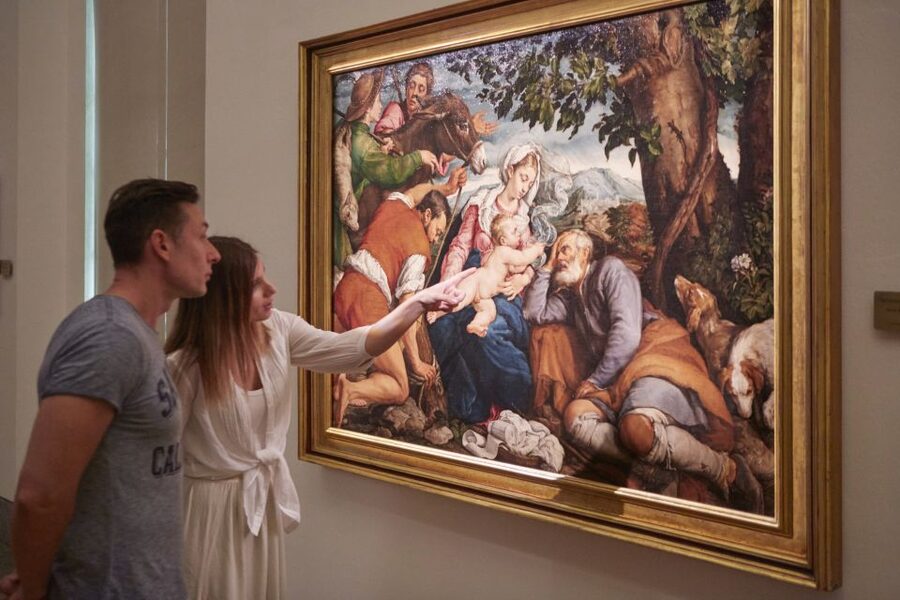
I love two things most: first, you get to study Leonardo’s original sketches rather than polished paintings, which makes his genius feel practical and human. Second, the museum doesn’t stop at da Vinci, you also see works by Botticelli, Raphael, Tiziano, and Caravaggio, including a famous Raphael cartoon connected to the School of Athens. One consideration: the museum experience is often dim, so some labels and text can be hard to read unless you pause under the lights.
Key things that make this visit worth planning
- Leonardo originals tied to the Codex Atlanticus, the real drawings, not reproductions
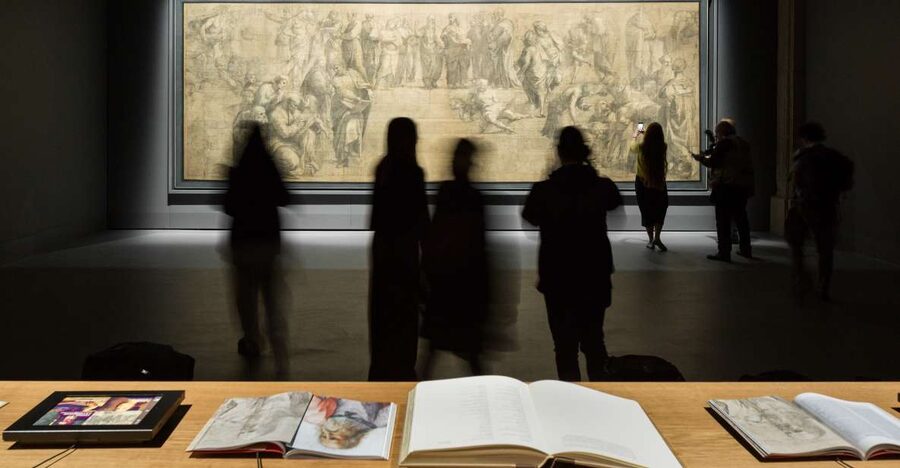
- Raphael’s School of Athens cartoon, a standout moment in the overall show
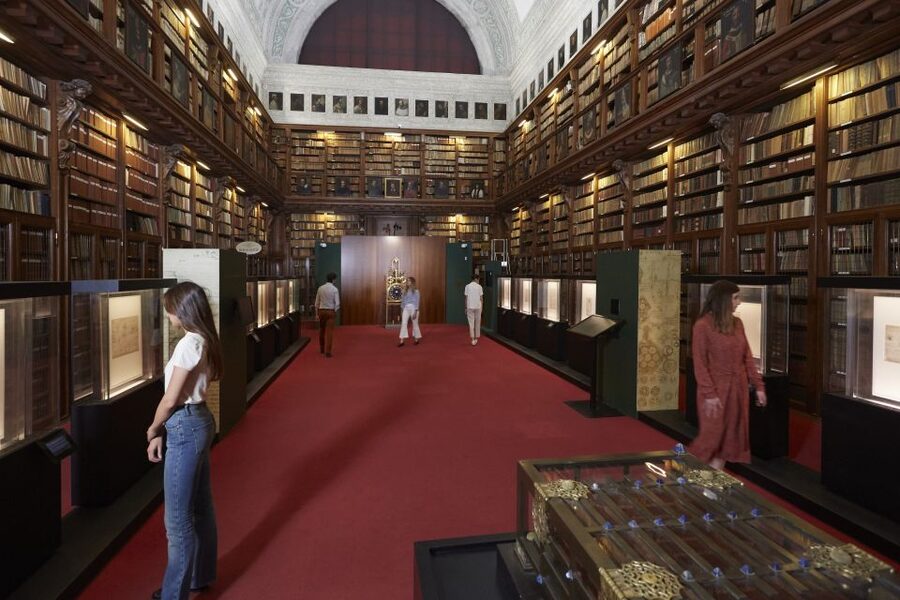
- Historic library rooms that change how you read art, you feel the documents and the thinking
- Audio guide options you can use during and after your visit (via the app)
- A manageable size, so you can see a lot without feeling rushed
- Lighting and label readability can be mixed, bring patience and take your time
Why the Ambrosiana library setting changes how you see Renaissance art
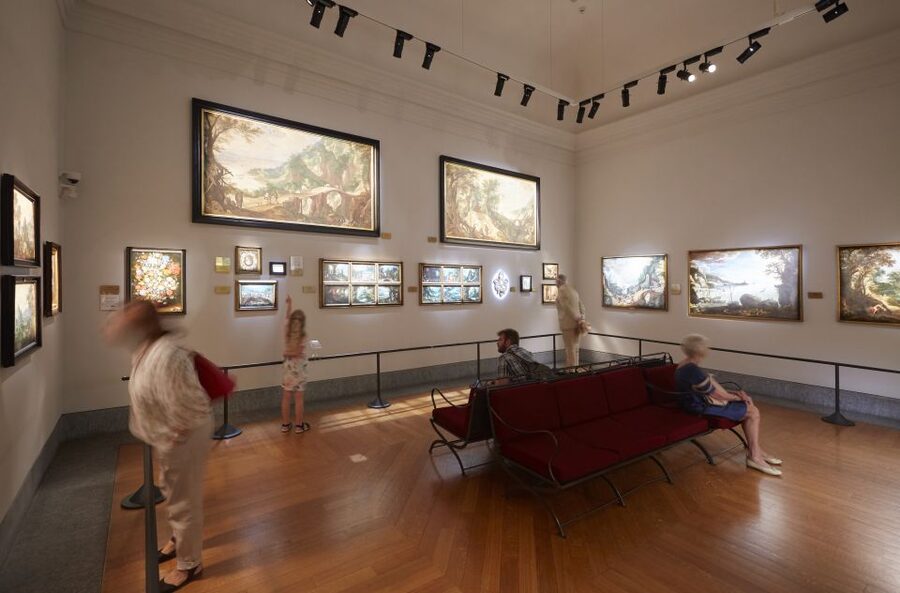
Most Milan museum days start with big halls and a quick sprint of paintings. Here, the setting is calmer and more cerebral. The Pinacoteca Ambrosiana sits inside a historic library, so you’re not just walking through galleries, you’re moving through rooms that were built for study. That matters when the main attraction is Leonardo’s drawings, because drawings are not meant to be treated like quick decoration.
I like how the museum uses the space to make you slow down. The displays encourage looking at details, then stepping back to connect them to bigger ideas. If you like art that explains its own process, this is the right kind of museum.
Another practical upside: the experience is focused. You can build a satisfying visit without needing a full day of wandering. Many people spend around a couple of hours, with enough time to read labels, sit down, and revisit the Leonardo area without feeling like you’re losing time.
The Leonardo Codex Atlanticus exhibition, what you will actually be looking at
The reason you’re here is simple: the Ambrosiana presents the world’s largest collection of original Leonardo da Vinci drawings associated with the Codex Atlanticus. That’s not a marketing line you can skim past. Seeing drawings in person changes your expectations. You start noticing that Leonardo wasn’t only painting final scenes, he was working through problems, testing shapes, and thinking in notes.
In the Codex Atlanticus display area, the experience is built around the idea of discovery. You’re meant to look at how Leonardo’s mind moves, how he represents observation, and how engineering and art thinking overlap. One of the best ways to enjoy this part is to treat it like a set of questions. Instead of asking, what masterpiece is this?, ask, what problem is he trying to solve here?
The museum also gives you context through its room approach, including time in the library areas connected to Federiciana. That helps you connect the drawings to the man and his era, so the art doesn’t feel isolated.
The Federiciana Room and the human side of the drawings
Beyond the drawings themselves, you have the chance to step into the Federiciana Room of the Ambrosiana Library. This is where the visit becomes more than just a viewing session. The Federiciana Room is designed to deepen your appreciation of Leonardo as a person shaped by his time.
This part matters because Leonardo’s drawings are full of intent, and intent can be hard to read if you only know the popular version of him as a genius who created iconic paintings. In a library setting, you’re reminded that he was also a researcher, an observer, and a thinker compiling knowledge.
If you’re the type who likes context, this is a key stop. Take a few minutes here even if you feel you already know the basics. You’ll likely come away with a better sense of what you are looking at in the drawing halls: not random sketches, but a long-running method.
Renaissance lineup: Botticelli, Raphael, Tiziano, and Caravaggio in one flow
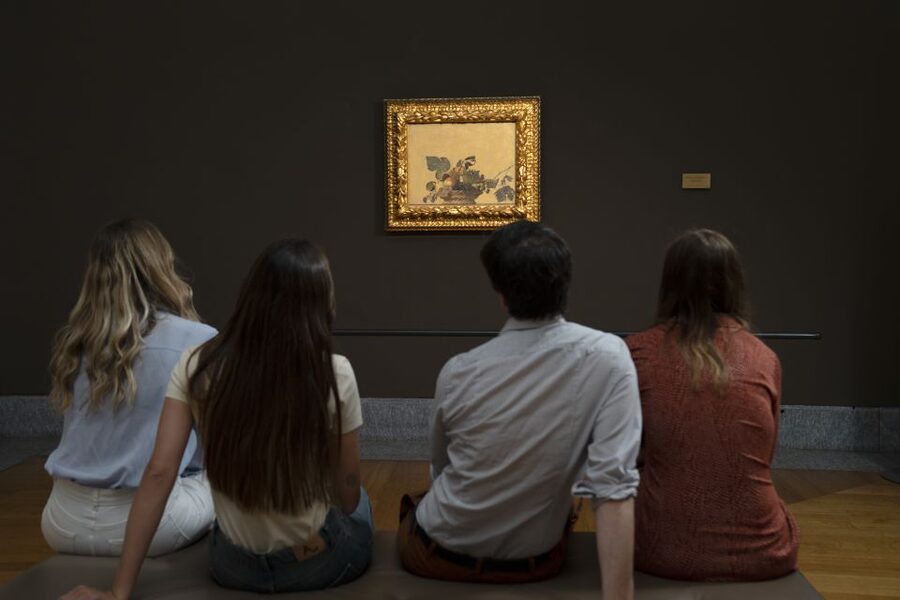
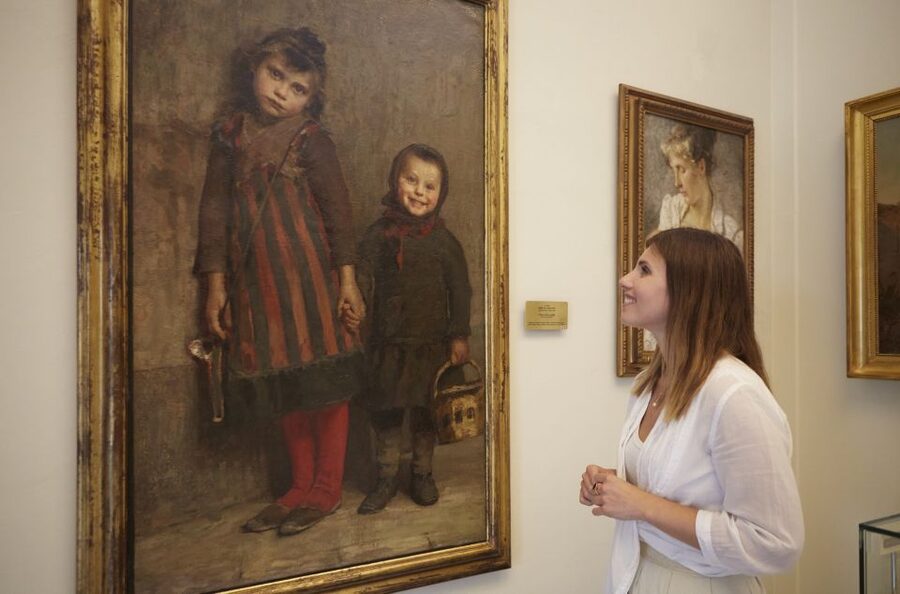
The Ambrosiana experience works because it lets you connect Leonardo to other Italian masters. You get a spread of styles and subjects, so your brain doesn’t get trapped in one mood.
Here’s how this lineup tends to land when you move through it:
- Botticelli adds a graceful, lyrical feeling that contrasts with Leonardo’s scientific curiosity.
- Raphael brings clarity and design, and the museum makes that connection extra satisfying with the famous Raphael cartoon linked to the School of Athens.
- Tiziano, or Tiziano, shifts you toward rich color and painterly power, so the visit doesn’t feel like it’s only about drawings.
- Caravaggio gives you the dramatic, shadow-heavy edge of Baroque theater lighting, which makes the Renaissance arc feel alive rather than static.
If you like stories that run across centuries, you’ll enjoy this structure. It’s not just a checklist of names. It’s a way to watch Italian art evolve through different ways of seeing the human world.
Raphael’s School of Athens cartoon, why it hits so hard
Raphael’s cartoon connected to the School of Athens is often described as a highlight. The emotional punch is partly visual, and partly instructional. You’ll also see explanations of the process used to transfer the cartoon to the wall, which turns the artwork into a lesson about collaboration, craft, and technique.
This is where the Ambrosiana shines for non-experts too. Even if you are not an art-history student, you can still appreciate process. You get to see how design becomes a final monumental work, not just the final image.
Audio guide strategy, how to make the most of the optional add-on
The ticket includes admission to the Ambrosiana collections and the Leonardo original drawings exhibition. The audio guide is not included, but it’s available in 6 languages for 4 EUR, either through GetYourGuide or at the ticket office.
I think this is one of those add-ons that actually changes the visit. Many people find the audio guide helps them connect what they are seeing to the why behind it, especially in the Leonardo galleries where drawings can look like line-work until you understand what you are being guided to notice.
You also have a practical advantage: the experience mentions downloading the app so you can listen to the content on your device, including after your visit. That means you can recover anything you missed while you were moving between rooms.
One small caution from real-world experience: audio guides can feel a bit clunky if you jump around a lot. If you want the best results, don’t treat it like a race. Pause, listen for a bit, then look again with fresh eyes.
Plan your timing for a one-day visit without rushing the best rooms
The experience is sold as a 1-day ticket, and you’ll choose a starting time based on availability. For a good visit, I suggest planning around 2 to 3 hours, especially if you want to spend real time at Leonardo and still enjoy the rest of the collections.
Here’s a simple pacing plan you can use:
- Start with Leonardo and focus first on the Codex Atlanticus drawings.
- Move into the library-linked rooms like the Federiciana Room for context.
- Then shift to the broader Renaissance highlights, including the Raphael School of Athens cartoon and the other major masters.
This order helps because Leonardo tends to reset your brain. After you’ve spent time with drawings and process, the paintings and cartoons feel like a continuation, not a separate experience.
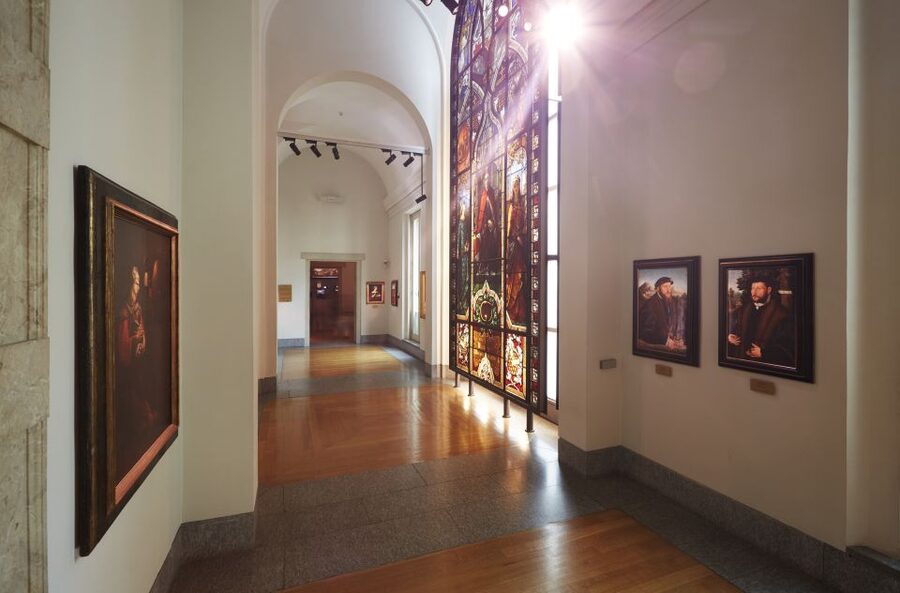
Also, take advantage of places to sit if you see them. The museum can be darker in parts, and sitting gives your eyes time to adjust. It turns the visit from a quick look into a calmer read.
Getting there at Piazza Pio XI 2, Milan, and finding the right rooms faster
The meeting point is at The Ambrosiana, Piazza Pio XI 2, Milan. Getting there is straightforward:
- Nearest metro stops are Cordusio or Duomo (Red Line), and Duomo (Yellow Line)
- Nearest tram stops are Orefici Cantù on lines 12, 14, 16, and Duomo on lines 2 and 3
Once you arrive, give yourself a few minutes to get oriented. The museum flow can feel simple, but in dim rooms, signage can be easier to miss. If you care about hitting the Leonardo exhibition first, it helps to confirm your route early instead of trying to sort it out while you’re already in the galleries.
If you’re going with a stroller or baby buggy, keep in mind that some parts of the museum might not be equally accessible, and it may be kept at the entrance. If this applies to you, I’d plan to travel lighter if possible, so you can see more rooms with less hassle.
Price and value: does a $21 ticket make sense here?
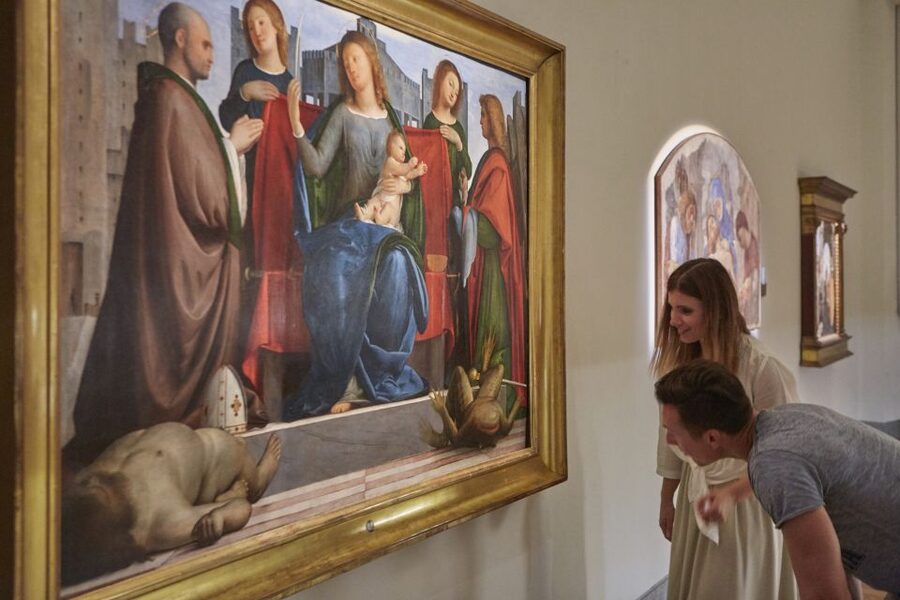
At about $21 per person, the ticket is reasonable for what you’re getting: admission to the Ambrosiana collections plus the Leonardo original drawings exhibition. Most Milan visitors spend a lot more for single-theme museum days. Here, you get two big ingredients in one place, Leonardo’s drawings and a broader collection of major Italian names.
The optional audio guide adds cost, but it can also turn the visit into something you actually understand. Since the museum can be dark in parts and the value of a drawing is often in the details you might not notice on your own, I consider the audio guide a smart purchase rather than a luxury.
If you love art, you’ll probably feel the value quickly. If you are unsure about art museums, this is still a good first pick because the star attraction is undeniably famous and the museum format helps you follow along.
Who should book this experience?
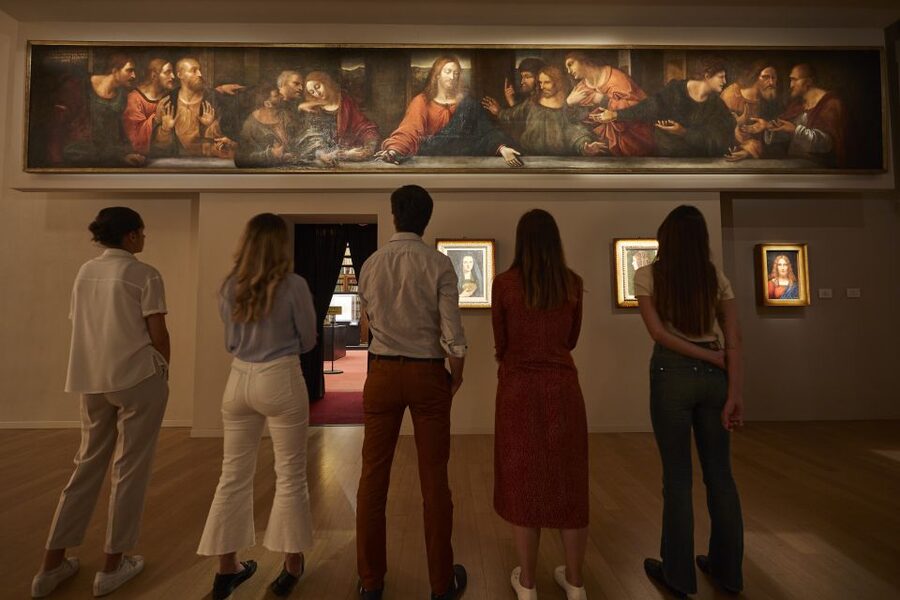
This is a strong fit if you:
- want Leonardo drawings in person, especially if you are curious about how artists think
- like Renaissance art but also enjoy seeing connections across different masters
- prefer smaller, manageable museum time over huge mega-museums
- enjoy audio content and like listening while you look
It’s less ideal if you:
- hate dim galleries and need bright, easy-to-read labels everywhere
- want a fully guided, live commentary experience (the audio guide is the core support here)
Should you book? My practical take
Book it if you want a focused Milan day with Leonardo originals at the center, plus a strong lineup that includes Raphael, Botticelli, Tiziano, and Caravaggio. The setting inside a historic library is not a gimmick. It makes sense for drawings and study.
Skip or reconsider if you know you struggle with low light and reading labels, or if you are expecting a guided tour with a person leading you room to room. If you do go, plan on time for Leonardo and consider the audio guide so the drawings turn into a story you can follow.
FAQ
What does the ticket price include?
Your ticket includes admission to the Ambrosiana collections and the Leonardo exhibition featuring original drawings connected to the Codex Atlanticus.
Is the audio guide included?
No. The audio guide is available separately in 6 languages for 4 EUR.
Where is the meeting point?
The meeting point is The Ambrosiana, Piazza Pio XI 2, Milan.
How can I get there using public transport?
The nearest metro stops are Cordusio or Duomo (Red Line) and Duomo (Yellow Line). The nearest tram stops are Orefici Cantù (lines 12, 14, 16) and Duomo (lines 2 and 3).
How long is the visit?
The experience is valid for 1 day, with starting times based on availability.
Can I download the audio to use after my visit?
Yes. You can download the app on your device, and you can listen to it even after the visit.
What are the cancellation and booking options?
You can cancel up to 24 hours in advance for a full refund. You can also reserve now and pay later to keep plans flexible.
More Museums in Pinacoteca Ambrosiana
- Vatican: Museums & Sistine Chapel Entrance Ticket
★ 4.5 · 144,003 reviews - Vatican Museums, Sistine Chapel & St Peter’s Basilica Guided Tour
★ 4.5 · 39,149 reviews - Florence: Skip-The-Line Uffizi Gallery Timed Entry Ticket
★ 4.5 · 27,832 reviews - Rome: Vatican Museums, Sistine Chapel & Basilica Tour
★ 4.3 · 13,872 reviews
More of Leonardo's Milan
- Milan: Da Vinci’s Last Supper Guided Tour
★ 4.7 · 10,143 reviews - Milan: Science and Technology Leonardo da Vinci Museum Entry
★ 4.5 · 7,169 reviews - Milan: Guided Walking Tour & Last Supper Visit with Ticket
★ 4.7 · 5,409 reviews - Milan’s Must See: Half-Day Tour of Last Supper, Duomo & La Scala
★ 4.0 · 4,193 reviews
Last Supper & Da Vinci Tours, compared.
Science and Technology Leonardo da Vinci Museum Entry
Read our review →
Guided Walking Tour & Last Supper Visit with Ticket
Read our review →
Milan’s Must See: Half-Day Tour of Last Supper, Duomo & La Scala
Read our review →
Milan Duomo & The Last Supper Skip-the-Line Small Group Tour
Read our review →Browse the lists this tour appears in