
Reviewed · CAGLIARI TOURS
Cagliari: Conti Vecchi Salt Flats Train and Tour
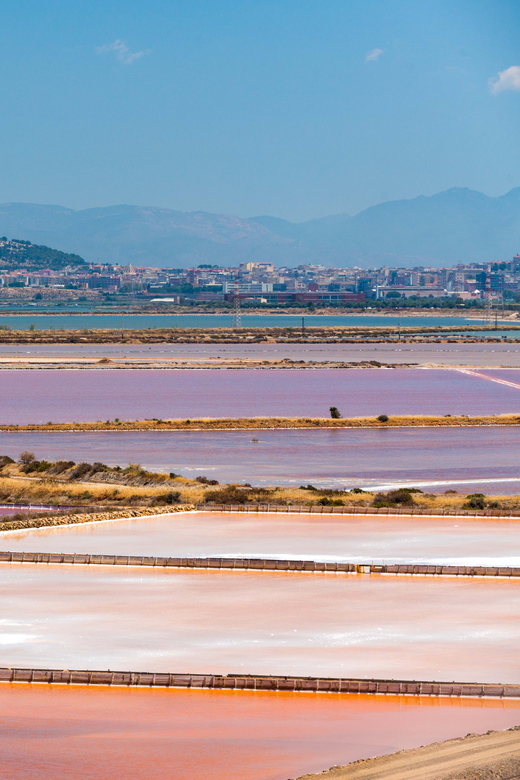
If you like travel days that feel a little off the usual route, this one hits the sweet spot. You get a close look at Sardinia’s salt industry in a working salt zone, then you ride through the Santa Gilla Basin wetland where pink flamingos show up against stark white salt.
What I liked most is the mix of formats. You start with museum stops, artifacts, and short videos, then you get a 1-hour train ride that makes the salt-making process feel tangible. The other big win is the setting itself, salt pans and wetland wildlife in one short outing.
The main consideration is practical, and it comes down to language and sound. The live guide speaks Italian, and the train ride is reported as loud and a bit physically jarring, so you may miss details if you are relying on spoken narration alone.
Key takeaways before you go
- Flamingos in a salt-basin setting, not just a faraway viewpoint
- Working salt plant + museum stops with artifacts, tools, and historic displays
- Luigi Conti Vecchi’s role in pushing regional development
- A 1-hour train ride inside the salt flats and naturalistic area
- Macchiareddu salt-mining village included as part of the salt-pan walk
- Short and structured total time at about 2 hours, so plan it as a focused activity
A Cagliari Saltworks Tour That Trades Coast Views for White Salt Mountains
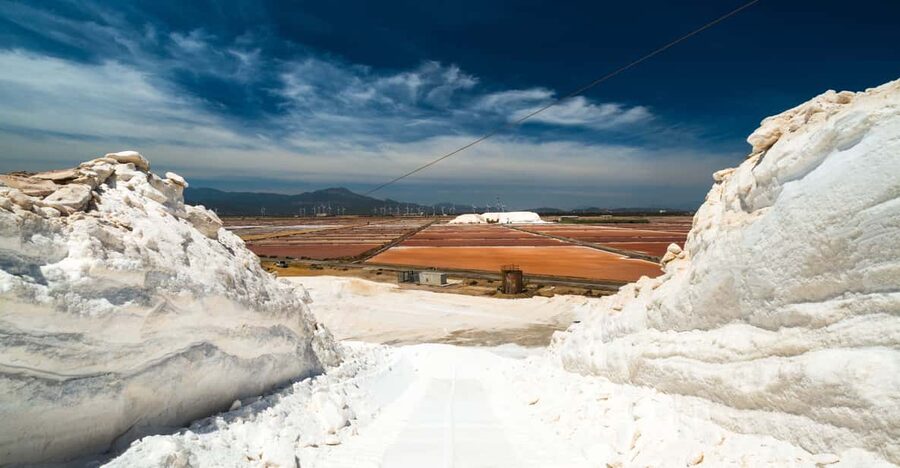
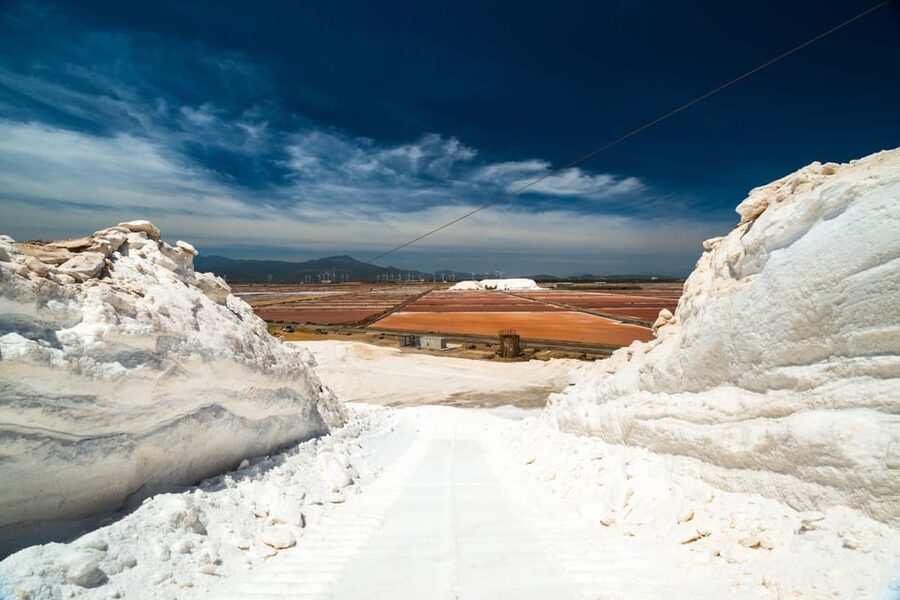
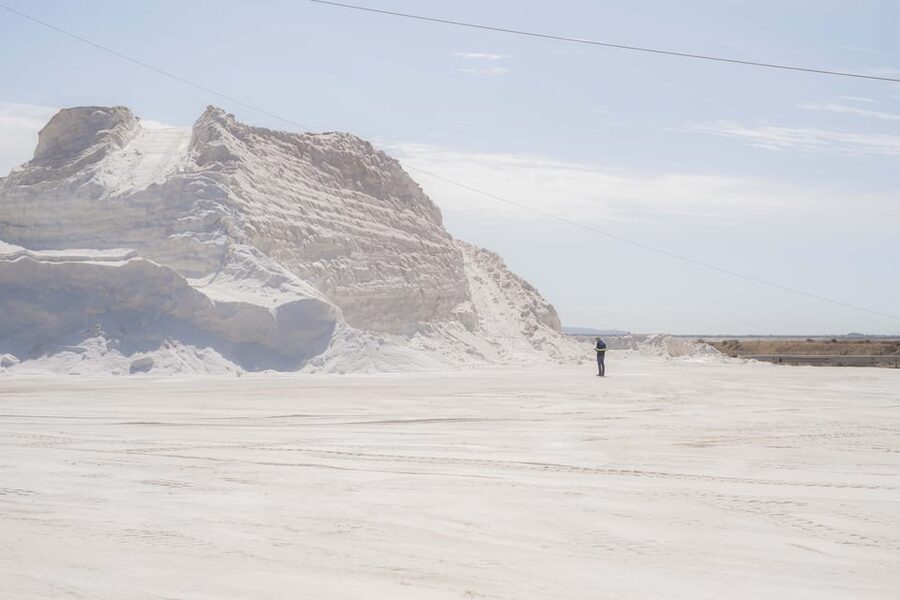
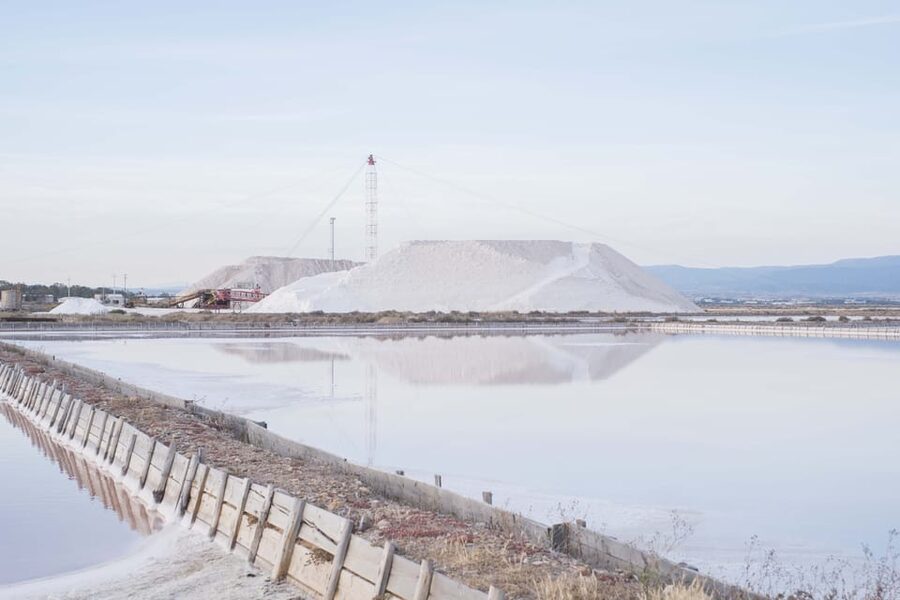
This is a smart choice if you are tired of tours that only show you what to photograph. Here, the drama is industrial and ecological at the same time. You get towering piles of salt, a working salt plant and museum, and then you shift to the Santa Gilla Basin wetland where the colors change and wildlife takes over.
I like how the tour explains why salt mattered, both for the people who worked it and for the wider economy of Cagliari. You will hear about Luigi Conti Vecchi and the way engineers helped drive development, which gives the whole place more meaning than a simple photo stop.
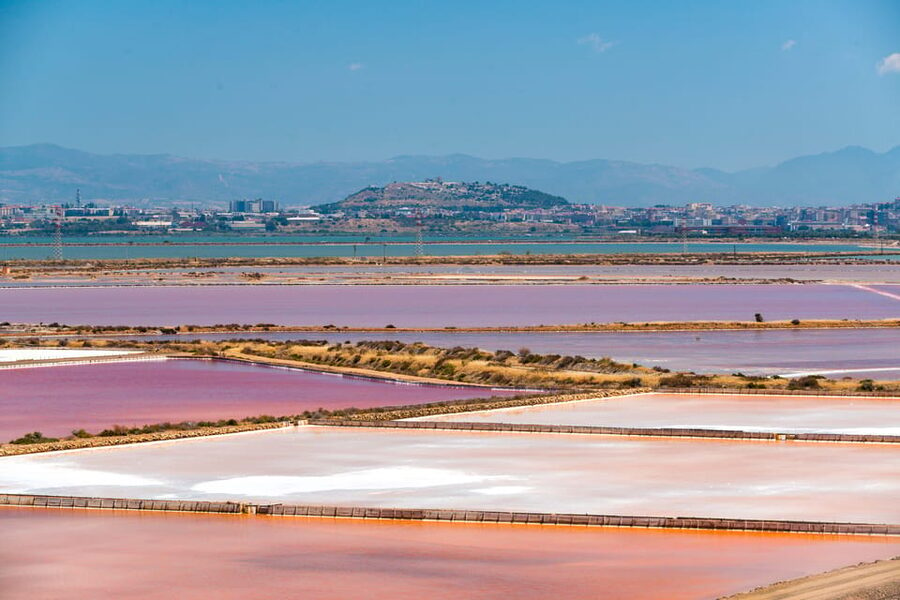
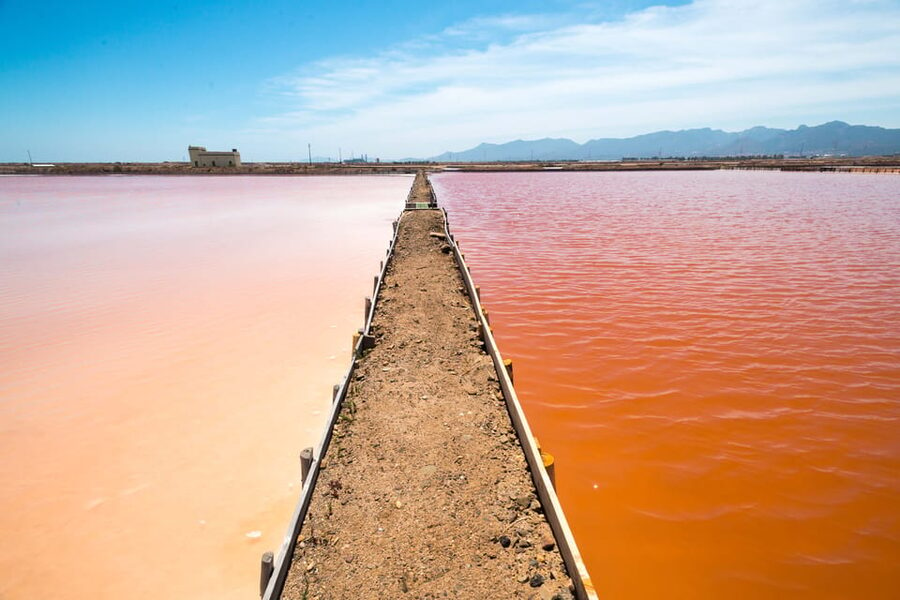
And yes, you should expect the flamingos. One of the most praised moments is seeing pink water and flamingos in their natural area, not in a zoo-style setup. If weather is rough, you might see fewer birds, but the salt-basin visuals still do the job.
More Cagliari bookings worth a look
- Bernina Red Train, Swiss Alps & St Moritz From Milan
★ 5.0 · 2,954 reviews - Swiss Alps Bernina Red Train and St.Moritz Tour from Milan
★ 4.5 · 2,369 reviews - Sorrento: Skip-the-Line Pompeii Express Tour by Train
★ 4.8 · 2,038 reviews
Where the Experience Starts in the Assemini and Macchiareddu Industrial Area
Logistics are simple, but they are not “city center simple.” The saltworks are in the industrial zone around Assemini / Macchiareddu. You enter the industrial area inside a parking lot where parking is free, then you leave your car there and walk to the bookshop at the main entrance.
This matters because timing is tight. The total tour time is about 2 hours, and you want to be at the main entrance ready to start rather than searching around an industrial area.
Also keep in mind that the tour is wheelchair accessible in key parts. The train is accessible, and the old building is wheelchair accessible on the first floor. If mobility is a concern, it is worth planning for a short walk from the parking to the bookshop.
Museum Stops That Explain Salt Like a System, Not a Legend
The tour begins at the Conti Vecchi salt plant and museum. You are not just looking at history behind glass. You are shown how the place functions, and then you get context through displays and videos.
Inside, you will find historical documents and tools tied to daily salt-worker life. You also see a vintage workshop and a restored chemical lab. That lab detail is especially useful, because it helps you understand salt as more than “a white substance,” it was a monitored process with real technical work behind it.
You also watch two videos as part of the visit. One documentary-style video is reported with English subtitles, which can help if your Italian is basic or if you just want to follow the story smoothly. Even when you do not catch every word, the visuals and the way the tour is structured make the main ideas easy to grasp.
The Self-Guided Salt Pan Walk: Artifacts, White Gold, and Macchiareddu
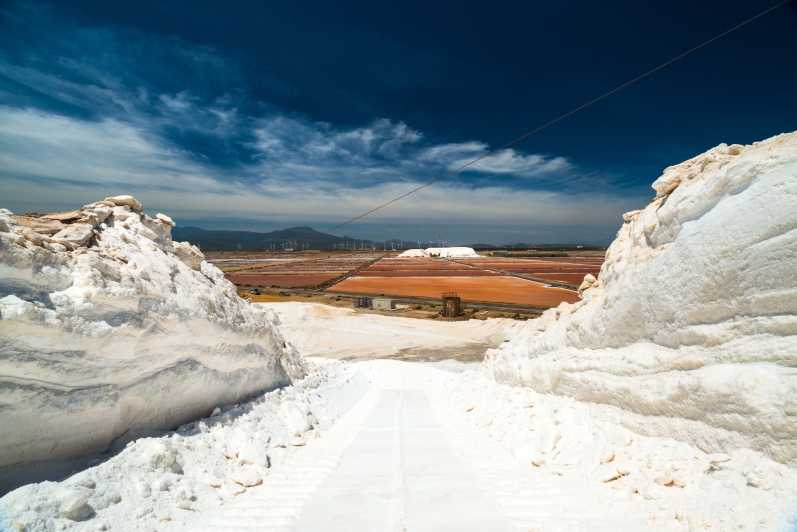
After the initial museum portion, you move into the saltworks area with a self-guided walking component. This is where you slow down and take in the “white gold” setting up close.
You will see salt pans and the industrial archaeology of the saltworks, along with old buildings. The tour includes exploration of historical artifacts such as documents and tools, and you learn what salt workers did as part of their everyday routine. It is the practical side of history, the jobs, the process, and the living conditions, not just dates and names.
A key feature in this phase is the included stop related to Macchiareddu, a historic salt-mining village. It is a strong way to understand that salt production was a whole community project, with workers and local development tied directly to the industry.
If you care about photography, this is also a good moment. The salt surfaces can create a dramatic contrast, especially when the wet areas tint the water and the lighting hits the pans.
More from a Cagliari stay:
- Cagliari: Underground Cagliari Walking Tour
★ 4.7 · 2,329 reviews - Cagliari: Devil’s Saddle Boat Tour with Spritz and Chips
★ 4.9 · 1,193 reviews - Cagliari: Boat Tour with 4 Swim Stops, Snorkeling & Prosecco
★ 4.9 · 865 reviews - Cagliari: Walking Tour of the Old City
★ 4.8 · 560 reviews
Luigi Conti Vecchi and Why His Name Still Matters Here
One reason this tour feels different from other “salt tours” is that it does not treat the site like an isolated curiosity. It connects the saltworks to the region’s development through the story of Luigi Conti Vecchi.
You learn how engineers like him helped shape the area’s growth, which explains why the salt industry mattered beyond the perimeter of the salt pans. When you connect the dots this way, the whole complex makes more sense. It stops being a weird industrial detour and becomes a chapter in Sardinia’s economic story.
I also appreciate that the tour keeps returning to the human scale. Salt workers are part of the narrative, not just a background detail. That is one of the reasons the experience earns so many high marks, because it gives you a reason to care about what you are seeing.
In one standout case, a guide named Elena is praised for being enthusiastic and clear, which is exactly the kind of delivery that turns a technical setting into something you can actually enjoy.
Santa Gilla Basin by Train: Flamingos, Wetland Air, and Salt Work Up Close
The big transportation moment is the train ride. You board a train and ride for about 1 hour inside the salt flats and the naturalistic area of the Santa Gilla Basin, Sardinia’s most important wetland.
This is the portion that often gets people hooked because it is visual and close-up. You get to see how the salt process plays out in the real environment, and you also get the chance to spot birds, particularly pink flamingos.
There is a practical trade-off. The train is described as loud and shaking, which can make spoken explanation hard to follow. If you are sensitive to noise or motion, you might want to bring something to help you focus, like a quiet attitude and willingness to read the visuals rather than chase every spoken detail.
Also, the ability to see flamingos can change with the day. One reported situation included a thunderstorm, and flamingo spotting suffered simply because conditions made it harder to enjoy the outside view. No one controls weather, so consider this a “see what you can” moment, not a guaranteed bird show.
Still, the overall payoff is strong, because you leave the train ride with that rare feeling of having watched a working process while also experiencing a living wetland.
Timing, Photos, and What to Do if the Train Sound Is Too Much
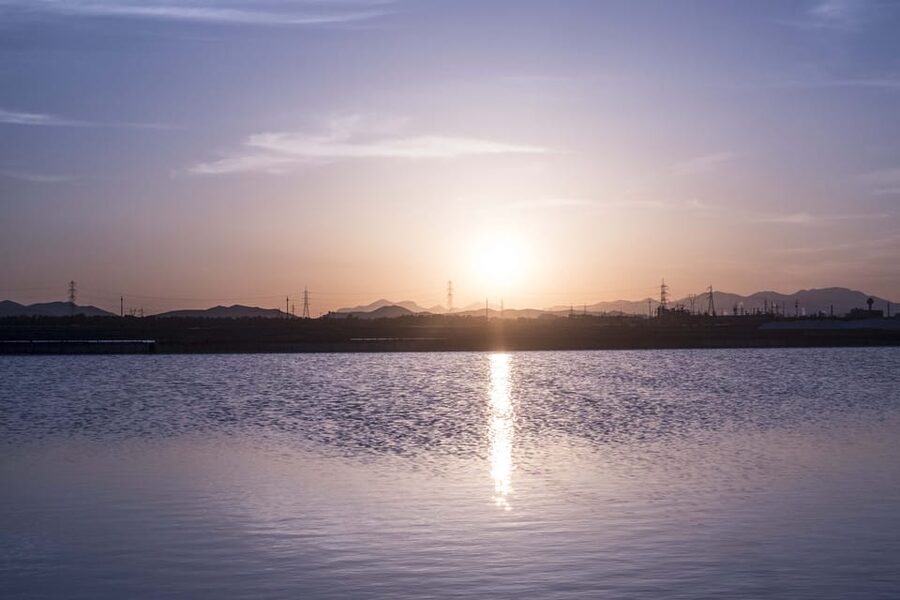
Plan for this to be a packed 2 hours. You will go from museum and videos to historical spaces, then onto the walking component, and finally the train ride through the basin. The pacing is tight by design, and that is part of the value.
For photos, the best strategy is to treat it as two different photo worlds. In the saltworks and village area, aim for wide shots that show the white salt and human-built structures. On the train, you want quick frames that catch the colored water and the birds when they appear.
If you do not speak Italian, you can still get a lot out of the experience. The tour uses videos and a guided structure, so you can lean on the visuals and the museum displays. One review specifically noted that having information beforehand helped, which is a great tip you can borrow: skim the Luigi Conti Vecchi angle before you go so the story has something to grab onto.
And if you find yourself stuck on the train with audio you cannot quite catch, do not panic. Watch the salt process cues and focus on where the guide is drawing attention visually. That way you still get the core of the experience.
Price and Value for a 2-Hour Working Salt and Wetland Combo
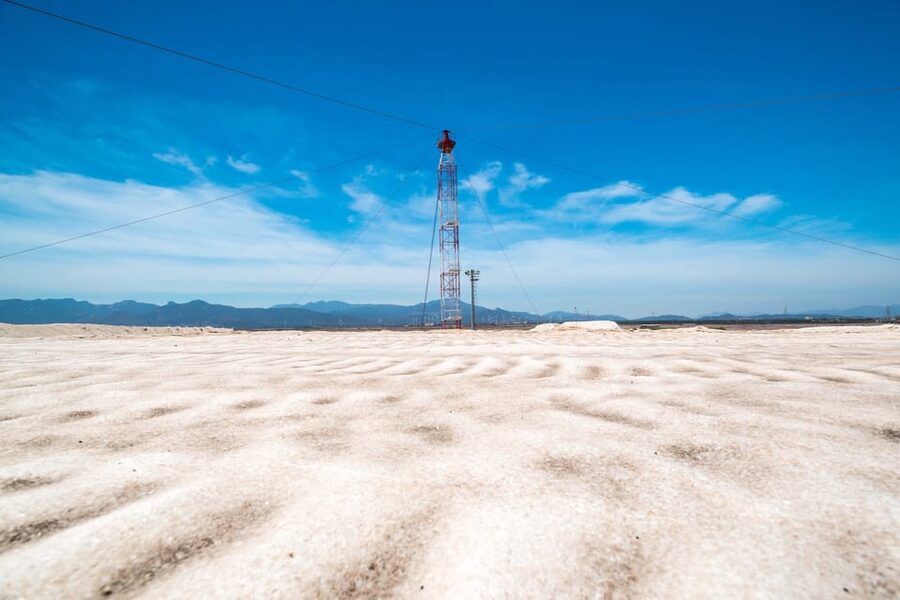
At $14 per person for about 2 hours, this is strong value if you like experiences that include more than one mode of seeing. You get a guided element, entry to the salt flats area, museum time with documents and tools, two videos, and a 1-hour train ride inside the salt flats and naturalistic zone.
What makes it feel worth the money is the access. A train ride inside the working environment plus wildlife viewing in the Santa Gilla Basin is not something you usually piece together on your own in a short time.
Also, because the experience is tied to a specific place and specific industrial history, it does not feel generic. You are not just buying a ticket to a viewpoint, you are stepping into a system.
Who Should Book This Salt Flats Train and Tour?
This is a great fit if you enjoy hands-on learning and you like history that connects to real work. If you are the kind of person who reads about food, fishing, mining, or engineering and wants to see the setup, you will probably have a good time.
It is also a good match for photographers who want something different from the usual coastal scenes. The contrast of salt whites, wet pink water areas, and flamingos creates visuals that are hard to replicate elsewhere in Sardinia.
If you strongly prefer tours in English, this is the one area to think about. The live guide speaks Italian. You might still enjoy it thanks to the museum materials and videos, including a documentary reported with English subtitles, but your satisfaction may depend on how much you enjoy following along without full narration.
Should You Book This Conti Vecchi Salt Flats Train and Tour?
I would book it if you want a compact, high-impact outing that mixes industrial archaeology, a working plant vibe, and wildlife in the Santa Gilla Basin. The combination of museum artifacts, salt-worker stories, and a train ride close to the process is the main reason it earns so many top scores.
I would hesitate only if you know you need English narration throughout or if you are very uncomfortable with loud, shaking transport. If either of those is you, consider whether you are okay getting the main story through videos, exhibits, and what you can see outside.
FAQ
How long is the Conti Vecchi Salt Flats Train and Tour?
The total duration is about 2 hours, including the museum and walking components plus a 1-hour train ride inside the salt flats and naturalistic area.
Where do I meet for the tour?
The saltworks are in the industrial area of Cagliari called Assemini / Macchiareddu. You enter the industrial area in a free parking lot, leave your car there, and walk to the bookshop at the main entrance.
What language is the live guide?
The live tour guide delivers the experience in Italian.
What is included in the ticket price?
The included items are a guide, entry ticket to the Conti Vecchi Salt Flats, visits to old buildings and two videos, and a 1-hour train ride inside the salt flats and naturalistic area.
What is not included?
Hotel pickup and drop-off are not included.
Is the train ride wheelchair accessible?
Yes, the train is wheelchair accessible. The old building is wheelchair accessible on the first floor.
Is free cancellation available?
Yes, you can cancel up to 24 hours in advance for a full refund.
Reviewed lately around Cagliari
- Cagliari: Devil’s saddle boat tour, 4 stops and prosecco★ 4.8 · 246 reviews
- Cagliari:devil’s saddle big cruise by boat drink & snack★ 4.9 · 453 reviews
- Cagliari: Old Town Guided E-Bike Tour★ 4.9 · 189 reviews
- Cagliari: Underground Cagliari Walking Tour★ 4.7 · 2,329 reviews
- Cagliari: Walking Tour of the Old City★ 4.8 · 560 reviews
- Cagliari: Zodiac Boat Tour, 3-4 SwimStops, Wine & Snorkeling★ 4.9 · 500 reviews
- Cagliari: Luxury Motorboat Tour with 3 Swim Stops & Wine★ 4.9 · 395 reviews
- Cagliari: Boat Tour, 4 Stops, Swim, Snorkeling, & 1 Spritz★ 4.8 · 539 reviews
Cagliari Tours, compared.
Devil’s Saddle Boat Tour with Spritz and Chips
Read our review →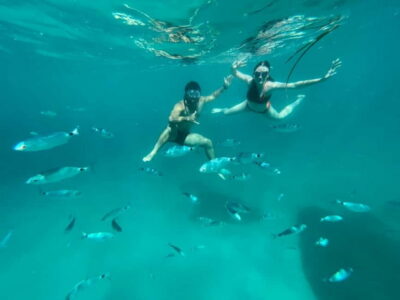
Boat Tour with 4 Swim Stops, Snorkeling & Prosecco
Read our review →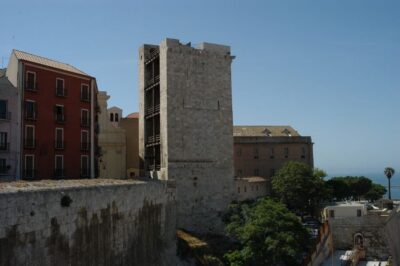
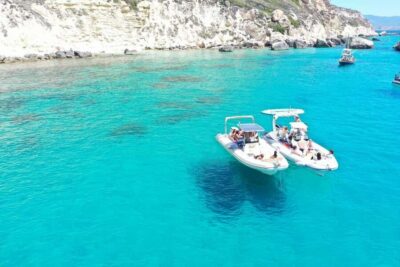
Boat Tour, 4 Stops, Swim, Snorkeling, & 1 Spritz
Read our review →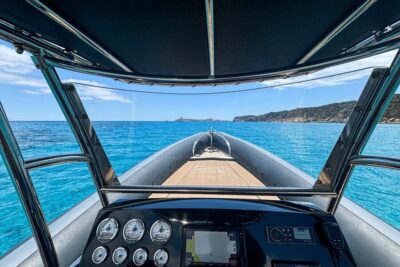
Zodiac Boat Tour, 3-4 SwimStops, Wine & Snorkeling
Read our review →
devil’s saddle big cruise by boat drink & snack
Read our review →
Browse the lists this tour appears in