
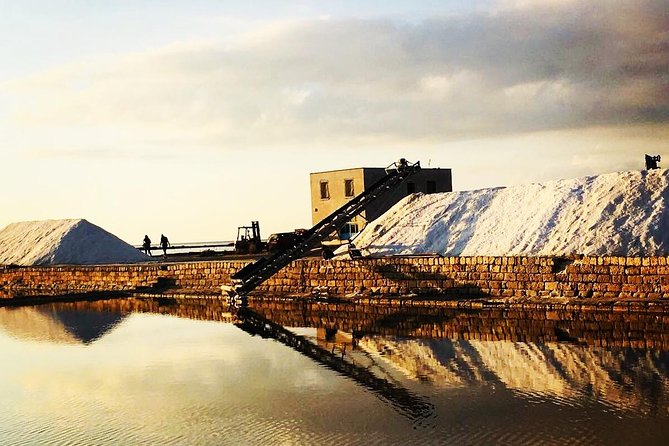
Reviewed · SICILY TOURS
SALT TOUR-all inclusive: salt tour: Trapani, Paceco, Nubia
Sicily has plenty of pretty beaches, but this experience goes after the real local obsession: salt. You’ll tour the saline nature areas around Trapani and Paceco, walking through salt pans and learning how generations of salt workers turned sea water into something you can actually taste.
Two things I especially like are the hands-on salt tasting (including salt flower) and the fact that it’s run as a small, guide-led excursion. One consideration: the tour is weather-dependent, and if conditions are off you may lose some of the special mood people come for, especially around sunset.
Key highlights to know before you go
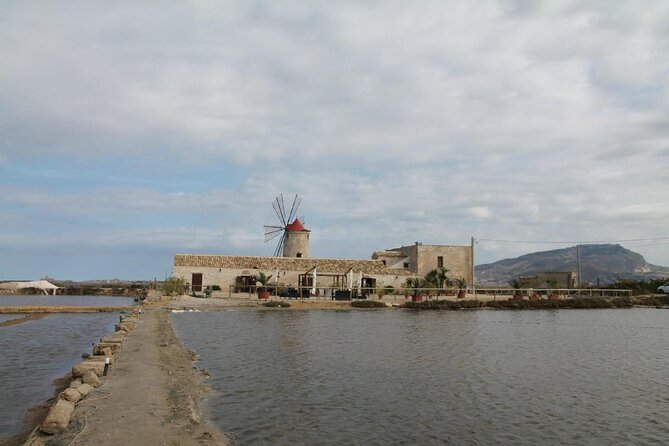
- Three different salt pans with a guided flow that keeps moving at a good pace
- Salt museum entry tied to how salt was harvested and processed over centuries
- Salt flower tasting (natural and flavored) plus crystal samples
- Birdlife in Salina Chiusicella including flamingos, herons, and egrets
- A small-group feel designed to stay intimate, with a stated limit of up to 8 people
- A sunset opportunity when skies cooperate, with walking inside the tanks near the end
Salt pans of Trapani and Paceco, and why this feels more real than a museum day
Salt in western Sicily is not just a product. It is a system, a landscape of work, and a set of tools and routines that shaped the region. This tour makes that click fast because you don’t just look at salt, you walk through the places where it’s made.
You get a guide, a vehicle ride, entry to the salt museum, and tastings. The group size stays small, so questions don’t get swallowed by a big bus crowd. And unlike a food tour that hands you bites and sends you on your way, this one slows down in the right spots so you can connect the process to what’s on your tongue.
The vibe is part practical, part poetic. You’ll see salt pans, but you’ll also hear about how salt shaped daily life, work hierarchies, and even local know-how.
More of Sicily:
- Etna Morning Trip
★ 4.5 · 1,241 reviews - Syracuse: Boat Trip of Ortigia Island and Sea Caves
★ 4.7 · 937 reviews - Tour of the island of Ortigia and exploration of sea caves with baths.
★ 5.0 · 668 reviews
Start at the Port Fire Station, then head straight for Maria Stella
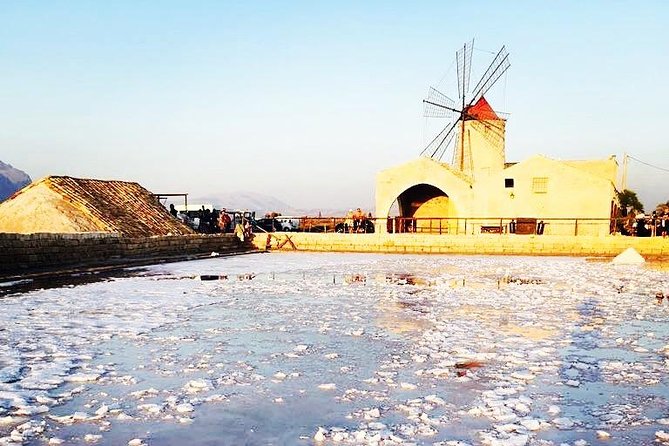
The tour meets at the Vigili Del Fuoco Distaccamento Portuale Trapani at Via Ammiraglio Staiti 101. It’s a very specific start point, and that helps you feel like you are going somewhere real, not just wandering around a town center.
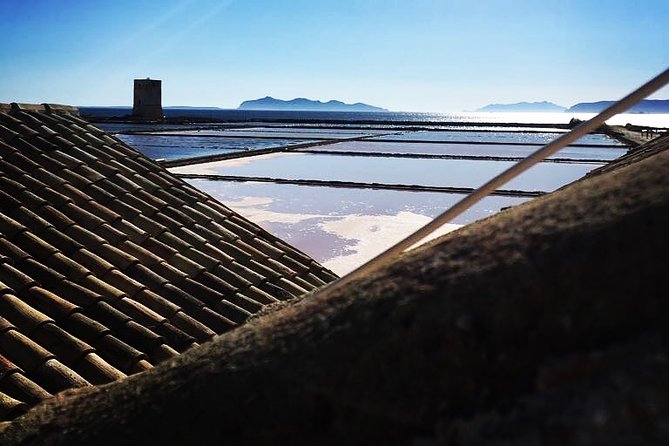
After a short stretch, you move to the first salt area, stopping at the salt pan called Maria Stella. Here, you’ll admire an old mill built at the end of the fifteenth century. That’s the first big “wow” moment, because it frames salt making as infrastructure, not folklore.
Practical tip: arrive a few minutes early. The start is at a working site by the port, and you want a calm headspace before the walking and salt-pan visuals begin.
Maria Stella salt pan: old mills and the working rhythm of salt
At Maria Stella, the focus is on the mill system and what it says about how salt was produced. You’ll get a guided look at the mill’s role in the overall process, and why these buildings were central to turning sea water into salt.
This is a good first stop for two reasons. First, it gives you context before you start moving deeper into the saline areas. Second, it sets the tone for the rest of the walk. Once you understand what you’re looking at, the next salt pans make more sense, and the tastings feel earned instead of random.
If you like details, this stop is where you’ll often hear the kind of nerdy-but-useful explanations that make salt production feel like an engineering story. One guide, Alessio, is praised for explaining technical ideas in a way that actually sticks, like how a divisor system worked in older calculations.
Salina Chiusicella in Paceco: birds, four stages, and the sea-water-to-salt idea
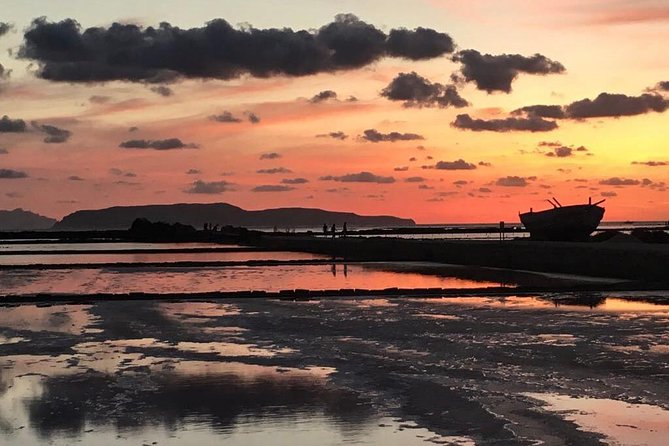
Next you head to Salina Calcara, also described as Salina Chiusicella. This part is where you see the saline in action, not just its buildings. The guide explains the salt tanks in four orders, with sea water moving through the stages that eventually lead to salt.
This stop is also the best place to slow down and watch wildlife. You may spot flamingos, herons, and egrets, plus other birds that share the salt pans and shallow water edges. It’s one of those settings where you can keep your eyes busy even between explanations.
A small warning, in the most friendly way possible: bird spotting takes patience. If you are the type who wants constant motion and constant novelty, you might find yourself waiting a bit for the perfect sighting. But if you like nature breaks that still connect to the salt story, this is worth it.
A different Sicily day to consider:
- Pub Crawl Palermo
★ 5.0 · 595 reviews - Mt. Etna nature and flavors half day Tour from Catania
★ 5.0 · 545 reviews - Boat tour Giardini Naxos Taormina Isola Bella Blue Grotto
★ 4.5 · 541 reviews - Etna excursion 3000 meters with 4×4 cable car and Trekking
★ 4.5 · 504 reviews
Culcasi salt tanks, the 600-year museum mill, and the saltman path
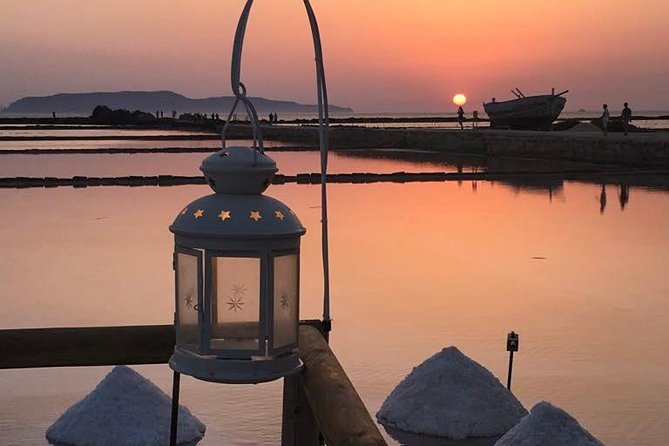
The last salt pan is Culcasi, and it’s the most immersive part of the tour. You’ll step into an ancient mill that’s over 600 years old, now operating as a museum. That museum time matters because it turns what you’ve been seeing outside into a clearer picture of how people worked there.
Inside, you’ll learn how salt was collected and how the tools worked. You’ll also hear about hierarchies and the role salt played in that specific place, and you’ll get help comparing past and present salt life.
Then comes the fun part that food lovers remember: tastings. You’ll taste different types of salt crystals, and you’ll also taste the salt flower, described as natural and also flavored with orange, lemon, rosemary, and oregano. These flavors are not about “making salt taste like candy.” They’re about showing how small chemistry and aroma changes can shift what you notice, especially when salt is used in cooking.
After the tastings, you’ll take the guided path of the saltman, a walk inside the salt tanks. This is your end-of-tour payoff because you finally get to move through the space like a worker might have, even though you are doing it with a modern guide and a comfortable tour flow.
What you taste on this salt tour, and how to think like a salt connoisseur
If you’ve ever bought salt because it sounds fancy, this tour is designed to rewire how you judge it. You’ll taste crystals, then salt flower, then flavored salt flower. That sequence helps your brain separate “saltiness” from texture and aroma.
Salt flower is especially interesting because it’s treated like the most delicate part. The tour’s tastings make that idea practical: you’ll notice how the salt flower differs from standard crystals in how it feels and how the flavor lands. That sets you up to understand why local people care so much about this product, and why “integrale salt” comes up in conversation with guides like Alessio, who is praised for explaining the health angle and what people can actually expect from Trapani’s salt.
Also, the aromatized options are a neat reality check. Orange, lemon, rosemary, and oregano are familiar flavors, but your palate will still learn something because salt makes aromatics pop. If you cook, even casually, this is the kind of tasting that helps you use a pinch of salt to change a dish, not just season it.
One more note: this tour is focused on tasting, not on buying. Still, you may be tempted to pick up some fleur de sel or flavored salt flower afterward if you find one you love. That’s normal. Just don’t skip the tastings because you think you already know salt.
Group size, English guidance, and the practical comfort of the minivan
This experience is designed for a small group. The description highlights a limit of 8 people to keep it intimate and quality-focused. At the same time, the activity sets a maximum of 16 travelers. In real terms, expect a group that stays conversational, not a crowd.
The tour includes an air-conditioned vehicle, which matters in Sicily when the sun is doing its job too well. The vehicle is also described as sanitized following Covid-19 regulations. That’s not the kind of thing you brag about, but it does contribute to a feeling of being cared for.
Language is English, and you’ll have a guide who explains both history and technique. Many guests praise the guide’s ability to connect the process with culture and even small technical quirks, like older measurement logic. If you want explanations that are detailed but not stuck in a textbook, this format tends to work well.
Price and value: is $60.46 worth it for salt pans, museum entry, and tastings?
At about $60.46 per person for roughly 2 hours and 30 minutes, the price makes sense only if you value what’s included. And it is not just a walk.
You get:
- an air-conditioned vehicle
- all fees and taxes
- entry connected to the salt museum
- access to 3 different salt pans
- the path of the salt worker
- tastings of salt crystals and aromatized salt flower
- a guide
So your money goes to transportation, guide time, and the tasting and museum components. If you tried to recreate this by yourself, you’d still need transport, museum entry, and a way to understand what you’re looking at while you walk through the saline areas.
That said, there’s one kind of mismatch that can happen. If you expect this to be more hands-off, more like scenic photography only, you may feel like it’s priced for explanation and tasting. The tour’s strength is the guide and the learning, so it pays off most when you want to understand the process.
Sunset over the salt flats: a good idea, but don’t bet your dinner on it
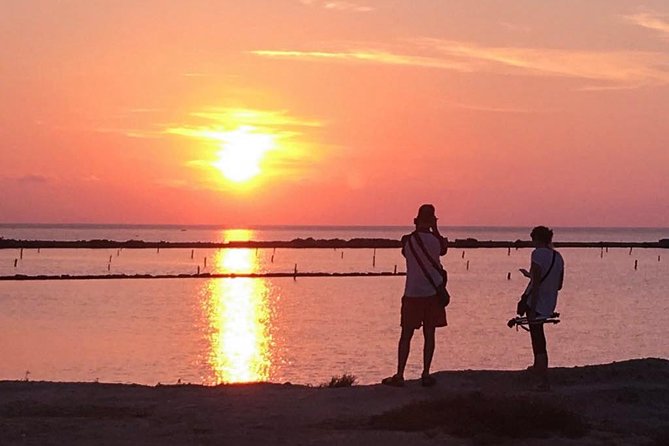
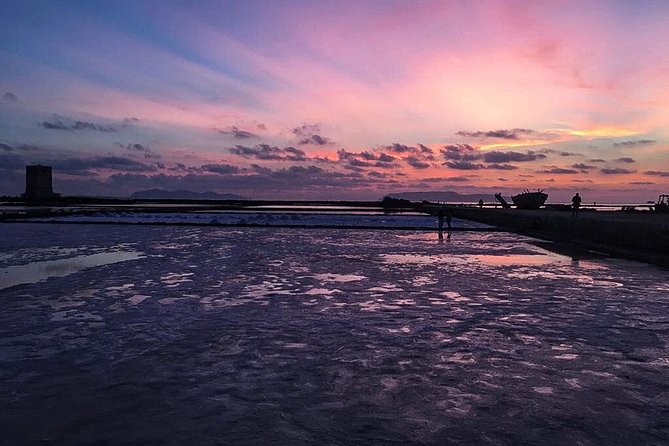
The tour has a strong evening mood. People often talk about the salt pans at sunset, and good weather is part of what keeps the experience on schedule and enjoyable.
Still, reality check: if skies are clouded, you may miss that visual payoff. The experience itself requires good weather, and the provider notes that cancellation due to poor weather can lead to a different date or a full refund.
One more “heads-up” item: occasionally you might be offered an additional extra like an aperitivo at the salt pans after the main tour. If that interests you, great. If you have a dinner reservation, treat it like an optional add-on, not part of the fixed plan. In one case, guests said the extra time caused stress with dinner timing, so plan your evening with buffer space.
Should you book this SALT TOUR in Trapani, Paceco, and Nubia?
Book it if you want a guided, hands-on salt experience that mixes nature, technique, and tasting. This is a particularly good fit for food lovers who care about texture and flavor, and for travelers who like learning stories that connect people, tools, and landscapes into one clear idea.
I would also book it if you want a small-group tour with strong guide performance. Guests consistently praise guides like Alessio for teaching salt production in a way that feels both detailed and easy to follow, and for bringing in cultural context that makes the region make more sense.
Skip or reconsider if you mainly want maximum sightseeing with minimum explanation. This is not a quick “photo stop plus souvenir.” It is a guided salt education with tastings and museum time.
If you’re booking during peak harvesting time, you may get even better photo opportunities because the salt pans are more visually alive then. The tour itself stays the same style, but the visual payoff can be stronger when the season is right.
FAQ
How long is the SALT TOUR?
It lasts about 2 hours and 30 minutes.
Is the tour offered in English?
Yes, it is offered in English.
What is included in the $60.46 price?
The price includes an air-conditioned vehicle, all fees and taxes, tastings of salt crystals and aromatized salt flower, ticket access related to the salt museum, entry to three salt pans, the salt worker path, and a guide.
How many people are on the tour?
The experience is designed to be intimate, with places limited to 8 people, and the activity lists a maximum of 16 travelers.
Where do we meet, and where does the tour end?
You meet at Vigili Del Fuoco Distaccamento Portuale Trapani, Via Ammiraglio Staiti 101, 91100 Trapani TP, Italy. The tour ends back at the same meeting point.
What happens if the weather is poor?
This experience requires good weather. If it is canceled due to poor weather, you will be offered a different date or a full refund.
Can I get a full refund if I cancel?
Yes. You can cancel up to 24 hours in advance for a full refund, as long as you cancel at least 24 hours before the experience start time.
Reviewed lately around Sicily
- Etna excursion 3000 meters with 4×4 cable car and Trekking★ 4.5 · 504 reviews
- Mt. Etna nature and flavors half day Tour from Catania★ 5.0 · 545 reviews
- Pub Crawl Palermo★ 5.0 · 595 reviews
- Electric scooter tour inside the Valley of the Temples Agrigento★ 4.5 · 212 reviews
- 7 hours Boat trip to Lampedusa lunch, SUP and Snorkeling★ 5.0 · 453 reviews
- Boat tour of Ortigia Island and sea caves★ 5.0 · 407 reviews
- Boat tour Giardini Naxos Taormina Isola Bella Blue Grotto★ 4.5 · 541 reviews
- Tour of the island of Ortigia and exploration of sea caves with baths.★ 5.0 · 668 reviews
Sicily Tours, compared.
Tour of the island of Ortigia and exploration of sea caves with baths.
Read our review →
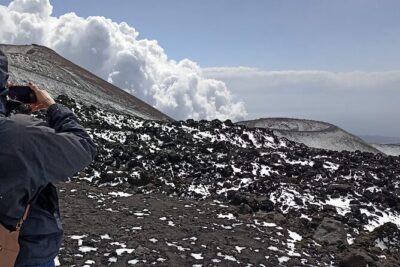
Mt. Etna nature and flavors half day Tour from Catania
Read our review →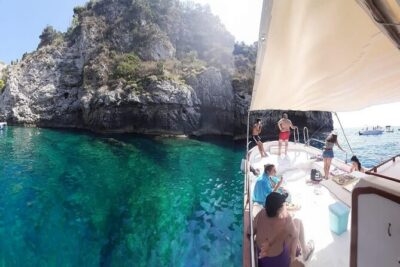
Boat tour Giardini Naxos Taormina Isola Bella Blue Grotto
Read our review →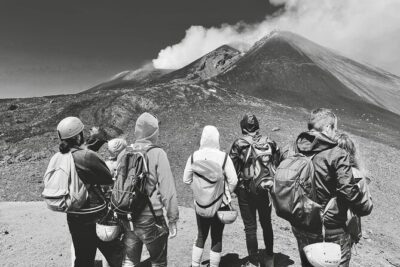
Etna excursion 3000 meters with 4×4 cable car and Trekking
Read our review →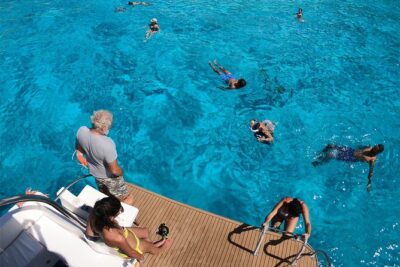
7 hours Boat trip to Lampedusa lunch, SUP and Snorkeling
Read our review →Browse the lists this tour appears in