
Reviewed · MOUNT ETNA TOURS
Etna – Trekking to the summit craters (only guide service) experienced hikers
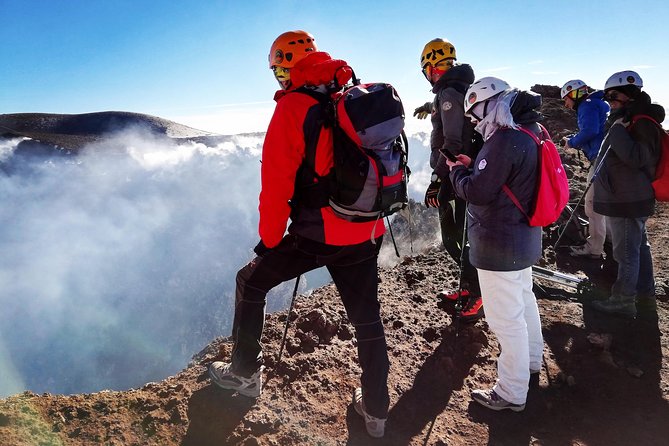
This kind of Etna day is interesting because you’re not just driving up and taking photos. You start on the north side at Piano Provenzana, roll through active lava country by 4×4, then walk right up to the summit craters with a licensed volcanology guide.
I like that the experience feels hands-on and safety-focused, not sketchy and rushed. Two big wins for me are the small-group size (max 12) and the way the guides manage the day based on real volcanic conditions.
One consideration: this is not a gentle hike. You’re climbing to very high altitude, and the return is a long, steep descent that can be brutal on knees if your legs are not ready.
Etna Nord, Why This Summit Hike Feels Different
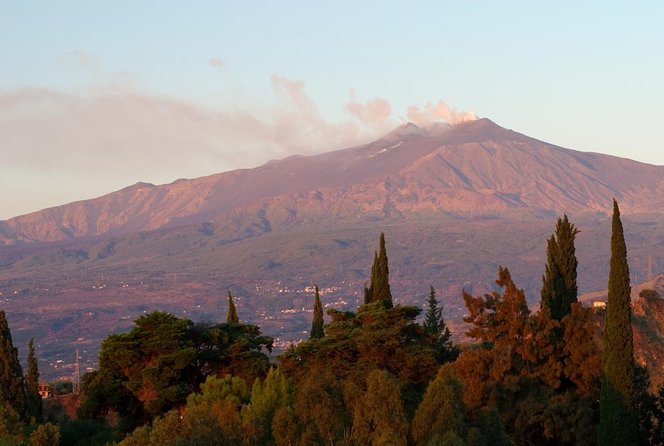
If you want Etna without the loudest crowds, the north side is the move. Piano Provenzana is easier to reach by car, less overrun than other Etna zones, and it sits in volcanic terrain that’s literally been re-made by eruptions.
The big idea here is that you get access by authorized 4×4, then do the crater work on foot. That keeps the day both efficient and genuinely physical, so you feel like you earned the views.
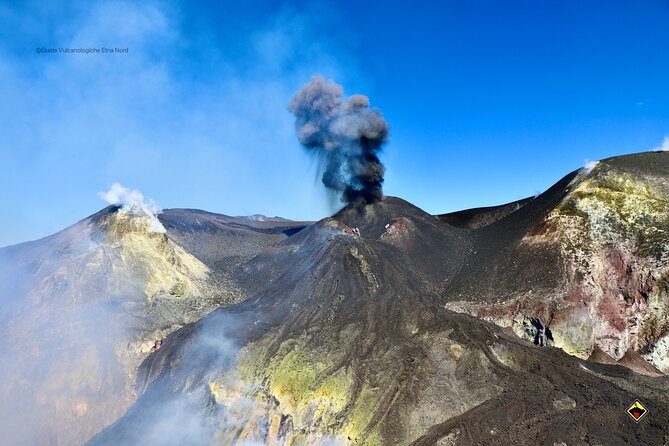
And yes, you’ll get real crater time. The route is built around four main summit craters you may see depending on conditions: North-East, Voragine, Bocca Nuova, and South-East.
5 Key Reasons This Etna Trek Makes Sense
- North-side starting point at Piano Provenzana: less crowded, more authentic, and tied to the volcanic landscape
- Guides adapt the crater choice: route can shift if gas, heat, or fractures change
- Panoramic 4×4 drive on a wild north track: views across sea and islands from high altitude
- Real hike profile: about 12 to 13 km total, with a steep, long descent
- Guide-led gear and safety kit: poles, helmets, warm layer, and extra socks included
More of Etna:
- Etna Morning Trip
★ 4.5 · 1,241 reviews - Mt. Etna nature and flavors half day Tour from Catania
★ 5.0 · 545 reviews - Etna excursion 3000 meters with 4×4 cable car and Trekking
★ 4.5 · 504 reviews
Piano Provenzana Morning Setup: More Than Just a Starting Point
Your day typically kicks off in the morning, with a meeting time around 7:45 a.m. and departure usually 8:00 to 8:15 a.m. (there is also an afternoon start at 1:00 p.m. from May to October). Either way, you’re planning for a full half-day to six-and-a-half hour outing depending on the day and how active Etna feels.
The meeting point is the Chiosco Bar Mare neve di Ferraro at Etna Nord, Piano Provenzana. This matters because you’re arriving into an actual small volcanic base area, not a random parking lot in the middle of nowhere.
Before you roll out, there’s time to get organized. You can use restrooms, grab coffee or tea, and even have breakfast or a pastry. It’s a practical touch, because once you’re in the higher zones, the “quick stop” options disappear.
The 4×4 Lift Through Lava Country: What You Gain (and What It Costs You)
A huge part of the value here is the authorized 4×4 transport up the mountain flank. You’ll board vehicles driven by your guides and travel across lava fields and volcanic features, climbing to about 2,960 m before the trek begins in the summit zone.
One of the coolest practical aspects is that Piano Provenzana sits within a lava flow from the October 27, 2002 eruption. That’s not just trivia. It explains why the area looks the way it does and why the guides focus so hard on safety and footing.
Road conditions can vary by season. If you’re hiking in winter, plan for snow chains or winter tires to get to Piano Provenzana, since access is drivable but weather can hit hard.
Also, pay attention to the “vehicle extra” options. If you choose an off-road vehicle one way from 1,800 m up to 2,825 m, it’s listed as €50 per person paid on the spot. Think of that as a way to shorten or reduce your time walking, not a guaranteed add-on that you should assume is included.
The Crateri Sommitali Drive: Panoramas Plus Volcanic Detail
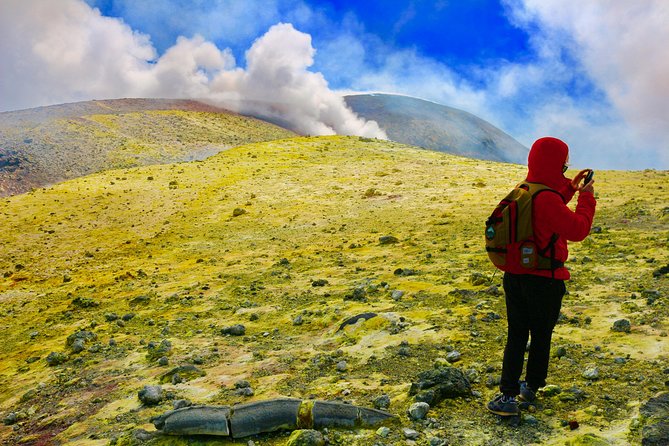
After you meet the guides, the itinerary uses a panoramic track on Etna’s less touristy north slope. Groups are kept smaller for a more personal feel, which matters because you’re moving through uneven volcanic terrain where your guide needs to manage spacing and timing.
This drive covers about 9.5 km and climbs from roughly 1,800 m to 2,960 m. Along the way, you cross forests, recent lava flows, a lava-flow channel, eruptive fractures, and lateral craters that are reported as over 40 m deep.
What you’ll feel is that the guide is reading the mountain like a living puzzle. The track also gives high vantage views when visibility is good. You can see stretches of northern Sicily, the Aeolian Islands, the Strait of Messina, and parts of the Ionian and Tyrrhenian seas. In rare clarity, people mention even the Madonie range and a wide view that reaches toward places like the Gulf of Catania, Syracuse, Augusta, and the Valle del Bove.
Two practical notes from this section:
- You’re higher than you started, so dress for wind and cold, even if Catania feels warm.
- The drive is part of the “learning loop.” It sets up what you’ll later recognize on foot near the crater edges.
More hikes around Sicily:
- Mount Etna Adventurous Hiking Tour with Equipment
★ 4.5 · 439 reviews - Cinque Terre Day Trip with Optional Hiking or Pisa
★ 5.0 · 8,486 reviews - Florence: Cinque Terre Day Trip with Optional Hike
★ 4.8 · 4,178 reviews - Mount Etna: Guided Volcano Summit Hiking Tour with Cable Car
★ 4.7 · 3,784 reviews
Stop at the Summit Area: How the Route Works When Etna Changes
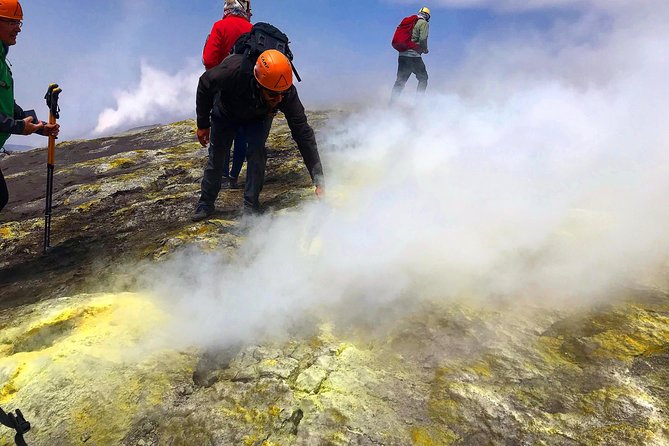
Once you reach around 2,960 m by authorized 4×4, the real work starts. The summit hike climbs about 5 km with roughly 550 m ascent to the crater zone, where you’ll focus on the main crater fields.
Here’s the key detail that makes this day feel different: activity varies daily, so the guides select the safest route toward the most active yet secure crater. That means you might walk toward one crater area more than another, and the path could adjust if gas, heat, or fractures make a different approach safer.
Altitude on paper is 2,960 to 3,323 m, but in real life you should expect a “maximum range” rather than a guaranteed number. This is also where you should think about how you handle height. Mild altitude effects are possible, and crater edges can cause dizziness in people who are sensitive.
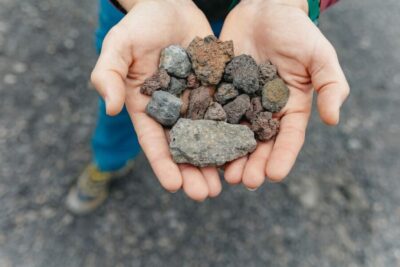
You’ll walk over volcanic terrain that can be soft and sandy. Expect scoria, sandy gullies, and shifting footing. That’s also why the guides provide helmets and why your footwear matters so much.
The Crater Walk: The Moment You Remember Weeks Later
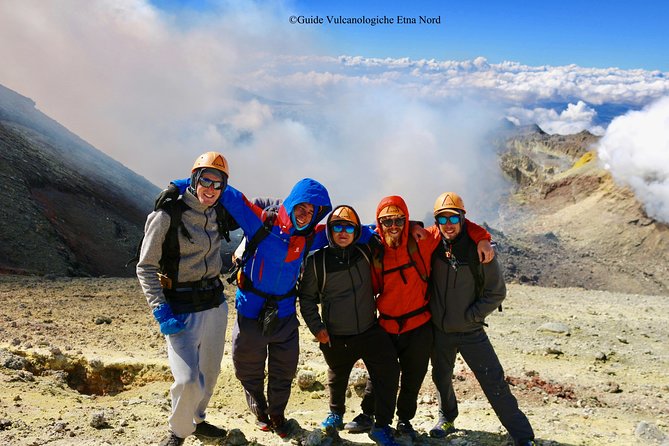
This is the part most people book for, and it’s easy to see why. Standing near active crater edges gives you an entirely different sense of scale. You can also get close enough to notice how the volcanic surface changes underfoot, from fresh material to older zones that look more stabilized.
The summit area is focused around four main craters you may visit, depending on the day:
- North-East
- Voragine
- Bocca Nuova
- South-East
Your guide’s job is to keep you near the action while staying safe. That includes timing, spacing, and moving away from the worst gas pockets when needed.
If you’re wondering what that feels like, plan for wind. High-altitude wind is a constant theme in feedback for this hike. Even on a good day, the top can feel colder than you expect, and the surface can be abrasive.
The Descent Back to 1,800 m: Why Knees Are the Real Boss
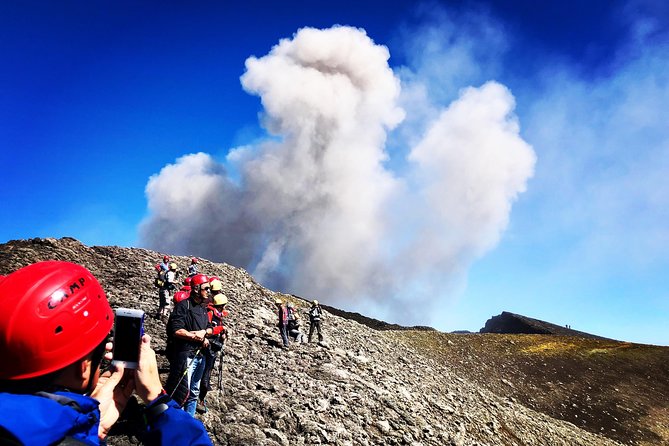
Coming down is where you’ll feel the day in your body. The return is a long descent on foot, going from around 3,300 to 1,800 m. It’s listed as about 7 km with roughly 1,500 m negative gain.
That’s why this tour is aimed at experienced hikers with strong knees. Even when the ascent feels steady, this descent can feel harder than you predicted, especially if you don’t have trekking poles or if you rush the zigzags.
The route also includes sections that can be trickier underfoot:
- soft scoria and sandy areas through recent lava
- a broad zone called Piano delle Concalze
- a cross of about 2.5 km of ski slopes, where ground can be rough and stony
It’s still doable for strong hikers, but it’s the kind of walk where proper footwear and careful pacing pay off immediately.
Practical tip: if you’ve ever had sore knees on rocky descents, plan your strategy early. Slow down on the steep parts, use poles if you have them, and keep your steps short.
Stop Back at Piano Provenzana: Refuel and Reset
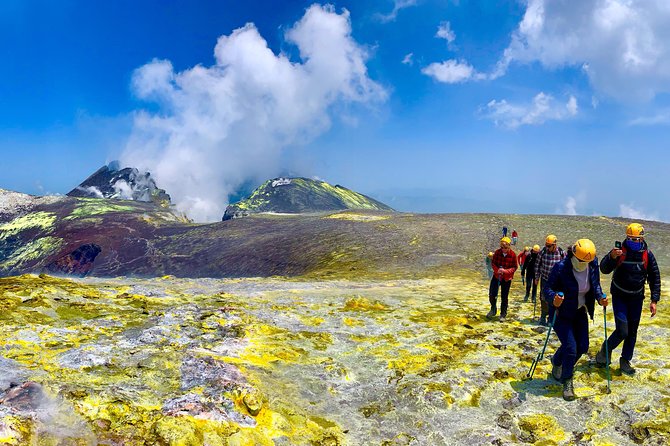
After the long walk, the tour ends back at the original meeting point at Piano Provenzana. This is convenient because you’re not trying to figure out logistics at the end when you’re tired.
Piano Provenzana has the services you want after a volcanic hike: cafés and bars for coffee, plus spots to refill water bottles. It’s also the kind of place that changes by season. In winter it’s used as a ski resort, and in summer it shifts to guided hiking start points.
One more practical bonus: the parking areas are clearly set up for cars and camper vans, so you’re not hunting for an obscure drop-off.
How Challenging Is It, Really for Experienced Hikers?
The itinerary is described as requiring strong physical fitness. That doesn’t mean it’s a mountaineering scramble, but it is a high-altitude hike with uneven footing and a steep descent.
A typical totals snapshot:
- about 12 to 13 km total distance
- roughly 6 hours typical duration, though you should plan for more on some days
- altitude roughly from 2,960 up to about 3,323 m, with daily variation
If you are prone to leg fatigue, this one targets that weakness because of the descent profile. If you have decent conditioning and good knee management, the reward is exactly why people talk about it as a bucket list Etna day.
And yes, it’s not for everyone. Children under 12 are not suited, and pregnant women past the third month are not allowed. If you wear contact lenses, there’s guidance to avoid them due to volcanic gases and ash.
Gear, Cold Wind, and Volcanic Dust: What to Bring
This tour includes a lot of gear, which is part of the value. You should get trekking poles, trekking shoes, helmets, warm jacket, extra socks, and an extra backpack. It also includes insurance in case of accidents and entry/admission to Mount Etna.
That said, you may still want to fine-tune what you bring:
- Bring a hat and gloves if you’re going in autumn, winter, or spring, since they are listed as not included.
- Wear long pants that cover your ankles. Small lava stones can find their way into shoes during the descent if your socks and pants are short.
- Consider skipping contact lenses during the hike. Volcanic gases and ash can irritate eyes.
Also, use caution with shoe fit. Without adequate shoes, you might not be covered by insurance, so don’t show up with thin sneakers just because they look fine in town.
One more small-but-smart idea: if the forecast looks breezy, pack a wind layer. People consistently highlight cold, wind, and the need to stay warm up top.
Price and Value: Is $139.13 a Good Deal?
At $139.13 per person for about 5.5 hours (give or take based on conditions), this is not cheap on paper. But for a true summit-crater day on an active volcano, the pricing reads as fair.
Here’s why it can feel like value:
- You’re getting licensed volcano guiding, not just a standard hike leader
- The day includes entry/admission to Mount Etna
- You get most of the essential gear, including poles, helmet, and a warm layer
- You avoid a ton of DIY risk in an active volcanic zone, because the day is designed around safety and route flexibility
The “watch-outs” that can affect your total:
- Parking is €5 on weekdays and €8 on Sundays or public holidays if you drive yourself
- Optional transport adds cost if you want an off-road vehicle one way from 1,800 m to 2,825 m (listed as €50 per person)
- If you choose a specific bus return option from 2,850 m to 1,800 m, pricing is listed as €70 instead of €50
- Hat and gloves are not included
So, the best way to judge it is simple: if you want a guided crater day and you would otherwise struggle with proper gear, route knowledge, or safety, this price can be a good trade.
Guides Make the Day: What to Expect From the Human Side
The biggest praise in feedback centers on guide quality. You might be led by volcanology guides such as Paolo, Nikos, Raphael, Poldo, Daniele, or Vincenzo. The consistent theme is that guides explain what you’re seeing in a way that sticks, then keep the group moving safely.
A few guiding behaviors that show up repeatedly:
- stops happen when needed, not when the guide feels like it
- pace is adjusted so people can handle the hike
- crater approach is chosen based on activity and safety, not just ambition
That last point matters a lot for an active volcano. Even when the itinerary aims high, the guides are expected to follow rules and stop early if safety requires it.
Should You Book This Etna Summit Hike?
Book it if you want a serious, crater-focused Etna day on the north side, and you have the fitness for high altitude and a steep descent. If your knees are strong and your shoes are legit, you’ll likely love the feeling of getting close to active crater edges with a real volcanology guide.
Skip it if you want an easy walk, if dizziness at crater edges is a known problem for you, or if you don’t feel confident with steep rocky downhills. Also skip it for kids under 12, and if you fall into the pregnancy restriction after the third month.
If you’re deciding between “see Etna from viewpoints” and “walk the crater terrain,” this tour is the second option. It’s the kind of day that turns Etna from a photo into a memory.
FAQ
What time does the tour start, and is there an afternoon option?
You typically meet at 7:45 a.m. at Piano Provenzana and depart around 8:00 to 8:15 a.m. There is also an afternoon start at 1:00 p.m., which runs May to October.
What’s the maximum height on this trek?
The hike is designed around an altitude range of about 2,960 to 3,323 m, but the exact route can vary depending on daily volcanic activity and safety conditions.
How long does the experience take?
The experience is listed at about 5 hours 30 minutes. In practice, plan closer to a full half-day, since the hike duration can run around 6 hours depending on the day.
What gear is included, and what should I bring?
Included gear includes trekking poles, trekking shoes, helmets, warm jacket, extra socks, and an extra backpack. Hat and gloves are not included (recommended in autumn, winter, and spring).
Is the tour suitable for beginners?
It’s not positioned as a beginner hike. The tour description calls for strong physical fitness and it’s especially suited to experienced hikers, particularly because the descent is long and steep.
What if volcanic activity or weather changes?
The guides may adjust the route or stop if conditions become unsafe. If the experience is canceled due to poor weather, you’ll be offered a different date or a full refund.
Reviewed lately around Sicily
- 1 1/2 – 2 Hours Guided Excursion of Etna by Quad★ 5.0 · 233 reviews
- Favignana and Egadi Islands Boat Tour★ 5.0 · 245 reviews
- Etna at sunset – 4×4 tour with Sicilian sweet aperitif★ 5.0 · 247 reviews
- Trapani: Salt Pans Sunset Tour and Flamingo Way★ 4.4 · 252 reviews
- Classic Boat Tour in Palermo★ 5.0 · 268 reviews
- Etna, Summit Craters★ 5.0 · 272 reviews
- Etna Family Tour Excursion for families with children on Etna★ 5.0 · 292 reviews
- Etna Sunset Tour (starting from Catania)★ 5.0 · 294 reviews
Mount Etna Tours, compared.
Mount Etna Morning or Sunset Day Trip with Tasting
Read our review →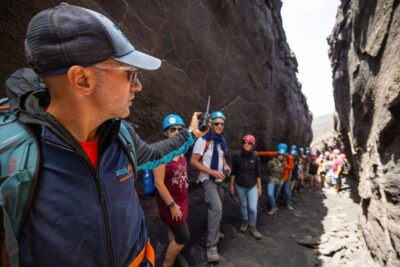
Mount Etna: Guided Volcano Summit Hiking Tour with Cable Car
Read our review →
Sunset Jeep Tour of Mount Etna and Lava Flow Caves
Read our review →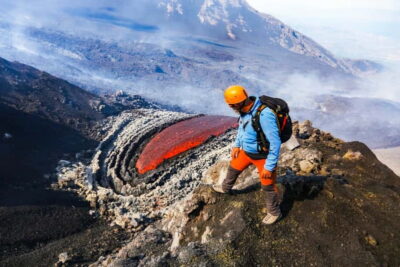
Mount Etna: Trek to 3000m with cable car and jeep
Read our review →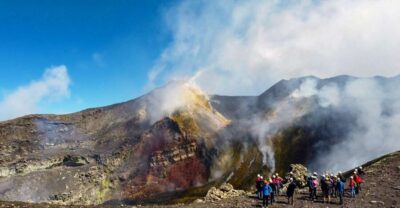
Mount Etna: Summit Crater Trek with Cable Car
Read our review →
Etna and Alcantara Gorges Full-Day Tour with Lunch
Read our review →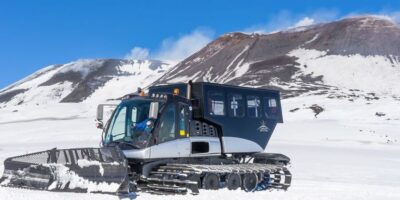
Mount Etna: Roundtrip Cable Car and 4×4 Bus Ticket
Read our review →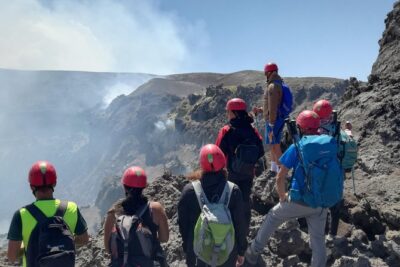
Browse the lists this tour appears in