Reviewed · TOURS
Cavedoni Balsamic Vinegar Tour: The Oldest in Modena
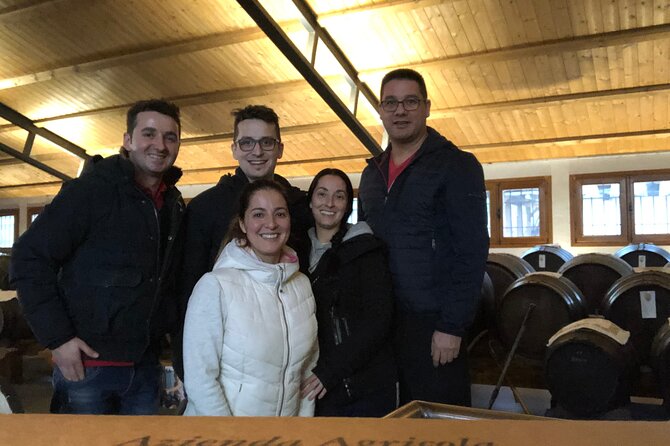
Modena is famous for speed, not just style. This Cavedoni balsamic vinegar tour is interesting because you follow the craft from vineyards to barrel rooms, and the aging time is the main character. I especially liked meeting a family that has kept this process going for generations, and I loved the tasting format, where you taste how age changes flavor and how to use balsamic smartly.
The only real drawback to plan around is logistics. The estate is out in the countryside, and transportation to and from the visit is not included, so you will want a taxi, a car, or a solid plan for getting back.
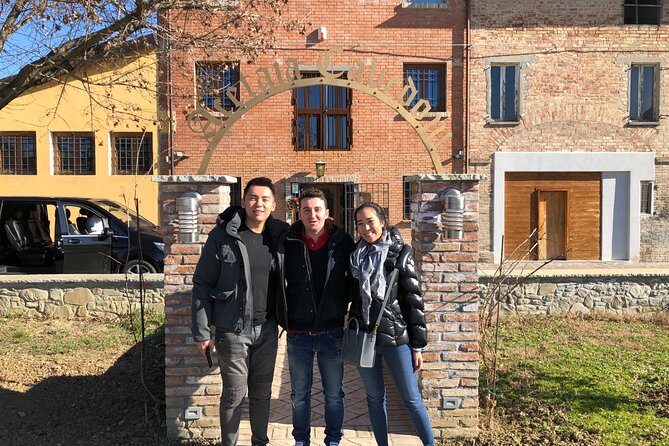
You start at Via Guerro di Qua, 2, 41014 Ca’ Montanari MO, Italy, and in my experience (and based on how they run things), the whole visit feels personal, with hosts like Elisa and the family team like Paolo and Marcello showing up and answering questions. Small group size also matters here, with a maximum of 17 travelers.
Key things to know before you go
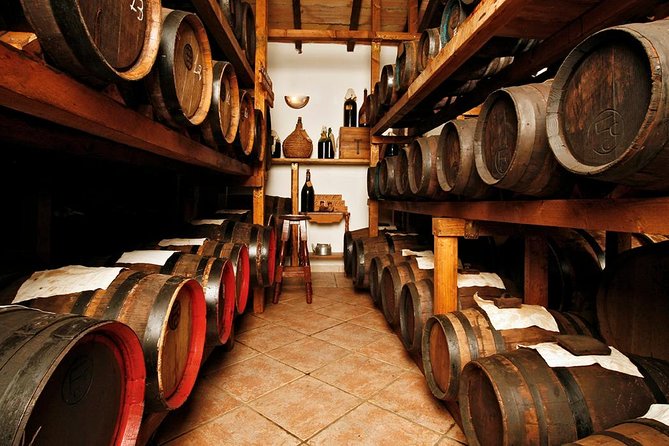
- A family-run Antica Acetaia Cavedoni dal 1860 visit focused on the real production process, not just sales talk
- Vineyard walk + cellar barrel rooms, so you understand where the ingredients start and how age transforms them
- Tasting from 5 to 30 years, with some tastings featuring extremely old bottles depending on what is available
- Food and wine pairings that help you taste balsamic on bread, cheese, and cured meats
- Cellar shop time after the tour if you want to buy bottles and regional specialties
A family balsamic tour where time is the ingredient
If you think balsamic vinegar is just a dark drizzle, this tour is designed to fix that. You learn that authentic Modena balsamic starts with grapes, then moves into controlled, patient aging. That waiting is not decoration, it is chemistry you can taste.
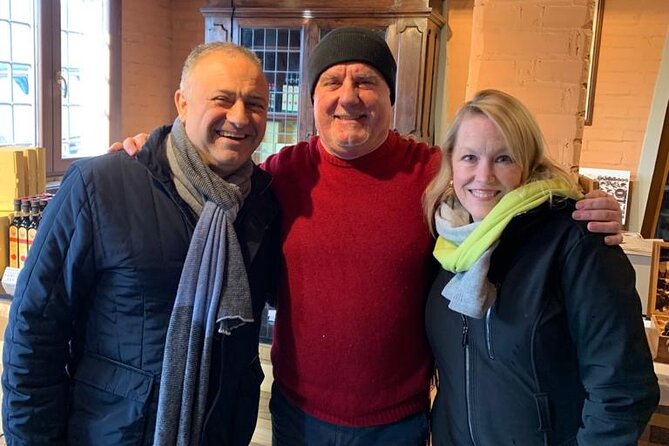
What I like about Antica Acetaia Cavedoni dal 1860 is the tone. It is not a lecture you survive. It is a conversation you can follow step by step. A guide like Elisa walks you through the story, and you also get face time with family members such as Paolo and Marcello, who treat the process like living tradition rather than a product pitch.
Also worth your Modena time:
- Modena: Enzo Ferrari Museum Entrance Ticket
★ 4.5 · 422 reviews - Modena: Balsamic Lunch with Vinegar Cellar Tour and Tasting
★ 5.0 · 395 reviews
Price and timing: what your $90.74 buys you
The tour runs about 2 hours, starts at 3:00 pm, and costs $90.74 per person. For that price, you are getting more than tastings. You also get a guided tour of the production areas, plus food and Lambrusco tasting as part of the experience.
Is it a bargain? It depends on your travel style. If you like hands-on food experiences and you plan to buy a bottle or two to bring home, this can feel like good value. If you are just collecting souvenirs, you may find the shop time is the real decision point, and you might compare prices before committing.
Also, this tour tends to book out. The listing data shows an average booking window of 39 days in advance, so I recommend reserving early if you are traveling in peak season.
Getting to Via Guerro di Qua, 2 without stress
Your meeting point is clear: Via Guerro di Qua, 2, 41014 Ca’ Montanari MO, Italy. The activity ends back at the meeting point, so you are not left hunting for a ride in the middle of nowhere.
One practical note: transportation to and from the attractions is not included. In a place like this, that matters. Many people plan a taxi both ways, or they arrange a car if they are already in the area.
Good news: the meeting area is near public transportation, and most travelers can participate. Still, if you are relying on buses, give yourself extra buffer time. The countryside adds delay risk, and the tour format is time-based.
Vineyard to vinegar: what you learn as you walk the grounds
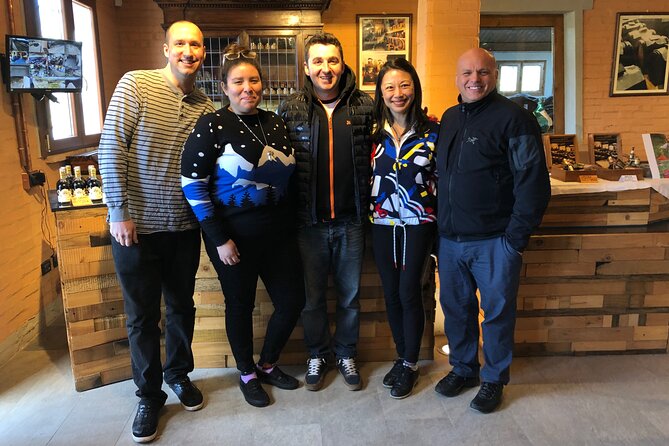
The tour begins right at the vinegar cellar with a family member as your host. Expect an overview of what makes authentic Balsamic Vinegar from Modena and how the process works, before you step out for a stroll through the vineyards.
That vineyard segment is not just scenic. You learn about the grapes used for premium balsamic, and you connect grape choice to what ends up tasting sweet, tangy, and complex later on. Even if you do not remember every detail, the big takeaway sticks: balsamic quality is not only about the barrels. It is also about what goes in and how the producers manage fermentation and aging.
Then you walk back into the production setting and move into the vinegar house. This is where you start building mental shortcuts that help you understand every later taste. What you are tasting in the cellar is not random. It is the result of years of controlled aging.
The Cavedoni vinegar house and why the barrels are the whole point
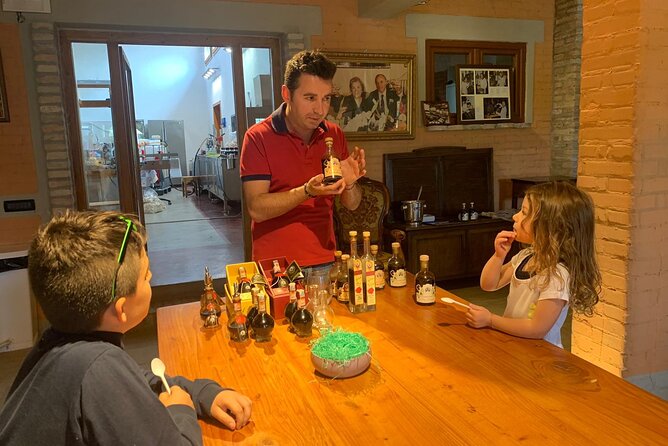
Inside, you focus on the aging process and the barrel rooms. This is the core of the visit, because barrel aging is where the flavor changes from sharp and grape-forward into something smoother, rounder, and more nuanced.
The guide explains the stages of production in an up-close way, and you also get a look at the barrel rooms where the vinegar matures. If you like food craftsmanship, this part is genuinely satisfying. You are not just told that time matters. You see the spaces where time happens.
A nice extra is the Cavedoni Museum stop. It adds context, so the estate feels like it has a timeline, not just a product line. You also get a sense of how vinegar-making fits into family identity, which is a big part of what makes this tour feel different from a standard tasting.
Tasting balsamic by age: how to taste the difference
The tasting is built around aged balsamic vinegar, with samples spanning five to 30 years. This structure is smart for you as a buyer and a cook. It gives you a practical way to choose the right bottle for the right use.
Here is how the experience helps you:
- Younger balsamic tends to taste more direct and grape-like.
- Older balsamic usually feels softer and deeper, with complexity that shows up even when you use only a little.
- By tasting multiple ages back-to-back, you can compare without guessing.
Some tastings include very old balsamic bottles, with experiences mentioning bottles that reached well beyond the 30-year mark when the timing and stock aligned. You should not count on a specific age being poured for every date, but you can expect that the producers take pride in the older barrels and that your tasting can go beyond the basic plan when available.
This is also the part where you start learning how to shop intelligently. The family explains how to distinguish authentic products from imposters, which is the real-world skill you want after a tour like this. When you leave with a better eye, your purchases feel less like gambling.
Food, cheese, and Lambrusco: tasting that actually teaches you
One reason this tour gets repeat love is that the tastings are paired with real regional foods, not just plain samples. You try balsamic alongside items like bread and local cured meats, and you get additional pairings that show how vinegar changes what you eat.
From the experience format, you can expect a mix like:
- regional charcuterie and cheeses, including styles such as Parmigiano-Reggiano
- gourmet foods paired with different balsamic ages
- Lambrusco wine from the same estate
The Lambrusco pairing matters because it gives you a second flavor framework to compare. You taste how acidity, fruit, and bubbles interact with vinegar sweetness and age. The result is that you leave thinking about pairing, not just collecting bottles.
If you enjoy cooking, this pairing section gives you ideas for finishing dishes at home. If you mostly eat out, it still helps you understand why a spoon of balsamic can make a simple plate feel finished.
Shopping at the cellar: what to buy and how to avoid regret
After the tasting, you have time to purchase balsamic vinegar and other specialties from the cellar shop. This is where you decide how your tour turns into value for your daily life.
Here is my practical advice for shopping on-site:
- Buy based on the age you tasted, not the label alone.
- Consider getting one bottle that matches everyday use and one that feels special.
- Ask questions before you pay, especially about what they recommend for specific foods.
People often buy multiple bottles during the visit, including older options. Some visitors also choose to ship purchases home later, which can make sense if you want to avoid carrying glass through airports. If shipping is an option when you go, it is worth asking about during your shop time.
Also, if you are a foodie traveling in a small space, think about how you will transport bottles. A tasting tour is a perfect place to discover what you want, but you still want the logistics to be easy.
What the group size feels like, and who it suits best
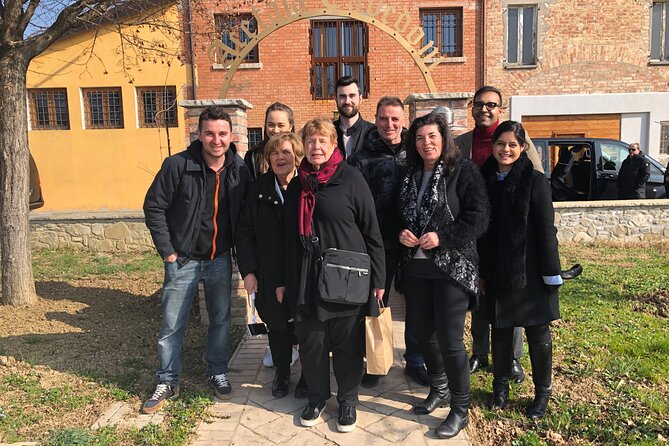
This is a small-group tour with a maximum of 17 travelers, and that size keeps the experience from turning into a theater performance. You can actually ask questions, and it is easier for the family to keep the visit personal.
The tour is offered in English, which is a big deal if your Italian is basic. The format also works well for food lovers who like to learn, not just eat. If you are a cook, you will probably enjoy this even more because balsamic is one of those ingredients where the right bottle can change your results.
Who should skip or reconsider? If you are not interested in food craft, aging, and pairings, the tour may feel like a long tasting. If you want a quick photo stop, this is not that kind of outing.
The best reasons to book Cavedoni now
This tour consistently wins attention for three reasons that you can feel during the visit:
- Clear explanations from the guide such as Elisa, with smooth English and a focus on the actual steps of production
- Family involvement, with hosts like Paolo and Marcello stepping in so you hear the why, not just the how
- A tasting that is generous and structured, so you taste differences across multiple ages and then see how balsamic works with food and Lambrusco
It also has a strong “learning you can use” payoff. The guidance about authenticity, and how to choose bottles, is exactly what you want after spending money on a product that can be easily imitated.
Should you book this balsamic vinegar tour?
Book it if you want a real food-production experience in Modena that goes beyond tasting. The mix of vineyards, barrel rooms, museum context, and multi-age sampling gives you enough information to make better buying decisions.
Skip it if you are short on time in the afternoon and you cannot manage the countryside logistics. Since transportation is not included, you will either need to plan your ride or already be mobile.
If you do book, arrive hungry and bring curiosity. This is the kind of tour where a small amount of tasting can turn into a clearer idea of what you like, what you should pay for, and how to use balsamic at home.
FAQ
How long is the Cavedoni balsamic vinegar tour?
It lasts about 2 hours.
Where does the tour start and end?
It starts at Via Guerro di Qua, 2, 41014 Ca’ Montanari MO, Italy and ends back at the same meeting point.
What is included in the tour price?
The tour includes admission, a local guide, and a food tasting.
Is transportation provided to and from the tour?
No. Transportation to and from attractions is not included.
What language is the tour offered in?
The tour is offered in English.
Is there free cancellation?
Yes. You can cancel up to 24 hours in advance for a full refund.
Reviewed lately around Modena
- Modena: Balsamic Lunch with Vinegar Cellar Tour and Tasting★ 5.0 · 395 reviews
- Modena: Enzo Ferrari Museum Entrance Ticket★ 4.5 · 422 reviews
Tours, compared.

Colosseum, Roman Forum & Palatine Guided Tour
Read our review →
Vatican Museums, Sistine Chapel & St Peter’s Basilica Guided Tour
Read our review →
Colosseum, Palatine Hill and Roman Forum Guided Tour
Read our review →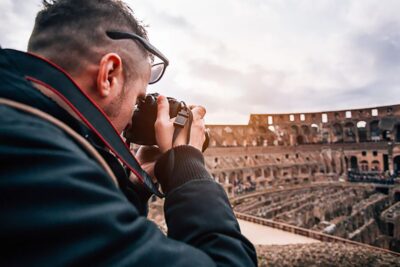
Guided Tour of Colosseum, Roman Forum & Palatine Hill
Read our review →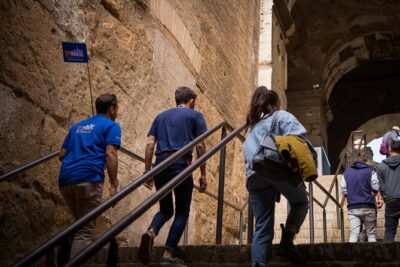
Colosseum, Roman Forum and Palatine Hill Guided Tour
Read our review →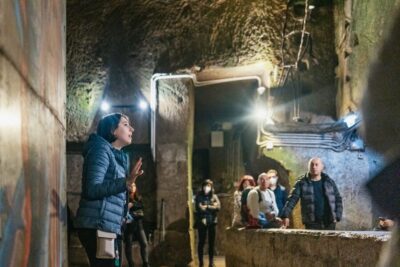
Naples Underground Entry Ticket and Guided Tour
Read our review →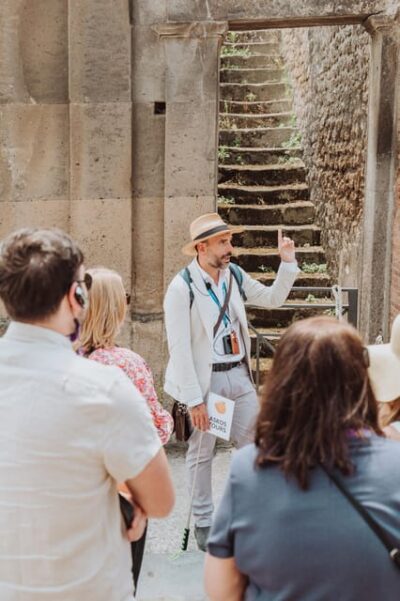
Pompeii: Entry Ticket and Guided Tour with an Archaeologist
Read our review →