
Reviewed · WORKSHOPS
Sorrento: Pizza Making Class
This pizza making class in Sorrento is interesting because it turns the whole Neapolitan pizza process into a hands-on afternoon. You start with ingredients that matter, like mozzarella and olive oil, then you learn how the dough and shaping work before you bake.
I especially like the way Luigi and Laura teach: Luigi brings energy and practical tips, while the group gets moving instead of just watching. I also love that the meal is part of the lesson, with local wine and tiramisu after you eat what you made.
One consideration: the dough takes time to rise, so the pizza you bake may not be made from the exact dough you mix that same day. You will still learn the technique, but plan for that 24-hour dough rise reality.
Key Highlights Worth Marking on Your Map
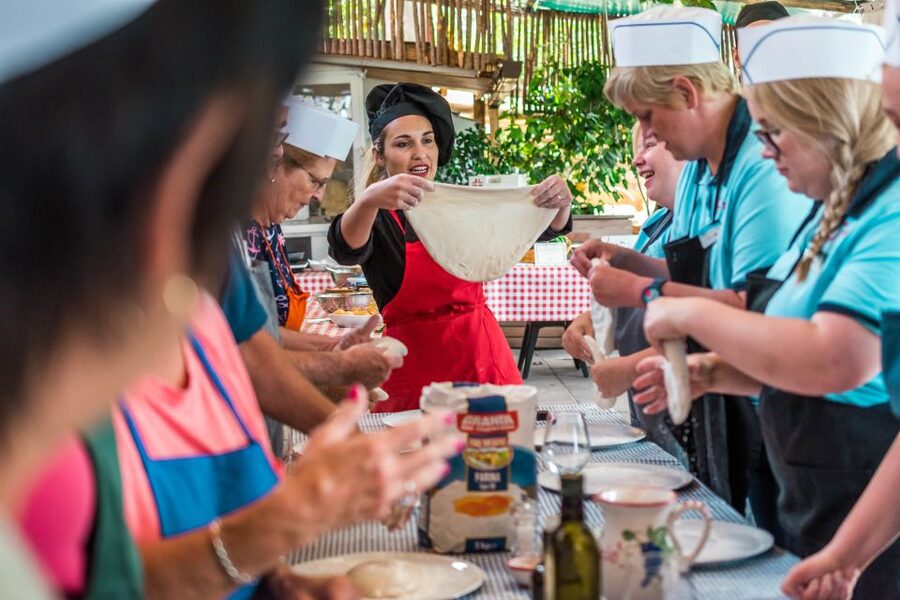
- Luigi and Laura teach Neapolitan pizza in English, with step-by-step guidance for beginners
- Mozzarella and olive oil tastings happen early, so you taste the flavors before you cook
- You learn the dough method and stretching, then shape and top your own pizza
- A traditional oven bakes quickly, with you watching the pizza cook
- Wine and tiramisu are included, so you finish full and happy
Getting to the Hills: Tirabuscio Cooking School and the Sorrento View
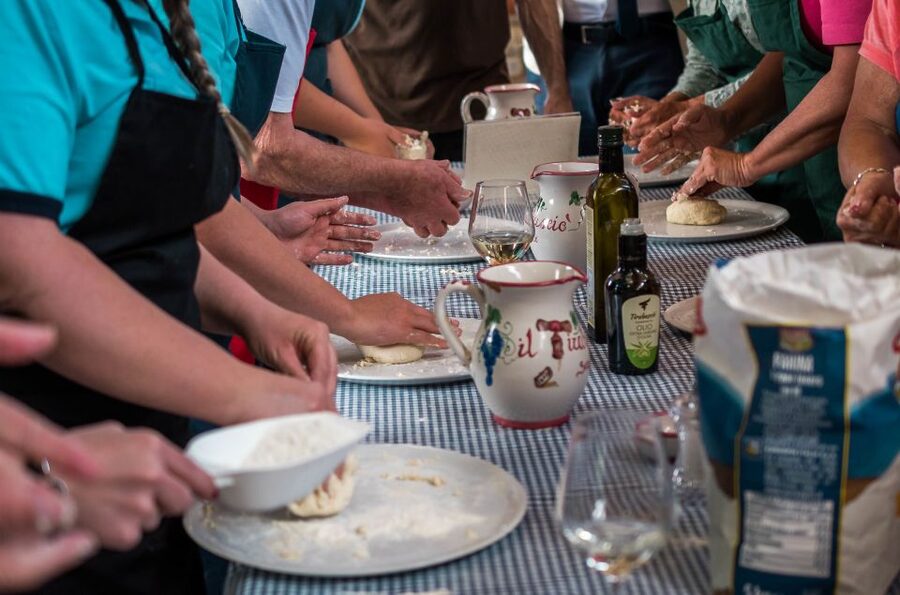
This experience is based outside the main Sorrento center, up on the hills where the air feels calmer and the pace slows down. The pickup and drop-off are included, and you transfer to Tirabuscio cooking school, about a 15-minute drive from downtown Sorrento.
Once you arrive, the setting is part of why the class works. It is not a rushed demo in a cramped room. You get a relaxed, farm-and-food vibe where the lesson feels tied to local life in Campania, not just a tourist activity.
If your day in Sorrento already feels schedule-heavy, this is a good counterbalance. You can do the class, eat well, and still have energy left for an evening stroll after.
More from a Sorrento stay:
- From Naples: Sorrento, Positano and Amalfi Full-Day Tour
★ 4.6 · 10,988 reviews - From Naples: Sorrento, Positano & Amalfi Coast – Small Group Tour
★ 5.0 · 8,643 reviews - From Rome: Pompeii, Amalfi Coast, and Sorrento Day Trip
★ 4.6 · 7,031 reviews
Meet Luigi (and Laura): How the Lesson Stays Practical
The instructor is Luigi, and he is the kind of teacher who keeps things clear without turning it into a lecture. Laura is also part of the team, and you may see different staff step in during tastings and food prep so the group stays engaged.
The class is taught in English, which matters here because pizza technique has lots of small, specific details. You need to understand the why behind the steps, from dough handling to stretching.
Group size looks flexible based on the booking, and you might get a small group or a larger one. That variation affects the vibe: smaller groups usually mean more attention while shaping and topping, while bigger groups still work but conversation can be a bit harder between tables.
Mozzarella and Olive Oil Tastings: Why You Start With Flavor
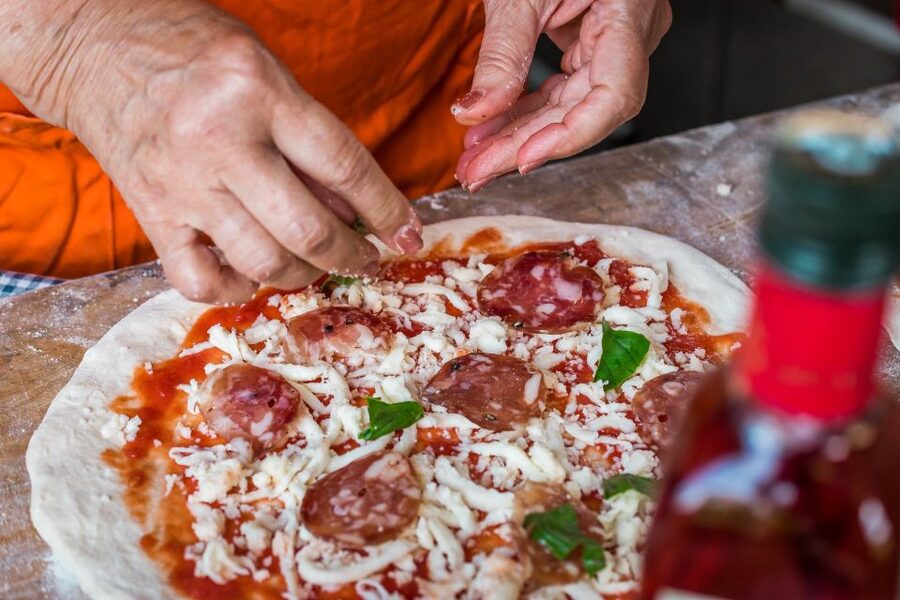
Before you start shaping dough, you taste. You get tastings of mozzarella and olive oil, plus you learn how those flavors connect to the final pizza.
In practice, this does two smart things. First, it trains your palate so your pizza choices make sense when it is time to top your pie. Second, it gives you a quick cultural lesson without feeling like a history class.
You may also get more than just olive oil and mozzarella. Some participants mention bread and multiple olive oil varieties for dipping, which turns the tasting into a mini meal warm-up. If you are the type who wants to understand what you are eating, this section is a real payoff.
The Dough Method and the 24-Hour Rise Trick
Neapolitan pizza dough is not instant. The dough needs time to ferment and rise, typically at least 24 hours, and the class works around that reality.
Here is the practical part: they teach you the dough process and you learn the method to make fresh dough like an expert, but the pizza baked that day may use dough prepared ahead because of that required rise time. In other words, you learn the technique, but you do not necessarily bake the exact dough batch you mixed minutes earlier.
That might sound like a drawback if you want a fully raw, every-step-from-scratch experience. But it is also the reason the oven pizza actually tastes right. You still get hands-on learning, and you end up with a pizza you can be proud of instead of something half-fermented.
You will also get tips you can use at home. Several people specifically mention leaving with a recipe, so you can try again with your own schedule and dough timing.
More pizza classes in Sorrento:
- Sorrento: Farm Tour with Cheese Tasting & Pizza Making Class
★ 5.0 · 503 reviews - Naples: Pizza-Making Workshop with Drink and Appetizer
★ 4.9 · 5,411 reviews - Authentic Pizza Making Class in Naples with Appetizers and Drink
★ 5.0 · 3,178 reviews
Stretching, Topping, and Shaping Like It Matters
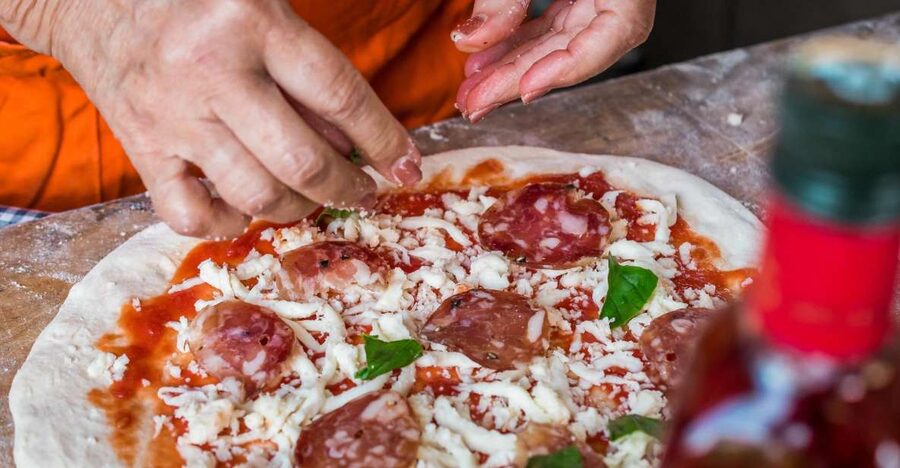
Once dough is ready for class, the action ramps up. You learn how to stretch the base and how to handle it without tearing. Then you choose toppings and build your pizza your way.
Luigi tends to focus on the practical mechanics: how to work the dough, how to keep the texture light, and how to avoid common beginner mistakes. The stretching part is the fun moment because it feels simple once someone shows you how, and then you realize your hands need a little guidance.
Toppings are part of the experience too. Each person gets to add their preferred toppings, so you get a little personal creativity inside a strict traditional method.
One more detail I respect: dietary needs can be handled. A participant with a gluten allergy reports that the instructor provided gluten-free ingredients and baked their pizza separately to avoid cross-contamination. If you need a specific accommodation, this is a strong sign to ask questions early.
Traditional Oven Time: Watching Your Pizza Cook Fast
Neapolitan pizza cooking is all about heat, and the class uses a traditional style oven. After your pizza is prepared, you bake it in that oven like a real Italian chef would do in a serious setup.
Timing is quick. One participant notes the pizza cooked in about 3 minutes, which matches the idea that a proper oven gets everything done fast. You get to watch the oven moment, and that is where the lesson becomes real food, not theory.
This is also where the earlier steps pay off. If the dough was stretched too thick, it does not behave the same. If toppings are placed poorly, the pizza does not cook evenly. Watching it cook helps you connect cause and effect.
And yes, you will probably be tempted to eat standing up, just to catch that first slice while it is hot.
Wine, Lunch, and Tiramisu: The Meal That Makes It Worth It
The class ends with eating your pizzas, and that is not an afterthought. The pizza you make is served as lunch, often with local wine included, plus water and soft drinks.
After the pizza, you get tiramisu for dessert. It is a classic pairing because it gives you a sweet finish that feels appropriate for an Italian cooking session.
If you want a simple way to think about it, this experience is structured like a full dining arc:
1) tastings to set your palate
2) cooking to build skill
3) shared meal to enjoy the results
For me, that rhythm is why it feels like culture, not just a snack-and-spectacle. You learn, then you sit down and enjoy.
Price and Value at $71 for 1.5 Hours
Let’s talk value honestly. At $71 per person for a 1.5-hour class, you are paying for more than dough and flour.
You get several bundled items that add up fast if you try to recreate them on your own:
- pickup and drop-off to the hills (so you are not figuring out transport)
- tastings of mozzarella and olive oil
- water, soft drinks, and wine
- instruction in English, including dough technique and shaping
- lunch that includes the pizzas you make
- dessert, tiramisu
So the price makes more sense when you think about how much food and guided cooking time you get for that length of time. It is not a half-day event, but it is also not a quick 45-minute stop. You get enough time to learn, cook, and eat without dragging on.
If you are comparing this to a basic pizza tour that is mostly walking and eating one slice, this is the more skilled option. If you are comparing it to private cooking instruction, it is a bargain because the whole setup and oven access are included.
What to Bring, What to Expect, and Small Practical Tips
You do not need to be a pizza nerd to enjoy this, but you do need a mindset that pizza is a process. Bring curiosity. Show up hungry, but not so hungry you feel frantic before tasting starts.
A couple practical notes:
- Wear comfortable clothes for a hands-on kitchen moment.
- Plan your timing so you do not need to rush after class, since the meal and dessert are part of the fun.
- If you want to take something home, there is the option to purchase a bottle of olive oil, and an apron may also be available.
Also, think about your Sorrento day planning. Since you are picked up and taken to the hills, it is smarter to schedule this when you have some flexibility around the timing of transport.
Who Should Book This Sorrento Pizza Class, and Who Might Skip It
This is a great fit if you want:
- beginner-friendly cooking instruction in English
- hands-on dough, stretching, and topping practice
- a local-food focus, mozzarella and olive oil first
- a complete meal with wine and dessert
It also works well for couples and families. Multiple people mention kids enjoying making their own pizza, and the lesson feels interactive enough that younger participants are not stuck watching the whole time.
Who might consider skipping? If you already know how to make Neapolitan dough and you are chasing deep fermentation science or advanced dough troubleshooting, this may feel more like a fun, structured basics class than a technical workshop. The class is designed to get you eating good pizza fast, not to run a lab session.
And if you specifically want to bake the same dough you mixed minutes earlier, remember the 24-hour rise constraint. You learn the method, but the oven pizza relies on dough planning.
Should You Book This Sorrento Pizza Making Class?
Yes, I think you should book it if you want a genuine, food-first afternoon in Sorrento. The biggest reason is the combination of instruction and eating. You do not just taste Italian food, you learn how it comes together, then you sit down to enjoy the results with wine and tiramisu.
Book it sooner rather than later if your trip dates are fixed. This kind of class is popular, and timing in the hills is easier when you do not scramble.
Finally, if you have dietary needs, ask ahead. The team has shown they can handle gluten allergies by using gluten-free ingredients and keeping the cooking separate. That kind of care is exactly what you want in a hands-on class.
If you come for pizza, you will leave with pizza skill. And if you come for fun, you will probably leave with a new favorite way to eat in Italy.
FAQ
Where does the pizza class take place?
You are picked up in Sorrento and taken to Tirabuscio cooking school, located about 15 minutes by drive from the city center, in the hills around Sorrento.
How long is the Sorrento pizza making class?
The experience runs for about 1.5 hours.
Is the class taught in English?
Yes, instruction is provided in English.
What is included in the price?
The package includes pickup and drop-off, water, soft drinks, and wine, tastings of olive oil and mozzarella, a pizza lesson with lunch (the pizzas you make), and dessert.
What do I eat during the experience?
You taste mozzarella and olive oil, then you eat the Neapolitan pizzas you help prepare, followed by tiramisu for dessert. Lunch is included.
Do you make the pizza dough yourself?
You learn how to prepare fresh Neapolitan pizza dough. Because the dough needs at least 24 hours to rise, the dough used for the pizza you bake may be prepared ahead, but you still learn the dough method and you shape and top your pizza.
Can the class handle a gluten allergy?
One participant reports that gluten-free ingredients were provided and their pizza was cooked separately to avoid cross-contamination.
Is it possible to cancel for a refund or pay later?
Yes. You can cancel up to 24 hours in advance for a full refund. You can also reserve now and pay later.
Reviewed lately around Sorrento
- Amalfi Coast Boat Tour from Sorrento with Positano Visit★ 4.5 · 507 reviews
- From Sorrento: Path of the Gods Guided Hike with Transfers★ 4.8 · 530 reviews
- Small Group Boat Tour: Day Cruise from Sorrento to Capri★ 4.5 · 532 reviews
- From Sorrento: Pompeii Half-Day Skip-the-Line Tour★ 4.6 · 541 reviews
- Private Day Tour: Sorrento, Positano, Amalfi, Ravello from Naples★ 4.5 · 546 reviews
- From Sorrento: Capri Small-Group Boat Tour with 4 Hours ashore★ 5.0 · 552 reviews
- Day Trip of Pompeii, Sorrento and Positano from Naples/Salerno★ 5.0 · 560 reviews
- Private / Small Group at “Quanto Basta” School in Sorrento center★ 5.0 · 574 reviews
Workshops, compared.
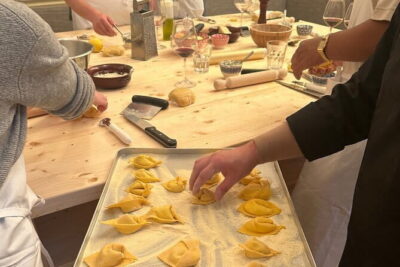
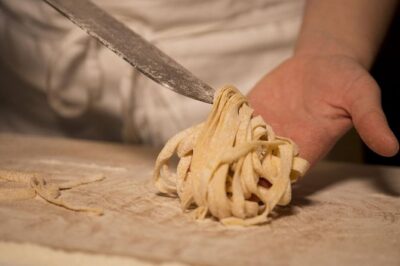
3 in 1 Cooking Class near Navona: Fettuccine, Ravioli & Tiramisu
Read our review →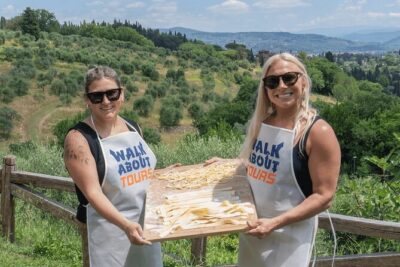
Florence Pizza or Pasta Class with Gelato Making at a Tuscan Farm
Read our review →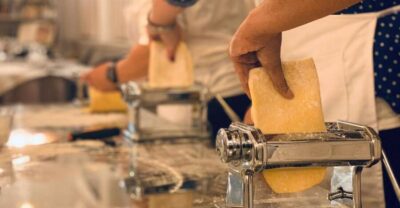
Pasta & Tiramisu Cooking Class with Unlimited Wine
Read our review →
Pizza-Making Workshop with Drink and Appetizer
Read our review →
Pasta & Tiramisu Class with Fine Wine by the Vatican
Read our review →
Cooking Class and Lunch at a Tuscan Farmhouse with Local Market Tour from Florence
Read our review →Browse the lists this tour appears in