
Reviewed · DESSERT TOURS
Rome: Trevi Fountain District Underground Tour and Ice Cream
Rome’s Trevi Fountain district is famous above ground, but it gets much more interesting when you go below it. This 1-hour tour turns the Trevi area into a real story about Roman water, with the Vicus Caprarius underground site and guides like Carla bringing it to life. You’ll also get the city’s famous “water” idea in a way a map never can.
What I like most is the way you connect the dots, from the Trevi Fountain’s water to the pipes and pools that fed a luxury Domus residence underground. I also love the simple finish, you get an Italian gelato at the end. One drawback to plan for: the Trevi Fountain portion is short, so you’ll mostly look at it from the plaza crowd side rather than getting that perfect up-close photo.
Key highlights worth your time

- Ancient coins and amphorae: You’ll see finds from the Imperial Age, including items tied to everyday life and trade.
- The Roman “City of Water”: The tour explains why this area earned that name, using the water system you can actually picture.
- Finds from excavation: Highlights include polychrome marble coverings, the famous head of Alessandro Helios, 800 coins, and an African oil amphora called the Spatheia.
- Small, close-up underground viewing: It’s mostly inside and hands-on in feel, with guides praised for clear explanations and humor, like Noemi.
- Cooling break in the heat: The underground sections can feel like a smart escape when Rome is hot and loud.
- Gelato as the finale: You end with Italian gelato from a historic shop near the Trevi area.
Why Trevi has an underground story, not just a fountain
Trevi is one of those places where first-timers go for the Baroque show, the wish, and the photos. The twist here is that Trevi is really about water, both the dramatic fountain you see and the practical system that made Rome run.
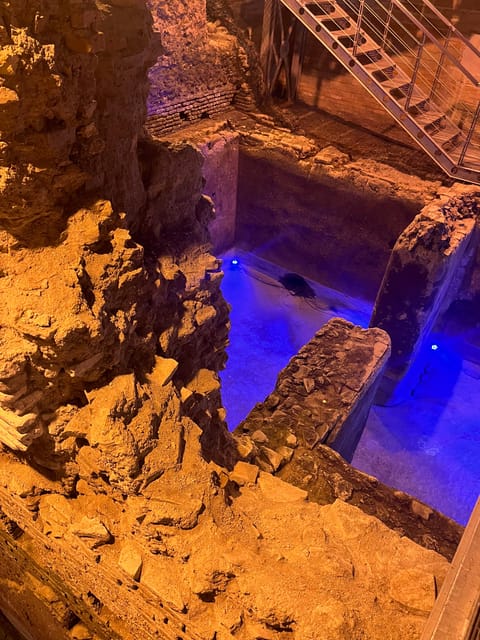
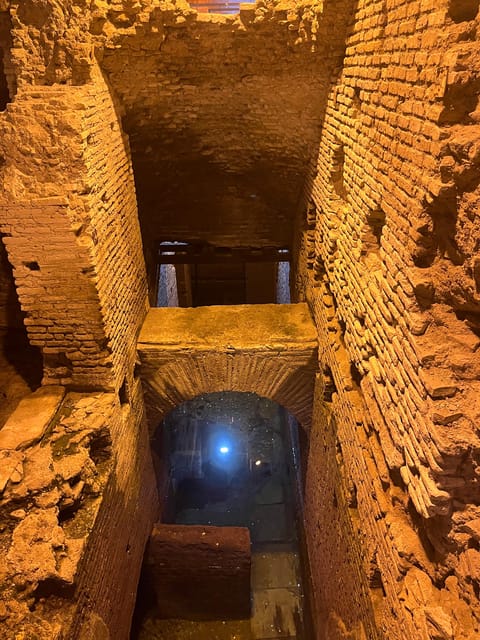
This tour focuses on the underground remains in the Vicus Caprarius area. You don’t just hear facts. You see how Roman builders worked with water, how it traveled, and how it shaped buildings. That’s the part that makes the experience feel different from the usual “look at a monument” sightseeing.
More Rome bookings worth a look
- Rome: Pasta Making Class with Wine, Limoncello, and Dessert
★ 4.9 · 3,177 reviews - Rome Cooking Class: Make Pizza and Pasta with Wine & Dessert
★ 4.5 · 651 reviews - Florence: Handmade Pasta & Dessert Class with Unlimited Wine
★ 4.8 · 788 reviews
Price and time: what you get for $52 in 1 hour
At $52 per person for about 1 hour, you’re paying for three things: reserved access to the Vicus Caprarius area, a live English guide, and the included gelato. That’s a fair bundle for central Rome, where you often end up buying tickets plus a guide plus food separately.
The best value comes if you’re short on time but want something more than the Trevi crowd loop. It’s also a strong choice if you’re traveling in summer heat, because a good chunk of your hour happens underground.
Just keep expectations realistic. This is not a long, slow wandering session around Trevi Fountain. It’s a compact overview of the underground site, then a quick look above ground.
Getting there: meeting at Vicolo del Puttarello, 25
Your meeting point is Vicolo del Puttarello, 25. Arrive at least 15 minutes early so you can check in and settle before the underground portion starts.
Wear comfortable shoes. The surfaces are not described in detail, but underground walking is usually less forgiving than street level. Also, this tour is not suitable for people with mobility impairments or wheelchair users, so plan accordingly.
Vicus Caprarius: the underground that feels surprisingly close
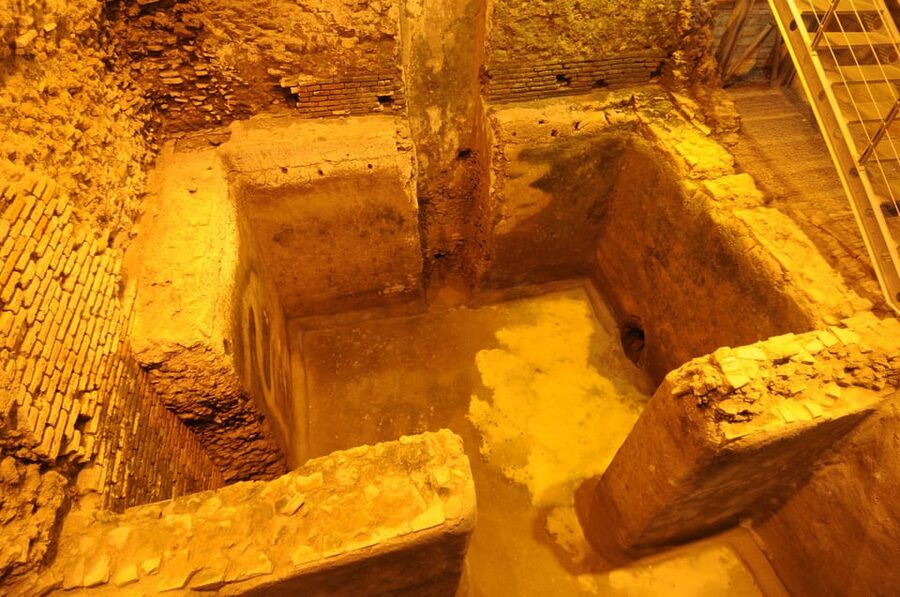
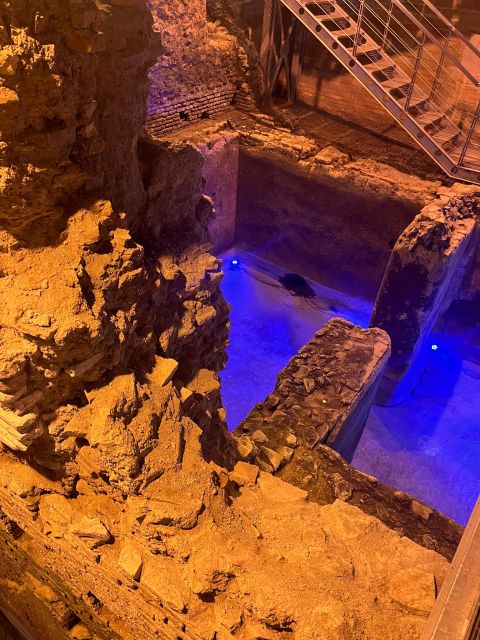
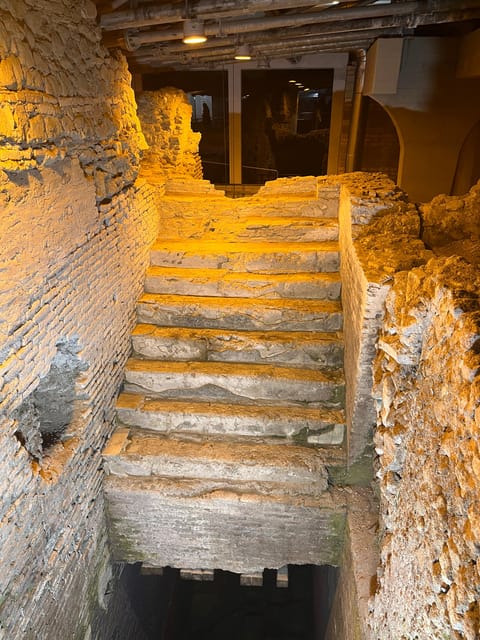
The heart of the tour is the Vicus Caprarius underground visit, about 40 minutes. You enter a site that’s divided into multiple sections, and you move through them with a guide.
This is where the tour shines if you like Rome when it’s practical. The highlights you can expect to hear about include:
- Ancient coins connected to the excavations
- Amphorae, including an African oil transport amphora called the Spath(e)ia
- Polychrome marble coverings, which hint at how decorative some Roman spaces could be
- The head of Alessandro Helios, one of the more famous finds linked to the site
The tour also mentions the help of an archaeologist, which matters because these kinds of sites get better when you know what you’re looking at and why it survived.
In some guides’ pacing, you also get extra time to take photos and really look. A few tour notes mention the use of headsets, which can make a big difference in underground spaces where you might otherwise strain to hear. If you’re sensitive to loud groups, that detail is worth appreciating.
More from a Rome stay:
- Colosseum, Roman Forum & Palatine Guided Tour
★ 4.7 · 63,148 reviews - Vatican Museums, Sistine Chapel & St Peter’s Basilica Guided Tour
★ 4.5 · 39,149 reviews - Rome: Colosseum, Palatine Hill and Roman Forum Guided Tour
★ 4.8 · 32,814 reviews - Rome: Guided Tour of Colosseum, Roman Forum & Palatine Hill
★ 4.7 · 27,897 reviews
What this part teaches you (even if you barely studied Rome)
The underground ruins make a strong point: Roman water wasn’t just about fountains. It was about supply lines, building features, and daily routines. Seeing the finds next to the water-story helps you understand why Romans treated engineering like a serious civic skill.
It also helps you “re-age” the area. Above ground, Trevi feels like a monument. Underground, it starts to feel like a working neighborhood, with real objects from real lives.
The water story: from Trevi to the Domus residence
After the underground finds, the tour shifts into what I think is the most memorable concept: the water route. You learn why this area is connected to the idea of the City of Water, and how water moved through ancient masonry and continued into functional spaces.
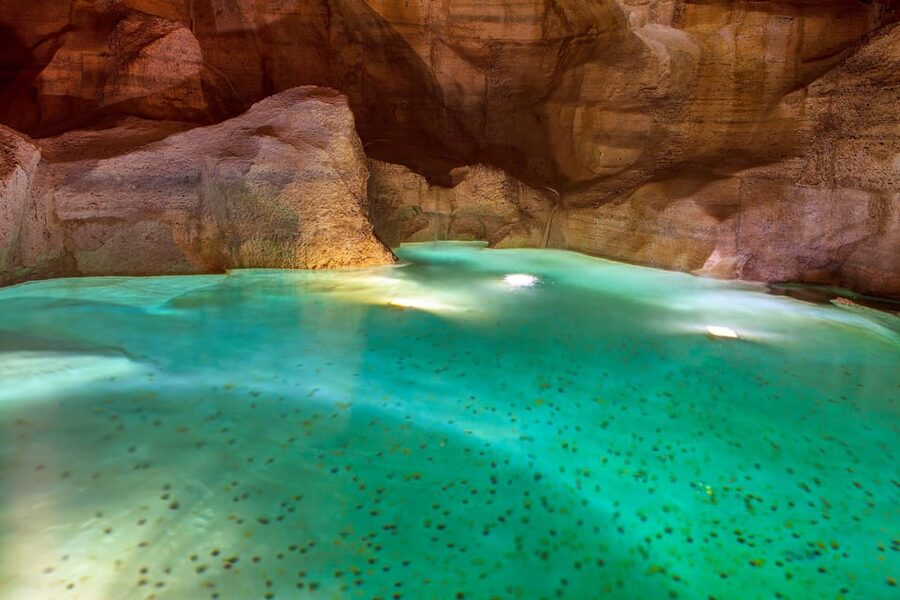
The tour explains that the water flowing from the Trevi Fountain would filter through the ancient masonry of the archaeological area. Then it would supply the pipes and the pools tied to a luxury Domus residence.
That “downward” story is exactly what turns a normal sight into something you remember. You’re not just looking at a fountain. You’re seeing the infrastructure that supports a city’s buildings, comfort, and status.
You may also hear connections to Roman aqueduct systems. Some tour feedback specifically highlights discussion of the Virgo aqueduct, which fits the broader theme of water networks beneath Rome. Even without that name, the structure of the explanation is the point: water had a job, and the Romans designed for it.
A practical tip for this section
Take mental snapshots. When the guide explains the path of water, repeat it back in your own words while you’re standing in front of what they point to. You don’t need to memorize details. You just need to keep the flow in your head, because it makes the rest of Rome click.
Trevi Fountain: the quick above-ground check you should plan for
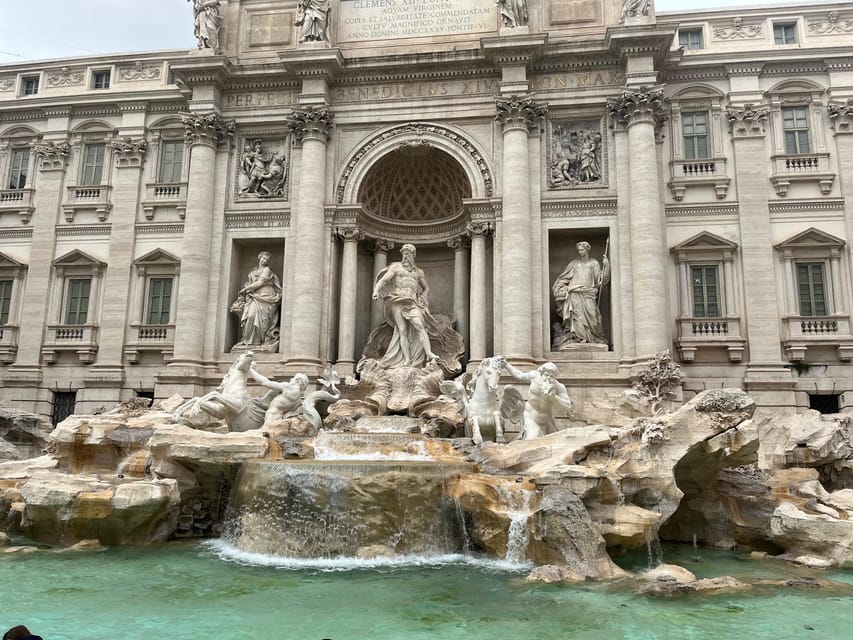
Then comes the short Trevi Fountain portion, about 5 minutes of guided time. You start with the iconic tradition, making a wish at the fountain.
Here’s the key practical point: this tour is not designed for lingering at Trevi. Multiple tour notes emphasize that you don’t get the super close viewpoint many people hope for. Instead, you mostly see the fountain from the plaza side with crowds all around, while your guide explains exterior features and context.
That can still be worth it, because it turns your Trevi stop into more than a photo. But if your priority is time at the fountain itself, you’ll want to plan extra time on your own before or after your guided hour.
If you’re photo-focused, consider this strategy: get your Trevi fountain fix when you have free roaming time, then use the tour for the story under your feet.
Gelato finale at a historic shop near Trevi
The last part is the fun, tasty reward: Italian gelato from a historic gelato shop near the Trevi Fountain area.
A few details from tour notes are especially helpful. Some setups work like a voucher or coupon, meaning you might pick what you want once you arrive. One tour note also mentions getting a voucher style plan rather than paying outright for gelato during the tour.
Either way, gelato included changes how you experience the hour. It gives you a cool break right after the underground part, which can feel great when Rome is warm. And it gives you a straightforward local treat without adding extra planning.
If you’ve ever had Rome gelato that was fine but not special, this kind of built-in stop is a smart way to reduce the guesswork.
What kind of traveler this tour fits best
This tour is a strong match if you want Roman history that’s about engineering and everyday function. It’s also great if you enjoy seeing how the city actually worked, not just what it looked like.
It’s especially good for:
- First-timers who already plan to see Trevi and want a second layer
- People who like aqueducts and water systems as more than trivia
- Travelers who want a cool break from heat, because a lot happens underground
- Families who appreciate guides who keep kids engaged, including guides praised for humor and patience
It might be less ideal if you:
- Really want a long, unhurried Trevi Fountain moment
- Need an accessibility-friendly route, since it’s not suitable for wheelchair users
- Prefer walking tours that cover multiple major monuments above ground, because this is more “one focused hour” than a big sightseeing loop
Should you book it? My honest take
I’d book this if you want Rome to surprise you in a smart way. You get a compact, guided walk that explains the Trevi area as a water system, then you finish with gelato without extra work. The underground setting also makes it feel more “real” and less like a slideshow.
Skip it only if your main goal is spending lots of time at Trevi Fountain itself. This tour is designed to teach you what’s under the famous surface, not to replace a full Trevi plaza visit.
If your schedule can handle one focused activity, this is a high-value way to use an hour in central Rome.
FAQ
How long is the Trevi Fountain district underground tour?
The total duration is about 1 hour.
What’s included in the price of $52?
You get assistance, reserved entry ticket access for the Vicus Caprarius area, a guided tour there, Trevi Fountain access ticket, and Italian gelato.
Where do I meet, and how early should I arrive?
Meet at Vicolo del Puttarello, 25, and arrive at least 15 minutes before your selected start time.
Is the tour offered in English?
Yes, the live tour guide language is English.
What should I bring with me?
Bring comfortable shoes.
Is the tour wheelchair accessible?
No. It is not suitable for people with mobility impairments and it is not for wheelchair users.
Reviewed lately around Rome
- Rome: Private Customizable 3-Hour Golf Cart City Tour★ 5.0 · 229 reviews
- Papal Audience Experience with Pope Leo XIV★ 4.5 · 230 reviews
- The Three Tenors in Rome – Nessun Dorma★ 4.5 · 231 reviews
- Discover Rome in a Day – Private Driver Tour★ 5.0 · 231 reviews
- Rome: Colosseum, Roman Forum & Palatine Hill Group Tour★ 4.7 · 232 reviews
- Rome Airport Transfer – Private Luxury Service with Driver★ 4.5 · 231 reviews
- Fast track: Vatican Museums, Sistine Chapel Guided and St. Peter’s Basilica Tour★ 4.5 · 232 reviews
- Moonlight Rome: Night Walking Tour of Roman Highlights★ 5.0 · 232 reviews
Dessert Tours, compared.

Pasta Making Class with Wine, Limoncello, and Dessert
Read our review →
Handmade Pasta & Dessert Class with Unlimited Wine
Read our review →

Rome Cooking Class: Make Pizza and Pasta with Wine & Dessert
Read our review →Browse the lists this tour appears in