Reviewed · GUIDED
Rome: Trevi Fountain District Underground Domus Guided Tour
Rome’s Trevi area is famous for the fountain, but this experience is interesting for a different reason: you drop into the archaeology that helped make the fountain possible, about 9 meters underground. It also feels special because you are led through what Roman life looked like when water, money, and luxury all lived side by side.
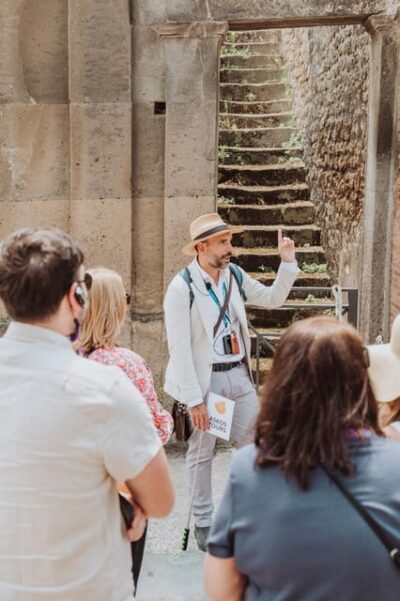
My favorite part is the archaeologist-led tour with guides like Naomi, Erica, and Michelle, who connect details to what you can actually see. I also love the clear focus on the underground water route, from the Trevi area supply system to the luxurious domus pools.
One consideration: the title can make people expect Trevi Fountain itself up close, but the guided time at the fountain is short, and it can be very crowded.
Key things you will notice on this underground Trevi tour
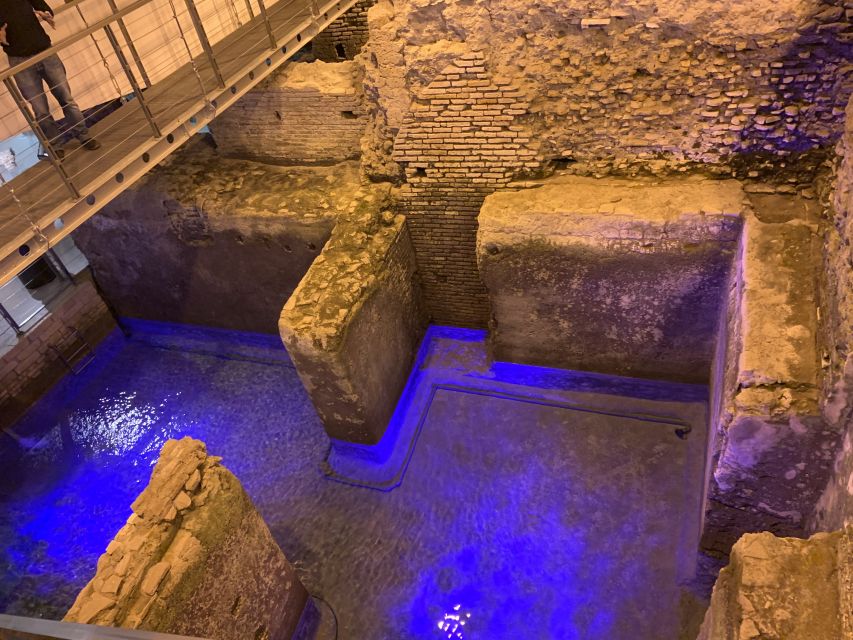
- Vicus Caprarius, City of Water, where ancient water infrastructure shaped daily life
- Water follows a story, with Trevi-area supply described as it filters through ancient masonry
- Roman engineering details like polychrome marble, coins, and African amphorae for oil
- A domus residence is part of the plot, with pools and pipes tied to the water supply
- Live English guide + strong Q&A rhythm, and small group pacing in a tight space
- Trevi Fountain is nearby, but your guided time at the fountain is brief, not a private viewing
9 meters down, Vicus Caprarius up close

This tour makes Rome feel layered in a way most sightseeing does not. Above ground, Trevi is theater. Underground, you get the real plumbing, masonry, and artifacts that explain how Romans made water work at scale.
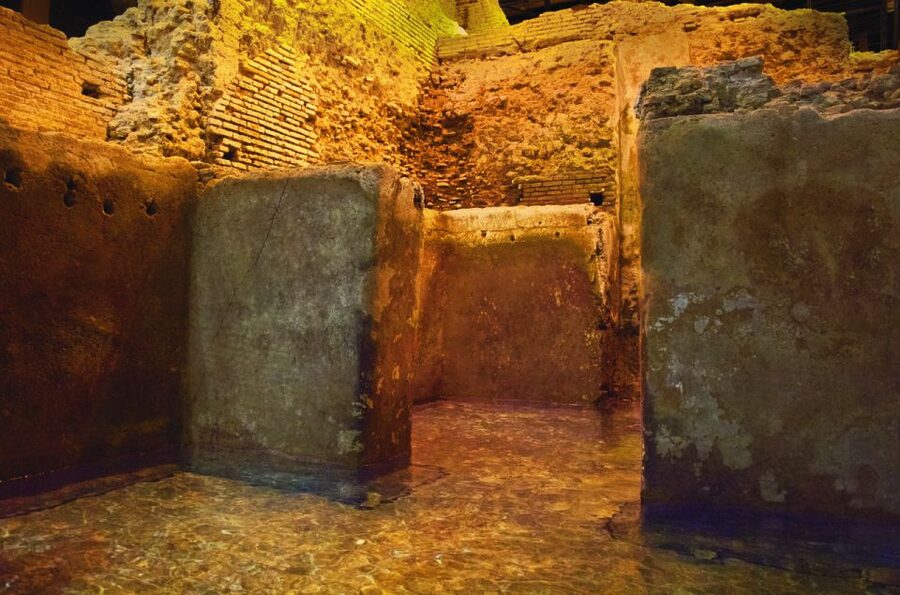
You start at the Vicus Caprarius archaeological area, nicknamed the City of Water. The name is not just marketing. The space is built around the idea that water had to be collected, moved, and controlled, and you can see that thinking in the physical remains. You are not reading about it in a textbook. You are standing near the sort of structures that once carried the life-giving stuff that eventually fed the Trevi Fountain region.
The payoff is perspective. Even if you have seen Trevi Fountain a dozen times in photos, this tour helps you look at it like the end point of a system, not just a pretty monument.
Your 45-minute plan, how the time gets used
The total experience runs about 45 minutes. The bulk of your time is underground, then you walk back up to Trevi Fountain for a short guided visit.
That rhythm matters. When you only have a short window, you want the underground portion to be the main event, and it is. The guide uses the time to keep the story moving: what the site is, what the water is doing, and why the finds matter.
Also, the underground setting is not huge. Some people note it can feel tighter than expected, and there may be more than one tour running at once, even in different languages. That means your experience will be best if you stay flexible, listen closely, and plan on short photo stops rather than a long wander.
Stop 1: Vicus Caprarius, the City of Water
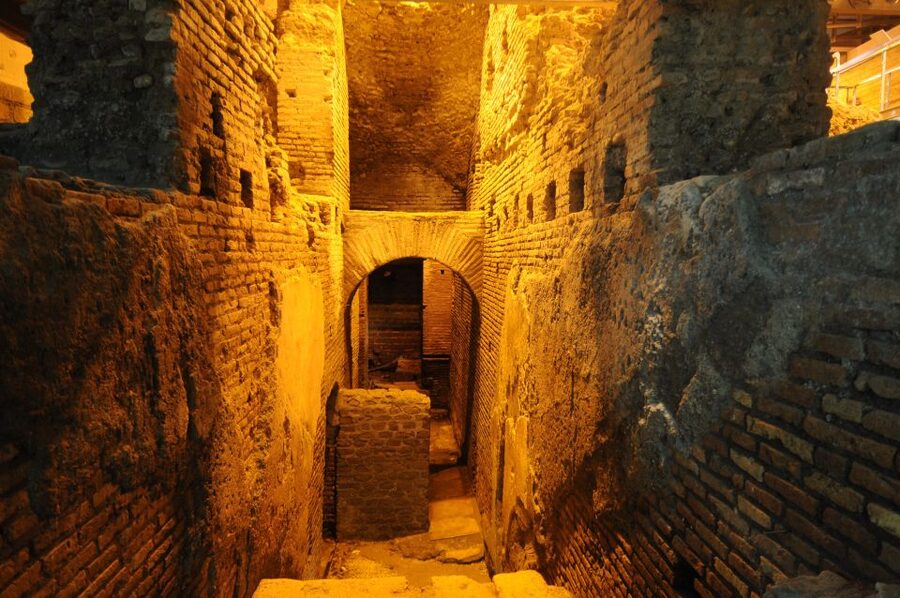
This is the heart of the tour. You spend roughly 40 minutes in Vicus Caprarius with a live guide who leads you through the site’s key areas.
What you are looking at is an archaeological record of everyday infrastructure. The tour follows the water route in a way that helps your brain form a mental map. You start with what the area is, then you trace how water moved and filtered through ancient masonry.
The guide also frames the site as part of a broader neighborhood story. The Vicus Caprarius sections connect to what Romans built, how they handled water, and how architecture shaped comfort and status.
If you like seeing Roman history as engineering, this stop is a treat. It is not just ruined walls. It is an operating logic from two millennia ago.
Luxury shows up here, not just utilitarian grit
One of the most fun things you learn is how the underground water system links to a luxurious domus residence nearby. The tour describes how water supply systems fed pools and pipes tied to that elegant home.
On top of the practical water story, you get details about standout discoveries, including:
- polychrome marble
- the head of Alessandro Helios
- hundreds of ancient coins
- African amphorae used to transport oil
These details help you understand that water infrastructure was not only for survival. It also supported comfort, display, and daily routines for people with the means to enjoy them.
Following the water route to the domus pools and pipes
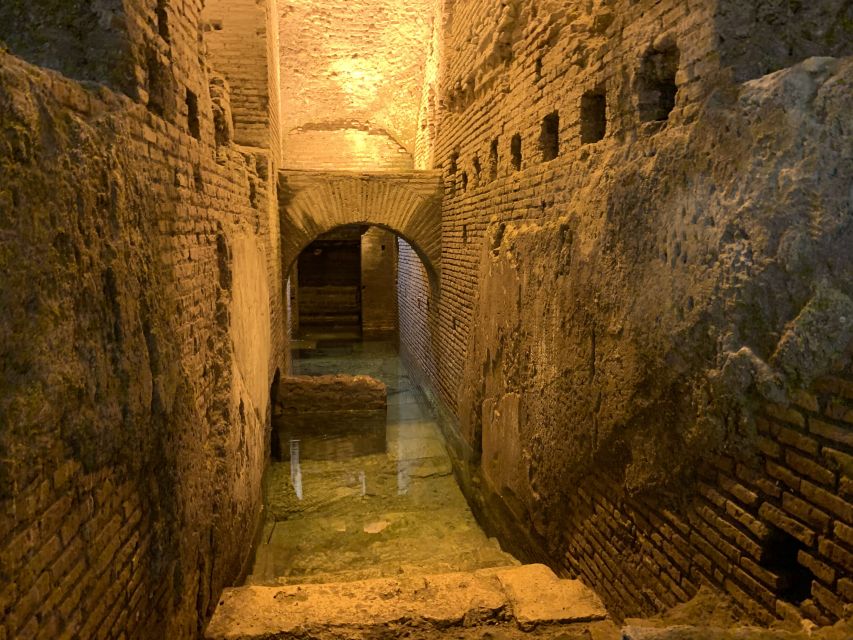
The tour takes you through the idea of “the path of water,” and that is where the experience really clicks.
You learn that water associated with the Trevi area was routed, filtered, and moved through ancient structures. The guide explains how that underground flow connects to what Romans used in domestic spaces, including pools fed by the system and the pipes that carried the water where it was needed.
This is the part that turns a scenic fountain stop into a systems story. After this, you will likely catch yourself thinking about plumbing when you see fountains in other cities. Not because Rome is the only place that engineered water, but because this tour makes the invisible visible.
And it is satisfying in a very specific way: you are connecting artifact to function. Coins and amphorae are not just objects on a wall. They fit into trade, household life, and the supply chain that supported the domus lifestyle.
Stop 2: Trevi Fountain access, what you get in the 5 minutes

At the end, you reach Trevi Fountain. This is where expectations can trip you up.
The key thing to know: this tour does not send you underneath the actual Trevi Fountain structure in a behind-the-scenes way. Your underground site is next to the fountain, and the tour concludes with a short guided view at the fountain itself. That means you get the Baroque design and a quick orientation, but you do not get private, uncrowded access.
Also, Trevi Fountain can be very busy. Still, you have the chance to visit afterward because fountain entrance is free. The tour includes access support for the timing of your stop, but it does not replace the reality that the square can be jammed.
If your main goal is the fountain as a photo moment, schedule extra time for it on your own. Do not treat those final minutes as your only chance.
What the archaeologist guide style adds
A big reason this tour scores well is the way the guide runs the session.
From the names that have led groups like Naomi, Erica, Erika, Noemi, Federica, and Alessia, a pattern shows up: guides tend to stay animated, answer questions, and connect the underground story to what you see around Rome. A few guides have a humor streak, and that helps when you are standing in the kind of space where people might otherwise tune out.
I also like that the tour format gives you enough time to ask things, without turning it into a lecture you cannot escape. You are also not stuck with just one straight line of facts. The best guides let you bounce between questions about water, artifacts, and what the site tells us about Roman life.
One practical note from experience reports: some groups use radios or audio assistance so everyone can hear. If you notice a small device or headsets, use it. It makes a difference, especially if multiple tours are happening nearby.
Price and value: is $50 worth 45 minutes?
At around $50 per person for about 45 minutes, this is not a bargain-basement activity. But it can be good value if you care about context.
Here is where the value comes from:
- You get reserved entry to the Vicus Caprarius archaeological area.
- You get a guided visit led by an archaeologist guide rather than a self-guided walk.
- You get access support tied to the Trevi Fountain stop.
What you do not get is also clear. Audio guide is not included, and food and drinks are not included. For some people, that is fine, since the tour is short. For others, it means you should plan a snack break nearby if you are doing this as part of a longer Trevi day.
My rule for deciding on this one: if you want the story behind why the water mattered, and you like seeing artifacts used to explain daily life, this price feels fair. If you only want photos at Trevi Fountain, you can probably spend less elsewhere.
Timing it right in your Rome day
You can do this on many schedules, but the best approach is to do it early in your stay if you like making connections.
One reason: the tour helps you interpret what you see later around the city. People often say the underground explanation makes their other sightseeing click, including how Rome’s water and architecture worked together. If you do Trevi and then immediately understand the water route, you remember it longer.
Also, because Trevi Fountain gets crowded, build slack into your day. If you want good photos, plan to come back or stay nearby after the tour.
If you have limited time, the underground stop is the part you should treat as non-negotiable. You are there for the City of Water and domus water system story, not for waiting in the square.
Practical tips so you have a smoother visit
This one is simple, but a few small choices matter.
- Wear comfortable shoes. The tour is underground and you will be on your feet for the full time.
- Keep your phone accessible for photos, but do not treat the whole tour like a photo shoot. In tight spaces, moving quietly helps everyone.
- If you see audio devices or radios, do not skip them. Hearing the guide is a big part of getting value from a short tour.
- Go in expecting a short guided stop at Trevi Fountain. Then handle your fountain photos afterward at your own pace.
One more practical reality: because the area is compact, you may pass other tour groups. Try to follow your guide’s pacing and focus on what they point out rather than trying to see everything at once.
Who should book, and who might prefer something else
This tour is a great fit if you:
- like Roman engineering and water systems
- enjoy archaeology that connects artifacts to everyday life
- want an English guided experience with live explanation and Q&A time
- are curious about the Trevi district beyond the postcard fountain
It is less ideal if you:
- need wheelchair access or have mobility impairments, since it is not suitable for mobility impairments or wheelchair users
- expect the tour to be a long, uncrowded visit under Trevi Fountain itself
- dislike tight underground spaces or shared activity areas where multiple tours may be running at once
If you are on a tight schedule and you love context, this is the kind of add-on that makes Rome feel deeper without eating your whole day.
Should you book the Rome Trevi Fountain District Underground Domus Guided Tour?
Yes, I would book it if your heart is set on understanding how Rome’s water and luxury infrastructure worked together. The underground Vicus Caprarius stop, the focus on the water route, and the domus connections are what make the experience worth your time.
Before you buy, match the title to the reality. You are not getting private access under the fountain itself. You are visiting the underground site next to Trevi, then doing a short guided visit at the fountain in a very busy square.
If you want a guided history story in English with an archaeologist lead, and you are excited by coins, amphorae, marble, and Roman water engineering, this is a smart use of 45 minutes in Rome.
Guided, compared.

Colosseum, Roman Forum & Palatine Guided Tour
Read our review →
Vatican Museums, Sistine Chapel & St Peter’s Basilica Guided Tour
Read our review →
Colosseum, Palatine Hill and Roman Forum Guided Tour
Read our review →
Guided Tour of Colosseum, Roman Forum & Palatine Hill
Read our review →
Colosseum, Roman Forum and Palatine Hill Guided Tour
Read our review →
Naples Underground Entry Ticket and Guided Tour
Read our review →
Pantheon Fast-Track Ticket and Official Audio Guide
Read our review →