
Reviewed · COOKING CLASSES
Rome: Combo Pizza and Pasta Cooking Class with Wine
What makes this Rome food experience so interesting is the hands-on flow, from kneading pizza dough to shaping pasta, all in a Roman garden setting. I love the wood-fired oven part and the unlimited wine while you eat what you made. The main drawback to keep in mind is logistics, you meet at Laurentina metro and the ride back to the metro can feel like an afterthought at the end.
Chefs lead the class in a relaxed, practical way, and names like Giuseppe, Eduardo, and Alessandro show up in the experience in different groups. You also get a recap document, so it is not just a one-time meal. It runs about 3 hours, with a minimum age of 3 for participants.
Key things to know before you go
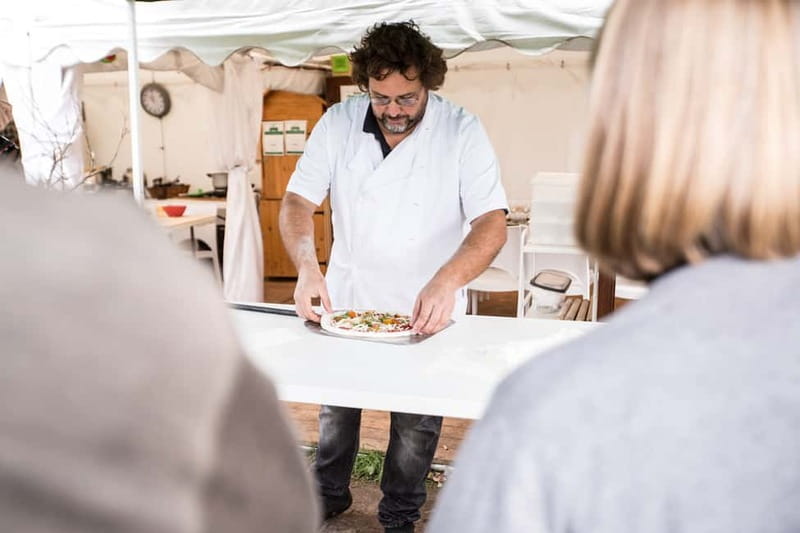
- Wood-fired Neapolitan pizza: knead dough by hand, customize toppings, and bake in a real oven
- Fresh pasta from scratch: you make multiple dough types and shape pasta like tagliatelle, fusilli, and farfalle
- Unlimited wine during the meal: red and white wine flows while you dine al fresco
- Tiramisù plus limoncello finale: homemade tiramisù tasting, then a chilled limoncello shot
- Roman countryside “Wood Houses” venue: open-air kitchen just outside the center, away from heavy crowds
- Real “do it yourself” teaching: instructors guide each step, and many people mention patient help
Rome Pizza and Pasta Class: What This 3-Hour Experience Really Feels Like
A Rome cooking class can be two things. Either it is mostly watching, with a little demo time for show, or it is a hands-on kitchen day where you actually do the work. This one leans hard toward the second option.
You will spend the morning or evening turning ingredients into food in front of you, not just tasting someone else’s results. That matters because pizza dough technique and fresh pasta shaping are hard to pick up from YouTube. Having a chef show the same steps you will repeat helps you get it right, and the tasting part makes everything click fast.
What I like most is the pairing of technique plus comfort. You learn kneading, shaping, and baking, then you sit down in an al fresco setting to eat. And yes, wine is included in a free-flow format while you eat. That combination is why this works for couples, solo travelers, and families who want something more active than a museum stop.
One thing to consider: this is not a door-to-door hotel pickup in the way some tours are. You meet at a specific metro point (Laurentina), and you do round-trip transport from there. If you hate metro days, this might feel like a small tradeoff, even though the transfer is handled for you.
More Cooking Classes in Rome
- 3 in 1 Cooking Class near Navona: Fettuccine, Ravioli & Tiramisu
★ 5.0 · 7,376 reviews - Rome: Pasta Making Class with Wine, Limoncello, and Dessert
★ 4.9 · 3,177 reviews - Rome: 3-in-1 Fettuccine, Ravioli, and Tiramisu Cooking Class
★ 4.9 · 2,704 reviews
Getting There at Laurentina, Then Leaving the City Crowds Behind
The experience starts at metro stop Laurentina. At the exit, a local partner staff member meets you with a cooking class sign. From there, you ride to the cooking venue outside the city center.
This is one of the clever parts of the plan. You get to keep your Rome day moving without having to manage a bunch of transfers yourself. At the same time, the venue is described as an open-air countryside kitchen in the “Wood Houses,” surrounded by nature. Multiple reviews mention the setting is calm and not crowded, which changes the mood entirely from central Rome’s busy lanes.
There are two practical things to watch. First, you do need to find the meeting point, so give yourself a little extra time around Laurentina. Second, transport duration is short but real, one review mentions about a 15-minute minibus ride. That is normal for moving out of the center, but it is worth knowing so you can mentally file this as part of the tour experience, not an inconvenience.
Also, one review complained about car comfort, mentioning a missing window and chilly air in October. That is not something you can control, so dress in layers if you are going in shoulder season or cooler months.
Inside the “Wood Houses” Venue: A Roman Countryside Kitchen Setup
Once you arrive, you are in an open-air kitchen space that feels like a countryside outbuilding, not a classroom. You get welcomed with a glass of wine and introduced to the chef leading the group.
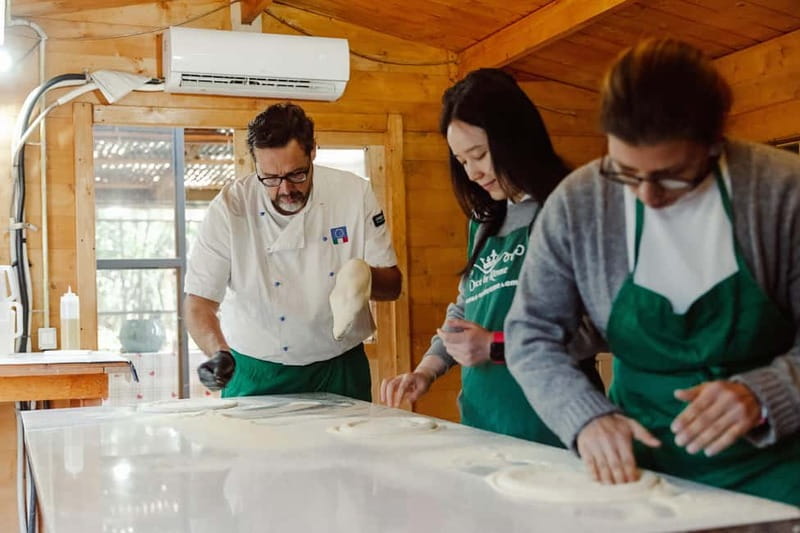
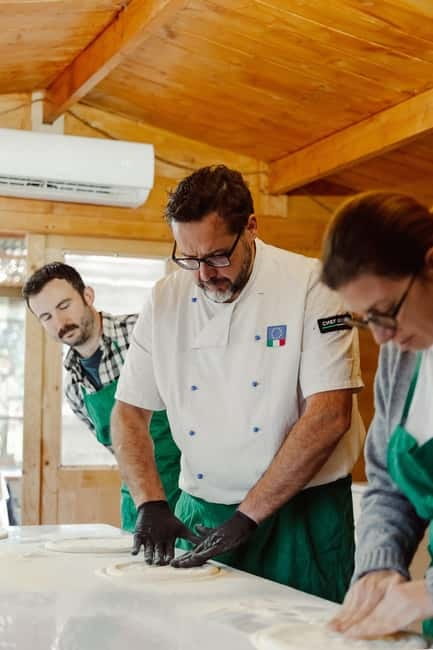
The teaching setup matters here. In some cooking classes, everyone stands around while one person does the work. Here, you are expected to participate, and that shows up in the positive feedback about people learning pizza dough handling and pasta shaping step-by-step.
In one account, the chef was described as a licensed Mastro Pizzaiolo and Pasta Maker, which fits the overall vibe: they know how to teach dough work, and they keep it fun. Reviews also mention humor and engaging instruction, with names like Eduardo and Giuseppe coming up repeatedly.
If you are traveling with kids, you might like that the class is designed as family-friendly with a minimum age of 3. Reviews mention chefs being patient with younger children, not just focusing on adults who can work the dough faster.
And a small real-world note: if you go when mosquitoes are active, bring bug spray. One review mentions getting bitten a few times, so do not rely on luck.
Neapolitan Pizza From Dough to Wood-Fired Oven
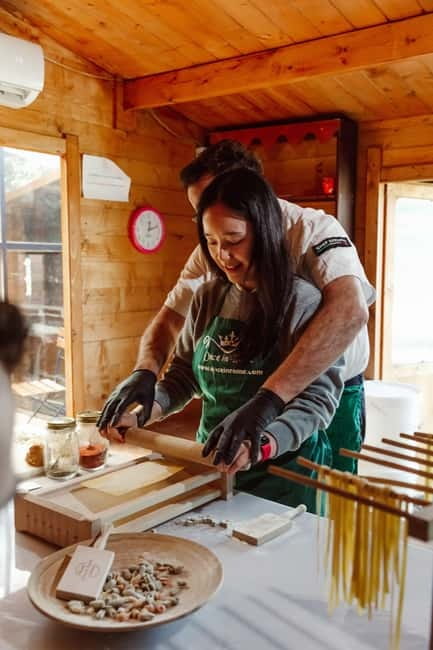
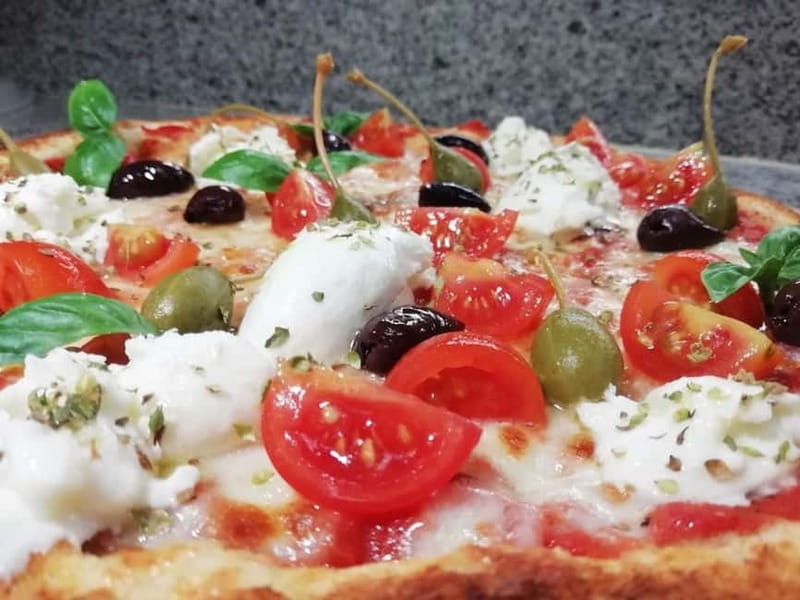
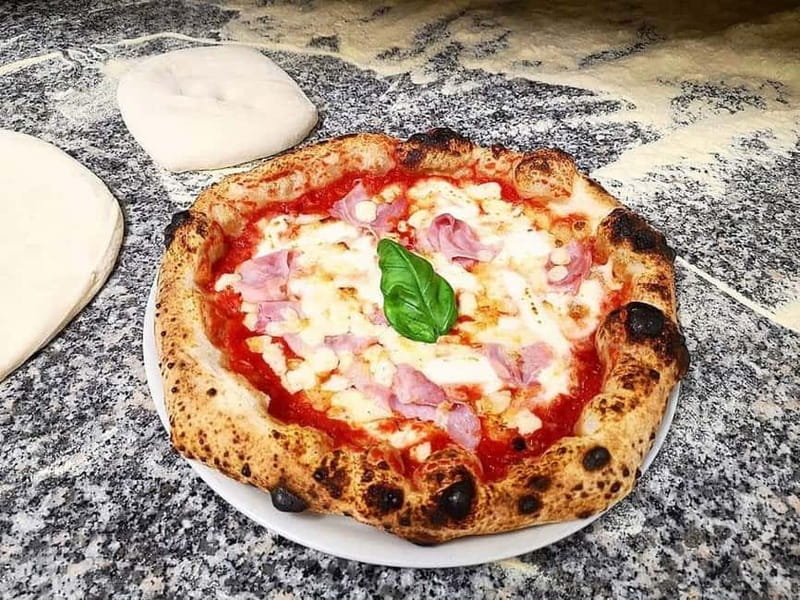
The pizza portion is the anchor of this experience. You start with dough work that is very hands-on. You knead by hand, learn how the dough should behave, and then you choose your toppings.
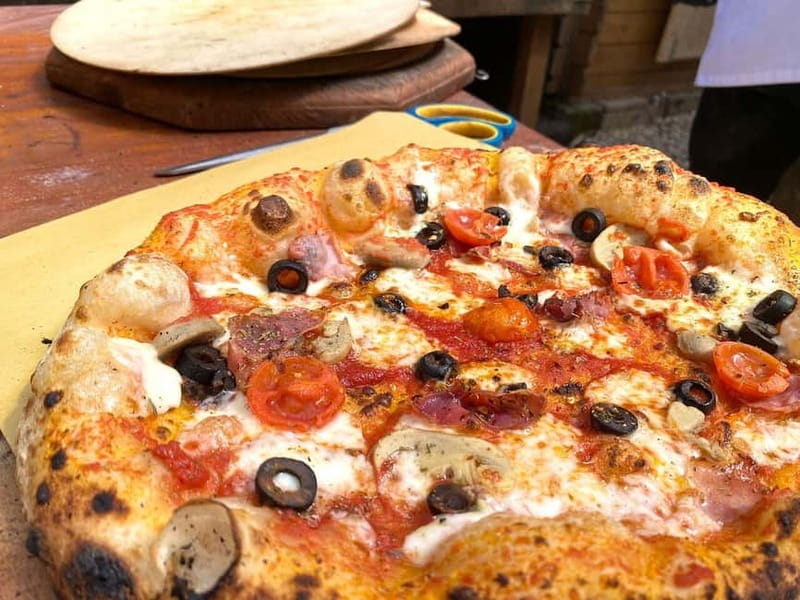
Then comes the part many food lovers remember most: baking in a wood-fired oven. That heat and timing are hard to replicate at home, so even if your first pizza is not identical to what a top pizzeria makes, you still learn the key skills you can apply later.
A couple of useful nuances from the way this class is described and reviewed:
- Pizza dough is sometimes pre-prepared, but you still see how it is made and you still do the hands-on kneading steps as part of your work.
- You personalize your own pizza before baking, so you are not just assembling toppings on a pre-made base.
One balanced note from a review: the final pizza quality was called mediocre by that person, while they still strongly recommended the class for the learning value. That is a good way to think about it. The goal is to teach correct dough technique and the method, not to guarantee restaurant-level toppings on your first try.
If you care about making pizza at home later, focus on what your dough feels like when it is worked and how the oven bakes it. That is the transferable part.
More Wine Tastings in Rome
- Rome: Tuscany & Montepulciano Day Trip with Lunch & Wine Tasting
★ 4.5 · 5,232 reviews - Rome: Pasta & Tiramisu Class with Fine Wine by the Vatican
★ 4.9 · 4,852 reviews - Rome Food Tour: Unlimited Tastings with Fine Wine & Barolo
★ 5.0 · 3,365 reviews - Rome: Trastevere Food tour with Free-Flowing Fine Wine
★ 5.0 · 2,853 reviews
Fresh Pasta Lab: Three Dough Types and Real Shapes
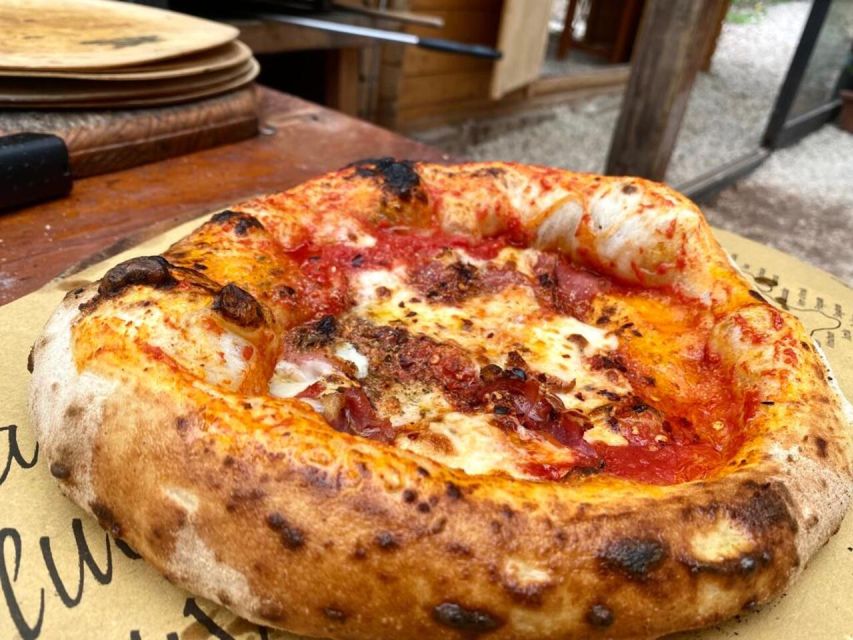
After pizza, you shift into pasta making, and this is where the class earns its “hands-on” reputation.
You learn to make three different types of dough:
- traditional egg pasta
- a water-based pasta
- a third dough type tied to pizza dough learning, so you get a sense of how dough behavior changes
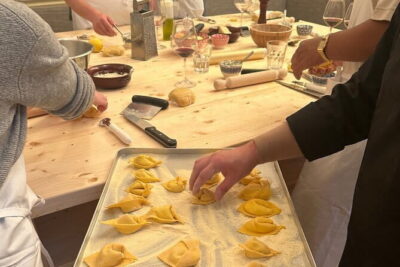
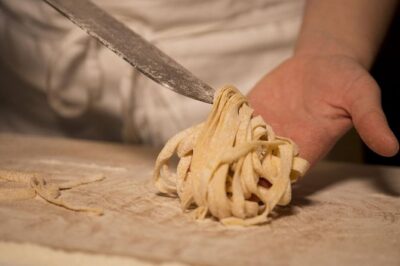
Then you shape pasta into different formats. Reviews mention shapes like tagliatelle, fusilli, and farfalle. That matters because the difference between a smooth, flat noodle and a ridged, twisted one is not just aesthetics. Sauces cling differently, and the shaping technique teaches you how to control thickness and structure.
You also cook the pasta with sauces. The class includes two seasonal sauces to pair with the handmade pasta. I like this approach because it keeps the lesson practical. You do not just make dough and stop. You see how the pasta and sauce work together in a real serving context.
Group pace is usually the balancing act in a pasta class. Too fast and it becomes stressful. Too slow and people lose attention. The repeated praise for patience suggests they manage pacing well, with chefs guiding everyone through the process, not just moving on quickly.
There is also at least one direct mention of dietary needs being handled. One review says a vegan guest was cared for and accommodated with requests during the class. That is not a universal guarantee you should assume, but it does suggest you should ask when you book if you have restrictions.
Dining Al Fresco With Wine: The Part That Makes It Stick
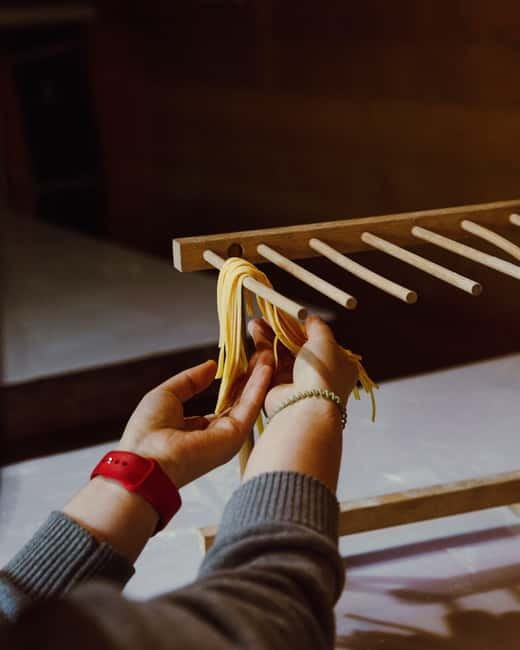
Food classes can be fun, but they can also be forgettable if the meal part feels like an afterthought. Here, the meal is built in from the start. You dine al fresco in the Roman countryside patio setting after doing the work.
Wine is part of that rhythm. You get free-flowing red and white Italian wines during the class. The minimum drinking age is 18. If you are bringing someone under 18, they can participate in the class if they meet the minimum age of 3, but obviously they will not be part of the wine portion.
This is also why the venue choice matters. Dining outside, in a calm garden or countryside patio, turns a cooking activity into an actual experience, not just a task list. Several reviews praise the chill, beautiful location.
If you are sensitive to air or temperature, dress accordingly. Since this is outside, weather can affect comfort. Also remember it is a garden setting, so insect repellent is smart.
Tiramisù and Limoncello: Dessert That Closes the Loop
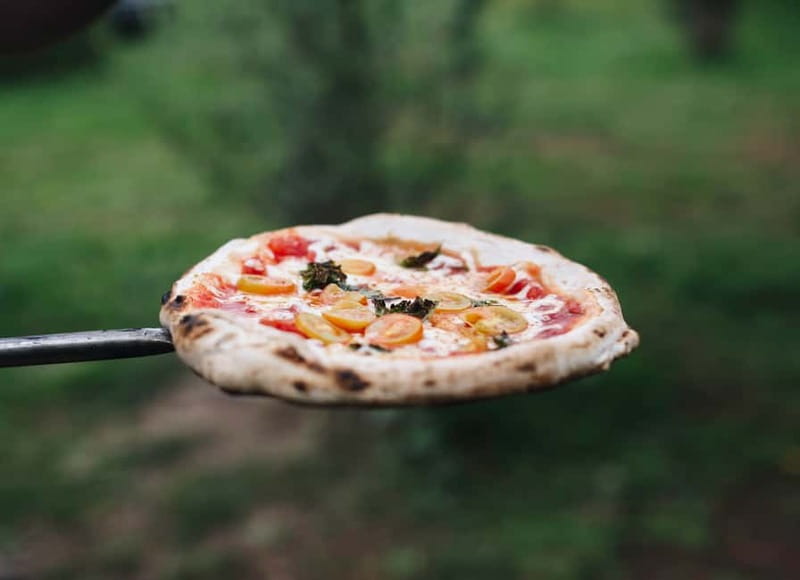
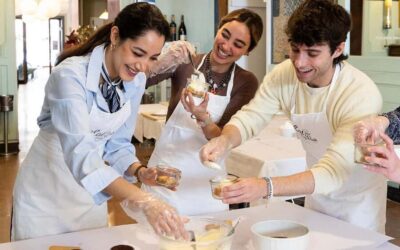
At the end, you get a homemade tiramisù tasting and then a chilled shot of limoncello.
This part functions like a “finish line.” You worked the dough, shaped the pasta, baked the pizza, cooked the sauces, and then you finally taste the dessert. It is not just extra food. It is part of the lesson on how Italians commonly build a meal ending.
That said, one review mentioned tiramisù tasting was served in a small pill-like plastic container, and they found it disappointing. Another review called it delicious. So your experience here might depend on portion presentation and what is happening in the kitchen that day.
Either way, the limoncello shot is a classic Italian digestivo, and the class treats it like a true finale rather than a random add-on.
The Most Valuable Part: The Recap Document You Can Actually Use
Some classes give you vague tips. This one includes a recap document that summarizes the techniques you learned, so you can recreate the dishes at home.
What I like about that is that pizza dough and pasta dough work are technical. If you do not write down what the dough should feel like, what steps came first, and how long things take, the memory fades quickly. A written recap helps you keep the method straight.
So when you leave, do not just think, I ate pizza and pasta. Think: I practiced kneading, shaping, and baking technique with professional guidance, and now I have a reference to keep doing it correctly.
Also, because instructors teach in English and Italian, you can follow the process even if your Italian is basic. That bilingual teaching is useful for understanding the exact goals of each step.
Price and Value: Why $64.06 Makes Sense Here
At $64.06 per person for a 3-hour class, the price can look “reasonable” on paper, until you compare what is actually included.
You get:
- hands-on pasta-making with Italian chefs
- a Neapolitan pizza class from dough to oven
- tasting two pasta dishes that you make
- your own wood-fired pizza baking
- homemade tiramisù tasting
- limoncello shot
- free-flow red and white wine during the class
- warm, professional instruction in English or Italian
- round-trip transport from central Rome (with stated exceptions)
The value isn’t only that you eat a lot. It is that you practice multiple techniques in a real setting with real tools, including a wood-fired oven. Many classes might offer either pizza or pasta, or they keep you mostly in the tasting role. Here, you are doing both.
If you are the type who wants a “Roman food experience” without turning it into a full-day tour, this fits well. Three hours is long enough to learn, cook, and eat without feeling like you lost an entire day. And because wine and dessert are included, you do not have to budget separately for the meal portion.
Who Should Book This Class, and Who Might Skip It
This class is a great fit if you:
- want a hands-on Rome activity that does not involve standing in lines
- love pizza and pasta enough to practice dough work, not just sample it
- want a social setting where group members can laugh, cook, and share a meal
- enjoy cooking with wine in the background, and you are 18 or older for the wine portion
- travel as a couple, solo, or family and want something less stressful than sightseeing all day
It might not be your best choice if you:
- hate any metro meeting point (you start at Laurentina)
- expect hotel door-to-door service (hotel pickup and drop-off are not included)
- need perfect comfort on transport, since some reviews mention vehicle quirks like window comfort
- have strong opinions that your pizza must be restaurant-perfect on day one (this is a teaching class first)
Should You Book This Rome Pizza and Pasta Cooking Class?
If you want a Rome activity that is practical, fun, and genuinely food-focused, I would book this. The best parts are the hands-on dough skills, the wood-fired oven baking, and the way you eat what you made with unlimited wine, tiramisù, and limoncello.
The main decision point is logistics: meeting at Laurentina metro and riding to the countryside venue. If you can handle a metro start, the rest is smooth. And if you are going with kids, the class appears to be patient and family-friendly, which is not always true for cooking tours.
FAQ
FAQ
How long is the Rome pizza and pasta cooking class?
It runs for about 3 hours.
Where do I meet the guide in Rome?
Meet your guide at metro stop Laurentina. A partner staff member will be at the exit with a cooking class sign.
Is transport included?
Yes, round-trip transportation from central Rome is included, with some exceptions stated by the operator.
Do I need hotel pickup?
No. Hotel pickup and drop-off are not included.
What do we cook during the class?
You make Neapolitan pizza and fresh handmade pasta from scratch, including multiple dough types and shaped pastas like tagliatelle, fusilli, and farfalle.
Is wine included?
Yes. Red and white Italian wines are included and are free-flow during the class. The minimum drinking age is 18.
What dessert and final drink are included?
You get a homemade tiramisù tasting and a chilled shot of limoncello.
What are the age limits?
Minimum age to take part is 3 years old. Infants up to 2 years can go for free, but they need to be booked for the transportation count and sit on the legs of the parents.
Do the instructors speak English?
Yes. Instruction is available in English and Italian.
Is there anything to take home after the class?
You receive a recap document that summarizes the techniques you learned so you can recreate the dishes later.
FAQ
Can dietary needs be accommodated?
One review mentions the chefs took care of a vegan guest’s requests during the class. If you have a specific dietary need, it is best to ask when you book.
Reviewed lately around Rome
- Colosseum, Palatine Hill and Roman Forum with Guided Tour★ 5.0 · 500 reviews
- Exclusive Golf Tour Private VIP with Local & Gelato o Wine★ 5.0 · 500 reviews
- Rome Trastevere Pasta Making Class with Eating Europe★ 5.0 · 505 reviews
- Rome by Night Walking Tour★ 4.5 · 506 reviews
- Rome: Colosseum Express Tour with Forum & Palatine Access★ 4.5 · 511 reviews
- Rome Food Experience Max 6 People Group Tour | w/Private Option★ 5.0 · 516 reviews
- Rome: Papal Audience Experience with Pope Leo XIV★ 4.8 · 518 reviews
- Rome: Escorted Papal Audience Experience with Entry Ticket★ 4.4 · 518 reviews
Cooking Classes, compared.
3 in 1 Cooking Class near Navona: Fettuccine, Ravioli & Tiramisu
Read our review →
Pasta & Tiramisu Cooking Class with Unlimited Wine
Read our review →
Cooking Class and Lunch at a Tuscan Farmhouse with Local Market Tour from Florence
Read our review →
Pasta Making Class with Wine, Limoncello, and Dessert
Read our review →
3-in-1 Fettuccine, Ravioli, and Tiramisu Cooking Class
Read our review →Browse the lists this tour appears in