
Reviewed · COOKING CLASSES
Bologna: Pasta Tagliatelle Ragu Cooking Class with Spritz
This Bologna cooking class is interesting because it pairs hands-on pasta making with a real local drinking rhythm, all inside one 3-hour session. I like the fact that you shape tagliatelle dough by hand, no machine tricks. I also like that the drinks are part of the pacing, starting with a Mortadella aperitif and building into a Casoni spritz you mix yourself. One small drawback to note up front: the ragù isn’t prepared by you during the class, it’s made in advance for time.
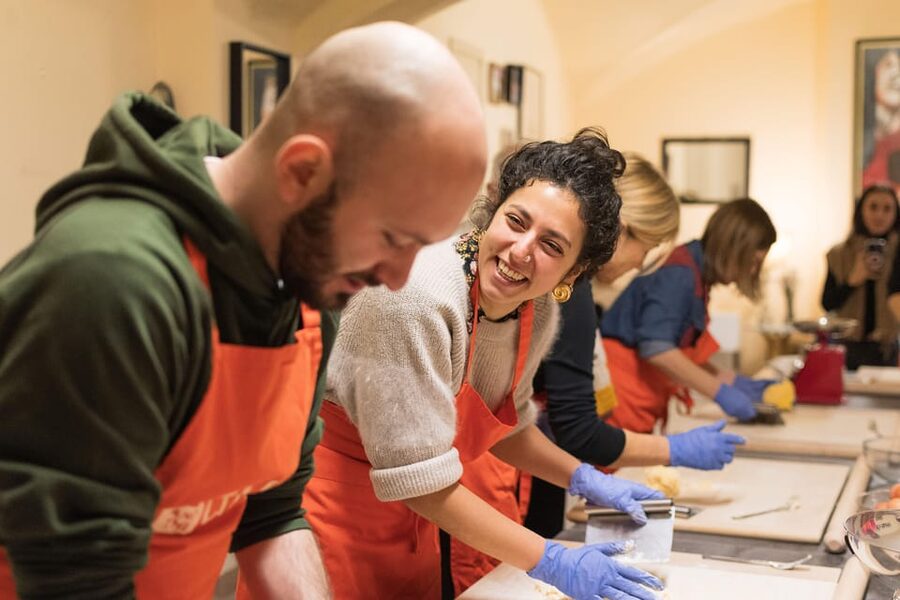
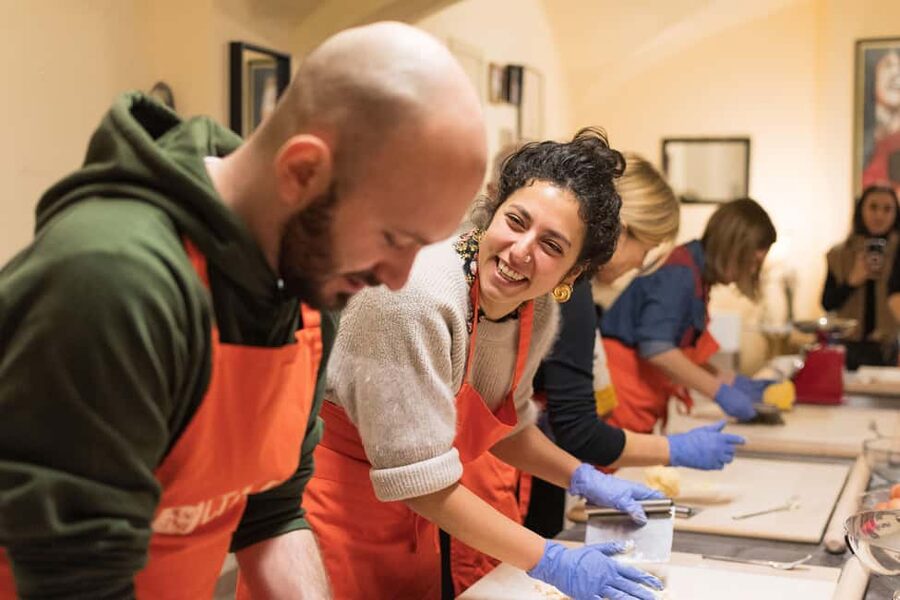
I love how the whole experience is set up to feel social, not stiff. You’ll start with food and wine, then work at your own pace, then sit down to eat what you made, topped with Parmigiano Reggiano (24-month aged). Expect an English-speaking instructor, often locals such as Valentina or Lupo, guiding you through the messy fun.
Key takeaways
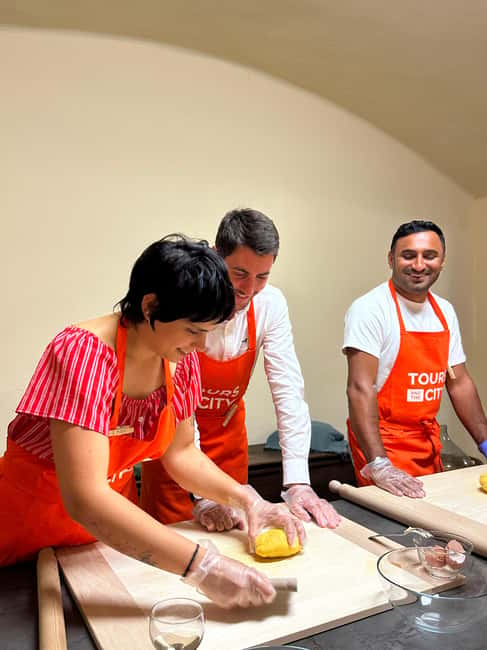
- Hand-made tagliatelle dough you roll and cut with your own hands
- Casoni spritz mixing happens during the class, not just at the start
- Mortadella aperitif plus sparkling Pignoletto sets a friendly tone right away
- Sangiovese wine and regional pairings while you eat your pasta
- Coffee and amaro finish with Montenegro and Moka to close the meal like Italians do
Why This Bologna Pasta Class Feels Like the Real City, Not a Performance
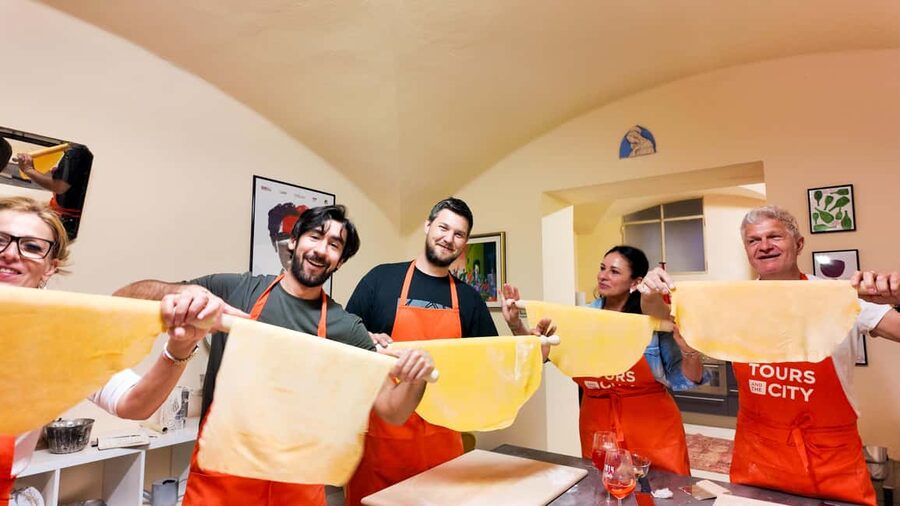
If you want a Bologna experience that goes beyond ordering pasta and taking photos, this is a smart choice. You’re not just watching someone else cook. You’re doing the physical, slightly chaotic stuff yourself: making dough, rolling it out, slicing it into tagliatelle, and then cooking it to the point where it’s actually ready for the sauce.
I also like that the experience treats drinks as part of the meal, not a gimmick. You begin with a proper aperitivo, then you make your own spritz, and you end with coffee and a digestif. That flow matters because Bologna dining is usually paced, not rushed. This class mirrors that.
One more thing I appreciate: it’s anchored to real Bolognese staples. Tagliatelle al ragù is the headline dish, Parmigiano Reggiano is the finishing touch, and the wine choices keep things local. You get the feeling that you’re learning a routine, not memorizing a recipe.
More Cooking Classes in Bologna
- Bologna Local Pasta Cooking Class, Ragu, Spritz, Wine & Gelato
★ 5.0 · 527 reviews - Pastamama, Home Cooking Classes at Grace’s Home
★ 5.0 · 521 reviews - Bologna: Pasta and Tiramisu Cooking Class with Wine
★ 4.7 · 507 reviews
The 3-Hour Flow: From Aperitivo to Your Final Sip
This class runs about 3 hours. The meeting is in the city center, and the guide comes outside the building to bring you in, wearing an orange apron. That small detail helps, because you’re less likely to wonder where to go.
Here’s how the time typically unfolds, and why it works so well:
1) Welcome aperitivo first
You start with Mortadella and wine, plus items like crescenta and Pignoletto sparkling white wine. This is your warm-up, not a throwaway snack. It also helps you meet the group fast, especially if you’re traveling solo.
2) Make your spritz while you learn
Next you prepare a Casoni spritz, with herbs and an older style of recipe. In practice, this gives your hands something to do in the kitchen downtime, so the class stays lively.
3) Make tagliatelle from scratch
Then the main event: you make fresh pasta dough from flour and eggs. You roll it out and cut it into tagliatelle by hand, using a rolling pin rather than machines. Expect a little flour on your sleeves and pride mixed together.
4) Eat what you made, with local wine
Once the pasta is ready, you sit down with the ragù pairing, served with glasses of Sangiovese red wine. The dish is finished with 24-month-aged Parmigiano Reggiano.
5) Finish with Montenegro and Moka coffee
The final note is a proper Italian finish, with Montenegro and Moka coffee, plus an amaro digestif.
Recipes are available in PDF form if you request them.
The Welcome Aperitivo: Mortadella, Crescenta, and Pignoletto
The best way to judge a food class is the first 15 minutes. This one starts strong.
You’ll begin with a welcome aperitif that includes Mortadella plus crescenta and Pignoletto sparkling white wine. The point isn’t just calories. It’s atmosphere. Mortadella is one of Bologna’s signature flavors, and Pignoletto is a local sparkling white that feels made for aperitivo hour.
I like this start because it lowers the pressure. You’re not immediately staring at dough and wondering if you’re doing it wrong. Instead, you ease into the kitchen with something familiar to locals, then you get to work.
Also, if you’re the type who learns better by talking, this part helps. You’re mixing and chatting with other people before the class switches into hands-on mode.
Casoni Spritz: A Homemade Break That Actually Fits the Kitchen Rhythm
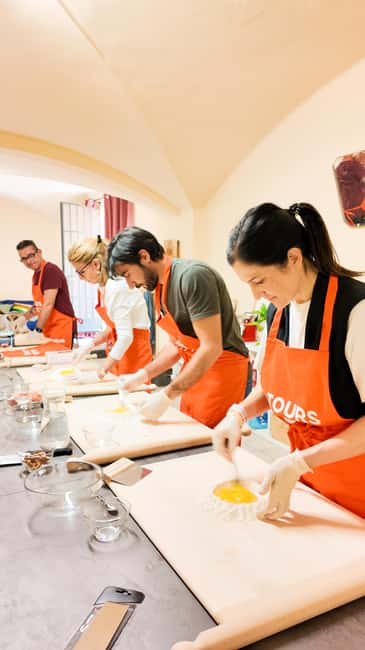
Between pasta steps, you’ll make a Casoni spritz. It’s described as a signature cocktail infused with local herbs and crafted using older recipes, which makes it different from the mass-market spritz formulas you might find elsewhere.
In a practical sense, this does two helpful things:
- It keeps the energy up while you wait for pasta steps to progress.
- It gives you a skill you can repeat at home, not just a one-time meal.
If you enjoy mixing drinks, you’ll likely have fun here. If you’re not usually a spritz person, you might still like this one because the herb flavor tends to feel more food-friendly than overly sweet cocktails.
And yes, you’ll be sipping while you learn. That’s the Bologna way in miniature, social and relaxed.
More Aperitivo Experiences in Bologna:
- Milan: Navigli District Canal Boat Tour with Aperitivo
★ 3.6 · 3,253 reviews - Venice Like a Local: Food, Wine & Spritz Tour with Traghetto Ride
★ 5.0 · 1,858 reviews - Pasta Cooking Class Near the Colosseum with 3 Spritz Cocktails
★ 5.0 · 1,686 reviews - Enjoy Spritz and Pasta Making in Piazza Navona
★ 5.0 · 1,681 reviews
Making Tagliatelle by Hand: No Machine, Real Technique
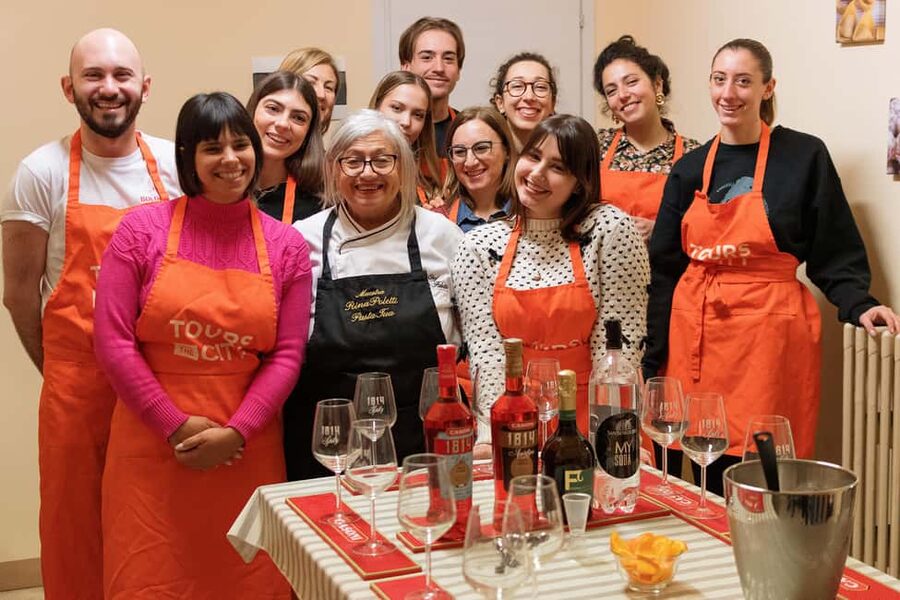
This is where the class earns its keep.
You roll out fresh pasta dough from scratch using locally sourced ingredients like fresh eggs and flour. There’s no machine, just hands and a rolling pin. That matters, because it forces you to understand the dough texture rather than copying a factory setting.
Expect the following:
- You’ll feel the dough change as it hydrates and comes together.
- You’ll roll and cut into tagliatelle, aiming for even thickness so it cooks properly.
- You’ll cook the pasta so you can eat it right afterward.
For first-timers, the challenge is real, but the pace is designed to keep you from getting stuck. Many instructors are patient with beginners, and they help you adjust the dough when it’s too sticky or not rolling well.
Also, you’ll learn how tagliatelle and ragù interact on the plate. Tagliatelle is wide enough to hold sauce, but it’s still delicate. That’s why the cut size matters.
At the table, you’ll top your pasta with Parmigiano Reggiano that’s aged for 24 months. That aging gives the cheese a deeper, more assertive flavor that stands up to ragù.
Ragù Timing: What You Do, What You Don’t
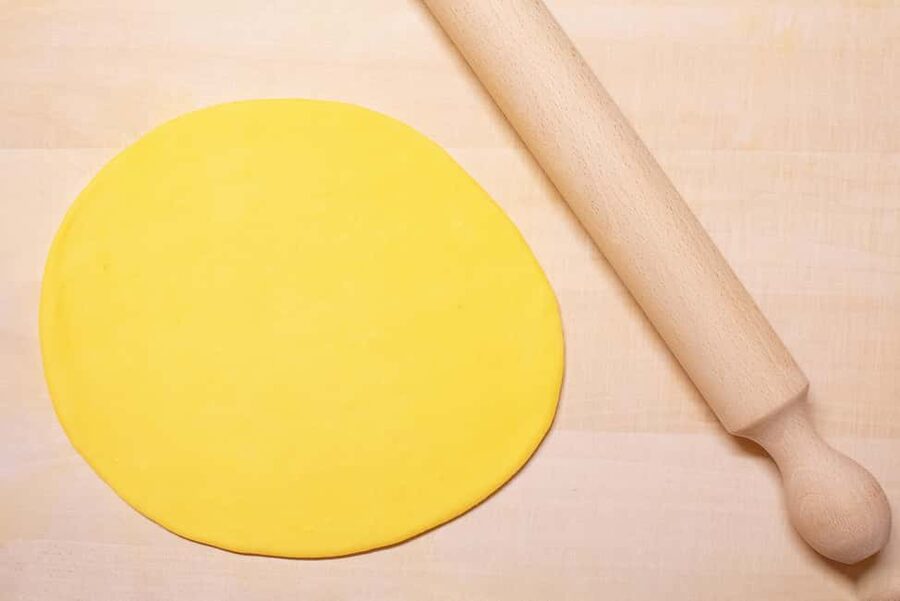
Here’s the honest part. You don’t make the ragù from scratch in the class. Due to time constraints, it’s prepared in advance, made weekly with the care of a family tradition.
So why still do this class? Because your biggest learning win is the pasta. That’s the part you can’t replicate by ordering in a restaurant. You leave understanding how to create fresh dough, how to roll it to the right thickness, and how to shape tagliatelle.
And you still get to taste a ragù that’s treated as part of the craft, not just a jarred sauce. The meal is designed so the sauce tastes like it belongs to Bologna.
If you’re hoping for a full ragù workshop, look for another format. If you want a hands-on pasta skill plus the local food-and-drink experience, this hits the sweet spot.
Wine Pairing, Then the Parmigiano Moment
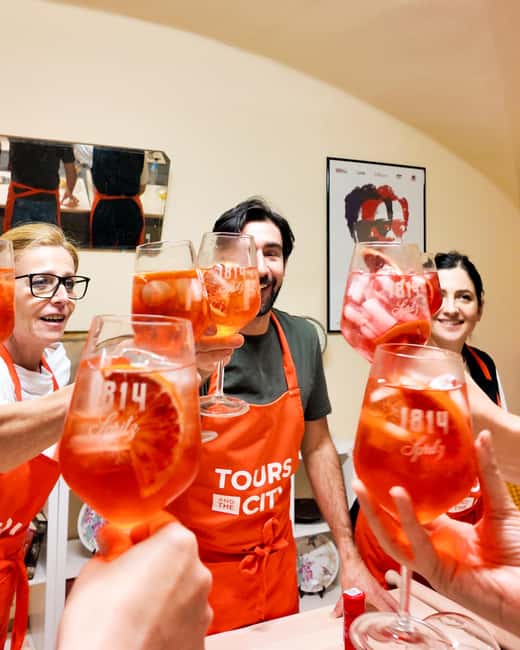
When it’s time to eat, you’re not just offered a plate. You get pairing.
You’ll savor your pasta with homemade ragù and a selection of regional wines, including glasses of Sangiovese red wine. Sangiovese tends to work well with tomato-based sauces and rich meat flavors, so the pairing makes sense for this dish.
The finishing touch is Parmigiano Reggiano aged 24 months. That detail is more than fancy labeling. Older Parmigiano brings a sharper, nuttier flavor, and it helps the whole plate taste properly “Bologna.”
This is also where you notice something practical: the freshness of the pasta changes everything. Even if the dough step feels awkward at first, once you taste it, you get it.
Coffee and Amaro: The Classic Finish You’ll Actually Feel
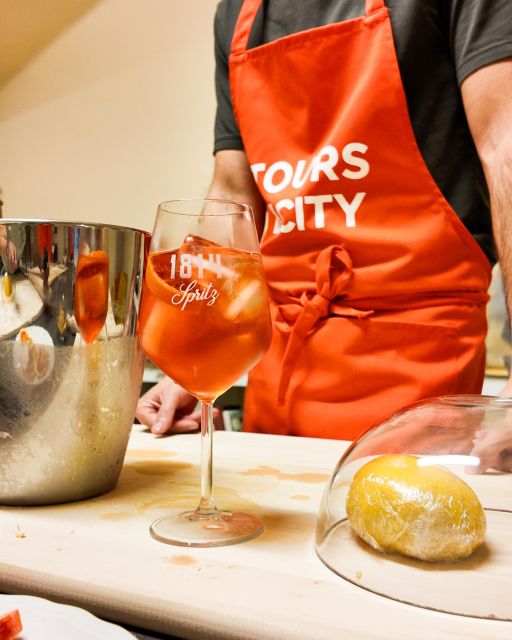
You don’t end the class with a sad afterthought.
The finish includes Montenegro, plus Moka coffee. You also get a digestif of amaro. In Italy, this is more than tradition. It’s a way to round out heavy flavors, then reset your palate before you head back into the city.
If you’re a coffee person, don’t skip this part. The group usually leaves feeling satisfied in a “we did something” way, not just “we ate.”
Price and Value: What $79.64 Really Buys You
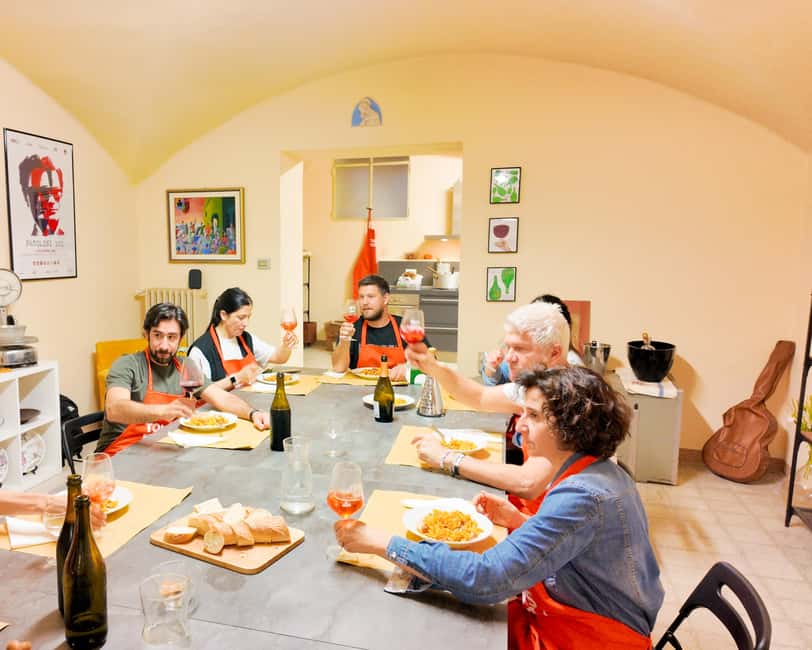
The price is $79.64 per person for about 3 hours. That sounds like a lot until you list what’s included.
Here’s what you typically get included:
- An instructor (English)
- A welcome aperitif with Mortadella and wine
- Cocktails, including Casoni spritz
- Alcoholic wine during the meal (Pignoletto sparkling and Sangiovese)
- Fresh local ingredients for the pasta
- Unlimited water and soft drinks
- Coffee, plus the Montenegro and amaro digestif
- Recipes provided in PDF form if you request them
That’s a full package: skill-building, food, drinks, and a clear end point. You’re not just paying for a meal ticket. You’re paying for an organized, guided cooking session with ingredients handled for you.
One more value point: you learn something you can do again at home. Fresh pasta dough and cutting tagliatelle isn’t a skill you pick up by reading. This format gives you enough repetition to remember what good dough feels like.
Some people also mention leaving with extra pasta for dinner. Since it’s not explicitly guaranteed in the core info here, consider that a nice possible bonus rather than the promise.
Who This Class Is Best For (and Who Should Skip It)
This class is a good fit if you:
- Want a practical Bologna food experience in a short time
- Like cooking classes that end with a meal you made yourself
- Enjoy aperitivo culture and don’t mind that the drinks are part of the pacing
- Are traveling with friends or solo and want an activity that encourages conversation
It may not be the best fit if you:
- Need full wheelchair access. There’s a large flight of stairs and the experience is not recommended for people with these mobility needs.
- Want a vegan or vegetarian experience. It’s not suitable for vegans or vegetarians.
- Have gluten intolerance. It’s not suitable for people with gluten intolerance.
- Are traveling with children under 12. It’s not suitable for kids under 12.
If you’re on the fence, also communicate dietary requirements ahead of time. The class asks you to inform them about any severe food allergies, so they can tell you if they can host you.
Before You Go: Small Tips That Make Pasta Day Easier
This isn’t a stiff, formal class. But you can make it go smoother with a few practical choices:
- Wear comfortable shoes. You’ll be standing and moving around in a kitchen setting.
- Bring comfortable clothes. Dough and flour have a way of finding every sleeve.
- Plan for a bit of fun mess. Hand-rolling pasta isn’t neat work.
- Come hungry, but pace yourself during drinks. Spritz and wine are included, plus a full meal.
- If you want the PDF recipes, ask for them so you can try the pasta at home.
Should You Book This Bologna Tagliatelle and Spritz Class?
If you want one Bologna activity that mixes skill, local food, and real social energy, I think this is an easy yes. It’s great value when you consider how much is included: pasta instruction, aperitivo, spritz, wine, the full meal, coffee, and an amaro finish.
Book it if your top goal is learning to make tagliatelle al ragu and you’re happy with the fact that the ragù is prepared in advance. You’ll still do the hard, memorable part, the pasta work that lets you recreate something truly Bolognese later.
Skip it if you need vegan or vegetarian options, if gluten is an issue, if you’re sensitive to stairs and mobility constraints, or if you’re looking for a full ragù-making workshop from scratch.
Overall, this one is hard to beat for a half-day plan in Bologna, because it gives you both a new cooking skill and a full-bodied taste of the city’s dining style.
Reviewed lately around Bologna
- Bologna: Pasta and Tiramisu Cooking Class with Wine★ 4.7 · 507 reviews
- Bologna: Full meal Food Tour with Local Delights by Do Eat Better★ 5.0 · 541 reviews
- Bologna gastronomic experience with a local★ 5.0 · 626 reviews
- Bologna Food Tour from a local perspective★ 5.0 · 860 reviews
- Bologna Food Experience: Factory tours & Family-Style Lunch★ 5.0 · 1,201 reviews
- Bologna Food & Market Tour with 6 Tastings, Pasta, Wines & More★ 5.0 · 1,328 reviews
- Bologna Local Pasta Cooking Class, Ragu, Spritz, Wine & Gelato★ 5.0 · 527 reviews
- Pastamama, Home Cooking Classes at Grace’s Home★ 5.0 · 521 reviews
Cooking Classes, compared.
3 in 1 Cooking Class near Navona: Fettuccine, Ravioli & Tiramisu
Read our review →
Pasta & Tiramisu Cooking Class with Unlimited Wine
Read our review →
Cooking Class and Lunch at a Tuscan Farmhouse with Local Market Tour from Florence
Read our review →
Pasta Making Class with Wine, Limoncello, and Dessert
Read our review →
3-in-1 Fettuccine, Ravioli, and Tiramisu Cooking Class
Read our review →Browse the lists this tour appears in