
Bologna is one of Italy’s great food cities, and this class turns that reputation into something you can actually take home in your hands. I like the hands-on pasta dough instruction and I really like that you finish with the meal you built, paired with Prosecco and wine. One thing to consider: this is a traditional menu, so if you have serious gluten, dairy, egg, or allergy concerns, you’ll need to plan carefully.
In about 3 hours, you’ll start with tiramisu, then move to fresh pasta, then sit down together for lunch or dinner. Expect English guidance, an upbeat restaurant vibe, and clear coaching that works even if you’ve never rolled pasta before. The wine is part of the experience, so come with an appetite, not a packed schedule for after.
Key things to know before you go
- 3-hour, restaurant-based format that ends with the meal you make
- Fresh pasta dough + tiramisu taught step by step, with English support
- Welcome Prosecco and a glass of wine with your lunch or dinner
- Central Bologna location that’s easy to fit into a day of walking
- Dietary options exist, but the traditional recipe uses gluten, dairy, and eggs
- Instructors rotate (you might meet Al, Luca, Peter, or Steven), and many classes stay relaxed and funny
Why This Bologna Pasta and Tiramisu Class Works So Well
This is interesting because you are not just tasting Bologna. You are building two of the city’s most beloved comfort-food classics, then eating them where locals actually eat. It’s a short class, but it still feels like a real slice of Italian routine, not a staged demo.
I also like that the teaching focuses on practical technique, not fancy theory. You learn how to work the dough, how to handle flour properly, and what makes fresh pasta different from dried pasta (pasta secca). Add tiramisu origins and method, and you end up with skills you can repeat.
Possible drawback: the “with wine” part is not symbolic. You’ll likely be offered a welcome glass of Prosecco and then a glass of wine during the meal, so if you want a zero-alcohol experience, or you’re sensitive to alcohol, this may not be your best fit.
More Cooking Classes in Bologna
- Bologna Local Pasta Cooking Class, Ragu, Spritz, Wine & Gelato
★ 5.0 · 527 reviews - Pastamama, Home Cooking Classes at Grace’s Home
★ 5.0 · 521 reviews - Bologna: Pasta Tagliatelle Ragu Cooking Class with Spritz
★ 4.9 · 407 reviews
Arriving at the Restaurant: Apron On, Prosecco In
You start in the restaurant in central Bologna, where the first moment is a quick reset from sightseeing. You’re greeted with a welcome glass of Prosecco, then you head into the prep area to wash your hands and put on an apron. That small ritual helps you switch gears fast.
After that, the class rhythm is simple: make tiramisu first, then move to pasta dough. The instructors keep the process organized so you do not feel lost, even if your cooking confidence is low. English instruction is supported throughout, and the vibe tends to be friendly and lightly humorous, so the group energy matters here.
Practical tip: wear comfortable clothes. You’ll be working at a station with flour, and you may get a little messy even with apron protection.
Tiramisu Technique You Can Actually Recreate
Tiramisu often sounds effortless until you try it. This class treats it like a skill, not a dessert rumor. You make your tiramisu from scratch, and you also get the story behind it, plus the little techniques that keep it from turning runny or uneven.
What I like is the way the class frames method. You are not just assembling ingredients. You’re learning how to treat each component so the final texture makes sense. That matters if you want to make it at home, where kitchen conditions and ingredient behavior can be different.
If you’re a first-timer, the benefit is confidence. Once you see how the layers come together and how the timing works, the recipe stops feeling mysterious.
Fresh Pasta Dough: Flour, Fresca vs Secca, and Real Handling
The pasta portion is where this class earns its value. You get step-by-step guidance for making fresh pasta dough, and you learn how the flour choice affects the feel of the dough. The instruction also covers the distinction between pasta fresca (fresh) and pasta secca (dried), which helps you understand why texture and cooking time behave differently.
You’ll roll, cut, and shape the dough with care and guidance from your instructor. Even if you’re not doing everything at high speed, the structure helps you get through each stage without rushing. I especially like this for travelers because it turns a vague idea like fresh pasta into a sequence you can repeat.
One more practical point: this class format is restaurant-based. So in some sessions, the chef may handle parts of the cooking while you focus on your prep and learning. That keeps the pacing smooth and helps everyone end up with food ready to eat at the end of the session.
More Tiramisu Classes in Bologna:
- 3 in 1 Cooking Class near Navona: Fettuccine, Ravioli & Tiramisu
★ 5.0 · 7,376 reviews - Florence: Pasta & Tiramisu Cooking Class with Unlimited Wine
★ 4.9 · 6,708 reviews - Rome: Pasta & Tiramisu Class with Fine Wine by the Vatican
★ 4.9 · 4,852 reviews - Rome: 3-in-1 Fettuccine, Ravioli, and Tiramisu Cooking Class
★ 4.9 · 2,704 reviews
Lunch or Dinner: Sit Together, Eat the Results, Sip the Wine
At the end, you sit down together for lunch or dinner and you eat what you made. This is not a quick snack and a goodbye. The structure is built around a shared meal, so the time feels social and complete.
You’re also included with a glass of wine to go with the meal, in addition to the welcome Prosecco earlier. Based on how classes run, the instructors tend to keep things relaxed, which often means you’ll actually talk to your group while you eat.
If you do one thing to maximize enjoyment, it’s this: come hungry and plan your day so you do not need dinner right after. The meal is the payoff for the work you did, and it’s usually the best moment to try the food while it’s at its best.
Instructor Energy Matters: Al, Luca, Peter, and Steven
A big part of why this class consistently lands well is the instructor style. You might meet Al, Luca, Peter, or Steven, and the common thread is clear, patient teaching with an upbeat tone. English instruction seems solid, and several instructors are described as humorous, relaxed, and good at keeping everyone on track.
In practical terms, this matters because pasta dough can feel intimidating until someone tells you what to watch for. Instructors in these classes repeat steps when needed and adjust pacing so beginners do not fall behind. If you’re traveling solo, that coaching plus the group meal can be a quick way to meet people without forcing conversation.
For couples and families, the class structure tends to work well because there’s a steady rhythm and a shared goal. People like that it feels relaxed rather than stiff, and that helps you stay present instead of worrying about mistakes.
Dietary Limits: What You Can Expect With Gluten, Dairy, and Eggs
Here’s the honest part, and it matters. The traditional recipe used in the class contains gluten, dairy, and eggs, and the instructions are focused on that traditional approach. There may be substitutes for allergies or food preferences, but the class cannot guarantee 100% free of cross contamination.
The data also says dietary options are available, including vegetarian, vegan, and lactose intolerant support, but it separately notes that the activity is not suitable for vegans and for people with lactose intolerance, and it is not suitable for those with food allergies, gluten intolerance, or cross-contamination-sensitive conditions.
So how do you handle this?
- If your restriction is mild and you know substitutes work for you, mention it during booking.
- If you have serious allergies or strict intolerance, treat this as a high-risk category and ask very direct questions before you go.
Also note: you will sample the dishes you prepare, so plan around the fact that tasting is part of the experience.
Price and Value: Is $57 Worth It?
At $57 per person for about 3 hours, the value comes from the full package: two made-from-scratch dishes, a restaurant meal, and drinks. You are not paying only for the “class time.” You’re paying for ingredients, instruction, the meal you eat, and the included Prosecco and wine.
It is easier to justify the price because you leave with two items you understand how to make, not just one. Pasta dough and tiramisu are both repeatable at home, and the techniques you learn are the kind you actually use again.
The only reason it might not feel worth it is if you do not drink and you do not want to eat a restaurant-style plated meal that includes wine. In that case, you can still enjoy the cooking, but the drink component may feel like wasted value. If you do want the full experience, it’s a strong deal for Bologna.
Should You Book This Bologna Cooking Class?
I’d book it if you want a practical, fun food experience that turns Bologna into something active. This is especially good for first-timers who want guided pasta technique and a clear path through tiramisu, plus travelers who enjoy eating with others.
I would skip it if you need a strictly allergen-safe kitchen for gluten, dairy, eggs, or if vegan or lactose-free requirements are non-negotiable. The traditional recipe and cross-contamination note are the deciding factor.
Finally, if your goal is to get a memorable meal that feels local and hands-on, this hits the mark. You get skills, you get a shared table, and you leave feeling like you learned something real, not just watched a show.
FAQ
How long is the Bologna pasta and tiramisu cooking class?
It lasts 3 hours.
What’s included in the price?
You get a welcome glass of Prosecco, the pasta and tiramisu cooking class, lunch or dinner, and a glass of wine with your meal.
Is the class taught in English?
Yes, the instructor teaches in English.
Where is the class located?
It takes place in central Bologna at a popular local restaurant.
What should I wear or bring?
Wear comfortable clothes. The class involves hands-on cooking steps.
Are dietary options available?
Dietary options are listed as available, including vegetarian and vegan, plus support for lactose intolerant and other diets. You should inform the provider of your dietary needs when booking.
Can the class accommodate allergies?
It says substitutes may be offered, but the traditional recipe includes gluten, dairy, and eggs, and 100% free of cross contamination cannot be guaranteed. People with food allergies are also listed as not suitable.
Is it suitable for kids?
It’s not suitable for children under 3 years.
What happens at the end of the class?
You sit down together for lunch or dinner and eat what you prepared.
What’s the cancellation policy?
You can cancel up to 24 hours in advance for a full refund. Free cancellation is listed.
More Wine Tastings in Bologna
- Bologna Food & Market Tour with 6 Tastings, Pasta, Wines & More
★ 5.0 · 1,328 reviews - Bologna: Pasta Tagliatelle al Ragu Cooking Class with Wine
★ 4.7 · 225 reviews - Bologna: City Center Guided Wine Walking Tour
★ 4.9 · 210 reviews - Tuscany Day Trip from Florence: Siena, San Gimignano, Pisa and Lunch at a Winery
★ 5.0 · 21,634 reviews
Reviewed lately around Bologna
- Bologna: Full meal Food Tour with Local Delights by Do Eat Better★ 5.0 · 541 reviews
- Bologna gastronomic experience with a local★ 5.0 · 626 reviews
- Bologna Food Tour from a local perspective★ 5.0 · 860 reviews
- Bologna Food Experience: Factory tours & Family-Style Lunch★ 5.0 · 1,201 reviews
- Bologna Food & Market Tour with 6 Tastings, Pasta, Wines & More★ 5.0 · 1,328 reviews
- Pastamama, Home Cooking Classes at Grace’s Home★ 5.0 · 521 reviews
- Bologna Local Pasta Cooking Class, Ragu, Spritz, Wine & Gelato★ 5.0 · 527 reviews
- Bologna: Pasta Tagliatelle al Ragu Cooking Class with Wine★ 4.7 · 225 reviews
Cooking Classes, compared.
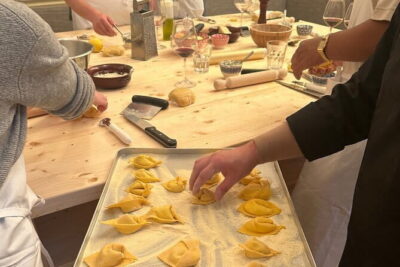
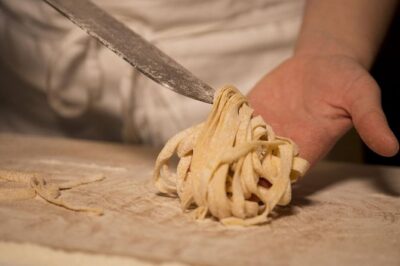
3 in 1 Cooking Class near Navona: Fettuccine, Ravioli & Tiramisu
Read our review →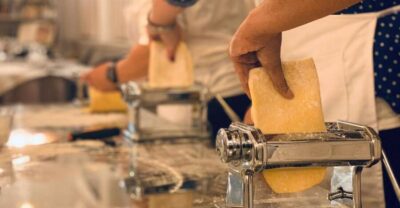
Pasta & Tiramisu Cooking Class with Unlimited Wine
Read our review →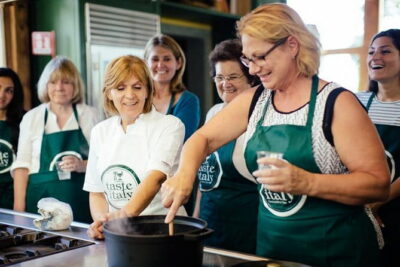
Cooking Class and Lunch at a Tuscan Farmhouse with Local Market Tour from Florence
Read our review →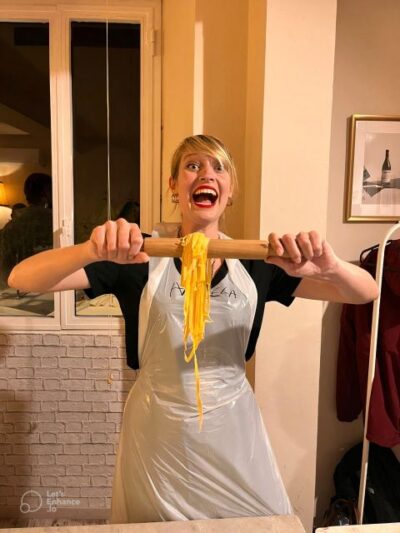
Pasta Making Class with Wine, Limoncello, and Dessert
Read our review →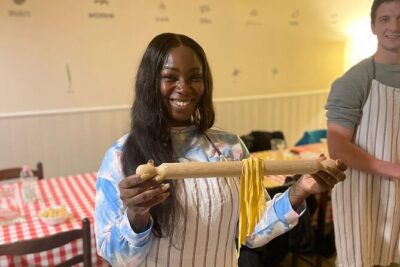
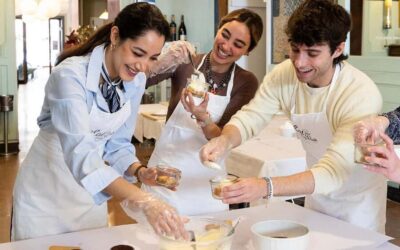
3-in-1 Fettuccine, Ravioli, and Tiramisu Cooking Class
Read our review →Browse the lists this tour appears in