Reviewed · TICKETS
Paestum: Small-Group Tour with an Archaeologist and Tickets
Paestum is one of the best places in Italy to see Greek temples that still feel Greek, even after centuries of Roman reuse. What makes this tour especially interesting is that an archaeologist-led walk helps you connect what you’re looking at, Neptune’s temple, the city walls, and the museum finds, into one clear story.
I like that you get fast entry with included tickets, so you start seeing the ruins right away. I also love the museum focus, because you do not just pass through, you go straight to the Tomb of the Diver, the site’s star attraction. The main drawback to plan around is time and walking, with 2 hours that can feel short if it’s hot and you want to linger in the museum.
Key things you should know before you go
- Three standing Greek temples from the 6th century B.C., explained with practical architectural detail
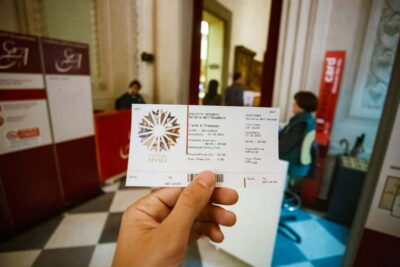
- Skip-the-line entry is included, which saves stress in peak visiting hours
- Archaeologist guide (certified) adds real context, and some guides bring firsthand excavation perspective
- National Archaeological Museum stop is short but targeted, with the Tomb of the Diver as the focus
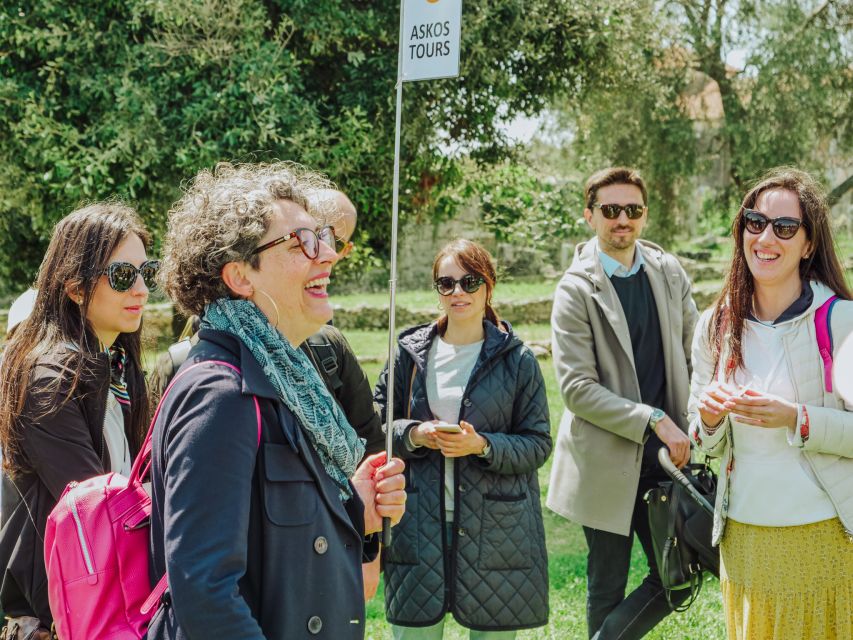
- Small-group pace helps you hear questions and answers, with earphones provided for larger groups
- Not wheelchair friendly, and the route is built for comfortable walking shoes and steady legs
Why Paestum’s Greek Temples Feel So Different
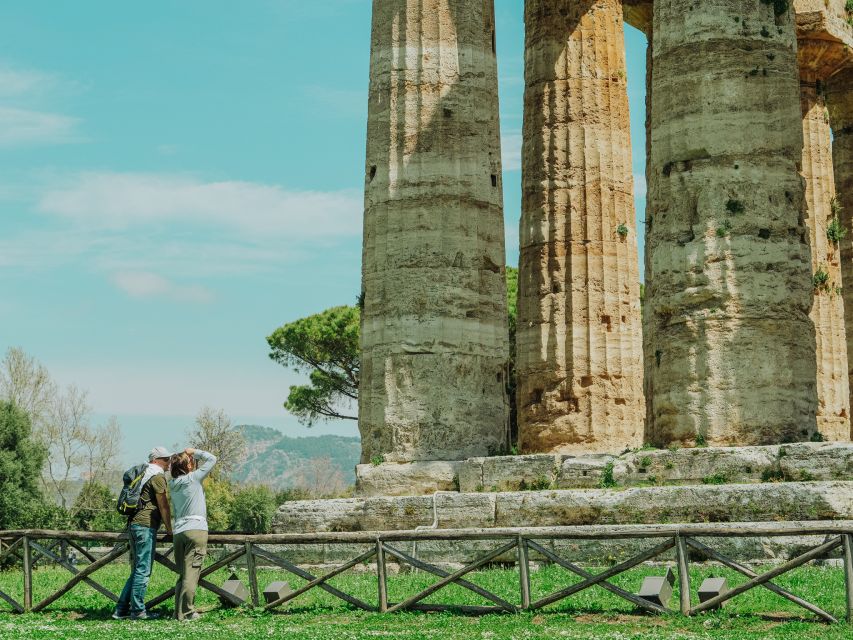
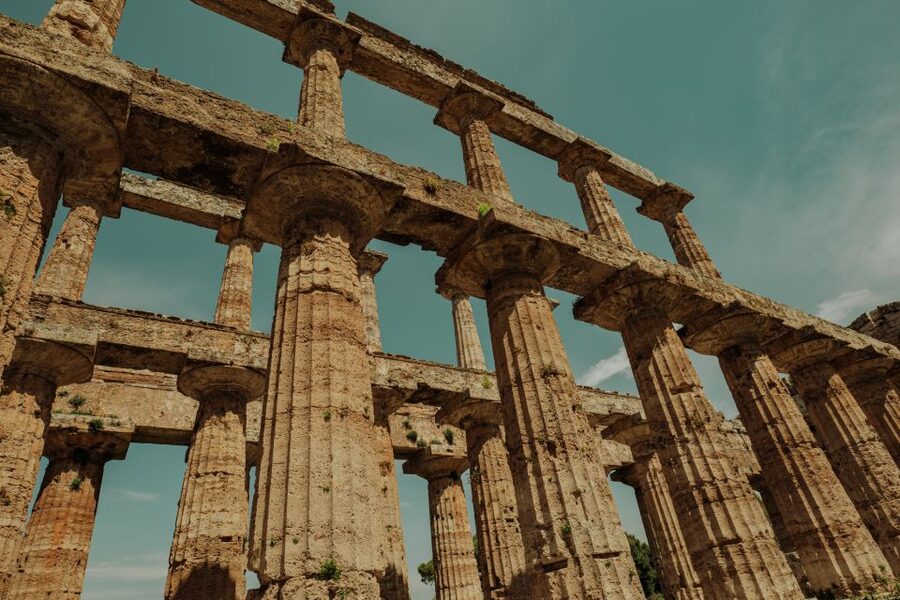
Paestum sits in Campania and has a reputation for being one of the best preserved Graeco-Roman sites in Italy. That matters because ruins can be impressive and still confusing. Here, the big shapes are still standing, especially the temple precinct with its tall Doric columns.
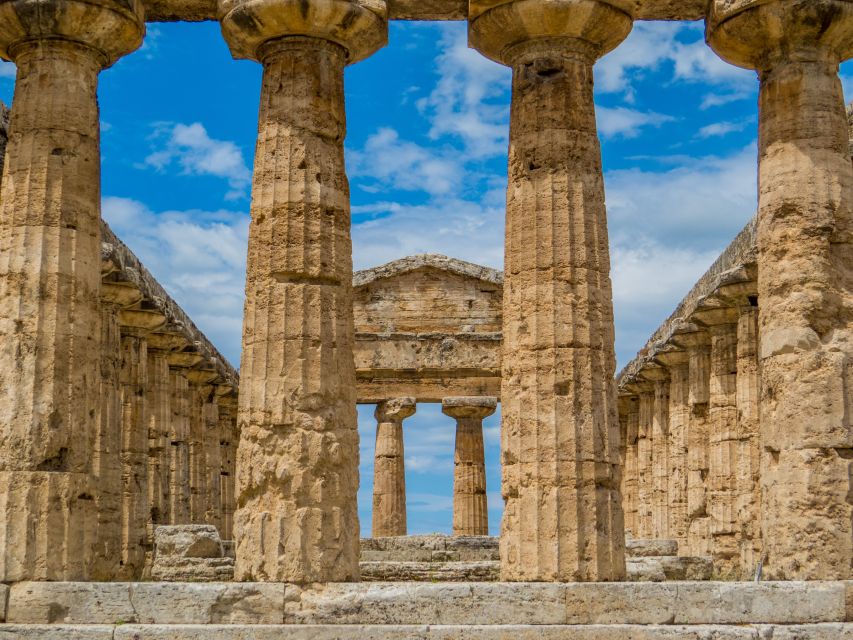
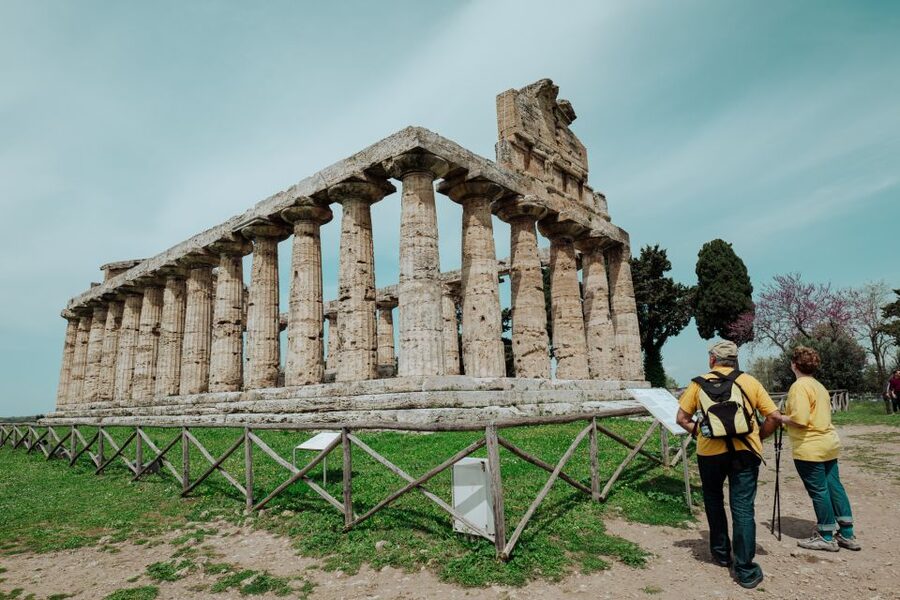
The three main temples you’ll see are from the 6th century B.C. and tied to Greek religious life, including the Temple of Neptune and the Temple of Ceres and basilica (a name you’ll hear often because of what people compare it to). The result is that you can look at a wall, a column, or a street layout and understand how the city worked, not just take photos.
This is also a site where layers overlap in a way that feels real. You’ll be looking at Greek foundations, later Roman structures, and the traces of everyday city life. With an archaeologist in front of you, the site stops being a list of monuments and starts to feel like a lived place.
Entering The Ruins With an Archaeologist and Skip-the-Line Tickets
One of the smartest parts of this tour is that the entry ticket is built in, so you’re not stuck hunting for passes while the rest of your morning evaporates. It also makes the pacing cleaner, because you spend less time at the gates and more time with the guide where it matters.
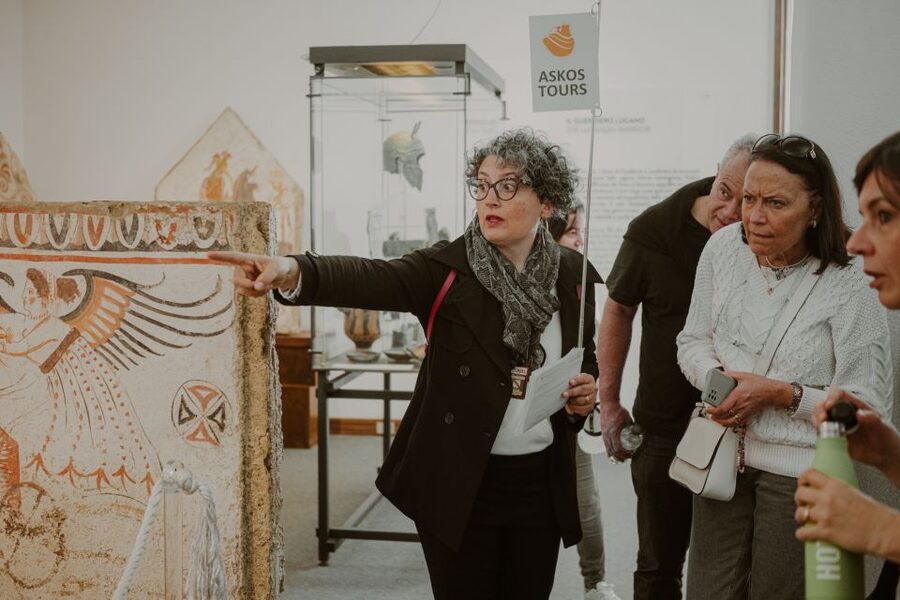
The tour is designed as a guided walk through the archaeological park of Paestum for about 1.5 hours, then a guided museum segment for about 30 minutes. In other words, you’re not asked to do everything alone. You get a path with explanations, then you get the one museum moment that’s most connected to Paestum itself.
Since the guide is an archaeologist, you can expect a lot of “why this looks like this” talk. That includes small contrasts that most visitors miss, like how different structures relate to civic and religious functions, not just how old they are. It’s a tour format that helps your brain build connections fast.
The 1.5-Hour Walk Through Paestum’s Temples and City Layout
You’ll start with the core of Paestum, the temple area and surrounding civic remains. The big three temples are the obvious anchor, and that’s where the guide’s framing pays off. Instead of treating them as background scenery, you learn how their shape, dedication, and position fit the city’s religious rhythm.
The Temple of Neptune is often the first stop that makes people pause, because it’s tall and remarkably intact for something this old. The guide can explain what you’re seeing in plain terms, so you understand the differences that make each temple its own statement rather than a copy-paste Greek ruin.
From there, the tour expands beyond temples into the city’s bones: the city walls, plus Roman-era civic features like the comitium (the political assembly hall) and the amphitheater. Paestum wasn’t just a place for worship. It was a functioning city with politics, public gatherings, and organized spaces.
You’ll also hear about market spaces and other structures that show how everyday life sat alongside monumental religion. Even if the stones are quiet, the guide’s job is to make the layout feel like a map you can read.
City Walls, Roman Remains, and the Places People Actually Used
One reason I recommend this guided format is that Roman remains can be easy to overlook if you’re only focused on the Greek temples. Here, you get specific stops tied to public life.
The city walls give you a sense of scale. You start to grasp how much effort it took to defend and organize the settlement, and how that defense shaped movement around the city. Then the Roman pieces help explain how Paestum changed over time, without erasing what came before.
The amphitheater is another key stop because it connects to public gatherings. You can see the structure and the logic of seating and space, then the guide adds the missing story: who used it and why those spaces mattered. Same idea with the comitium. It’s not just a ruin. It’s a hint about governance.
What I like about this part is that it prevents the “temples only” syndrome. If you only have one short visit, you want more than a temple circuit, and this walk gives you a broader picture of the city.
National Archaeological Museum: The Tomb of the Diver Moment
The museum portion is short, about 30 minutes with a guide. That’s enough time to make it worth your ticket, but it’s not long enough to wander for hours. So treat it like a focused stop, not a full museum day.
The highlight is the Tomb of the Diver, repeatedly described as the museum’s undisputed star. It’s the kind of exhibit that changes how you think about Paestum because it adds story, not just stone. A guide can explain why this burial artwork stands out and how it ties to what you saw outside.
You’ll also see a strong selection of local Greek artworks going back to the 7th century B.C. That detail is useful because it fills the gap between what the ruins show in the park and the earlier material culture that shaped the region. It gives you a longer view of how Greek presence developed locally before the big temple period.
One practical note: in hot weather, the museum time can feel tighter than you expect, especially if you’d like to stand and read everything. If your goal is to fully soak in museum labels, plan to come back later on your own when you have more time.
Who Your Guide Might Be, and Why That Matters
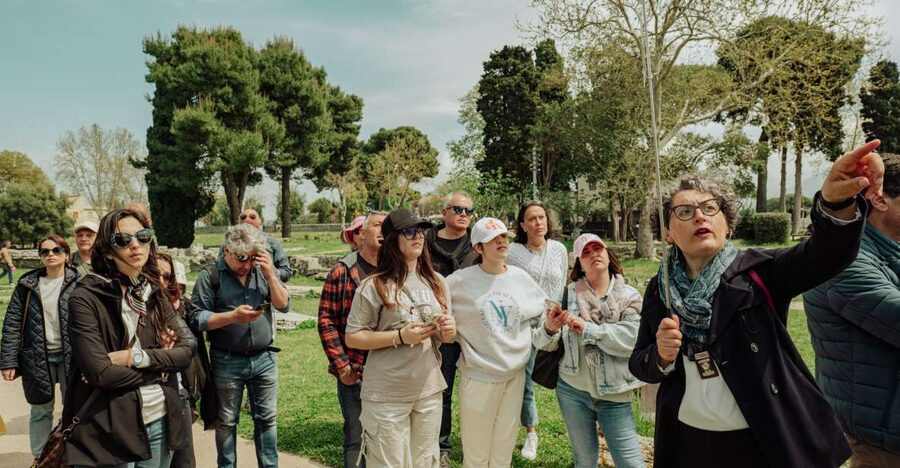
This is the kind of tour where the guide can truly change the experience. The reviews and tour descriptions consistently point to guides with real passion for Paestum, and the names that come up again and again are Mario and Maria, plus Ivan and Angelo. You’ll also see names like Francesca, Fiorenza, Nan, and Silvia connected to very high praise for storytelling and clear explanations.
When an archaeologist guide has firsthand familiarity with the site, you can pick up details that feel almost personal. For example, one guest noted seeing excavation-related information in the museum tied to the guide’s own work, including an excavated roof detail shown inside. That’s the sort of moment you can’t replicate with a guidebook alone.
I like that this tour isn’t trying to be a generic “10 stops, take photos” shuffle. It’s built around interpretation, and that makes the 2 hours feel like more than the stopwatch suggests.
Meeting Points, Small-Group Pace, and Practical Timing
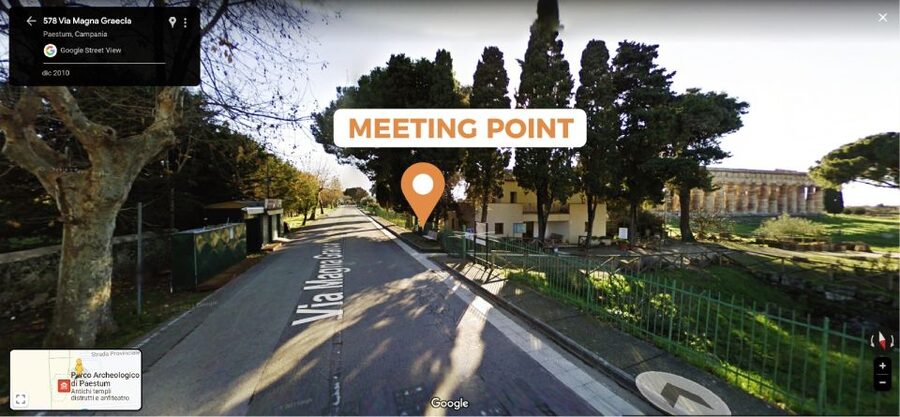
You’ll meet at one of two starting locations depending on what you book. One option is Basilica Paleocristiana dell’Annunziata, Via Magna Graecia, 919. The other option is the Archaeological Park of Paestum itself.
Drop-off is back at Basilica Paleocristiana dell’Annunziata, Via Magna Graecia, 919. Because meeting points can vary, double-check your confirmation details so you don’t waste time looking for the group.
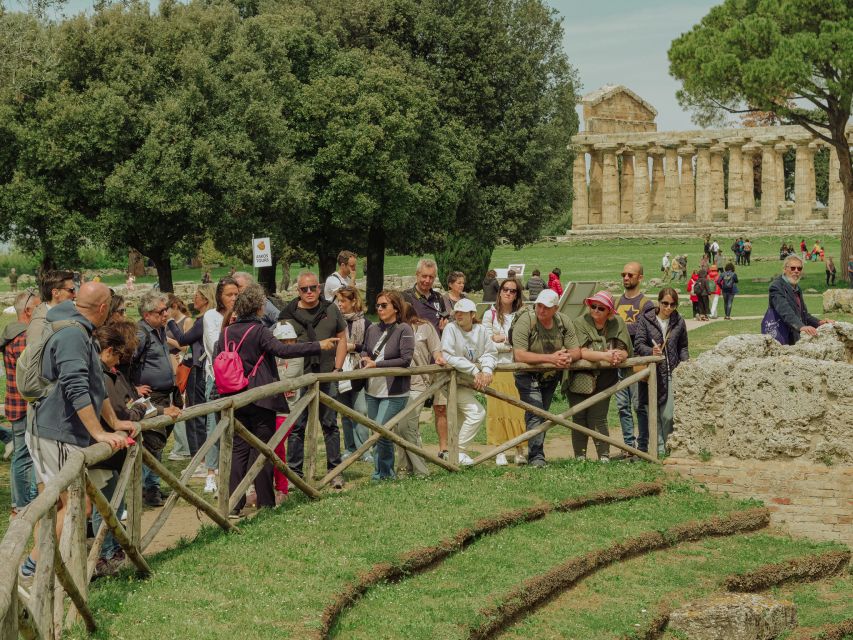
This is a small-group tour, and that usually translates to better hearing and easier question time. For larger groups, disposable earphones are provided to help you follow the guide. It’s a small detail, but it matters, because the ruins can be breezy and your attention matters more than your eyesight.
Duration is 2 hours. The park walk takes about 1.5 hours, and the museum guided segment takes about 30 minutes. That structure works well if you’re trying to fit Paestum into a tight Campania schedule.
Price and Value: Is $47 a Good Use of Your Time?
At $47 per person for a 2-hour guided experience, the value comes from two places: the skip-the-line entry and the archaeologist-led interpretation. Tickets alone can eat up time if you’re arriving when crowds are peaking, and here you don’t have to manage that in the moment.
You’re paying for guidance that helps you translate what you’re seeing. Paestum is stunning, but it’s also complicated, with Greek temple architecture plus Roman civic layers. A good guide compresses that context into a route you can actually follow.
Is it a bargain? For many visitors, yes, because it’s one of the best ways to get both the park highlights and the museum’s main exhibit without spending the whole day. If you only want to do a fast self-guided stop and don’t care about interpretation, you might question the cost. But if you want the site to make sense, this pricing feels fair.
The key is your expectation. This isn’t a slow, all-day museum and lingering-temple marathon. It’s a focused, high-information tour built for a short window.
What to Bring, What to Expect on Foot, and Heat Reality
Wear comfortable shoes. This is a walking tour through archaeological terrain, so you want traction and ankle-friendly footing. Bring water and dress for sun. Paestum can be very warm, and more than one guest noted that the time on your feet can feel draining in high heat.
You’ll be spending most of your time outdoors in the park, then in the museum for about 30 minutes. That makes planning easier, but it also means your energy management matters. I’d treat this like a morning activity and come prepared.
Also be aware that the tour is not suitable for people with mobility impairments or wheelchair users. If mobility is a concern, this one may be frustrating, because the route is built for able, steady walking.
Who This Paestum Archaeologist Tour Suits Best
This tour is ideal if you want a guided route that ties together temples, Roman civic remains, and museum finds in one short visit. If you’re interested in Greek and Roman culture, it’s a strong fit, because the guide can explain what each layer means.
It’s also a good choice for people who like asking questions. With a small-group format, you’re more likely to get clear answers rather than hearing only a general lecture.
If you’re traveling with kids, the guide’s ability to keep things engaging can help. One family-friendly highlight was a guide who adjusted the pacing and explanations to keep children interested, which is exactly what you want on a two-hour standing-and-walking experience.
If your priority is maximum time in the museum, you might feel rushed. The museum is a focused visit, not a free-roam hour-by-hour. Pair it with time later, or just accept that the goal here is to hit the core exhibit well.
Should You Book This Paestum Tour?
Book it if you want the most meaning from your limited time at Paestum. The combination of archaeologist guidance plus park highlights plus a museum stop centered on the Tomb of the Diver is a smart use of 2 hours.
Skip it if you prefer a fully independent visit where you control every stop and you want long museum wandering. Also consider another option if mobility limitations make uneven walking difficult, since this one is not designed for wheelchair users.
If Paestum is on your list, this tour is one of the cleanest ways to make the ruins click. You’ll leave with a far stronger sense of what you saw and why it mattered, not just the feeling that it was old and impressive.
FAQ
How long is the Paestum small-group tour?
The total duration is 2 hours.
What does the tour include regarding tickets?
It includes skip-the-line Paestum entry tickets.
Where do I meet the guide?
Your meeting point may vary depending on the option booked. One listed option is Basilica Paleocristiana dell’Annunziata, Via Magna Graecia, 919.
Will there be a museum visit?
Yes. You’ll visit the National Archaeological Museum of Paestum with a guided tour.
How much time is spent at the National Archaeological Museum?
The museum guided portion is about 30 minutes.
What parts of Paestum will we see during the guided walk?
You’ll explore the archaeological park, including the three Greek temples, city walls, and Roman-era features such as the comitium and amphitheater.
Is transportation included?
No, transportation is not included.
What should I bring to the tour?
Bring comfortable shoes, water, and comfortable clothes.
Is the tour suitable for wheelchair users or people with mobility impairments?
No. It is not suitable for people with mobility impairments or wheelchair users.
Is there free cancellation?
Yes, you can cancel up to 24 hours in advance for a full refund.
Tickets, compared.

Vatican: Museums & Sistine Chapel Entrance Ticket
Read our review →
Cathedral and Duomo’s Terraces Entrance Ticket
Read our review →

Skip-The-Line Uffizi Gallery Timed Entry Ticket
Read our review →
Naples Underground Entry Ticket and Guided Tour
Read our review →
Pantheon Fast-Track Ticket and Official Audio Guide
Read our review →
Pompeii: Entry Ticket and Guided Tour with an Archaeologist
Read our review →