
Reviewed · HERCULANEUM TOURS
Herculaneum: Skip-the-Line Entry Ticket with Audio Guide
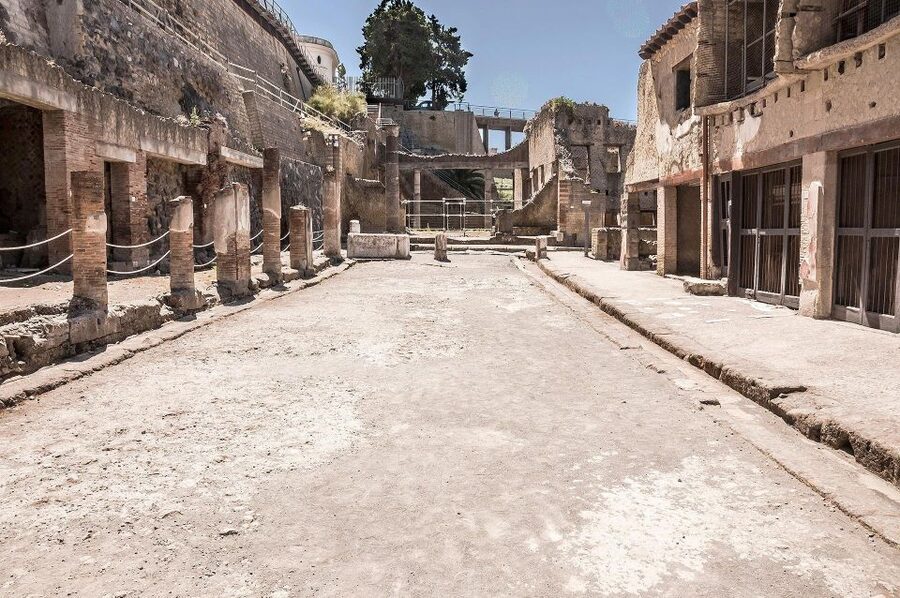
What makes Herculaneum so compelling is how close to real life the ruins feel, even after nearly 2,000 years. I especially love the audio guide, because it turns scattered ruins into a clear story you can follow at your own pace, and I like that you get a map so you are not guessing your way through the site. One possible drawback: the site can be a bit tricky to navigate, and the audio guide numbering can sometimes feel out of sync with what you see in front of you.
You will come for the well-preserved villas and the famous images frozen by the 79 AD eruption, but you might stay for the human details, from the ancient market vibe to the areas tied to people who did not make it. The other consideration is physical comfort: you are walking on cobblestones with some steep steps, so it helps to plan for a slower, steady pace.
Key things I’d lock in before you go
- Audio guide on site in multiple languages, so you can explore without joining a group tour
- Map included, helpful for lining up the ancient market, fountains, and theatre areas
- Preservation that Pompeii does not fully match, including paintings and even wooded door elements
- Daily life stops, like villas, temples, and housing comparisons between rich Romans and enslaved people
- Go early if you can, because the site is quieter at opening and gets busier later
- Expect some navigation quirks, especially around matching audio cue numbers to the physical spots
Herculaneum’s shock-and-awe effect, without the crush
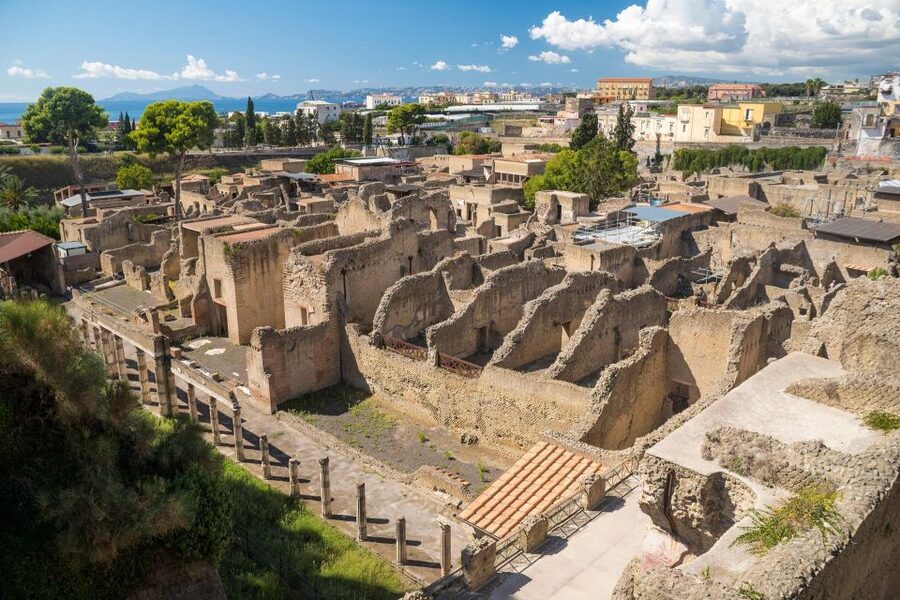
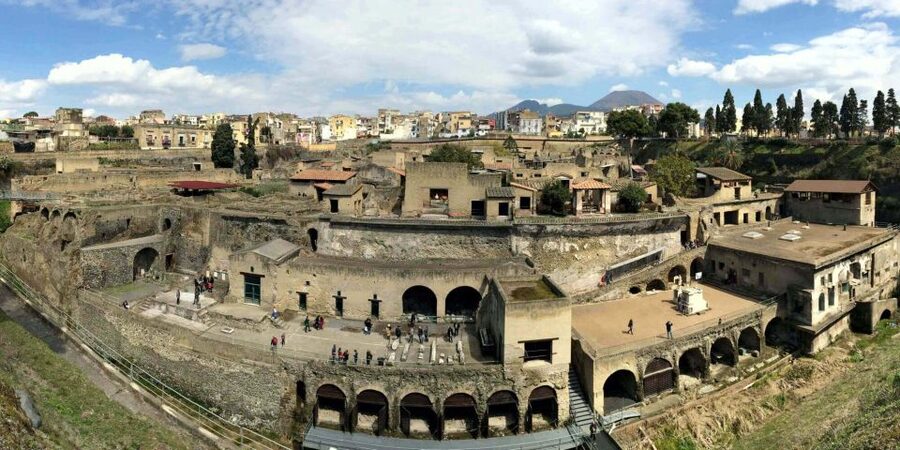
Herculaneum is an ancient Roman town buried by volcanic ash when Vesuvius erupted in 79 AD. That one fact does something to your brain while you walk. You are not just looking at ruins, you are reading the shapes of everyday life, preserved enough that you can still recognize how people lived, worked, and worshipped.
The biggest reason this ticket makes sense is that you are not forced into a rigid route. With the audio guide, you can choose what to linger on. If you enjoy art, you will notice paintings and surviving interior details. If you prefer human stories, you will find sections tied to rescue attempts and the tragedy along the sea.
The pacing is a big deal here. Herculaneum is smaller than Pompeii, but it still takes time because so much is preserved in-place. In other words, you do not want to rush it like you are power-walking through a checklist.
More of Herculaneum:
- Herculaneum: Skip-the-Line Guided Tour with Archaeologist
★ 4.8 · 3,439 reviews - Herculaneum Small Group Tour and Ticket With an Archaeologist
★ 5.0 · 994 reviews - From Naples: Pompeii & Herculaneum with Archaeologist Guide
★ 4.8 · 665 reviews
Skip-the-line entry at the ticket office, then get your audio working
This experience is straightforward on paper. You show your ticket at the Herculaneum ticket office, and you start your visit. What matters in real life is the order of steps once you arrive.
Plan on doing two pickups. You show your ticket for entry, then you collect the audio guide. Some people found it easy and quick. Others ran into confusion about where to stand for the skip-the-line process, or had to loop back for the correct desk. You can reduce frustration by arriving a little earlier than your time slot and staying calm if the first direction you get is not the final one.
The audio guide is designed to be hands-on. You use the device at the key points, and the guide is available in English, French, German, Italian, and Spanish. Based on what I learned from on-site experiences, having your ears ready is smart, and bringing earbuds can help if the devices come with a headset or you prefer your own setup.
Also note this practical detail: you will need passport or ID card to handle the audio guide collection. Keep your ID easy to reach.
The walk that makes the site click: market, fountains, theatre
One of my favorite ways to enjoy Herculaneum is to follow the flow of everyday spaces, and this is where the included map really earns its keep. You start to see the town as a connected place, not a set of random rooms.
As you move through the site, you will reach a market area. This is where the town starts to feel alive. It is not just “ruins,” it is the logic of streets, entrances, and how people moved between public spaces.
You will also pass public fountains and make your way toward the theatre. Even if you are not a classics expert, these are recognizable features. That is the audio guide’s job, to point out what you are looking at and why it mattered.
One navigation caution: the audio guide uses numbers tied to points of interest, but in some cases the cue numbers may not match the physical numbering you see on signs. The fix is simple, not fun. Start by getting your bearings with the map, then follow what the audio describes as best you can, even if the number label feels off.
Villas under volcanic ash: preserved art, doorways, and room-by-room clues
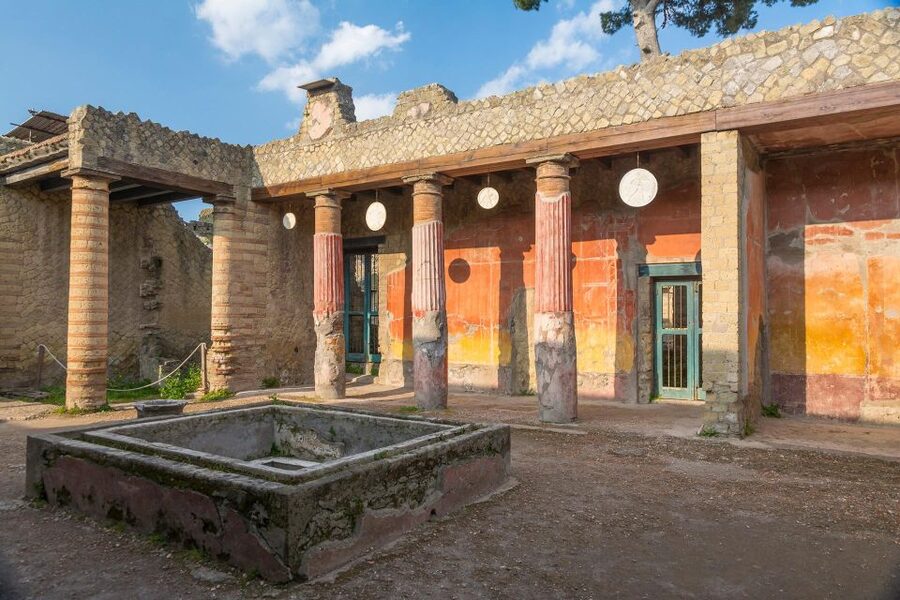
Herculaneum’s wow factor is its preservation. In many places, villas and interiors were sealed under volcanic ash during the eruption. That quick burial protected details that would normally have vanished.
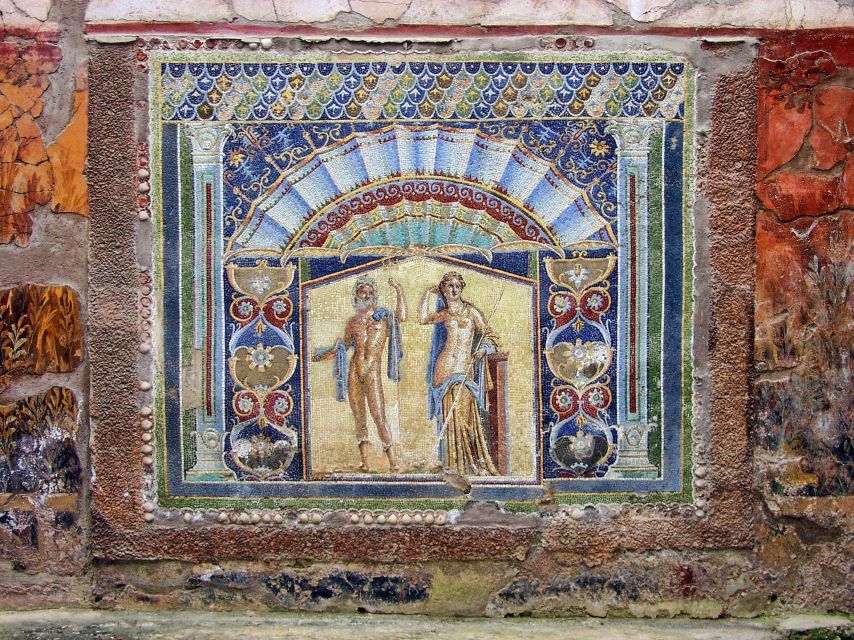
When you are in the right rooms, you can spot well-preserved paintings and decorative elements that still feel personal. You might also see wooden door elements that have survived in a way that is hard to believe until you are looking at them. It is the kind of preservation that changes your perspective from “ancient architecture” to “someone lived here.”
The audio guide helps you make sense of what you are seeing. It does not just tell you there is a painting. It gives context about what the space likely meant, and how rooms were organized for comfort, status, or daily routine.
A heads-up: some internal spaces can be temporarily closed. Even so, you still get enough open areas to build a full picture. Treat it like a living museum site, not a perfect model.
More Naples bookings worth a look
- Pompeii: Skip-the-Line Entry Ticket with Audio Guide or Tour
★ 4.1 · 1,364 reviews - Naples: National Archaeological Museum Ticket & Audio App
★ 4.4 · 617 reviews - Ercolano: Herculaneum Entry Ticket with Optional Audio Guide
★ 4.1 · 581 reviews - Ercolano: Herculaneum Skip-the-Line Ticket & Audio Guide
★ 4.0 · 275 reviews
The tragedy that hits hardest: the sea, rescue hopes, and human remains
There is an area tied to people who perished while hoping for rescue from the sea during the eruption. Standing in that kind of space is different from looking at a courtroom exhibit. You feel it in your body, quieting your pace without asking permission.
This is also where you may encounter the site’s poignant moments, including the remains preserved from that event. A few visitors specifically called out the emotional impact of reaching those sections, and you should plan for it. If you are visiting with kids or older family members, go slower here and let everyone process.
If you are the kind of traveler who prefers lighter content, you can still do that. You can steer your order using the audio guide and linger earlier in the market and villas. But if you want the full Herculaneum experience, this part is the emotional core.
Temples and gods, plus the surprising contrast of rich and enslaved lives
Herculaneum does not only show homes. You also move through religious spaces, including temples with depictions of ancient gods. When you hear the audio explanation, it becomes easier to connect symbols to meaning rather than treating everything like decoration.
Then comes one of the most important comparisons on the route: housing differences. The audio guide helps you contrast how enslaved people were housed compared with the lavish living spaces of the wealthy. It is one thing to read that Romans had inequality. It is another to see the physical consequences of that inequality in a built environment.
This is also where the audio guide works best for the kind of visitor who wants facts without a formal tour. You can stop where the explanation lands, and then keep walking when you are ready.
Audio guide reality check: numbering, cues, and how to stay oriented
The audio guide is a big selling point, and it is often praised for being detailed and easy to use. Still, there is a clear pattern: orientation can take a minute, and the cue system is not always perfectly aligned with what the site labels show you.
Here is what to do when it gets confusing:
- Start at the beginning and take a moment to match the map to where you are standing
- Use the audio description as the main clue, not just the number on your device
- If you realize you are walking the wrong direction, do not panic. You might even end up seeing quieter areas first, then return to the busier zones later
- If you need help, ask at the start. Some visitors found it helpful to get the right setup and guidance early, rather than waiting until the second half of the visit
One more practical note: the audio guide may function like a smartphone-style device, which is helpful if you want to use earbuds. Some people also wished for Bluetooth and handier integration, but even without that, the setup is generally usable.
How long to plan, and the best rhythm for a calm visit
You are looking at a one-day activity. In practice, you should plan at least half a day, and you may find you want closer to a full morning or afternoon depending on how much you pause for details.
The site is compact, but it invites slow walking. Visitors often describe wandering for around 3 to 4 hours. That seems about right if you want to see the key public spaces plus at least a couple of villa areas without sprinting.
Timing matters. Going earlier can mean fewer crowds and a smoother audio experience. The site also has spots to sit and take in views, which helps when you are dealing with the cobblestone footing and the occasional steep steps.
If it is hot, this matters more. There is limited shade in some stretches, so plan breaks and hydrate.
Optional guided upgrades: when it helps on a hot day
This ticket is self-guided with an audio guide. No live guide is included. That said, some visitors reported an on-site option to upgrade to a guided tour.
One guide name that came up was Tony (and another was Fabio). People who upgraded described it as a worthwhile use of money, especially when the guide kept explanations in the shade and helped connect the dots across the site. If you are paying attention to meaning, not just seeing pretty rooms, a guided upgrade can make your visit feel more complete.
I would only choose that option if you know you want more than audio. If you love independent pacing and quiet listening, the base experience is usually enough.
Value for $15: what you get, and what makes it worth it
At $15 per person, the value here is strong if you use the audio guide like it is meant to be used. You are getting entry plus audio plus a map, and you are not paying extra for a guide to explain the basics.
Herculaneum can also be a better fit than Pompeii for some travelers. It is smaller and often feels quieter. That matters because time and stress are real costs. If you do not have multiple days, a self-paced Herculaneum visit can give you a fuller emotional hit than squeezing a second site with crowds.
If you are the type who likes pairing experiences, Herculaneum complements Pompeii well. The contrast is the point. Pompeii can feel overwhelming. Herculaneum can feel more intimate because the preservation lets you notice details in a human scale.
Practical tips: shoes, ID, and a smarter first 10 minutes
Before you go, pack for comfort. The tour info calls out passport or ID card and comfortable shoes. I agree. Cobblestones plus steps mean you need grip and patience.
Your first 10 minutes are the difference between a smooth day and an annoying one. Do this:
- Have your ID ready for the audio guide setup
- Take a quick look at the map so the route makes sense
- Get oriented before you commit to a long explanation loop
- Decide early whether you want art-forward stops (paintings, interiors) or story-forward stops (rescue and human tragedy)
Tiny detail, but funny if you are a cat person: some people noticed cats around the site. It is one of those small, memorable bits of modern life at an ancient place.
Should you book Herculaneum skip-the-line with audio guide?
Yes, if you want independent pacing with a guided narrative. This is a great choice for history lovers, first-timers, and anyone who finds group tours too rigid. The audio guide lets you choose your order, pause when something grabs you, and move on when you are done.
I would consider a guided upgrade if you really want someone to connect everything for you, especially if it is a hot day or you want a more interpretive route. If you are sensitive to small navigation mismatches, go early and give yourself time to orient with the map. With that simple plan, you will get a visit that feels personal, not rushed, and more than worth the modest ticket price.
FAQ
What do I need to show to enter Herculaneum?
You show your ticket at the Herculaneum ticket office to begin your visit.
Does this include an audio guide and a map?
Yes. The experience includes the Herculaneum entry ticket, an audio guide, and a map.
Is there a live guide included?
No. A guide is not included.
What languages are available for the audio guide?
The audio guide is available in English, French, German, Italian, and Spanish.
How long is the activity?
It is listed as a 1 day experience.
What should I bring with me?
Bring your passport or ID card and wear comfortable shoes.
Where do I pick everything up?
The meeting point is the Herculaneum ticket office, where you show your ticket.
Can I cancel for a full refund?
Yes. You can cancel up to 24 hours in advance for a full refund.
Can I reserve without paying right away?
Yes. The option is Reserve now, pay later, so you can book your spot and pay nothing today.
Is the entry ticket always included with the audio guide?
For this specific experience, yes. The entry ticket is included. There is also an option where you select the audio guide without the ticket, but that is separate from this package.
Reviewed lately around Naples
- Naples: National Archaeological Museum of Naples Guided Tour★ 4.8 · 498 reviews
- Naples Pasta Class: Fettuccine & Ravioli with Grandma’s Recipe★ 5.0 · 506 reviews
- Naples Walking Tour with Underground Roman Ruins Ticket★ 4.5 · 510 reviews
- Private Day tour of Positano, Amalfi and Ravello from Naples★ 5.0 · 522 reviews
- Naples: Street Art & History Tour in the Spanish Quarters★ 4.9 · 540 reviews
- Private Day Tour: Sorrento, Positano, Amalfi, Ravello from Naples★ 4.5 · 546 reviews
- Day Trip of Pompeii, Herculaneum and Vesuvius from Naples★ 4.5 · 547 reviews
- Day Trip of Pompeii, Sorrento and Positano from Naples/Salerno★ 5.0 · 560 reviews
Herculaneum Tours, compared.

Herculaneum: Skip-the-Line Guided Tour with Archaeologist
Read our review →
Pompeii and Herculaneum Small Group Tour with an Archaeologist
Read our review →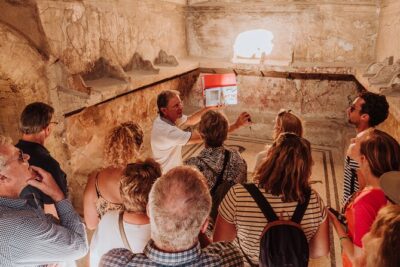
Herculaneum Small Group Tour and Ticket With an Archaeologist
Read our review →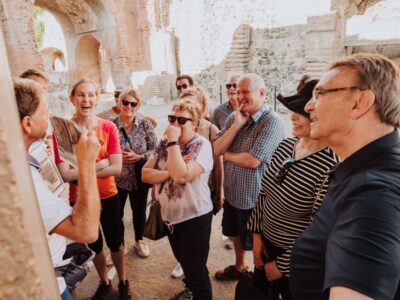
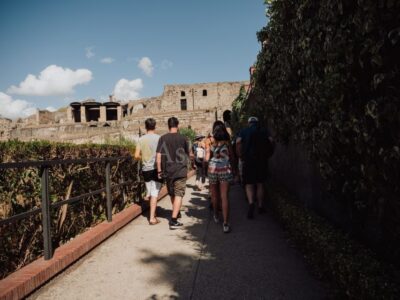
Pompeii & Herculaneum with Archaeologist Guide
Read our review →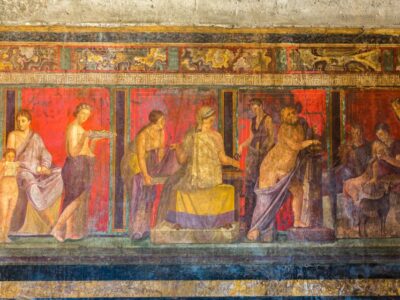
Pompeii, Herculaneum, & Vesuvius Full-Day Tour
Read our review →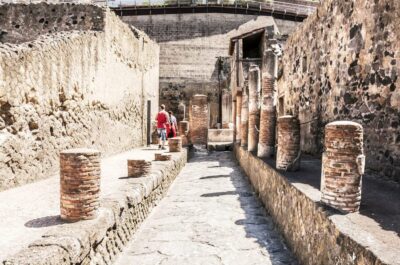
Ercolano: Herculaneum Entry Ticket with Optional Audio Guide
Read our review →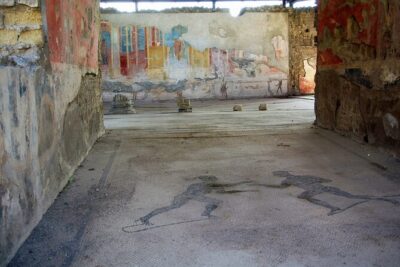
Day Trip of Pompeii, Herculaneum and Vesuvius from Naples
Read our review →Browse the lists this tour appears in