
Reviewed · FLORENCE TOURS
The Best Tour in Florence: Renaissance and Medici Tales
Florence clicks faster when you connect the people to the places. This 2-hour, on-foot tour threads the story of the Medici through the city’s most important sights, from Basilica di San Lorenzo to the Palazzo Vecchio area.
I really like two things here. First, the start at San Lorenzo puts you right in the Medici orbit, so the history feels less like a lecture and more like cause and effect. Second, the guide storytelling (I’ve seen styles credited to guides like Aurora, Manuel, and Deborah) makes architecture and power politics easier to remember than a stack of museum labels.
One possible drawback: it’s a walking tour. If your day needs lots of indoor time or you want long stops, you may feel a bit rushed, especially since some sights have admission rules and the tour depends on good weather.
Key Highlights Worth Your Time
- Medici storytelling that ties together major landmarks instead of treating them like separate postcards
- A walk that hits both famous and lesser-noticed spaces, with quick orientation so you navigate better later
- Duomo complex and Brunelleschi’s dome area viewing moments without spending your whole day in lines
- Dante to Piazza della Signoria, so Florence’s civic and literary DNA makes sense fast
- Small group cap (up to 30), which helps the guide keep things organized on foot
Why This Medici and Renaissance Walk Works in Florence
If you only do one guided introduction in Florence, I’d steer you toward this kind of tour. You get a smart route that links Renaissance art, banking power, and the city’s public spaces. Florence is full of monuments, but it’s the stories behind them that help you “see” what you’re looking at.
The format also matters. Two hours is long enough for real context, but short enough that you still have energy to wander on your own afterward. You’re walking through the middle of town, so the city is still alive around you, not locked behind a ticketed entrance.
And because the tour is in English, you’re not stuck with fragments. The guide commentary is the point here, turning the route into a narrative you can carry for days.
More from a Florence stay:
- Florence: Skip-The-Line Uffizi Gallery Timed Entry Ticket
★ 4.5 · 27,832 reviews - Tuscany Day Trip from Florence: Siena, San Gimignano, Pisa and Lunch at a Winery
★ 5.0 · 21,634 reviews - Florence: Timed Entrance Ticket to Michelangelo’s David
★ 4.6 · 16,983 reviews
Meeting at San Lorenzo: The Medici Starting Point You Don’t Want to Miss
The tour begins in front of San Lorenzo Church, with the meeting point by the statue of Giovanni de’ Medici sitting on a throne. That detail is not random. It’s a neat cue for what you’ll be learning: how the Medici helped shape Florence’s Renaissance, not just as patrons of art, but as political and cultural architects.
San Lorenzo sits right in the city’s main market area. That means you’ll feel Florence in motion from the first minutes, with streets that look and sound like real daily life, not a staged museum corridor. For most visitors, it also helps to start here because the surrounding streets make great “walk-back” areas once the tour ends.
Keep in mind that you’ll be starting outdoors and moving step to step. If you’re sensitive to weather, plan accordingly, because the tour needs good conditions.
Stop by Stop: San Lorenzo, Palazzo Medici Riccardi, Baptistery Basics
You’ll spend short moments at each stop, but they’re chosen well to build momentum.
Basilica di San Lorenzo
San Lorenzo is one of Florence’s largest churches and, crucially, it’s the burial place for principal Medici family members from Cosimo il Vecchio through Cosimo III. Even if you don’t go inside, the guide framing helps you read the space. This isn’t just a pretty church stop. It’s a reminder that the Medici were building a legacy you could literally visit.
Admission is not included here, so if you want deeper time inside, you’ll likely need to plan your own ticket later.
A different Florence day to consider:
- Florence: Michelangelo’s David Skip-the-Line Entry Ticket
★ 4.5 · 12,764 reviews - The Best tour in Florence: Renaissance & Medici Tales – guided by a STORYTELLER
★ 5.0 · 12,316 reviews - Florence: Leonardo Interactive Museum Entry Ticket
★ 4.5 · 11,763 reviews - Florence: Pasta Cooking Class with Unlimited Wine
★ 4.9 · 10,285 reviews
Palazzo Medici Riccardi
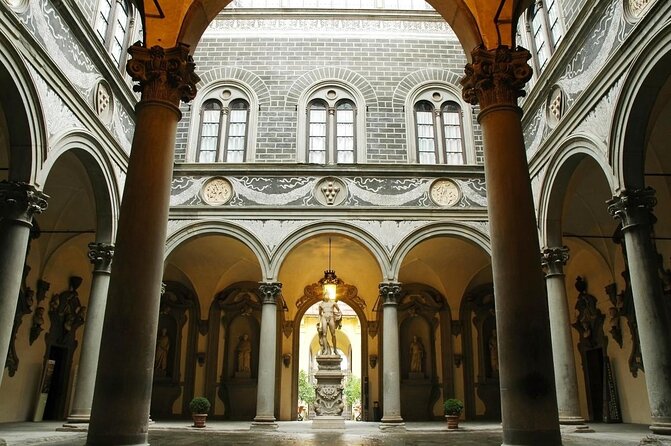
Next comes the Palazzo Medici Riccardi, designed for Cosimo de’ Medici and built between 1444 and 1484. This is a key bridge between the Medici as bankers and the Medici as Renaissance power brokers. You’re looking at a residence tied to one of the era’s biggest engines of patronage.
Again, the stop is brief, and admission is not included, so think of this as orientation plus story. If you want to see rooms in detail, you may want to add a follow-on visit on a different day.
Battistero di San Giovanni
Then you’ll reach the Florence Baptistery, one of the oldest buildings in the city, constructed between 1059 and 1128 in Florentine Romanesque style. The guide’s commentary here helps you understand why this building matters even if it doesn’t feel as familiar as the Duomo to first-time visitors.
You’ll also be absorbing how Florence layers styles across centuries. That theme keeps repeating throughout the tour.
Duomo Complex and Brunelleschi’s Dome: Seeing the Big Picture Quickly
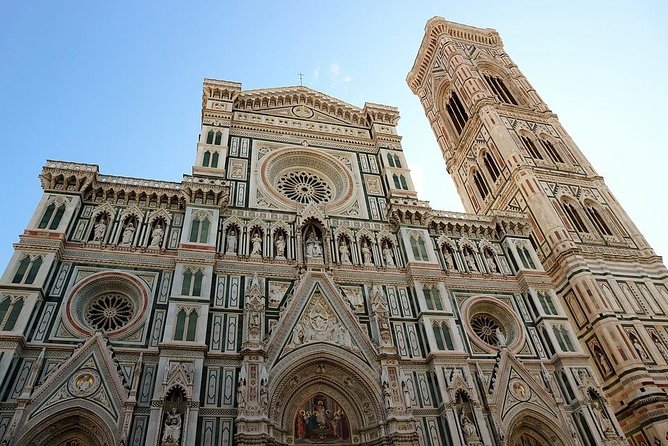
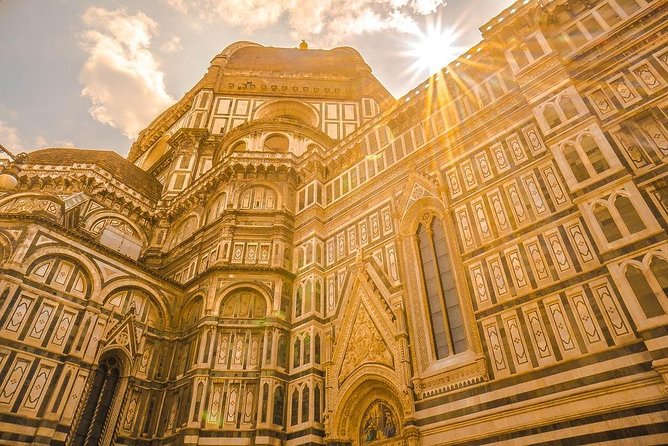
The Duomo complex is the heart of Florence for many people, and this tour gives you the “why” behind the spectacle. You’ll see the Duomo and get a look at how the cathedral complex includes the Baptistery and Giotto’s Campanile. These three buildings are part of a UNESCO World Heritage Site.
Here’s the practical part: the cathedral complex area is a big draw, and it can become overwhelming if you go in cold. This tour gives you a mental map first, so when you circle back later, you’ll understand what belongs together and what story connects them.
Campanile di Giotto
Giotto’s Campanile is adjacent to both the cathedral and the Baptistery. You’ll hear about its Florentine Gothic architecture and its polychrome marble look. Even if you do not go inside, the stop helps you spot details you might otherwise miss.
Admission is not included for this segment.
Cupola del Brunelleschi
The tour then points you toward the famous dome by Brunelleschi. It’s described as the largest brick dome ever constructed and still one of the biggest art and architecture mysteries people love to talk about. That phrasing is actually useful. When you know it’s a technical and creative triumph, you’re better equipped to look past the postcard image.
Admission is not included here either, so don’t count on this being a full dome visit. It’s a stop built for context and recognition, not an extended interior experience.
Dante, Piazza della Signoria, and Palazzo Vecchio: Florence as Civic Theater
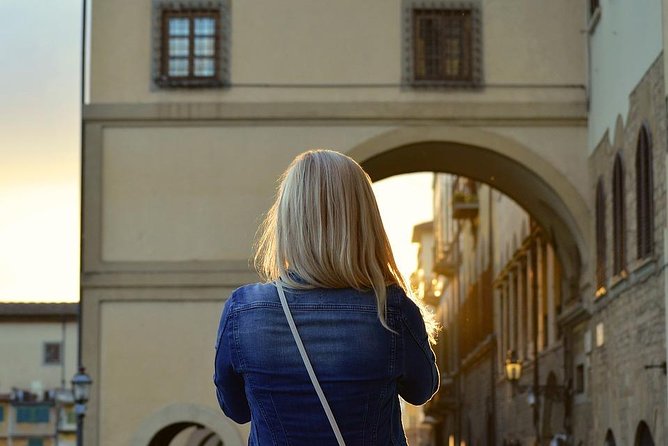
This is the part where the tour shifts from religious architecture to Florence as a public stage. That matters because Florence was not only an art workshop. It was a city where power played out in squares.
Museo Casa di Dante
You’ll pass the House of Dante and reach the Museo Casa di Dante area. Dante Alighieri wrote the Divine Comedy, widely considered a major Middle Ages work and a cornerstone of Italian literature. This short stop helps you connect Florence’s Renaissance to the earlier literary roots that fed it.
Admission is free here, so it’s the rare moment where you might be able to linger without stressing about ticket costs.
Piazza della Signoria
Next is Piazza della Signoria, an L-shaped square in front of Palazzo Vecchio. It’s one of the key meeting places in the city and functions as a gateway to the Uffizi area. The stop gives you a sense of Florence’s “public room,” where the city gathers and where art and politics overlap.
There’s also that memorable detail: you’ll see a copy of Michelangelo’s David. Even if you’ve seen David elsewhere, the placement here matters because it signals what this square wanted to communicate about Florence’s identity.
Admission here is free, so it’s an easy moment to soak up the vibe and orient yourself for later wandering.
Palazzo Vecchio
Then comes Palazzo Vecchio, Florence’s town hall and a fortress-like palace. The guide’s focus makes it more than a historic building. It’s about how the city governed itself, and how authority is made visible through stone.
You’ll also see the square-facing David copy and the Loggia dei Lanzi’s statue gallery area nearby. Admission is not included in the tour segment, so if you want to go inside, you’ll need to plan that separately.
Ending Near the Uffizi Gallery: How to Turn This Into an Easy Day Plan
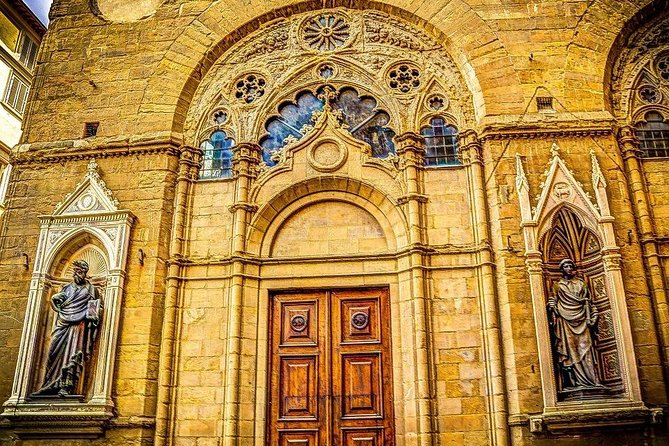
The tour finishes in the Piazza della Signoria area, near the Uffizi Gallery. That ending location is smart. You’re not dropped somewhere awkward far from the action, and you can keep your momentum without wasting transit time.
The Uffizi is one of the world’s best-known art museums, with a Renaissance collection emphasis. The Uffizi building was begun by Giorgio Vasari in 1560 for Cosimo I de’ Medici to house offices of Florentine magistrates, which is a fun detail because it shows the building was never just about art. It started as a working center of power.
Admission here is not included as part of the tour, so you’ll still need your own museum plan and timing. But because the walk gives you context for what you’re seeing, it often makes the later Uffizi visit feel less like random rooms and more like a coherent story.
Also, because you’re finishing in an area where food and wandering options are close, you can reward yourself immediately. If you want a calm transition, use the last 10 minutes of your tour as a scouting window, then slow down after it ends.
Price, Donations, and Real Value for Money
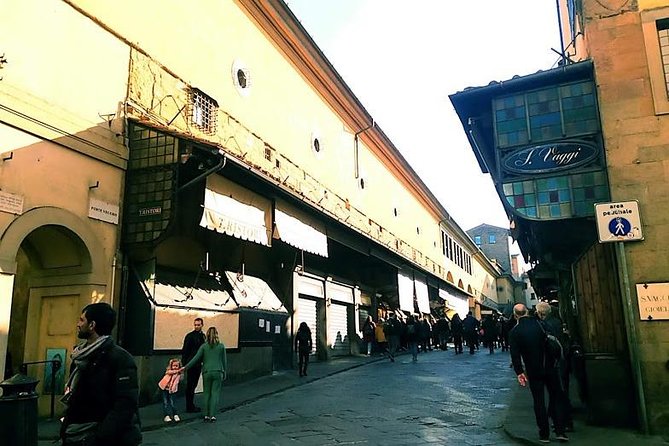
The price shown is $3.62 per person, and that’s only part of the story. This tour works on a donations model: it’s made possible only thanks to your donations, and you decide the amount at the end based on the guide’s expertise and professionalism. The guide’s compensation is what you choose to donate.
So what does that mean for you? It means you should budget mentally for two things: whatever you pay to reserve your place, plus a meaningful donation. The best value is when you treat the guide as the main attraction, not a background extra.
At the same time, this setup can be a sweet deal. You get a guided walk through top sites and key lesser-known touches without paying for multiple ticketed attractions in a single package. And because you’re on foot for about two hours, you’re also getting local atmosphere, not just a sightseeing list.
The tour has a mobile ticket, and it’s offered in English. That helps avoid friction. If your day schedule is tight, this format is practical because you can fit it early and still have time to explore later.
What the Walking Pace Feels Like (and Who Should Pick It)
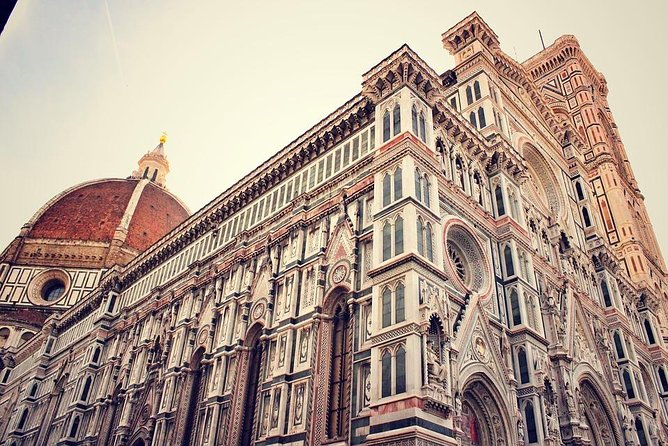
This is a walking tour with a maximum group size of 30. That matters. Larger groups can turn walking tours into a stop-and-go shuffle. Here, the cap helps keep it organized and makes the guide’s storytelling easier to follow.
The stops themselves are short, so the tour works best when you want orientation and a story-driven overview. If you prefer to spend lots of time inside buildings, you’ll want to pair this with extra independent visits later.
Who it suits well:
- First-time Florence visitors who want a fast grasp on the city’s Renaissance logic
- People who care about Medici power, art, and politics as a single thread
- Travelers who like walking and want a route that ends near major museum plans
Who might find it less ideal:
- Anyone who hates walking in city streets or has limited time for moving between multiple landmarks
- People who want long interior time at each stop, since some admissions are not included
Weather, Timing, and Small Practical Tips
This experience requires good weather. That’s worth respecting because the route is mostly on foot and outdoors between landmarks. If you’re visiting in a rainy season, pack for it and consider planning a backup museum day.
Also, some stops have admission not included, while others are free. The most practical mindset is to treat this as a guided overview first. When something really grabs you, you’ll know what to target next.
Finally, since the tour ends near the Uffizi Gallery, decide ahead of time whether you want to go in right away or save it for later. The tour can make either choice easier because you’ll understand what you’re walking toward.
Should You Book This Florence Medici Tour?
I think you should book it if you want a smart start to your Florence trip and you like your sightseeing with a story. The Medici focus is a strong spine, and the route makes sense geographically, starting at San Lorenzo, swinging through the Duomo complex area, and ending near the Uffizi.
If you’re budget-minded, this is a good value style of tour because you get major landmarks plus key civic and literary moments, without needing to buy lots of timed entries as part of the guided walk. Just remember the tour depends on weather and that some admissions are not included, so you may still want to plan a couple of add-on visits.
If you’re unsure, choose the day you can do more walking and you can actually enjoy being outside. This is a tour built for street-level Florence, not for staying glued to indoor air conditioning.
FAQ
Where does the tour start and where does it end?
The tour starts at Piazza di San Lorenzo, 35R, 50123 Firenze FI, Italy, meeting near the statue of Giovanni de’ Medici. The tour ends in Piazza della Signoria, near the Uffizi Gallery area, with the endpoint location shown as indicative within the area.
How long is the walking tour?
It lasts about 2 hours.
Is the tour offered in English?
Yes, the tour is offered in English.
What attractions are included along the route, and are tickets included?
The route includes San Lorenzo, Palazzo Medici Riccardi, the Baptistery of St. John, the Duomo area, Campanile di Giotto, the Cupola del Brunelleschi, the House of Dante area, Piazza della Signoria, Palazzo Vecchio, and the Uffizi Gallery area. Admission is not included for some stops, while certain parts are free (including the Duomo area, Museo Casa di Dante, and Piazza della Signoria). Uffizi Gallery admission is not included.
What group size should I expect?
The tour has a maximum of 30 travelers.
How does the donation model work?
The experience is made possible thanks to your donations. At the end of the tour, you decide the appropriate amount to compensate the guide, and that donation is the only form of compensation for the guide.
What if weather is bad or I need to cancel?
The tour requires good weather. If it’s canceled due to poor weather, you’ll be offered a different date or a full refund. You can cancel for a full refund if you cancel up to 24 hours in advance; within 24 hours, refunds are not available.
Reviewed lately around Florence
- Florence: Uffizi Gallery Tickets with Optional Audio Guide★ 4.1 · 503 reviews
- The Best of Florence Walking Tour in a Small Group★ 5.0 · 503 reviews
- Premium Pasta and Gelato Cooking Class in Florence★ 5.0 · 508 reviews
- Tuscany Vespa Tours Through the Hills of Chianti★ 5.0 · 515 reviews
- Pasta and Tiramisu Cooking Class with optional Local Market Tour★ 5.0 · 515 reviews
- Walking Food Tour of Florence with Tastings and Wine★ 5.0 · 518 reviews
- Florence Vintage Bike Tour – guided, small group or private option★ 4.5 · 524 reviews
- Skip-the-Line Accademia Guided Visit: David Secrets and Beyond★ 4.0 · 525 reviews
Florence Tours, compared.

Skip-The-Line Uffizi Gallery Timed Entry Ticket
Read our review →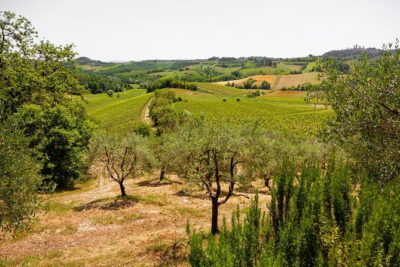
Tuscany Day Trip from Florence: Siena, San Gimignano, Pisa and Lunch at a Winery
Read our review →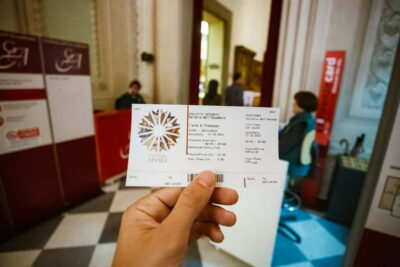
Timed Entrance Ticket to Michelangelo’s David
Read our review →
Michelangelo’s David Skip-the-Line Entry Ticket
Read our review →
The Best tour in Florence: Renaissance & Medici Tales – guided by a STORYTELLER
Read our review →
Pisa, Siena and San Gimignano Day Trip with Lunch
Read our review →Browse the lists this tour appears in