
Reviewed · ITALY
Rome: Welcome To Rome Immersive Multimedia Show
Rome is one of those cities where everything you see feels layered on top of everything else, so I love how Welcome To Rome turns that confusion into a clear timeline. The big reason it works is the wall and ceiling projections plus a light-up ground model that makes change over centuries feel physical. The show is 27 minutes long, and then you keep learning with interactive models.
Two things I really like: first, you get a fast but coherent explanation of how ancient, imperial, and later Rome overlap. Second, the interactive parts let you explore specific masterpieces in a way that is hard to get from ruins alone. One drawback to consider is that this is a sit-then-walk experience inside a cinema space, so if you need lots of places to rest, plan for some standing and moving between areas.
Key points before you go
- Start anytime during opening hours, since the show runs continuously, not on one fixed schedule.
- 27 minutes covering 2700 years, told through sound, narration, and multi-projection visuals.
- Interactive models focus on major landmarks, including the Imperial Forum and Augustus Forum.
- You can skip the ticket line, which helps when your day is already packed.
- Audio guide in 9 languages, so you are not stuck with just one narration track.
- Wheelchair accessible, with accessibility noted for the projection and interactive exhibits too.
Where to Find Welcome To Rome Near Piazza Navona
Welcome To Rome is inside the ex-Cinema Augustus, on Corso Vittorio Emanuele II, 203. It is just a few hundred meters from Piazza Navona, which means you can easily tack it onto an already-planned walk through the historic center.
This is not one of those Rome activities that requires a long commute. It is built for convenience. That matters, because Rome is so walk-heavy that you want at least one short, structured indoor stop that helps you connect the dots.
When you arrive, you go through the entrance at the venue, then get directed into the show experience. There is also a streamlined element to the ticket process, including skip the ticket line, so you spend less time waiting and more time learning.
The Main Show: 27 Minutes of Rome Through 2700 Years
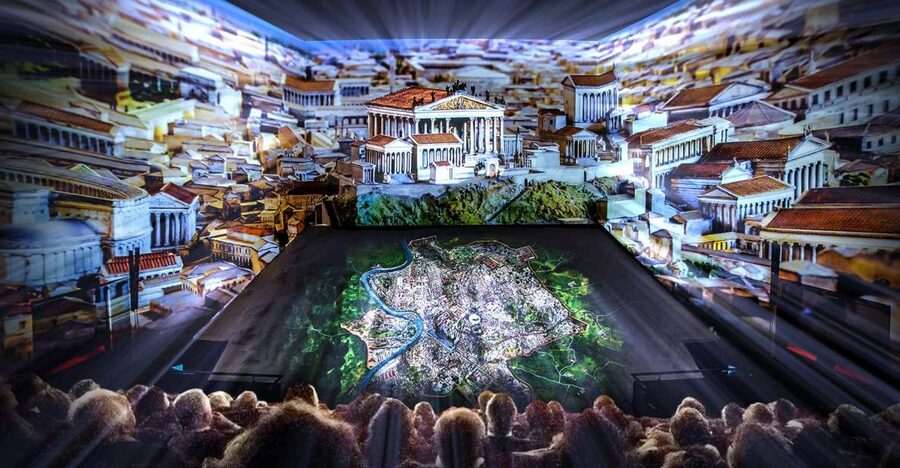
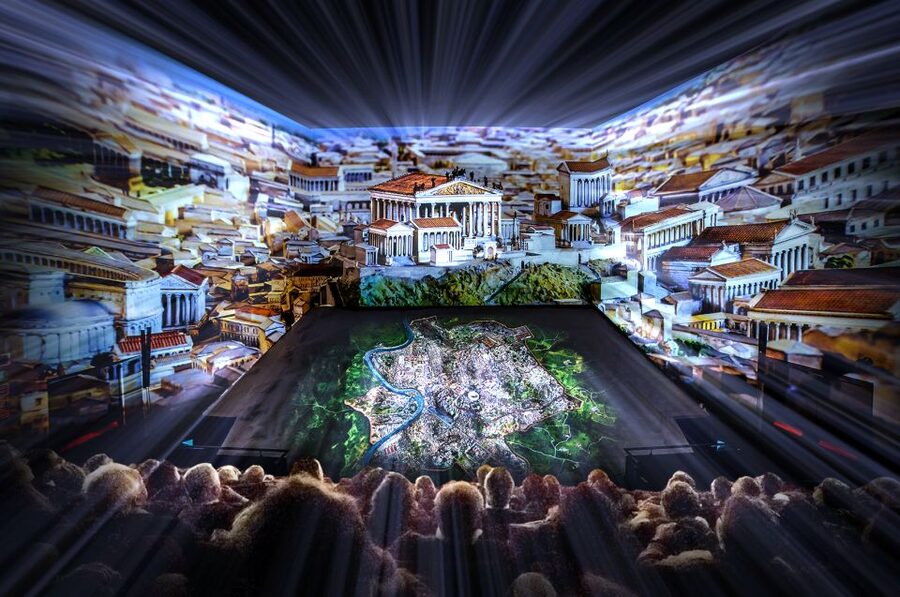
The core of the experience is a multi-projection presentation that runs for about 27 minutes. Walls and ceilings come alive with visuals, and on the floor, a large illuminated city model shows Rome’s evolution as the narration moves through different ages.
I like the way the show is set up to teach by motion. You are not just looking at static images. The visuals create an illusion of flying over the city through the centuries, and the narration guides you as the story shifts from monuments and palaces to churches and squares. That is a smart way to explain a city where the modern street grid still carries ancient weight.
If you are a first-timer, you will probably walk away with more than names. You will get a sense of why certain sites are where they are and how later Rome grew on earlier Rome. If you are returning to Rome, it can still be worth it because it gives you a structured timeline that your eyes might miss when you are bouncing between ruins and museums all day.
There is one operational detail worth knowing: the last show starts 1 hour before closing time. That makes planning simpler. If you are trying to schedule it late in the day, do not assume you can arrive right at closing.
The Big Ground Model That Makes Ruins Feel Logical
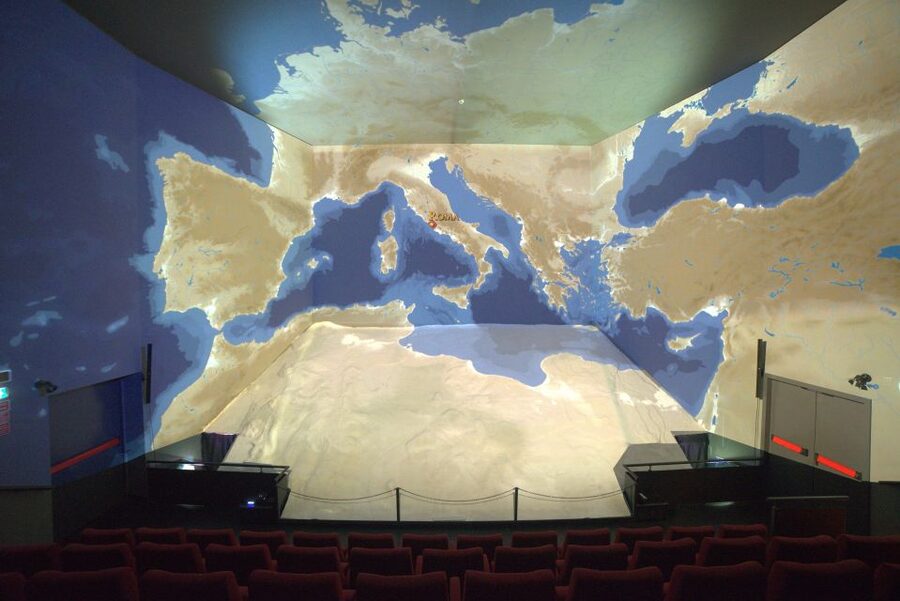
A lot of Rome sightseeing can feel like a series of impressive fragments. One reason this show helps is the way it uses that large model of the city to track the changes you see outdoors.
On the ground, Rome’s transformation becomes something you can “see” rather than only imagine. The show explains Rome’s development across ages, so when you later stand near actual ruins, you are more likely to understand what you are looking at in its original context.
I also appreciate that the narration keeps everything chronological. Rome is famous for being complicated, and a timeline is the easiest way to stop feeling lost. This is exactly the kind of indoor lesson that makes your outdoor walks more meaningful, because your brain starts connecting landmarks instead of just collecting photos.
One small practical note: follow the directional flow inside the venue. Some people find it helpful to pay attention to floor signage and guidance so you do not wander around guessing where the best viewing points are for the projection and model areas.
Interactive Models: Imperial Forum, Augustus Forum, Hadrian, and St Peter
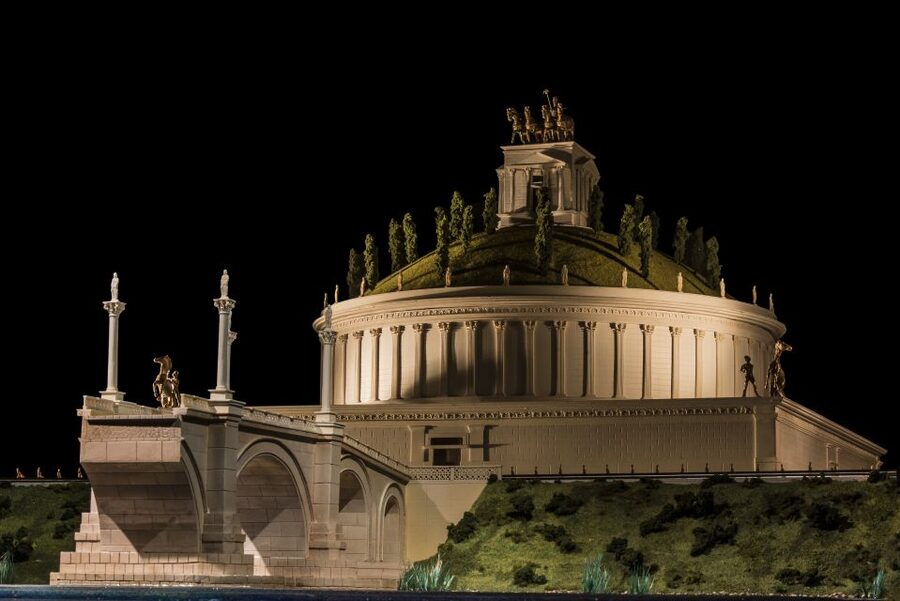
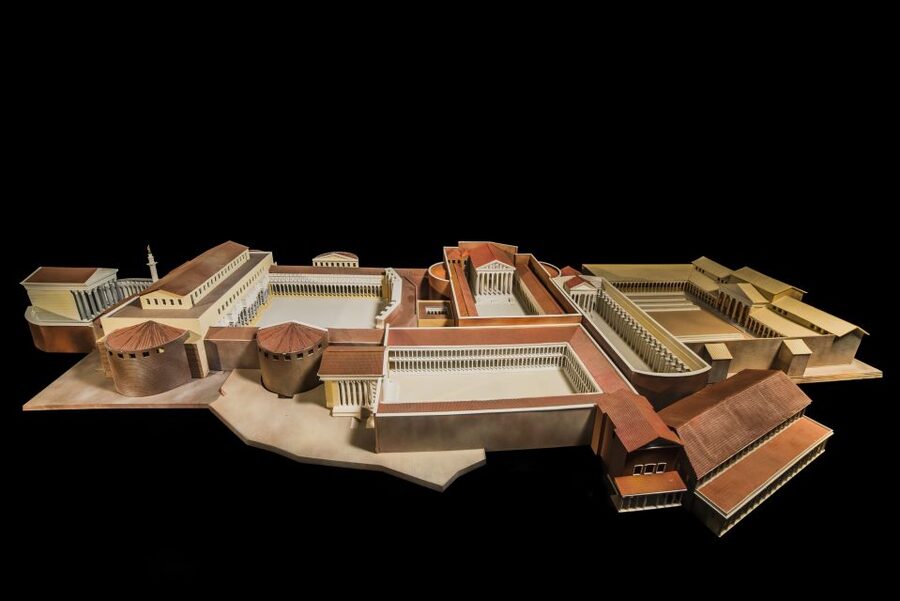
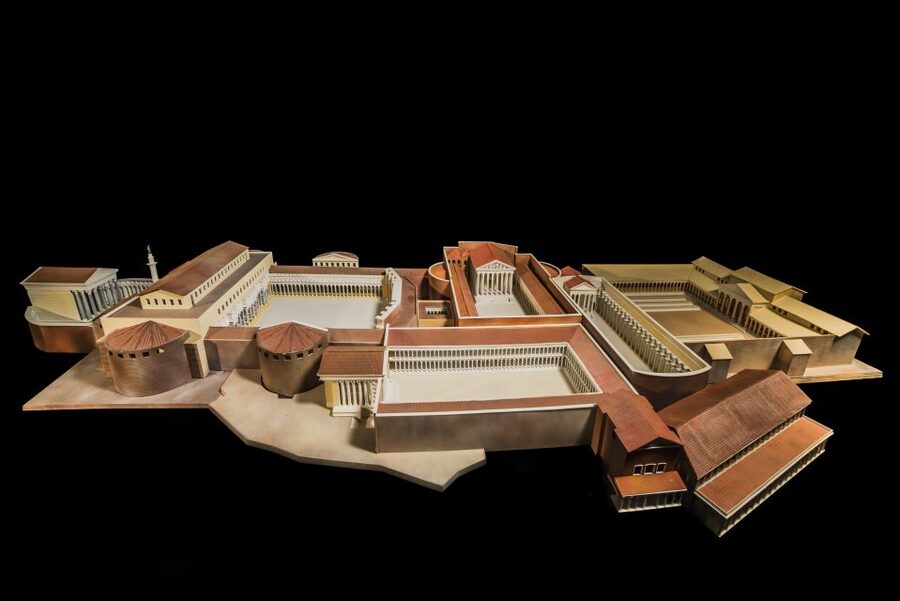
After the main projection, the show expands with four large interactive models. This is where you move from “watching the story” to “using the story.”
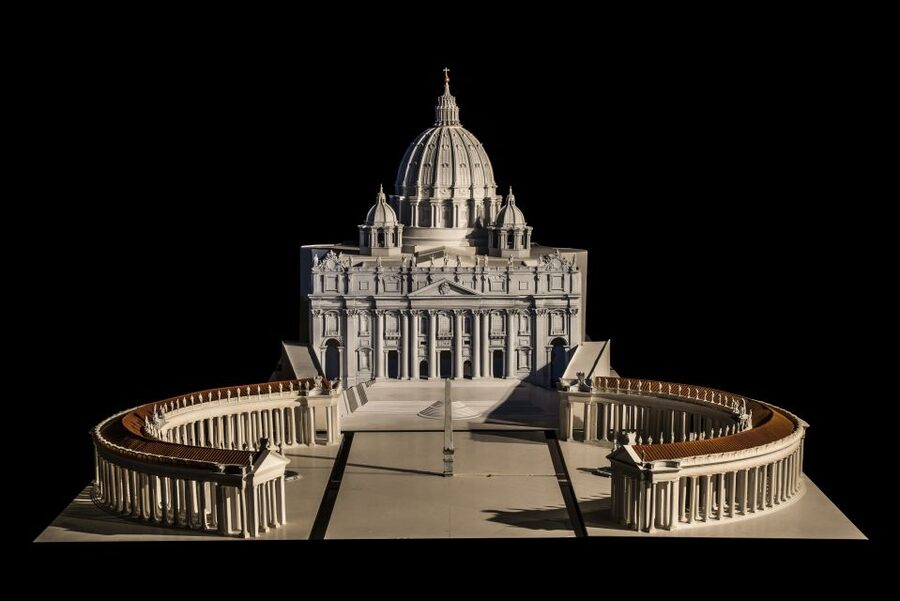
The models are built around major sites:
- Imperial Forum
- Augustus Forum
- Mausoleum of Adrian
- San Peter Basilica (San Peter Basilica)
These are big choices. They cover different kinds of Rome that people want to understand: imperial power and monumental civic spaces, plus later religious Rome. If you are the type who gets frustrated by vague museum explanations, the interactive part is a real value-add because you are actively inspecting how pieces fit together.
This section also helps kids, and not just the history kids. One parent described it as a fun, compact overview that worked for kids and adults alike. Even if your child is too young for lots of museum reading, the models and the visual timeline give them something concrete to point at.
Time-wise, plan on your visit taking around an hour overall. Reviews often describe it as compact, with the main story feeling like a short ride and the models giving you extra “hands-on” understanding.
Timing, Pace, and Best Order for Your Rome Day
Because the show runs continuously during opening hours, you have flexibility. In practice, that means you do not need a perfect minute-for-minute schedule.
What I recommend, if you want the most from it, is doing it early in your trip. The benefit is simple: once your brain has a baseline timeline, every major site you visit later makes more sense. Many people use it as a way to pull together what they are already seeing around the city, or as their first indoor primer before outdoor exploring.
You can also use it as a mid-day reset. Rome heat is real, and a sit-down projection with clear narration can function like a break without wasting your limited time. People also like it as an activity when they want something educational but not overly long.
Pace matters, so here is how to think about it:
- The 27-minute projection is the anchor.
- The interactive models take additional time.
- Movement between areas is part of the deal, so leave a little buffer, especially if you are traveling with kids or someone with limited mobility.
If you have limited time, you still get a full storyline rather than just a quick teaser. And if you have more time, the show becomes a reference point you can revisit mentally while you walk.
Price and Value: Is This Worth $21?
At about $21 per person, this is not a budget throw-in. Some people do mention that it feels a bit pricey for an hour of time, and that is a fair question to ask.
Here is my take on value: you are paying for a teaching tool that would be hard to replicate on your own in a normal museum visit. You get a structured timeline that covers 2700 years, plus a technology-heavy format that turns ruins and changes into something you understand quickly. You also get an audio guide in multiple languages, and you get four interactive models tied to major landmarks.
For the right traveler, that can be worth it. If you are the kind of person who wants to make sense of sites, not just check them off, the cost starts to feel more reasonable. If you want only outdoor experiences and you hate indoor seats, then you might treat it as optional.
I also like that it is a simple add-on with good scheduling flexibility. You can start during opening hours and you can plan around the last show time. That reduces the risk of “paying and then missing it,” which is a real vacation issue in Rome.
Language Options and Audio Guide Experience
The show includes an audio guide with narration in nine languages: Italian, English, Spanish, French, German, Russian, Chinese, Croatian, and Japanese.
This matters because the story is doing most of the heavy lifting. If you choose a language you can follow well, you get the full value of the timeline and the site explanations. If you do not, you will still enjoy the visuals, but the timeline might not land as smoothly.
You do not need to be an expert to follow along. The presentation is designed to translate complex development into an easy sequence. That is why it works for history lovers and families, including parents who want something that keeps kids engaged without becoming pure entertainment.
Accessibility and Comfort: Plan for Movement
Welcome To Rome notes wheelchair accessibility, including accessibility for the projection and interactive exhibits. That is a meaningful plus for anyone who needs step-free routes or accessible viewing.
Comfort is the other side of the coin. One piece of feedback suggested that some areas may have less seating than you would hope for, especially for someone who cannot stand for long. The practical takeaway is straightforward: if comfort is a priority, arrive rested, and plan to move between areas carefully.
Also, if you are carrying a stroller, keep in mind that this is a cinema-style environment with moving to models. You will likely want to travel light and be ready to maneuver in tighter indoor spaces.
Should You Book Welcome To Rome?
Book it if you want a fast, clear way to understand what you will see outside. I especially recommend it when:
- It is your first or second time in Rome and you want a timeline that makes the ruins click.
- You want an indoor break from heat while still learning.
- You are traveling with kids who do better with visual explanations and interactive parts.
- You feel overwhelmed by Rome’s layers and want a guided framework.
Skip it if you already have a strong working knowledge of Rome’s history and you prefer only outdoor sites. Also skip it if you dislike short seated presentations and you know you will rather spend that time walking to another major landmark.
If you are on the fence, I would lean toward going. At worst, you get a memorable 27-minute snapshot of Rome’s evolution, plus interactive models that can make your next outdoor stops easier to interpret.
FAQ
How long is the Rome show?
The main multimedia projection is 27 minutes, and the full experience includes time for the interactive models after the show. Plan on about an hour total.
Where is Welcome To Rome located?
It is inside the ex-Cinema Augustus at Corso Vittorio Emanuele II, 203. The entrance is a few hundred meters from Piazza Navona.
Can I start the visit at any time during opening hours?
Yes. The show runs continuously, so you can start during opening hours. The last show starts 1 hour before closing time.
Are there audio guides, and what languages are available?
An audio guide is included and available in multiple languages: Italian, English, Spanish, French, German, Russian, Chinese, Croatian, and Japanese.
What interactive models can I see after the projection?
You can view four large interactive models: the Imperial Forum, the Augustus Forum, the Mausoleum of Adrian, and San Peter Basilica.
Is the experience wheelchair accessible?
Yes. The venue and the show elements are described as accessible, including for wheelchair users.