
Reviewed · FOOD TOURS IN ROME
Rome: Eat Like a Roman Ghetto & Campo de’ Fiori Food Tour
If you like your Rome the street-level way, this tour hits a sweet spot: Roman food plus real neighborhood stories as you walk through Campo de’ Fiori and the Jewish Ghetto. I especially like the mix of classic snacks, like supplì and Roman-style pizza, and the way the tour connects what you eat to what happened in the streets. One thing to consider up front: it is not suitable for vegans, and it is not a good fit if you need gluten-free.
I also like that the route is built around landmarks you actually want to see, not just food stops in random alleys. You pass by spots such as Chiostro del Bramante, Teatro Marcello, and you end near Piazza di S. Eustachio, with Pantheon sights along the way. If you are planning your trip, aim to do it earlier rather than later, so the guide can point you toward where to eat next.
Key Things I’d Watch For
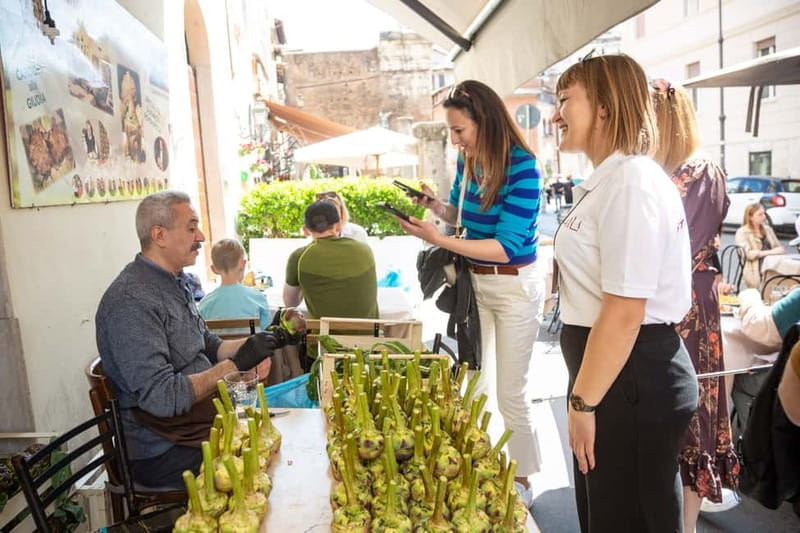
- Carciofo alla Giudia is a signature tasting, and it is tied directly to the Jewish Ghetto area
- Campo de’ Fiori morning market stop is included on morning tours only
- Morning-only condiments tasting (olive oil, truffle, vinegar) is part of the plan, not an add-on
- Food variety without a long day: roughly 2.5 hours and about five tastings
- Not for everyone: no vegan option listed, and it is not suitable for gluten intolerance
- Strong guide factor: multiple guides are praised for combining food facts with street-level history
Campo de’ Fiori Meets the Jewish Ghetto: Why This Tour Works
Rome can be a big museum, but food tours like this make the city feel usable. You start in the center near Piazza Navona area, then move into Campo de’ Fiori, where the street life and the market atmosphere set the tone. This is one of those neighborhoods where locals still treat food like part of daily life, not a once-a-year event.
Then comes the pivot that makes the tour more than just eating: the Jewish Ghetto. The plan is built around the idea that cuisine has a memory. You will taste things that are closely associated with the area, especially the fried artichokes (Carciofo alla Giudia), and you will hear the human stories that shaped the neighborhood over time. That pairing is what makes the experience feel grounded, not staged.
Here is the practical benefit for you: after a couple of tastings, you start recognizing patterns. You learn what Roman street food tends to prioritize, like salt-forward flavors, fried crunch, and simple ingredients done properly. And once you know those patterns, you can order with confidence later, even on your own.
More Food Tours in Rome
- Winner 2025 Rome Twilight Trastevere Food Tour by Eating Europe
★ 5.0 · 5,157 reviews - Rome: Trastevere or Jewish Quarter Street Food Tour
★ 4.8 · 3,839 reviews - Rome Food Tour: Unlimited Tastings with Fine Wine & Barolo
★ 5.0 · 3,365 reviews
Meeting at Piazza di San Simeone and the Walk Through Iconic Rome
You meet your guide at the fountain in the center of Piazza di San Simeone. From there, the tour is a guided walking route through several central, high-interest areas. You do not need to guess where to go next, because the guide keeps the flow moving, with short walks between stops.
Along the way, you get a chance to see or pass by key sights that most first-time itineraries include, such as:
- Chiostro del Bramante (you pass by)
- Piazza and Passetto del Biscione (included in the walking route)
- Portico d’Ottavia (in the Jewish Ghetto area)
- Teatro Marcello (passed along the route)
- Largo di Torre Argentina, tied to Julius Caesar’s assassination
- Pantheon (passed by)
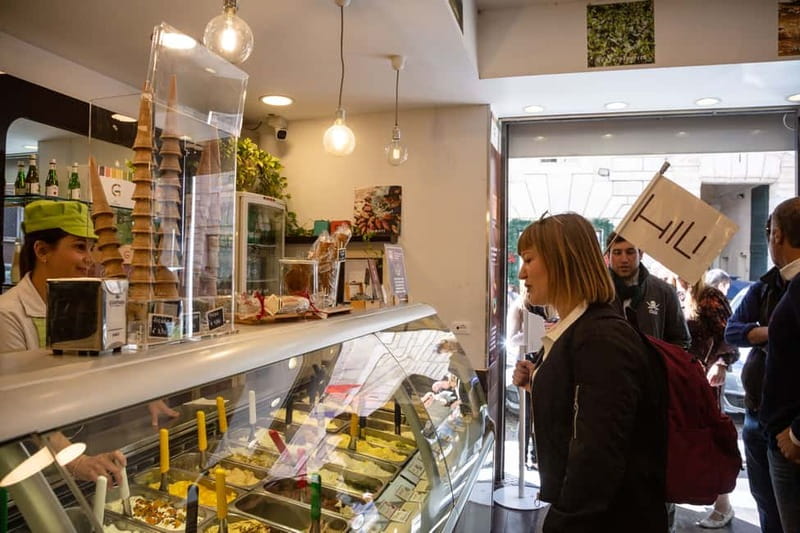
- Gunther Gelateria (near the end, where dessert is served)
Two things matter here. First, the route keeps you close to major Rome sights without turning the day into a sightseeing sprint. Second, the guide can explain why certain places matter, using food as the thread. That makes the walking time feel like progress, not just moving between bites.
A small consideration
Because this is a walking street-food tour in older areas, you should expect some uneven pavement and standing around at food stops. The tour is listed as wheelchair accessible, but you may still want to plan for slow, careful movement in stone streets.
The Roman Street-Food Lineup: Supplì, Pizza, Panini, Fried Artichokes, Gelato
Let’s talk about the part you actually care about: the food. The tour includes about five tastings, with a lineup designed to show you what Roman street food tastes like when it is done right.
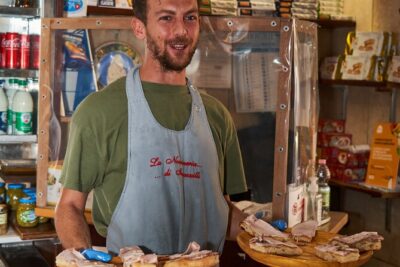
Panini with porchetta
This is the hearty opener. Porchetta brings deep pork flavor and rich, savory fat. You will taste it in sandwich form, which is exactly how many people handle lunch on the go in Rome.
Supplì (deep-fried rice balls)
If you have never had supplì in Rome, this is a fast education. These are typically crisp outside, hot inside, and built around creamy rice that holds flavor. You get a sense of why fried comfort food has such staying power here.
Roman-style pizza
You get slices sized for walking, with the focus on Roman style rather than a sit-down meal. It is a good palate reset between fried bites and the next major tasting.
Carciofo alla Giudia (fried artichokes)
This is the signature Jewish Ghetto food on the tour. You are not just eating something crunchy, you are learning why this dish belongs to the area. Fried artichokes can sound like a gimmick until you taste them, because the flavor is earthy, nutty, and surprisingly addictive once the salt and frying do their job.
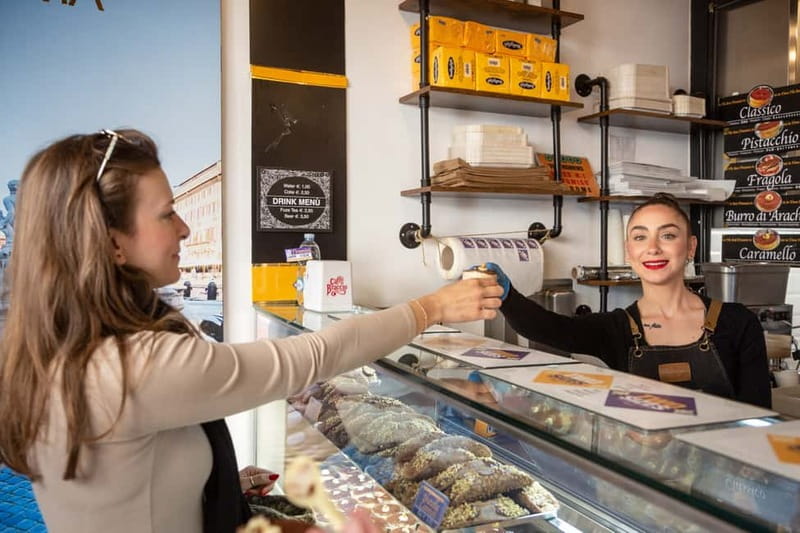
Artisanal gelato at the end
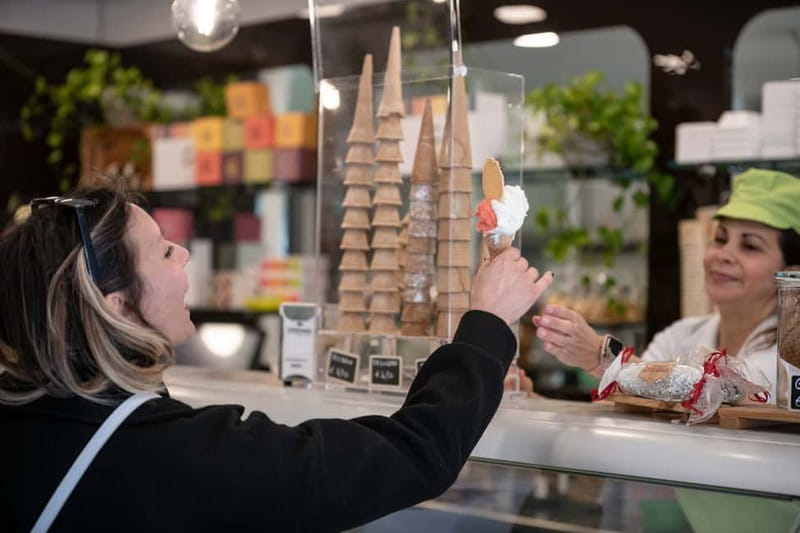
The dessert stop is at Gunther Gelateria, right near iconic landmarks you have been passing along the route. It is a clean finish: you get your final sweet without overthinking it.
A different Rome day to consider:
- Colosseum, Roman Forum & Palatine Guided Tour
★ 4.7 · 63,148 reviews - Vatican Museums, Sistine Chapel & St Peter’s Basilica Guided Tour
★ 4.5 · 39,149 reviews - Rome: Colosseum, Palatine Hill and Roman Forum Guided Tour
★ 4.8 · 32,814 reviews - Rome: Guided Tour of Colosseum, Roman Forum & Palatine Hill
★ 4.7 · 27,897 reviews
Vegetarian options, but not everything
Vegetarian options are available. That is a big plus for mixed groups. But the tour is listed as not suitable for vegans, so if you need strictly plant-based food, this one likely will not work.
Also, the tour is not suitable for people with gluten intolerance. That matters because you are eating Italian staples that frequently involve wheat-based ingredients.
Morning vs Evening: Market Energy and Condiments Tasting
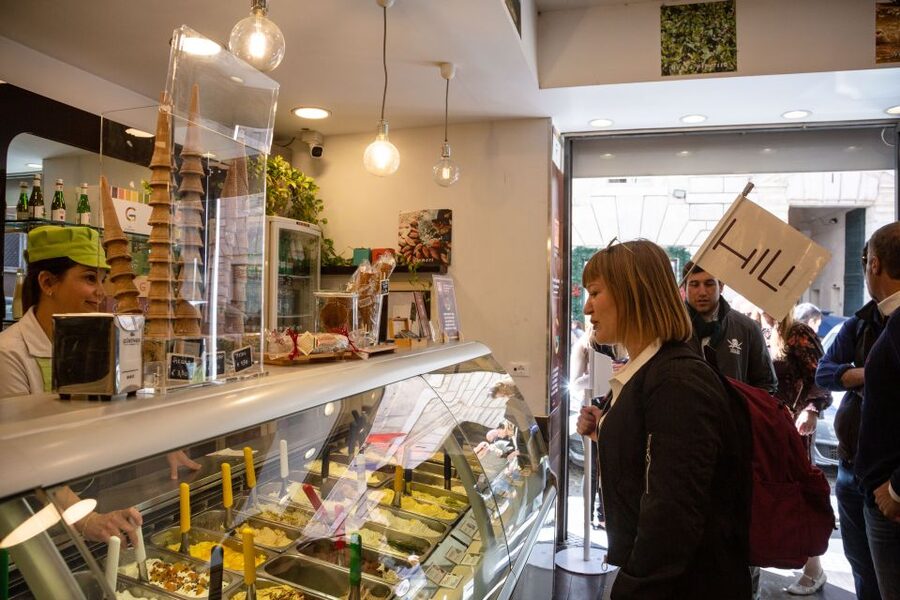
Timing changes what you get, and this tour is very aware of that.
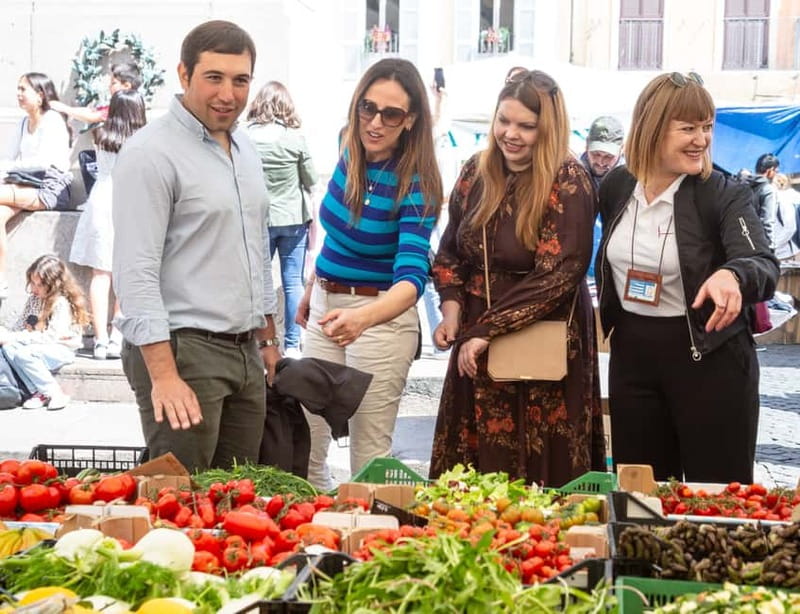
On morning tours, you get an extra layer: a stop at the local fruit market in Campo de’ Fiori. This is not just a quick photo break. The market stop helps you understand why Romans take produce seriously, and it also sets you up to appreciate later tastings because your brain has already been trained to notice ingredients.
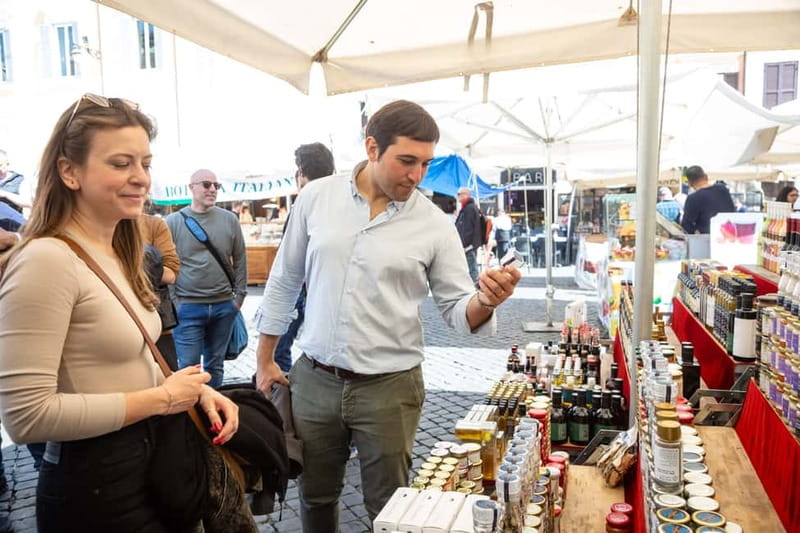
Morning tours also include a condiments tasting: olive oil, truffle, and vinegar. You taste these as part of the experience, not as a random sampling at the end. It gives you a framework for what those flavors bring to Roman cooking, so later, when you see oil drizzled or vinegar used, you know what you are looking at.
If you can choose, I think morning is the better bet for most first-timers, because you get market context plus food. Evening can still be great, but the plan loses those morning-only stops.
The Jewish Ghetto Portion: Portico d’Ottavia, Fried Artichokes, and Storytelling on Foot
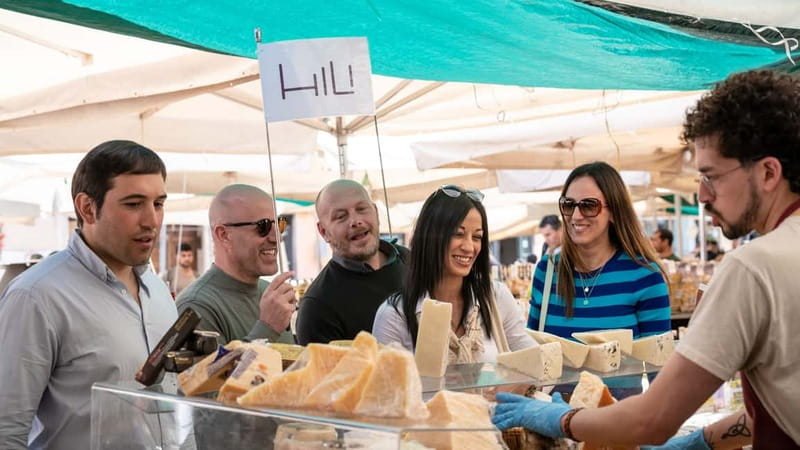
This is where the tour becomes more than a food checklist. The Jewish Ghetto area is built into the route around two things: food you associate with the neighborhood, and landmarks that help you place that food in context.
You will visit the ghetto area and learn about the cultural significance and culinary traditions tied to it. You also get to see Portico d’Ottavia, which is one of those places that looks “historic” even when you are just passing by, because it is tied to the layers of Rome that kept changing over centuries.
The centerpiece tasting here is the fried artichokes. When you eat Carciofo alla Giudia on-site, it lands differently. It is not just a snack, it is a local tradition expressed through a cooking method.
You also pass or spend time around sights that help the walk feel connected. The tour includes stops and passes near places like the Turtle Fountain, which adds texture to the area beyond just the main points.
One practical thought
This portion involves more narrow streets and crowd density. If you prefer quieter walking, try to keep your expectations flexible and stay close together with the group when crossing traffic.
Gelato Near Piazza di S. Eustachio: Ending Your Tour the Roman Way
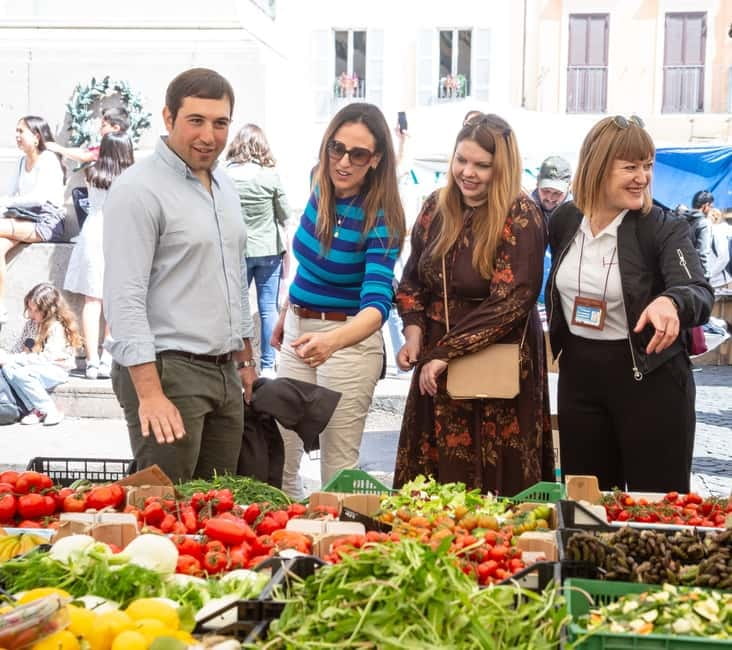
The tour ends back in the central area, finishing at Piazza di S. Eustachio. Along the way, you pass by Pantheon and then head for gelato at Gunther Gelateria.
Why does that matter? Because gelato is not just dessert here. It is the final cue that you have had a complete Roman snack cycle: savory first, fried comfort in the middle, then something cool and creamy to reset your palate. If you are doing this early in your trip, that gelato stop also gives you a reference point for what good gelato should taste like in Rome.
Also, if your day includes big-ticket sights later, you will appreciate finishing on a sweet note rather than ending with another heavy meal.
Price and Value at $36 for a 2.5-Hour Walking Food Tour
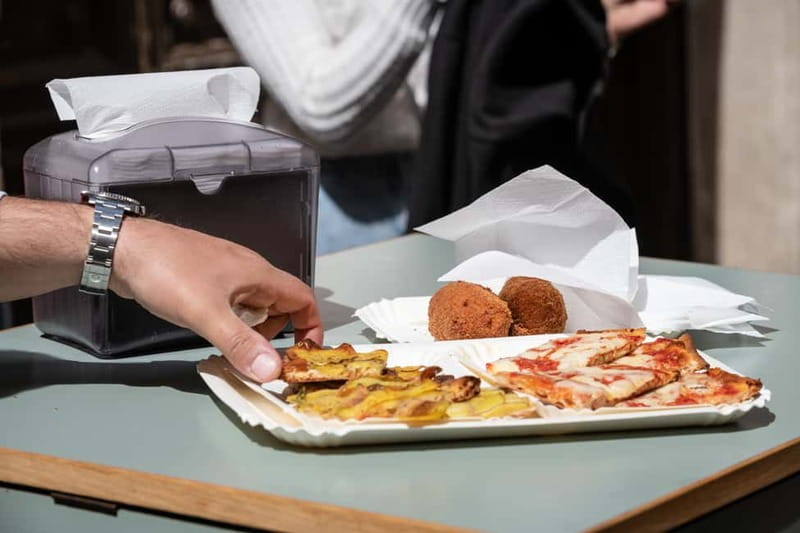
At $36 per person, this tour is priced like a solid “starter experience” for Rome. You get a guided walk in a central area plus around five tastings, not a single snack and a lecture. That is what makes the price feel fair, especially in a city where attractions and food can get pricey quickly.
You also get value from the structure:
- Tastings are spread across the walk, so you are not stuck eating one thing too long
- The guide connects food to place, which helps you remember what you tasted
- The route passes several big landmarks, so you get sightseeing as part of the same effort
Where the value trade-off shows up is dietary limits. This is not suitable for vegans and not suitable for gluten intolerance. If either applies, you might feel locked out of key parts of the menu. If you are vegetarian, you have options.
Finally, you should consider doing this tour earlier in your trip. Guides are known for sharing recommendations for where to go next, and those suggestions can save you time and money when you start planning your own meals.
Who Should Book This Tour (and Who Might Skip It)
Book it if:
- You want Roman street food plus neighborhood context in a short window
- You are a first-timer who wants a guided path through Campo de’ Fiori and the Jewish Ghetto area
- You like food that is simple but done with skill, like fried rice balls, Roman pizza, porchetta sandwiches, and classic gelato
- You are traveling with kids or teens, because the format is snack-focused and keeps moving
Consider skipping or choosing something else if:
- You need a fully vegan menu
- You have gluten intolerance
- You prefer fully seated meals and long restaurant time (this is a walking street-food style plan)
Also, if you have allergies or dietary restrictions, let the organizer know ahead of time. The tour info explicitly asks you to share that, and it will matter for how they handle your tastings.
Should You Book the Rome Eat Like a Roman Ghetto and Campo de’ Fiori Tour?
I would book this tour if you want a smart early Rome move that gives you both taste and direction. For $36 and about 2.5 hours, you get a focused set of Roman classics plus a memorable stop for Carciofo alla Giudia in the Jewish Ghetto.
My deciding tips:
- If you can do a morning tour, pick it for the Campo de’ Fiori market stop and the olive oil, truffle, and vinegar tasting.
- If you are vegetarian, you should feel comfortable. If you are vegan or need gluten-free, this one is not listed as suitable.
- Go when you are ready to walk and snack. You will enjoy it most when you treat it like a walking meal, not a sit-down restaurant experience.
FAQ
Where does the tour meet?
You meet your guide at the fountain in the center of Piazza di San Simeone.
How long is the tour?
The tour duration is about 2.5 hours.
What food is included in the tastings?
The tastings include panini with porchetta, supplì, Roman-style pizza, fried artichokes (Carciofo alla Giudia), artisanal gelato, and (on morning tours) an olive oil, truffle, and vinegar tasting.
Is there a market stop?
Yes, on morning tours there is a stop in Campo de’ Fiori at the local fruit market.
Are vegetarian options available?
Vegetarian options are available.
Is the tour suitable for vegans?
No, the tour is listed as not suitable for vegans.
Is it suitable for people with gluten intolerance?
No, the tour is listed as not suitable for people with gluten intolerance.
Are drinks included?
Drinks are not included.
Is the tour wheelchair accessible?
Yes, the tour is listed as wheelchair accessible.
Reviewed lately around Rome
- Colosseum, Palatine Hill and Roman Forum with Guided Tour★ 5.0 · 500 reviews
- Exclusive Golf Tour Private VIP with Local & Gelato o Wine★ 5.0 · 500 reviews
- Rome Trastevere Pasta Making Class with Eating Europe★ 5.0 · 505 reviews
- Rome by Night Walking Tour★ 4.5 · 506 reviews
- Rome: Colosseum Express Tour with Forum & Palatine Access★ 4.5 · 511 reviews
- Rome Food Experience Max 6 People Group Tour | w/Private Option★ 5.0 · 516 reviews
- Rome: Papal Audience Experience with Pope Leo XIV★ 4.8 · 518 reviews
- Rome: Escorted Papal Audience Experience with Entry Ticket★ 4.4 · 518 reviews
Food Tours in Rome, compared.
Winner 2025 Rome Twilight Trastevere Food Tour by Eating Europe
Read our review →
Trastevere or Jewish Quarter Street Food Tour
Read our review →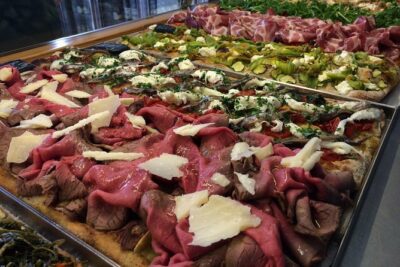
Rome Food Tour: Unlimited Tastings with Fine Wine & Barolo
Read our review →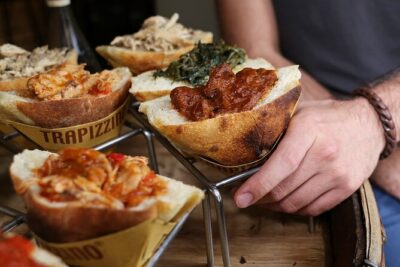
Trastevere Food tour with Free-Flowing Fine Wine
Read our review →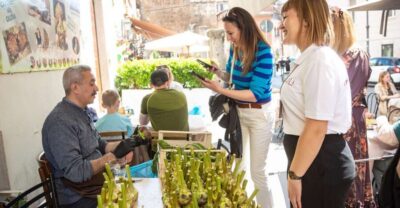
Trastevere & Campo de Fiori Street Food Walking Tour
Read our review →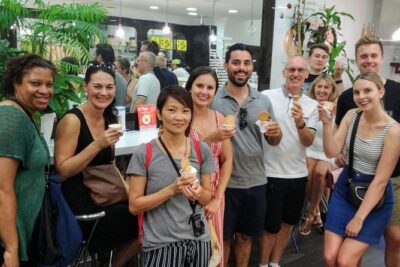
Award Winning Trastevere Group Food Tour with Wine
Read our review →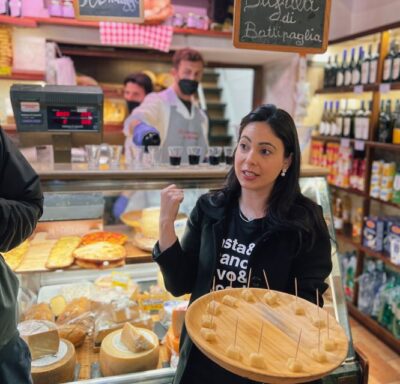
Browse the lists this tour appears in