Reviewed · SKIP THE LINE
Rome: Capuchin Crypts Skip-the-Line Ticket and Tour
The Capuchin Crypt is one of Rome’s most offbeat stops, because the underground rooms are built from human bones arranged like religious art. It has a strange calm to it, and that contrast is what makes it so memorable. I especially like the small group format, with a maximum of 10 people, which keeps questions and pacing under control. I also like that you get skip-the-line entry plus an English-speaking guide, so you understand what you are seeing instead of guessing.
One drawback to plan for: the crypts require shoulders and knees covered, and the subject is undeniably macabre. If you are squeamish or you plan to show up in shorts and a tank top, you will either need to improvise or risk being turned away.
Key highlights you will feel right away
- Human bones, curated into chapels and crypts: the rooms are arranged with crosses, skeleton displays, and symbolic layouts
- The Crypt of the Three Skeletons: a complete skeleton shown in its natural state is part of the core route
- Skulls Crypt with the hourglass: one detail is famous for a reason, and your guide explains the meaning
- The Mass Chapel: the experience builds toward this final, most striking room
- A guide who keeps it clear and even funny: guides like Luigi and Slobodan are described as dynamic, engaging, and able to lighten a heavy topic
What the Capuchin Crypt really is, and why it feels different underground
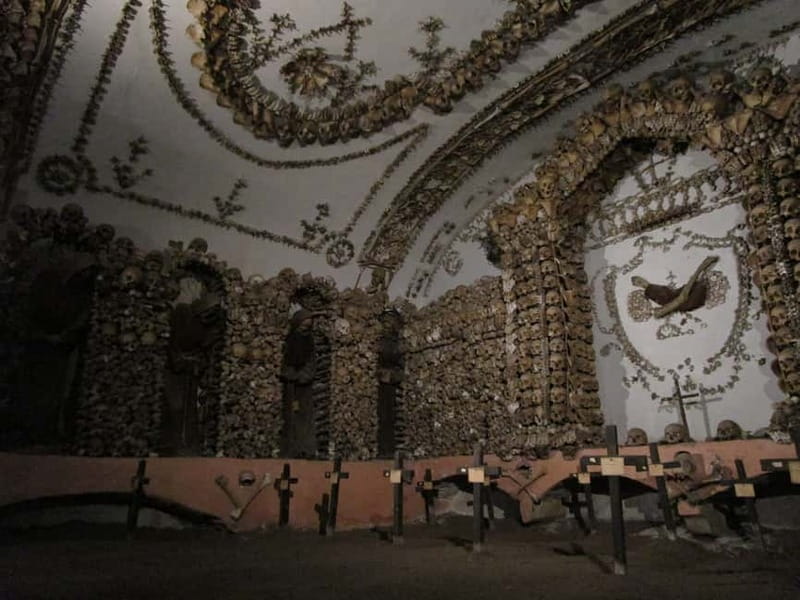
Rome has no shortage of churches. The Capuchin Crypt does something else. This is an underground site where the remains of about 3,700 people were collected over the centuries and used to create rooms that look like devotional spaces. Instead of hiding death, the site turns it into a visual language.
What I like is that the experience does not ask you to be morbid. It asks you to pay attention. You’ll see bones shaped into displays, but you’ll also hear about the rules and motivations behind why this was done at all. There’s a key bit of context that changes how you look at the crypts: the Capuchins followed a law that prohibited burials inside churches. As a result, an underground cemetery became the solution, and over time the bones from earlier locations ended up here.
That background matters because the crypts can look like a Halloween setup at first glance. With the explanation, you start to notice crosses on the ground, the way different areas are organized, and how specific bones were used as symbols. It becomes less about shock and more about a message about life, faith, and mortality.
More from a Rome stay:
- Colosseum, Roman Forum & Palatine Guided Tour
★ 4.7 · 63,148 reviews - Vatican Museums, Sistine Chapel & St Peter’s Basilica Guided Tour
★ 4.5 · 39,149 reviews - Rome: Colosseum, Palatine Hill and Roman Forum Guided Tour
★ 4.8 · 32,814 reviews
Price and timing: does $44.41 buy you real value?
At about $44.41 per person, you are paying for two things that matter here: a guided route through the most important rooms and skip-the-line entry. The time commitment is also pleasantly contained, with the tour typically running 50 minutes to 1 hour.
This is not a long, slow museum marathon. It is a focused visit. That is good news if you are tight on time between the major sights, and you want something memorable that is still doable in a single slot.
The small-group setup also adds value. When the group is limited to 10 participants max, the guide can keep your route moving while still answering questions. In a place like this, you do not want to read every label on your own while trying to keep your bearings in dim spaces. A good guide helps you notice the details that you might otherwise miss.
Meeting at Via Vittorio Veneto 27, then getting inside quickly
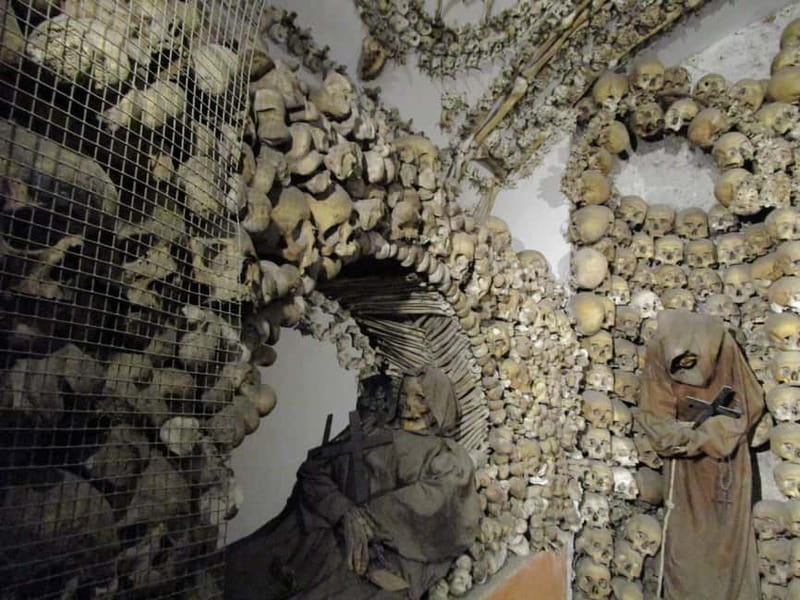
Your tour starts at Via Vittorio Veneto, 27, street level, next to the bronze gate. From there you head straight into the experience, and the tour ends back at the same meeting point.
That matters more than it sounds. In Rome, walking from one end of town to another can quietly eat your day. Starting at a clear meeting point and keeping the schedule tight makes the crypt feel like a smart add-on, not a whole production.
Also, read this part twice: shoulders and knees must be covered to enter the crypts. The site is indoors, so you cannot rely on warmth as an excuse for bare arms or bare legs. If you are coming from other outdoor stops, plan your outfit with the crypt rules in mind. If you forget, your guide may be able to help with a quick fix, and some guides are specifically noted for making sure people are covered.
The Capuchin Museums stop: why you start with context
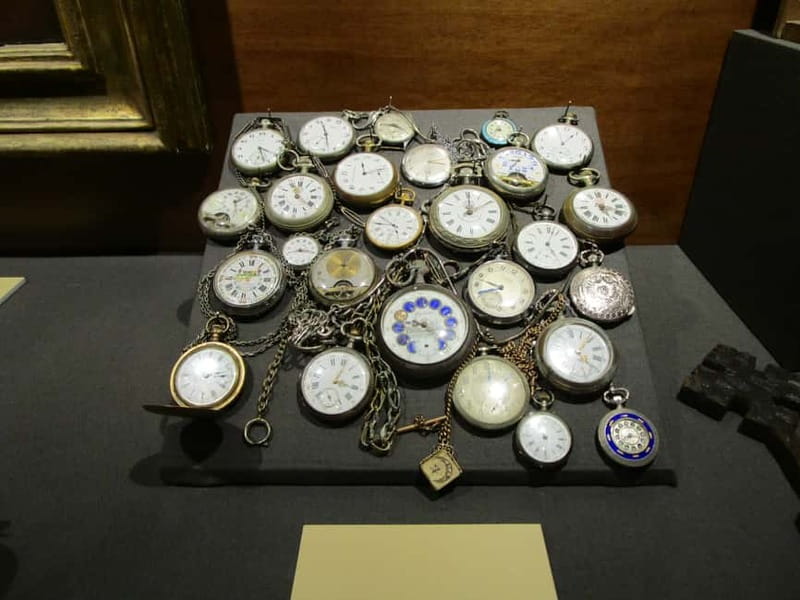
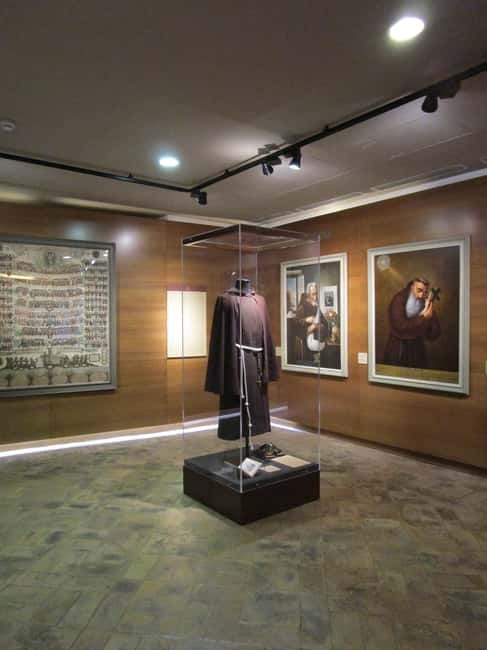
You begin at the Capuchin Museums. This is not just a warm-up. It sets your expectations and gives you the cultural and spiritual significance behind the site before you step into the bone-filled rooms.
I like starting with context because the crypt can be confusing if you are trying to identify everything on your own. Your guide helps you understand what the bone arrangements mean and why certain parts are displayed the way they are. That turns the visit from a series of creepy visuals into a guided story.
If you’re the type who likes to know what you are looking at, this early stop is where your tour becomes more enjoyable. It also makes the later rooms easier to process, because you have a framework in your head.
More Rome bookings worth a look
- Rome: Pantheon Fast-Track Ticket and Official Audio Guide
★ 4.3 · 21,008 reviews - Rome:Hop-On Hop-Off Panoramic Open Bus Ticket 3 Circuits x 1
★ 4.0 · 15,405 reviews - Vatican Museums & Sistine Chapel Skip-the-Line Entry Ticket
★ 4.4 · 13,838 reviews - Vatican Museums & Sistine Chapel Skip-the-Ticket-Line Tour
★ 4.3 · 10,486 reviews
Crypt of the Three Skeletons, then leg and pelvis rooms
After the museums, you move to the Crypt of the Three Skeletons. This is the sole area where a complete human skeleton is displayed in its natural state. It is also the point where the crypt stops feeling abstract and starts feeling real.
From there, the route continues through bone-focused rooms, including the areas with leg bones and thigh bones, and the crypt of the pelvises. The pelvises room is described as having two Capuchin friars positioned peacefully in an arched formation. That kind of detail is why a guide matters. Without explanation, you might interpret the arrangement as random. With one, it reads as intentional symbolism.
You’ll also notice crosses on the ground marking the resting places of seven Capuchins. This is a subtle detail, but it helps you connect the rooms to actual people and faith, not just to bones as objects.
Is the visit intense? Yes. But the experience is paced. You are not sprinting through rooms for photos. You are seeing a sequence that builds meaning step by step.
Crypt of the Skulls and the hourglass that people remember
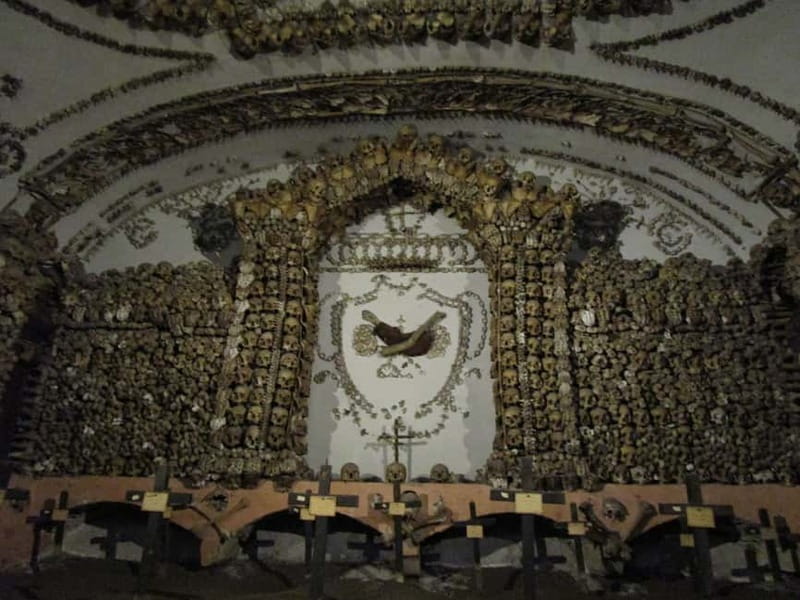
Next comes the Crypt of the Skulls, which is one of the better-known spaces in the site. The headline detail is the hourglass, and your guide explains the thinking behind it.
The hourglass detail is powerful because it is simple. Time passes. Bodies end. That theme fits the crypt’s overall message, and it is one of the few places where the symbolism really lands even if you are trying to stay practical.
Your route also includes additional crypt spaces such as the Crypt of the Resurrection and other bone arrangements. Even if you do not remember every room name after you leave, you will remember the feeling of the layout. Your guide helps you understand the logic of the displays and how the bones were arranged to communicate ideas about faith and mortality.
One thing to keep in mind: this is an underground site. Expect dim lighting and keep your attention on your guide. If you drift off to read everything at once, you might miss the explanations that make the rooms make sense.
The Mass Chapel: where the experience hits hardest
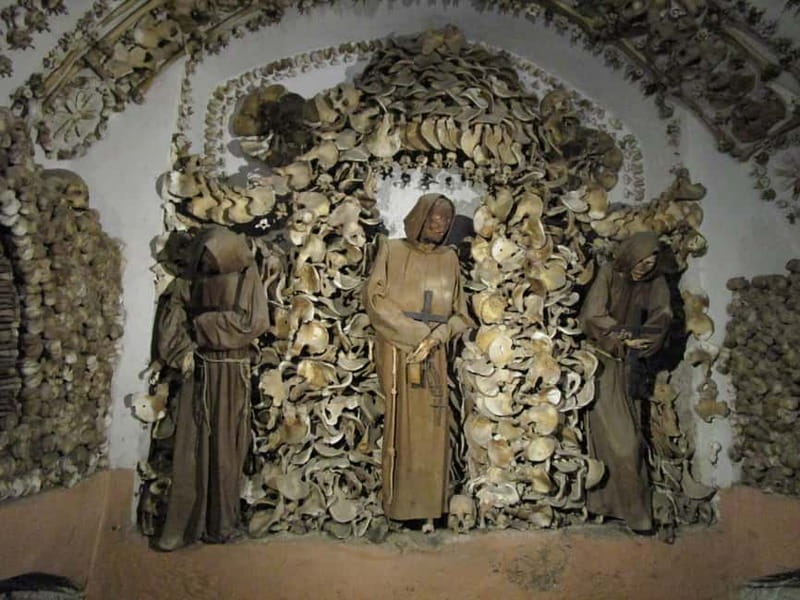
Then you reach the Mass Chapel. This is the room where the tone intensifies, because the layout is more chapel-like than skeleton-focused.
In a place like this, you do not need to be religious to recognize what is happening. Someone designed this to be viewed. Someone wanted it to inspire reflection. The bones are not just there to frighten you. They are there to frame the act of worship and contemplation.
I think this is where the tour earns its reputation. In other attractions, the shock factor fades fast. Here, the more you understand, the more the rooms start to feel structured. The Mass Chapel is where you stop thinking, This is weird, and start thinking, This is meaningful.
How the best guides make the topic easier to stomach
A strong guide makes a big difference in a site like this. It is not only about facts, it is about delivery. The better guides keep things clear, paced, and even a little lighter when appropriate.
Some names show up in standout descriptions. Luigi is noted for being dynamic and funny while still giving solid explanations. Slobodan is also mentioned as friendly and knowledgeable, with a teaching style that includes humor and interaction with the group. One review also highlights that Slobodan helped cover a daughter’s legs when knees were not covered.
That kind of small, practical help matters in real life. It prevents the trip from turning into a scramble right before entry. It also shows something: the guides are used to people arriving with the wrong outfit and they know how to keep the tour moving without embarrassment.
Also, the tours are described as punctual and the guides as engaging, answering questions directly. If you like to ask why a particular room is arranged a certain way, you are in the right format.
Who should book this tour, and who might not love it
This experience is a good match if you want something unusual in Rome that is still guided, organized, and time-efficient. It is especially good for people who like history with a human angle, even when it is heavy.
It’s also a smart choice for families who want a structured visit rather than wandering alone. The tour length is short enough that it can work with teens, and the guided explanations help keep it from feeling like a random walk through spooky rooms.
Who might pass? If you are very squeamish about bones and you cannot handle the idea of human remains displayed as art, you may feel uncomfortable. Also, if you refuse to adjust your outfit for covered shoulders and knees, you will be fighting the rules instead of enjoying the site.
Should you book this Capuchin Crypt skip-the-line tour?
I think this is a book-worthy stop if you want the crypts with context and you value a fast, guided plan. At around $44.41, the combination of skip-the-line entry, an English-speaking guide, and a small group max of 10 is good value for what you get in about an hour.
Book it if:
- you want a guided route that explains why bones are arranged the way they are
- you prefer not to guess your way through symbolic rooms
- you want something memorable that does not consume half a day
Consider skipping or doing it on your own if:
- the subject matter makes you very uneasy
- you do not want to follow the dress rule for covered shoulders and knees
If you do book, plan your outfit first. Then show up ready to listen. The site can be macabre, but with the right guide it becomes surprisingly thoughtful.
FAQ
How long is the Capuchin Crypt tour?
It runs about 50 minutes to 1 hour.
Where do I meet the guide for the tour?
Meet at Via Vittorio Veneto, 27, street level next to the bronze gate. The tour ends back there.
What is included in the ticket and tour?
You get an English-speaking guide and a Capuchin Crypt entry ticket with skip-the-line access.
Do I need to cover my shoulders and knees?
Yes. Shoulders and knees must be covered to enter the crypts.
How big is the group?
The tour is designed for a small group, with a maximum of 10 participants.
Is free cancellation available?
Yes, you can cancel up to 24 hours in advance for a full refund. There is also a reserve now and pay later option.
Reviewed lately around Rome
- Colosseum, Palatine Hill and Roman Forum with Guided Tour★ 5.0 · 500 reviews
- Exclusive Golf Tour Private VIP with Local & Gelato o Wine★ 5.0 · 500 reviews
- Rome Trastevere Pasta Making Class with Eating Europe★ 5.0 · 505 reviews
- Rome by Night Walking Tour★ 4.5 · 506 reviews
- Rome: Colosseum Express Tour with Forum & Palatine Access★ 4.5 · 511 reviews
- Rome Food Experience Max 6 People Group Tour | w/Private Option★ 5.0 · 516 reviews
- Rome: Papal Audience Experience with Pope Leo XIV★ 4.8 · 518 reviews
- Rome: Escorted Papal Audience Experience with Entry Ticket★ 4.4 · 518 reviews
Skip the Line, compared.
Skip-The-Line Uffizi Gallery Timed Entry Ticket
Read our review →
Vatican Museums & Sistine Chapel Skip-the-Line Entry Ticket
Read our review →
Skip-the-Line Group Tour of the Vatican, Sistine Chapel & St. Peter’s Basilica
Read our review →
Michelangelo’s David Skip-the-Line Entry Ticket
Read our review →
Vatican Museums & Sistine Chapel Skip-The-Line Ticket
Read our review →
Vatican, Sistine Chapel & St. Peter’s Skip-the-Line Tour
Read our review →
Skip-the-Line Vatican, Sistine Chapel & St. Peter’s | Small Group
Read our review →