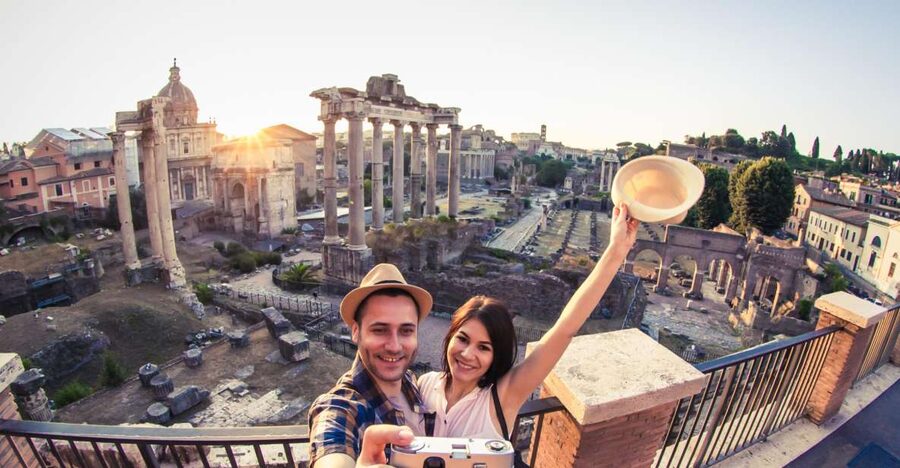
Reviewed · ROME TOURS
Palatine Hill and Roman Forum Tour with Fast-Track Entrance
Rome’s Palatine Hill and Roman Forum are interesting because they show you not just ruins, but the way the city worked, argued, and bragged. When a guide connects the legend of Romulus and Remus to the actual ground you’re standing on, the whole area feels less like “old stones” and more like a living story. I especially liked tours led by guides like Antonio and Simona, who make the history move with clear explanations.
I love two things about this experience. First, the fast-track entrance helps you spend your limited time inside the site instead of stuck at the wrong part of the line. Second, the headsets let you hear the guide clearly even when the crowd noise is loud and your group is spread out.
One consideration: it is still a security checkpoint and a real archaeological site, so you should expect some walking on uneven ground and some stairs, plus metal detector screening. Also, it is not for everyone, since it is listed as not suitable for wheelchair users and people with mobility or back issues.
Key highlights at a glance
- Skip the line with a separate entrance for Palatine Hill and the Roman Forum
- Headsets included, so you hear the guide without craning your neck
- Real sites, not summaries, including Temple of Julius Caesar and Arch of Titus
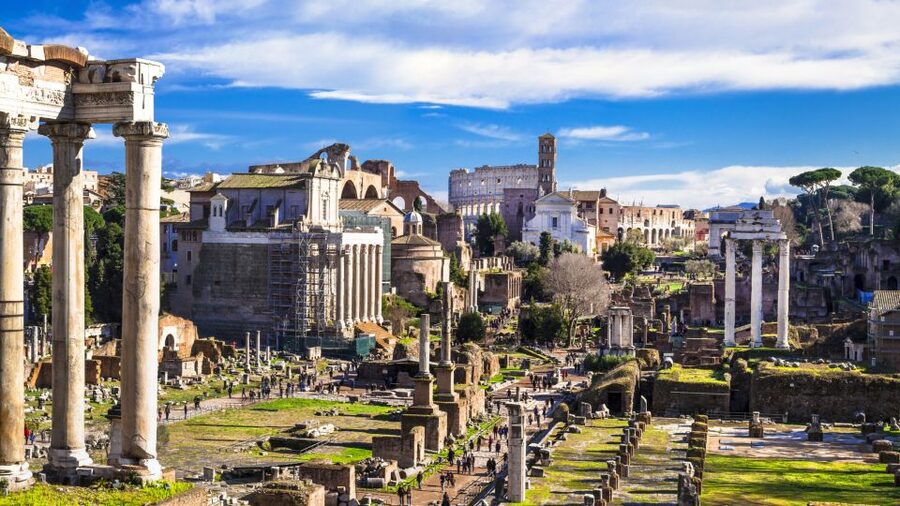
- Panoramic views over the Forum valley and toward Circus Maximus
- Strong storytelling, including Romulus and Remus and power struggles
- Practical small-group flow, with a manageable group size and a guide who keeps you together
Why Palatine Hill and the Roman Forum feel different with a guide
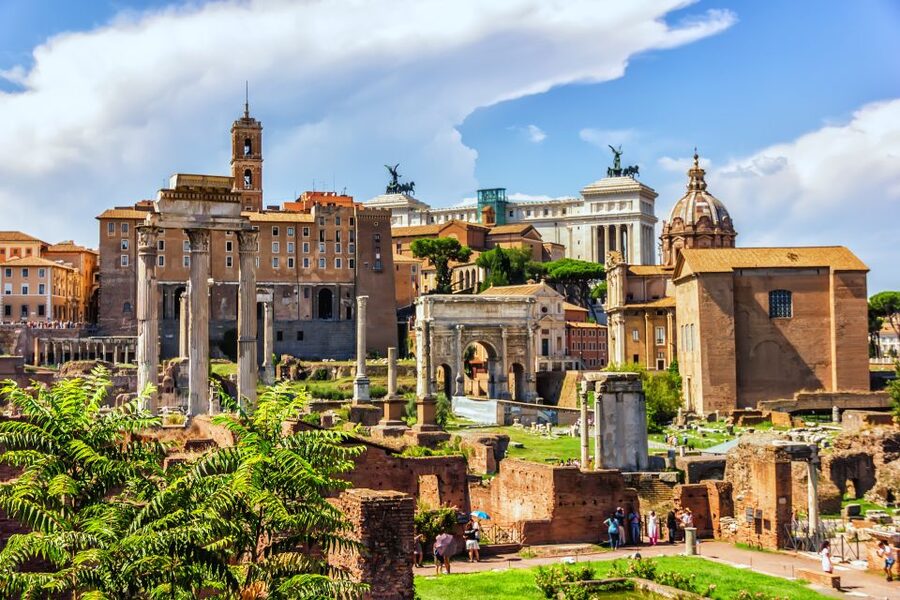
Palatine Hill is where Rome’s stories start to feel physical. You stand above the Forum valley and you can almost picture how a city centered on politics, religion, and spectacle would look from this vantage point. The Roman Forum then lands those stories in the real places people walked, voted, marched, and built.
What makes a guided tour work here is timing and focus. Without help, it is easy to get lost in the scale and the fragments. With a guide, you get a road map and a reason to care about each pile of remains you pass.
I also appreciate how the best guides in this area do two jobs at once. They explain what you’re seeing, and they also help you imagine the vanished parts, like the way power buildings would have dominated the view.
More from a Rome stay:
- Colosseum, Roman Forum & Palatine Guided Tour
★ 4.7 · 63,148 reviews - Vatican Museums, Sistine Chapel & St Peter’s Basilica Guided Tour
★ 4.5 · 39,149 reviews - Rome: Colosseum, Palatine Hill and Roman Forum Guided Tour
★ 4.8 · 32,814 reviews
Meeting point, getting in, and the fast-track reality
The tour meets in front of Oppio Caffe on Via delle Terme di Tito, on the corner of Via Nicola Salvi. The guide holds a signboard with your name, so plan to arrive on time and keep your ID ready.
Fast-track access is the big promise. In practice, it means you use a separate entrance rather than waiting as long at the main queue. Still, security checks happen and some lines may form even with fast-track, because that checkpoint is outside the guide’s control.
Plan your expectations around a smooth start, not zero waiting. If you have been tempted to “show up late and hope,” don’t. You want the time inside, not the time outside.
Palatine Hill first: older settlement vibes and a view that clicks
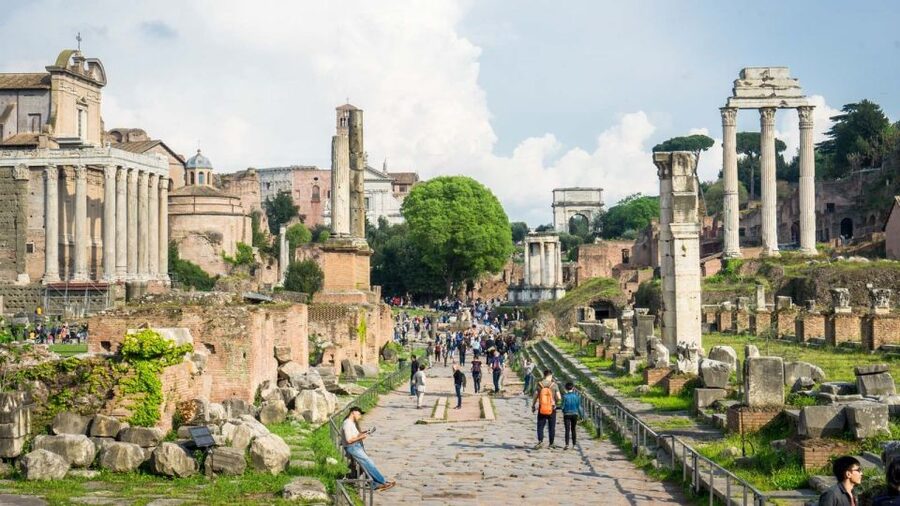
You start at the Roman Forum entrance, then head onto Palatine Hill, described as an older settlement site dating back to the 9th century BC. That detail matters, because Palatine is not just the fancy hill. It’s tied to how early Rome grew before the later monuments.
The tour’s pacing typically takes you from the hill’s structures to a view that helps you connect the dots. You get a panoramic look toward Circus Maximus and the valley of the Roman Forum. Once you see that line of sight, many Forum ruins start making sense in a single glance.
Stairs and uneven ground are part of the deal. If you’re steady on your feet and bring comfortable shoes, the walking is manageable. If you’re not, this is the part that can feel slow, so go in knowing you will likely spend some energy climbing and descending.
The Romulus and Remus legend, told where it belongs
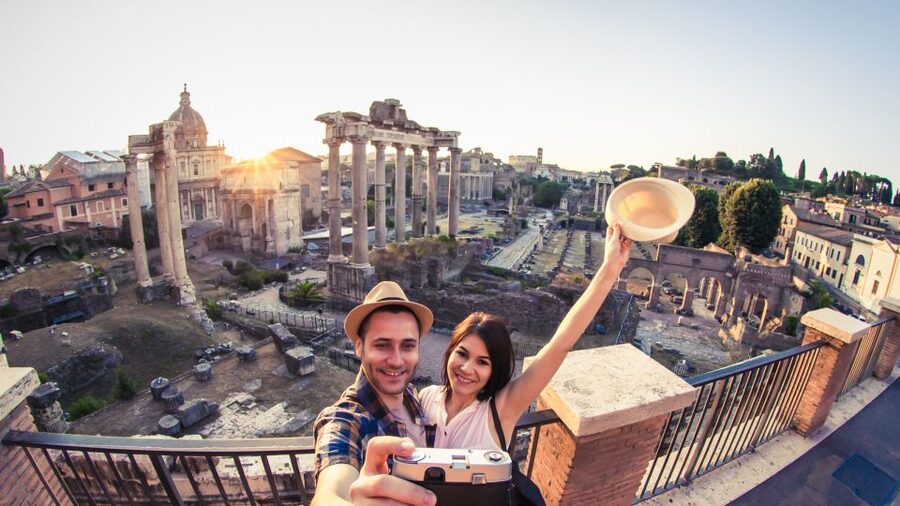
One of the strongest storylines on this tour is the legend of Romulus and Remus, the brothers said to be raised by a wolf who then fought for control of power. This isn’t just a fun myth lesson. The guide ties the legend to the feeling of beginnings, authority, and legitimacy that runs through Roman history.
When the story lands while you are looking at the right zones of the hill and forum valley, it clicks. You stop thinking of the legend as a book summary and start thinking of it as a political origin story Romans would reuse and retell.
This is also where many of the best guides shine. Names like Antonio and Zenda came up as favorites for being engaging and interactive, and that matters here because the myth works best when the guide knows how to pace it and keep it clear.
A different Rome day to consider:
- Rome: Guided Tour of Colosseum, Roman Forum & Palatine Hill
★ 4.7 · 27,897 reviews - Rome: Colosseum, Roman Forum and Palatine Hill Guided Tour
★ 4.5 · 23,903 reviews - Rome: Pantheon Fast-Track Ticket and Official Audio Guide
★ 4.3 · 21,008 reviews - Rome: City Sightseeing Hop-on Hop-off Bus with Audioguide
★ 4.0 · 16,045 reviews
Temple of Julius Caesar: where politics stops being abstract
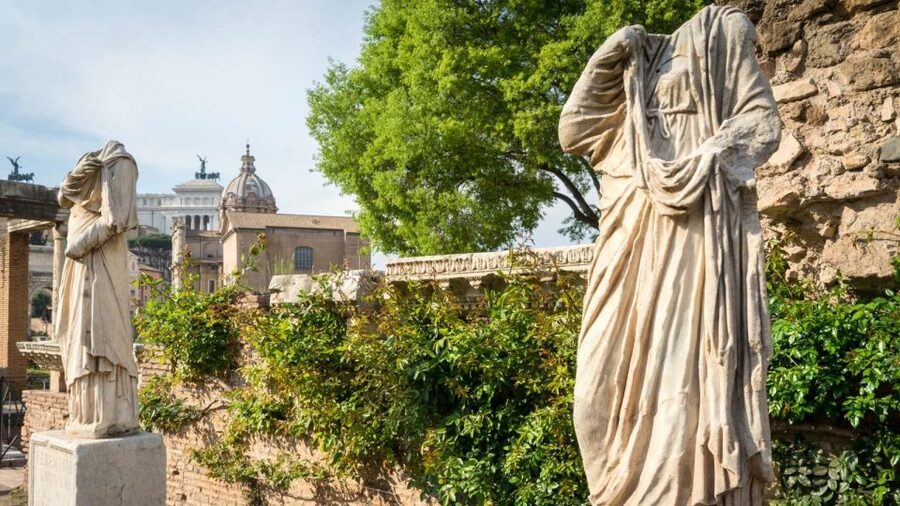
After Palatine Hill, you shift into the Roman Forum, one of the most important archaeological areas in the world. It is huge, and that can be overwhelming even if you love history.
The tour focuses you on key buildings, starting with the Temple of Julius Caesar. You’re learning how religion, government, and public life overlapped in Rome. Even if a lot of the structure is now gone, the guide helps you understand what the temple’s role would have been in the city’s memory.
A good guide also explains the building in plain terms: what it would have meant, why its placement mattered, and how it fits the bigger “Rome runs on power and ritual” theme. That’s the difference between seeing ruins and really understanding them.
Arch of Titus and the thrill of a triumph that still echoes
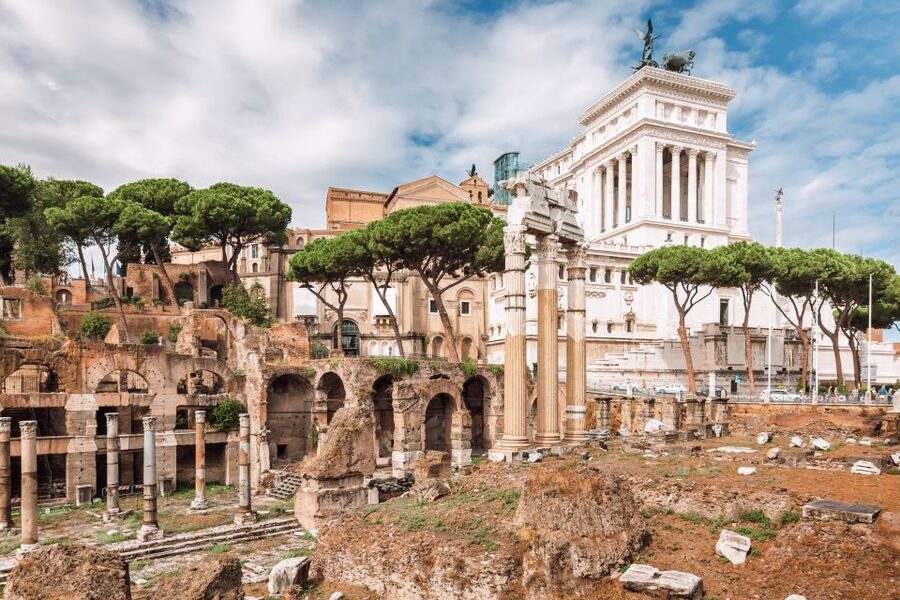
Next up is the Arch of Titus, a monument tied to imperial victory. It is a classic stop for a reason. Arches like this are not just decoration, they are a billboard made in stone, designed to broadcast success.
The guide frames it through the idea of triumphal movement. You learn why Caesar-era and imperial Rome loved public displays, and how they used architecture to make conquest feel permanent.
If you care about photo moments, this is usually a strong one, because the arch gives you a clear frame and a sense of scale. If you care more about story, it is still worth it because it connects monuments to the political message behind them.
The House of the Vestal Virgins: religion with consequences
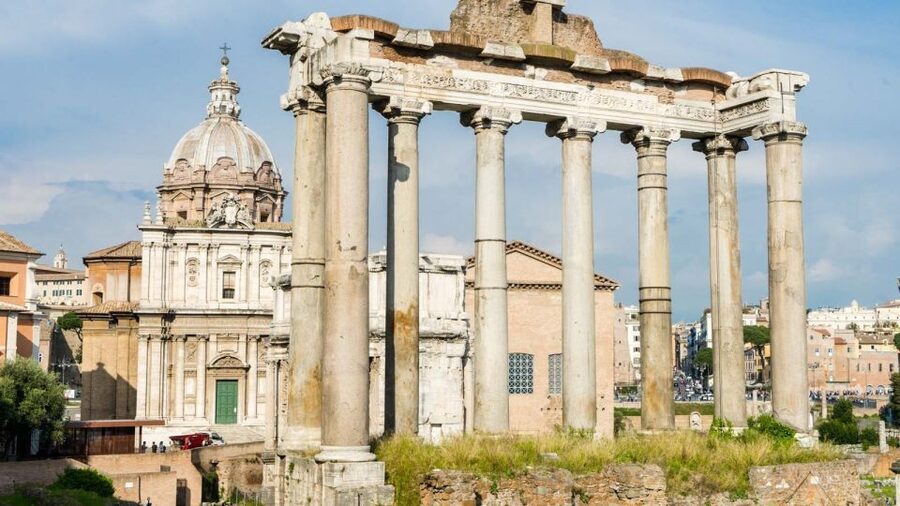
The House of the Vestal Virgins can sound like a random stop until your guide explains its role. The Vestals were tied to Roman religious authority, and the location helps you understand how sacred institutions were woven into the city center.
This part is valuable because it broadens the tour beyond leaders and victories. You learn that Rome did not just run on battles and speeches. It also ran on ritual authority and social rules.
It can also make the ruins feel more human. Even though you are standing amid stone fragments, the concept of how people lived with religious duties makes the place more than a backdrop.
Senate House and Basilica of Maxentius: the machinery of government
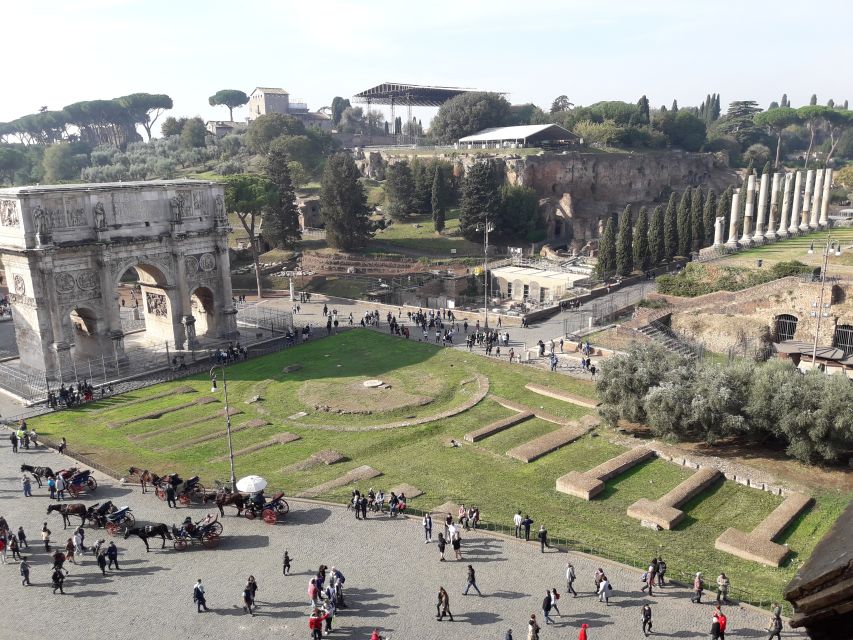
The tour then moves through more political architecture, including the Senate House and the Basilica of Maxentius. These are not just “big Roman buildings.” They represent how Rome handled decisions, ceremonies, and the public flow of people and power.
With a guide, you get context on what these buildings would have been used for and why their design mattered. That’s where a guided pace really pays off. Without it, you might notice “there used to be a hall here,” and that’s it.
Guides like Simona were praised for using archaeological expertise to explain locations, design, and fabric. That kind of clarity helps you see the building layout as a system, not just an impressive ruin.
The Sacred Way: imagining the march after the battles
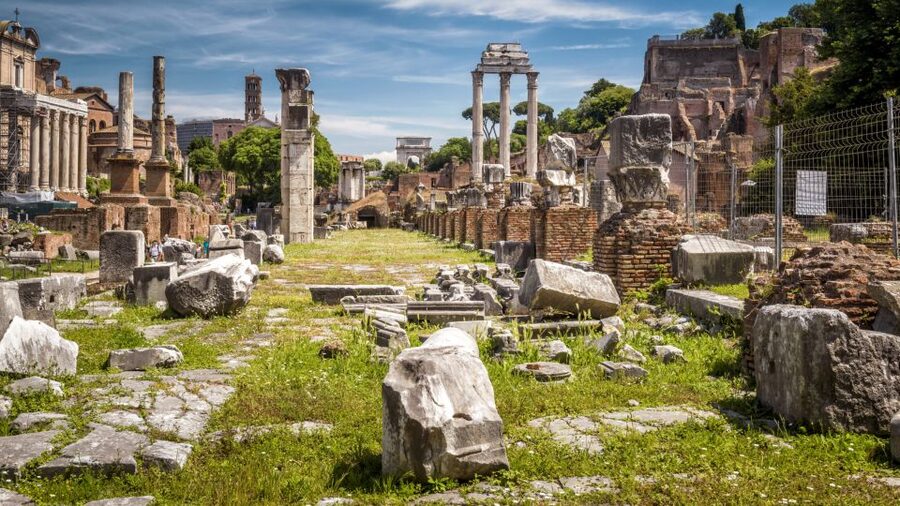
One of the most memorable thematic stops is the Sacred Way, described as the triumphal road where centurions of Caesar marched after battles and conquests. This is one of those “you are walking where history moved” ideas.
If you love connections, this is where the tour starts to feel like a guided walk through political theater. Rome’s victories were not private. They were performed in space, witnessed by crowds, and then written into architecture.
Even if you already know Roman history basics, this framing can change how you picture the Forum working day to day. It is not just ruins, it is a stage.
Headsets, group size, and how the tour stays readable
This tour uses headsets, included and designed for groups of more than eight people. That matters at the Forum, where it’s easy to lose the guide in chatter, traffic noise, and other tours.
The guide experience also seems to be a key reason people give strong ratings. Names like Danieli, Andy, Katia, and Edna came up with comments about humor, clear English, and making sure everyone could hear through the headsets.
Group size is listed as small, with up to about 20 people for the group option. In a smaller group, the guide can do more checking in, like pacing the group around stairs and stopping for photos when it counts.
You should still know there is a moderate amount of walking. The headsets help you hear, but they do not reduce the effort of uneven ground.
Price and value: what $293-ish buys you in 2 hours
At about $293.41 per person for a 2-hour tour, you are paying for three things at once: access management, guided interpretation, and time efficiency.
Fast-track access is a real value driver because the Forum is popular and timing matters. If you want to see the main monuments without wasting your morning to standing still, that separate entrance is worth it.
You are also paying for a professional guide plus headsets. That combo is particularly valuable for this site because there is so much to “get” and so many confusing bits. A good guide turns “I see ruins” into “I understand why this mattered.”
This is also worth paying for even if you already know some Roman history, because the tour focuses on a curated set of landmarks like Julius Caesar’s temple, Arch of Titus, the Vestal Virgins, Senate House, and Basilica of Maxentius. You get a coherent story instead of a grab bag.
What to bring, and what security will actually care about
Bring passport or an ID card. You’ll need it, because security checks are explicit. You also provide your full name and date of birth when booking, and the information must match your ID card, or you may be prevented from entering.
Wear comfortable shoes. This tour involves walking and moderate stairs, and the ground is uneven in places. If your feet get tired easily, treat this as a footwear problem, not a history problem.
Don’t bring prohibited items. The tour rules list no baby strollers, no luggage or large bags, no selfie sticks, no backpacks, and no alcohol or drugs. You also cannot bring sprays or aerosols, glass objects, walking frames, weapons or sharp objects.
Small bags are allowed, but there is no cloakroom service. That means you should travel light, or be ready to carry what you bring for the full tour.
Language options: English and more, with a real guide in your ear
The live guide is offered in multiple languages, including Portuguese, English, Italian, Spanish, German, and French. This helps a lot if you are traveling with family or friends who are not fluent in English.
You will also have consistent audio support thanks to the headsets. That is one reason this tour often works well for people who worry about noise and crowd distractions.
If you want to compare styles, different guides are named in the feedback, like Antonio, Katia, Zenda, Andy, and Simona. The common thread is clear communication plus story energy, not just reciting dates.
Who should book this Palatine and Forum fast-track tour, and who should skip
Book this if you want a tight, focused two hours and you like history tied to places. It suits you well if you want help understanding what you see, and you also care about efficient entry.
It is also a great choice if you struggled on other sites with “wandering mode.” The guide keeps you moving between major stops, so you avoid the common Rome mistake of spending 30 minutes figuring out where you are.
Skip it if you need wheelchair access, have mobility impairments, have pre-existing medical conditions that affect participation, or have back problems. The tour is also not set up for strollers or luggage-heavy travelers, and there is no cloakroom.
If you are traveling with kids, the tour can work, especially if your child likes drama and stories. One highlight described a guide improvising with energy that even a 9-year-old enjoyed.
Should you book this fast-track Palatine Hill and Roman Forum tour?
If you can handle moderate walking and you want the best shot at understanding the Forum quickly, I think this tour is a smart booking. The fast-track entrance, headsets, and focused set of monuments like the Temple of Julius Caesar and Arch of Titus give you a lot of meaning in only two hours.
I would only hesitate if you are sensitive to stairs, you need an accessible route, or you travel with lots of bag clutter. In that case, the rules around no backpacks, no large bags, and no cloakroom will make things annoying.
Otherwise, you’re buying time inside the site and paying for the guide to do the hard part, turning ruins into a story you can walk through.
Reviewed lately around Rome
- Rome: Private Customizable 3-Hour Golf Cart City Tour★ 5.0 · 229 reviews
- Papal Audience Experience with Pope Leo XIV★ 4.5 · 230 reviews
- The Three Tenors in Rome – Nessun Dorma★ 4.5 · 231 reviews
- Discover Rome in a Day – Private Driver Tour★ 5.0 · 231 reviews
- Rome: Colosseum, Roman Forum & Palatine Hill Group Tour★ 4.7 · 232 reviews
- Rome Airport Transfer – Private Luxury Service with Driver★ 4.5 · 231 reviews
- Fast track: Vatican Museums, Sistine Chapel Guided and St. Peter’s Basilica Tour★ 4.5 · 232 reviews
- Moonlight Rome: Night Walking Tour of Roman Highlights★ 5.0 · 232 reviews
Rome Tours, compared.

Colosseum, Roman Forum & Palatine Guided Tour
Read our review →
Vatican Museums, Sistine Chapel & St Peter’s Basilica Guided Tour
Read our review →
Colosseum, Palatine Hill and Roman Forum Guided Tour
Read our review →
Guided Tour of Colosseum, Roman Forum & Palatine Hill
Read our review →
Colosseum, Roman Forum and Palatine Hill Guided Tour
Read our review →
Pantheon Fast-Track Ticket and Official Audio Guide
Read our review →
City Sightseeing Hop-on Hop-off Bus with Audioguide
Read our review →