
Reviewed · NAPLES TOURS
Naples: National Archaeological Museum of Naples Guided Tour
Few places in Naples connect beauty and shock as fast as the National Archaeological Museum of Naples. With skip-the-line entry and a guided walk through the biggest hits, you get a fast path into the stories behind Pompeii and Herculaneum. I especially like the Farnese Collection and the mosaics tied to the Vesuvius eruption. One thing to consider: this is a walking tour inside a very large museum, and it is not set up for wheelchair users, plus there are limits on what you can bring in.
The guides really matter here. In my notes from past groups, you’ll see names like Nicoletta, Carmine, and Sylvia showing up again and again, with the same theme, they explain what you’re looking at in plain language and then point you to the next must-see piece.
Key Highlights You Can Plan Around
- Skip-the-line entry so you start seeing art sooner, not standing around.
- Farnese Collection sculptures like Hercules and the Toro Farnese, plus statues of emperors and Greek gods.
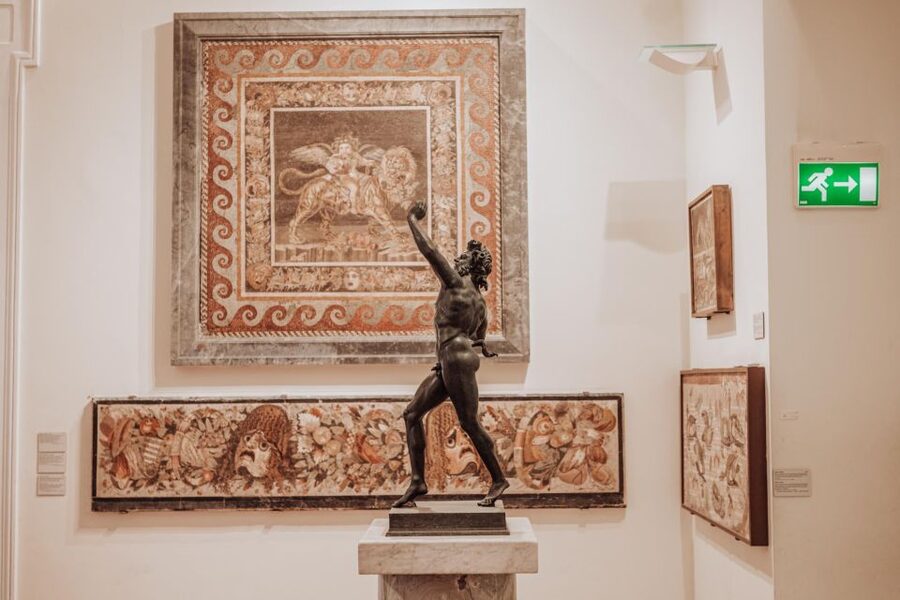
- Pompeii and Herculaneum frescoes and mosaics tied to the eruption of Mount Vesuvius in 79 AD.
- Greek and Roman rooms built for comparison, with busts and figures you can mentally “match” across cultures.
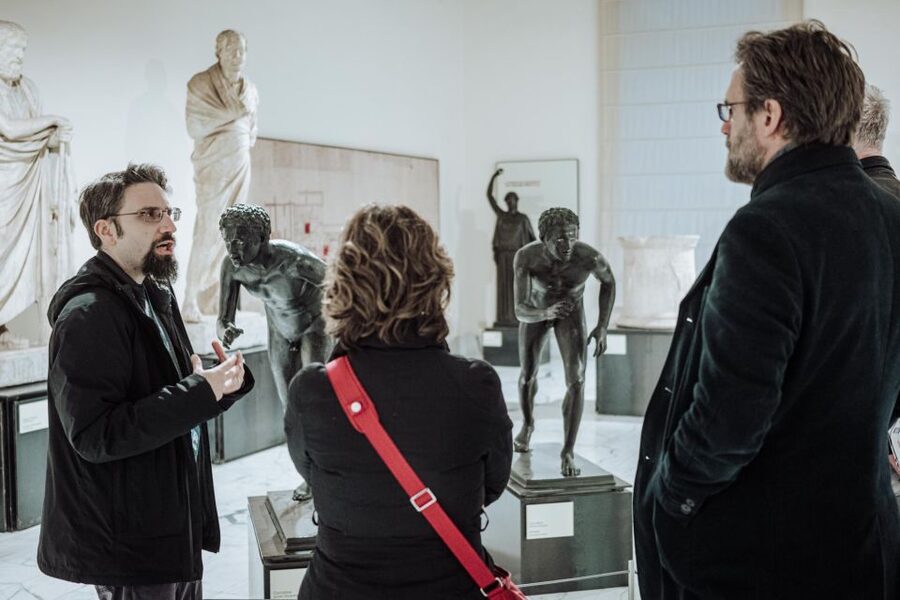
- Small-group feel and a human pace that works well for seeing the highlights and still having questions answered.
- A 2-hour guided overview, then you’re free to slow down or go back on your own.
Meeting the Tour at Museo Archeologico Nazionale di Napoli
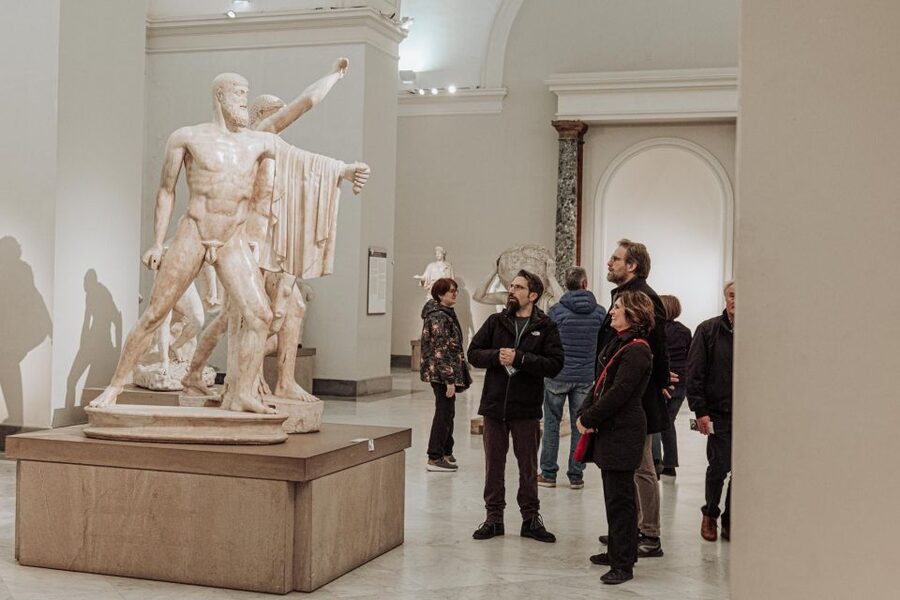
You’ll meet outside the ticket office of the Museo Archeologico Nazionale di Napoli. The guide holds an ASKOS TOURS sign, so look for that first and you’ll avoid the usual pre-museum confusion.
From there, you step into a museum that can feel overwhelming if you wander in cold. It’s not just “lots of stuff,” it’s also a lot of material that benefits from context. That’s where a live archaeologist guide pays off. A good guide doesn’t just identify objects, they help you see patterns, like how Greek myths were reshaped for Roman tastes, or how everyday life from Pompeii became art you can stand in front of.
Practical note: the tour is designed for a walking route. You’ll move between galleries rather than stopping for long seated breaks. If you need frequent pauses, plan for that reality and pick a time of day when you’re not already tired from street walking.
More Museums in Naples:
- Naples: National Archaeological Museum Ticket & Audio App
★ 4.4 · 617 reviews - Vatican: Museums & Sistine Chapel Entrance Ticket
★ 4.5 · 144,003 reviews - Vatican Museums, Sistine Chapel & St Peter’s Basilica Guided Tour
★ 4.5 · 39,149 reviews
Getting Oriented Fast, So the Museum Makes Sense
In a museum this size, orientation is everything. The best part of this tour format is that it gives you a backbone. You start with the museum experience itself, then you move through the highlights in a sequence that helps you build understanding as you go.
Most groups spend the first stretch learning how to “read” the collection. Coins, wall paintings, sculptures, and decorative arts aren’t random. You start to see what Roman collectors valued, how Greek imagery traveled into Italy, and why Pompeii and Herculaneum matter so much for understanding daily life.
One detail I really like from the vibe of the groups: the guides often handle questions in real time. So if you spot something and want the story behind it, you can ask while you’re in front of the piece, not after you’ve walked away.
If you are hard of hearing, you may also appreciate that some guides use a microphone and offer headsets or ear pieces. That kind of support can make the tour feel far easier to follow than typical museum audio.
Farnese Collection, Where Roman Power Meets Greek Myth
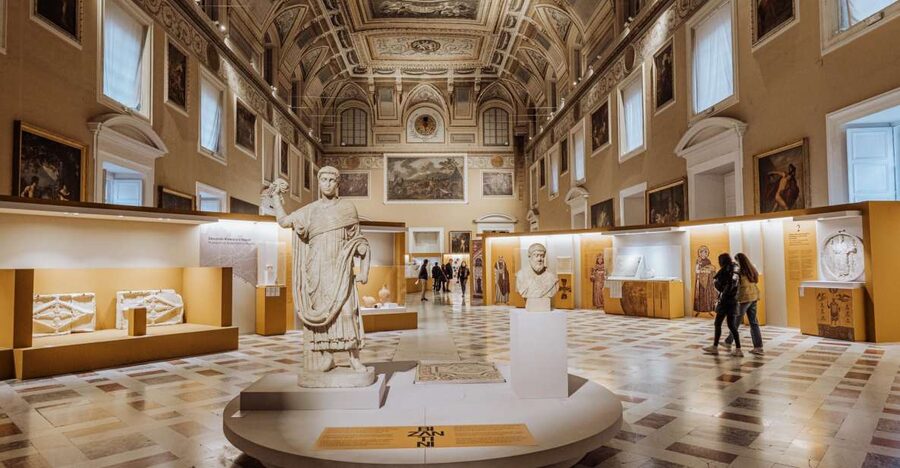
The Farnese Collection is one of those parts of the museum where you can’t help but slow down. This is the section people talk about for a reason, it’s sculpture at a big scale, and it’s also sculpture with drama.
On this tour, you’ll see iconic works such as Hercules and the Toro Farnese, along with depictions connected to Greek gods and Roman emperors. What I like about doing this with a guide is that you don’t just get titles. You get meaning, like why a hero figure matters in Roman culture, or why certain myth scenes became a status symbol for elite patrons.
Here’s the practical takeaway for you: if you’re the type who wants a museum visit to feel like a story, this portion does it. You’ll get a set of characters and symbols you can recognize later when you see them referenced in other rooms or in Pompeii-themed exhibits.
Possible drawback? The Farnese works are so compelling that it’s easy to get “stuck” looking. The tour keeps you moving, which is good for covering the highlights in 2 hours. If you want maximum time in front of one statue, plan to return after the tour ends.
Pompeii and Herculaneum Frescoes, Mosaics, and the 79 AD Shock
If the Farnese Collection gives you myth and power, Pompeii and Herculaneum give you the human scale. This tour focuses on artworks tied to the eruption of Mount Vesuvius in 79 AD, including some of the best-preserved frescoes and mosaics.
You’ll admire mosaics that survived the eruption. That matters because mosaics are not just decorative, they’re also a visual record of tastes, space, and daily life. Seeing them in a museum is different from seeing them in the open air, but the emotional impact can still land hard once you understand what “survived” actually means.
Frescoes also play a big role. Wall paintings from Pompeii help you picture how people decorated homes, the color palettes they used, and how they wanted visitors or family to feel inside a room. With a guide, you’re less likely to treat the art like isolated masterpieces. Instead, you start to connect it to the world that produced it.
One tip for you: take a few seconds before each artwork to ask yourself what you’re looking at, wall figure, scene, pattern, or emblem. The guide can help you with that mental checklist, and it makes the viewing time feel much more productive.
More from a Naples stay:
- From Naples: Pompeii Ruins & Mount Vesuvius Day Tour
★ 4.3 · 11,459 reviews - From Naples: Sorrento, Positano and Amalfi Full-Day Tour
★ 4.6 · 10,988 reviews - From Naples: Sorrento, Positano & Amalfi Coast – Small Group Tour
★ 5.0 · 8,643 reviews - Naples: Catacombs of San Gennaro Entry Ticket & Guided Tour
★ 4.6 · 7,941 reviews
Galleries of Gods, Busts, Coins, and Wall Paintings
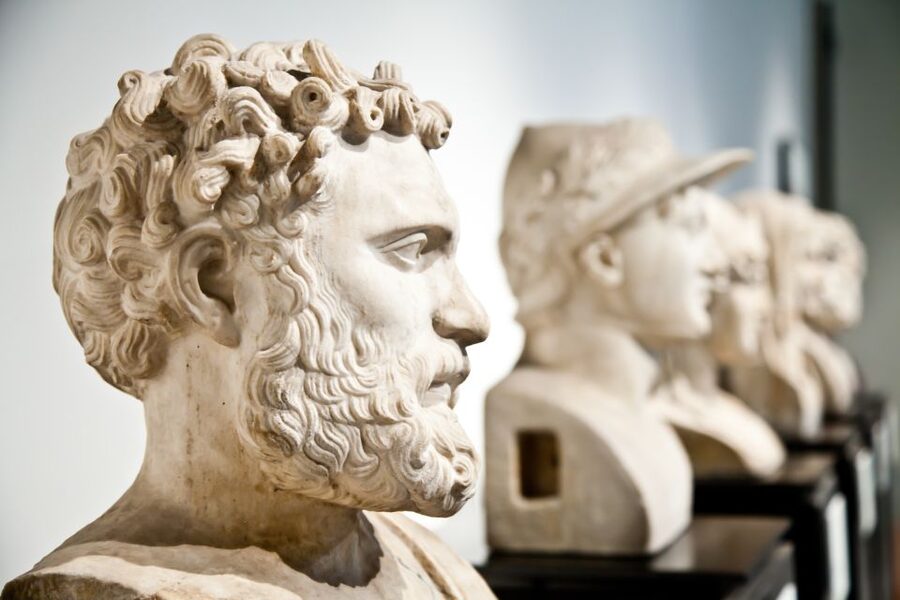
A big part of the tour experience is how it moves through rooms filled with classical imagery. Expect corridors and galleries with busts of Roman and Greek gods and figures, plus displays that include coins and wall paintings.
This is where the comparison effect really works. Greek and Roman art often share themes, but they also shift meanings. A live guide helps you notice those shifts. You start to see when a myth is being used as propaganda, when a deity is being treated like a symbol of protection, or when imperial imagery turns into a kind of political communication.
Coins deserve special mention. Even if you’re not a coin collector, coins can feel oddly personal. They put rulers and emblems into your hand, and in a museum tour context, they can help explain what power looked like on a small scale.
If you like to ask questions, this is usually the easiest part of the route to engage with. You’ll have a moment to stop, point, and get an explanation right where the object sits.
How the 2-Hour Route Feels on Your Feet
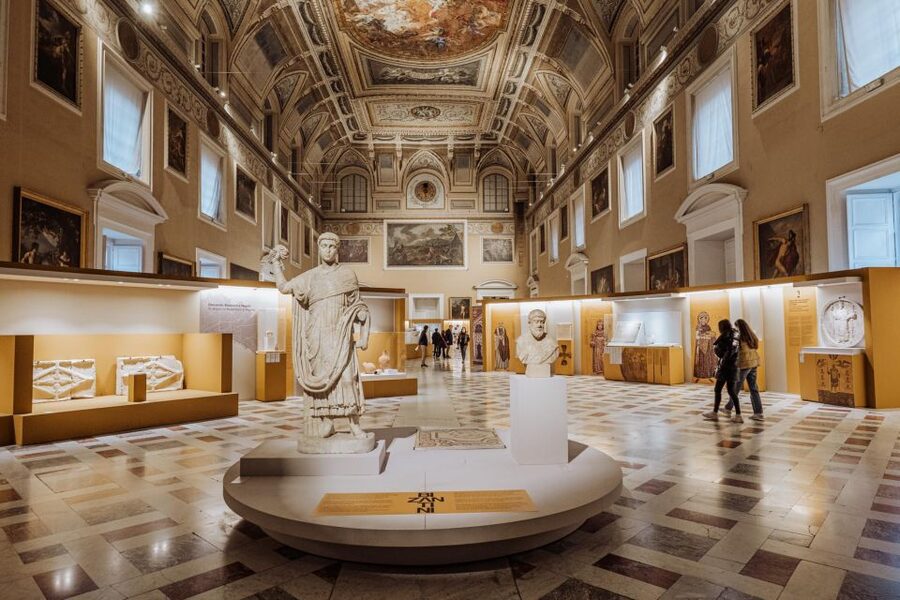
The tour lasts 2 hours, and that time feels about right for a museum highlight run. The goal is not to cover every floor or every room. It’s to give you a strong first pass through the pieces you’ll remember later.
What you’ll typically do:
- Start at the meeting point and enter with skip-the-line access.
- Get a guided overview that frames the museum’s key collections.
- Spend the bulk of time on the Farnese Collection and on Pompeii and Herculaneum frescoes and mosaics.
- Finish with the broader classical displays, busts, gods, coins, and wall paintings, so the museum doesn’t feel like a set of disconnected stops.
Then you can stay on your own afterward. A lot of people choose this strategy because the museum is large. You don’t need to see everything with a guide to enjoy it. You just need to know where to go next.
Fatigue check: if you’re coming in right after a long day of walking in Naples, consider a morning or early afternoon time slot. Indoors, it’s easier on your senses than outdoor heat, but you still need energy for steady movement.
Price, Value, and What You’re Really Buying
The tour price is listed at $52 per person for a 2-hour guided experience. Entry is shown as 20.00 euros for adults and 2.00 euros for reduced EU citizens ages 18-25.
So what are you paying for, beyond the ticket? You’re paying for:
- Skip-the-line access, which can matter a lot at popular times.
- A live archaeologist guide, who helps you understand what you’re looking at while you’re looking at it.
- A route through the highlights, so you’re not spending your limited time wandering the museum like it’s a maze.
In practical terms, if you’re visiting Naples and you want Pompeii and Herculaneum to “click” without spending hours planning, this tour is good value. If you’re the type who loves reading labels and building your own path, you might not need a guide for every museum room. But the museum’s strongest moments here are exactly the ones that benefit from explanation.
Also, guides in this format can tailor the experience just enough to keep it lively. Names like Carmine and Nicoletta show up in feedback with people praising both enthusiasm and clarity. That’s the real value you feel, not a printed itinerary.
What to Bring, What Not to Bring, and Getting Ready
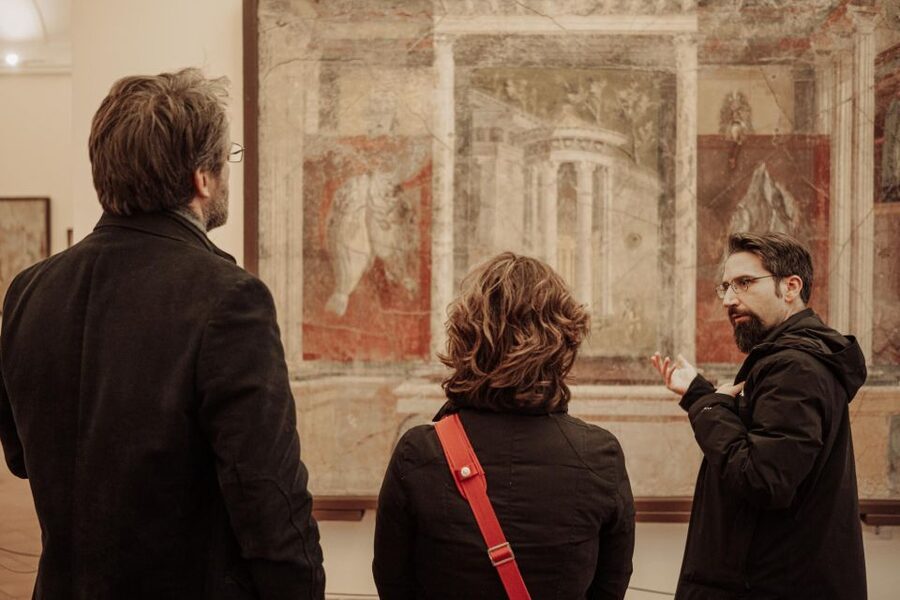
This tour has clear restrictions. You should plan to travel light:
- Not allowed: oversize luggage, baby strollers, luggage or large bags.
- Not suitable: people with mobility impairments, and wheelchair users.
- Not allowed: non-folding wheelchairs and electric wheelchairs.
If you’re carrying a bag, aim for something small that you can manage easily through crowded museum corridors. If you have a stroller, plan on leaving it elsewhere because it’s not part of the experience here.
What’s included is the tour, an archaeologist guide, and museum entry. What’s not included is transportation and food and drinks. You’ll want water if you’re also spending time outdoors before or after, but the tour itself does not include meals.
For pacing, remember it’s a walking tour. Wear shoes you can trust for indoor stone floors.
Who This Guided Tour Fits Best in Naples
This tour is a strong match for you if:
- You’re short on time and want the museum’s major highlights.
- You already plan to visit Pompeii and Herculaneum, or you have visited them and want the museum to make more sense.
- You like classical art but would rather have it explained in plain language than handled through disconnected facts.
It’s also a good fit if you enjoy questions and interaction. Several past groups emphasized how guides helped them connect what they saw in Pompeii to the objects on the museum side.
On the flip side, if you need wheelchair access or you rely on strollers, this may not work for you. The tour is also not built around people who want a slow, fully self-paced crawl. It’s more like a guided “best of” run, which is ideal for orientation and context.
FAQ
How long is the Naples National Archaeological Museum guided tour?
The tour lasts 2 hours.
Where do we meet for the tour?
Meet outside the ticket office of the Archaeological Museum of Naples. The guide will hold an ASKOS TOURS sign.
What language is the tour offered in?
The live tour guide offers English and Italian.
What’s included in the price?
The price includes the tour, an archaeologist guide, and entry to the Archaeological Museum of Naples.
Is museum entry skip-the-line included?
Yes, the tour includes skip-the-line access.
Is the tour suitable for wheelchair users or people with mobility impairments?
No. It is not suitable for people with mobility impairments or wheelchair users.
Should You Book This Tour?
Book it if you want a fast, guided way to understand why the National Archaeological Museum of Naples is so important for Pompeii and Herculaneum. The combination of the Farnese sculptures, Pompeii and Herculaneum frescoes and mosaics tied to 79 AD, plus the guided explanations, is exactly what turns a big museum into a memorable story.
Skip it and go self-guided if you have all day for wandering, you read labels happily, and you do not need a route to cover the key rooms efficiently. Also skip if mobility needs or restrictions around bags and strollers would be a problem for your group.
Reviewed lately around Naples
- Naples Pasta Class: Fettuccine & Ravioli with Grandma’s Recipe★ 5.0 · 506 reviews
- Naples Walking Tour with Underground Roman Ruins Ticket★ 4.5 · 510 reviews
- Private Day tour of Positano, Amalfi and Ravello from Naples★ 5.0 · 522 reviews
- Naples: Street Art & History Tour in the Spanish Quarters★ 4.9 · 540 reviews
- Private Day Tour: Sorrento, Positano, Amalfi, Ravello from Naples★ 4.5 · 546 reviews
- Day Trip of Pompeii, Herculaneum and Vesuvius from Naples★ 4.5 · 547 reviews
- Day Trip of Pompeii, Sorrento and Positano from Naples/Salerno★ 5.0 · 560 reviews
- Naples Underground Official Skip-the-line Ticket★ 4.0 · 563 reviews
Naples Tours, compared.

Sorrento, Positano and Amalfi Full-Day Tour
Read our review →
Sorrento, Positano & Amalfi Coast – Small Group Tour
Read our review →
Catacombs of San Gennaro Entry Ticket & Guided Tour
Read our review →
Downtown Tour with Veiled Christ & St Clare Tickets
Read our review →
Pizza-Making Workshop with Drink and Appetizer
Read our review →
Browse the lists this tour appears in