
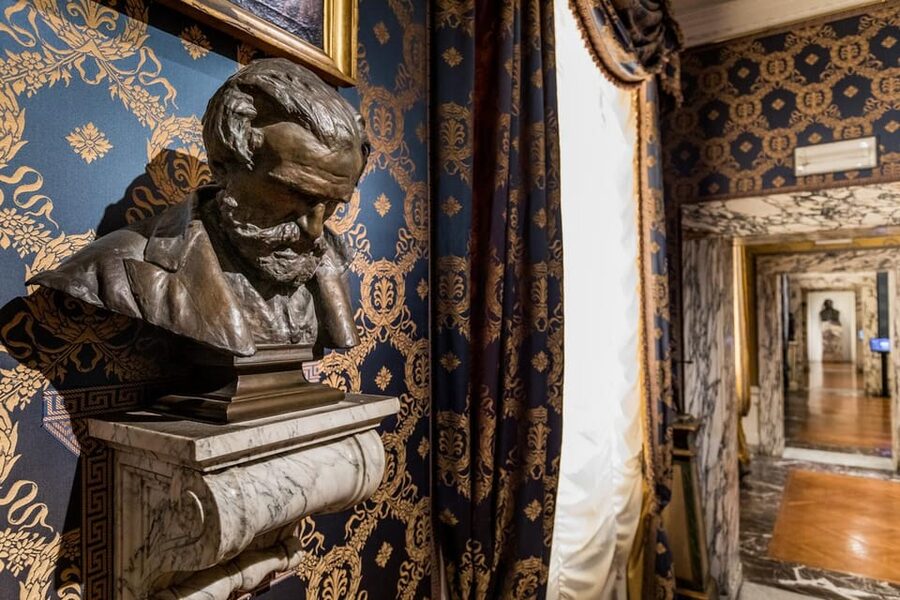
Reviewed · MUSEUMS IN MILAN
Milan: Entrance Ticket to La Scala Theatre Museum
What makes this ticket worth your time is that you do not just look at opera history behind glass. You get museum pieces, then you shift into an opera-house mindset, with a real view into La Scala itself, sometimes even while something is being rehearsed. I love the costumes, set designs, and musical instruments that make the stories feel physical, not vague. I also like that the included 7-language app audioguide helps you connect names and scenes as you walk.
One watch-out: access to the theatre view can vary depending on rehearsals and what the lights are doing that day. On some visits, you may see more from higher angles than from the main seating area, so plan for the possibility of theatre visibility limits.
Key highlights you’ll care about
- A real look into La Scala, not only a museum room
- Costumes, sets, and instruments tied to notable performances
- Portraits and busts of major music legends associated with the theatre
- App audioguide in 7 languages, downloaded at the museum
- Visibility tip: check if the theatre lights are on for the best view
- Bag rules: no large luggage, use the cloakroom if needed
La Scala Theatre Museum in Milan, right by the Duomo area
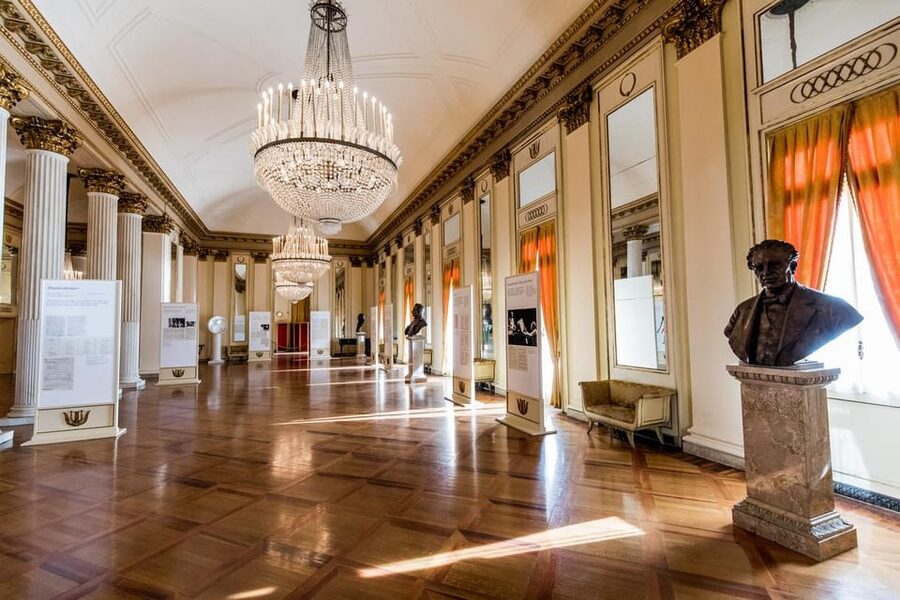
La Scala sits in the heart of Milan, a short walk from the Duomo and near the Vittorio Emanuele Gallery. That matters because you can fold this in without turning your day into a logistics puzzle. If you already plan to spend time around the Cathedral area and the historic shopping arcade, this ticket fits neatly like a planned detour.
What you’re really buying is a guided feeling, even though it’s self-paced. You start with the theatre experience, then you move through museum rooms built to explain how La Scala became one of Italy’s most famous opera stages. The show world is the main character here, and you get to see its backstage props: objects you would normally only imagine.
More Museums in Milan
- Official San Siro Stadium and Museum Guided Tour
★ 4.4 · 3,573 reviews - Milan: Leonardo3 The World of Leonardo Museum Entry Ticket
★ 4.4 · 3,241 reviews - Milan: La Scala Theater & Museum Guided Experience
★ 4.1 · 2,931 reviews
What your La Scala museum ticket includes, and why $17 can make sense
The ticket is priced at $17 per person and gives you entrance to the La Scala Theatre Museum. You also get access to the museum exhibits and an app audioguide in 7 languages, downloadable at the museum. That audioguide piece is more than a nice extra. When you see costumes, instruments, and production materials, you need help linking them to the famous performers and works that made La Scala legendary.
The ticket also includes skip-the-ticket-line entry. In practice, line-skipping only works if you go in prepared. Have your ticket confirmation ready on your phone, and be ready to show it quickly at the entrance.
Duration is listed as valid for 1 day, and you should check availability to see starting times. That means you’re not stuck with one fixed hour, but you still need to choose a time that matches your day.
La Scala theatre viewing, rehearsals, and what you should expect to see
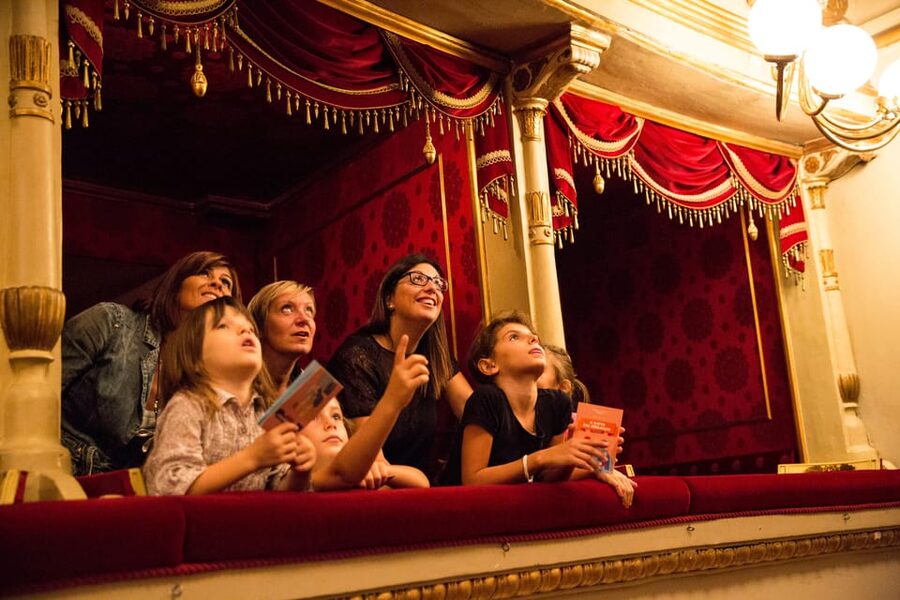
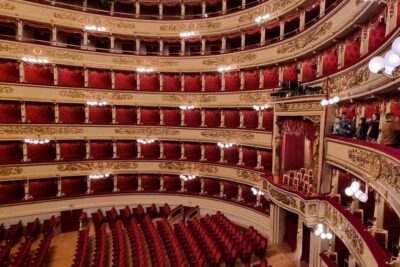
This is the part people tend to remember most. The museum is interesting, but the wow factor comes when you shift from artifacts to an opera-house view. Depending on your time slot and what is happening inside, you might be able to watch rehearsal activity or see the stage area from seating locations like boxes. Several visitors highlight the value of that theatre peek, especially when a rehearsal is underway.
Still, I would not treat the theatre view as guaranteed from the exact same angle every time. One key consideration is that rehearsals can affect access. If something is being practiced, some areas may not be open in the way you hoped. In at least one case, visitors could not enter the main area and instead viewed the theatre from higher seats.
Also, visibility can depend on the theatre lighting. There is a specific tip on checking theatre visibility, including whether the lights are on, because it affects what you can actually see. If you want the best shot at strong views, check this page before you go:
https://www.museoscala.org/it/visibilita-teatro.html
Museum galleries: costumes, sets, instruments, and the human scale of opera
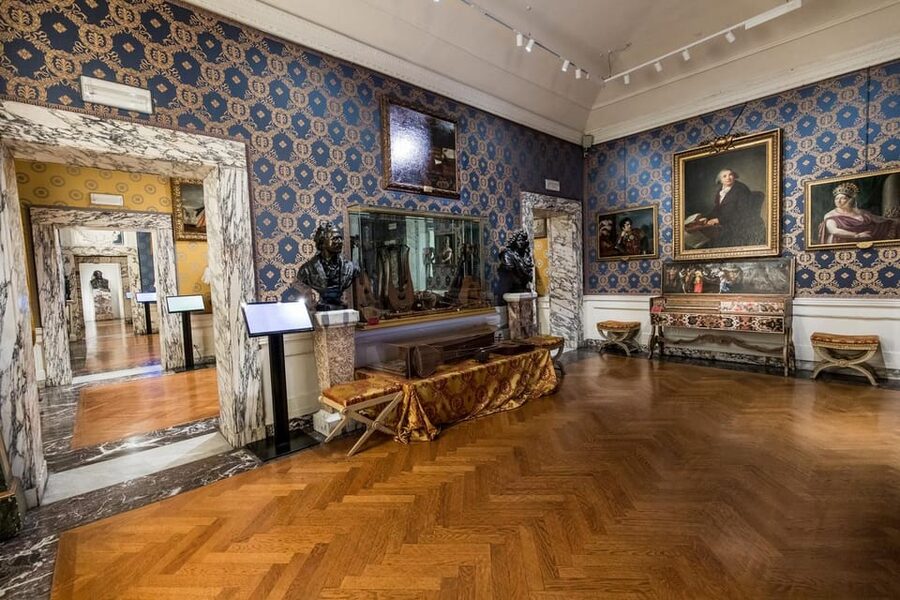
After the theatre moment, the museum turns its attention to the objects that build productions. Expect to spend time with costumes, set designs, and musical instruments tied to notable performances. These things help you understand opera as craftsmanship, not just performance. You see materials and details that make the stage look like a world, not a backdrop.
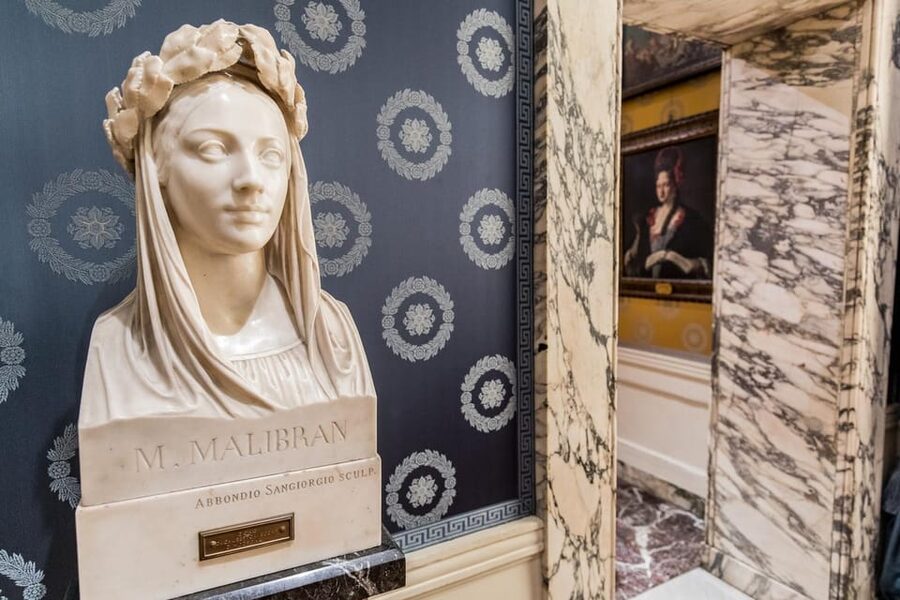
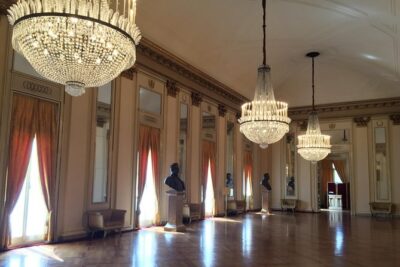
There are also portraits and busts representing the major musicians connected to La Scala. Names you’ll hear in this kind of museum experience include Giuseppe Verdi, Gioachino Rossini, Luciano Pavarotti, and Maria Callas. Seeing them as part of a visual gallery changes how you remember the theatre. It becomes a place where careers and collaborations gathered, not only a building where famous nights happened.
If you like explanations that connect objects to stories, this museum format works well. You’ll likely recognize that old opera can feel distant, but the museum gives you the bridge. A costume tells you about style and character choices. A set design shows how space was meant to transform. An instrument reminds you that the sound had to be built by people, not magic.
A different Milan day to consider:
- Milan: Cathedral and Duomo’s Terraces Entrance Ticket
★ 4.6 · 61,054 reviews - Milan: Da Vinci’s Last Supper Guided Tour
★ 4.7 · 10,143 reviews - Milan: City Sightseeing Hop-On Hop-Off Bus with Audio Guide
★ 4.0 · 6,256 reviews - Milan: Milan Cathedral Direct Entrance – Terrace Excluded
★ 4.5 · 5,782 reviews
Early years and memorable performances: how the theatre grew into a cultural symbol
The museum covers La Scala’s early years and its most memorable performances, aiming to show why the theatre became culturally significant. You do not need to be an opera expert to enjoy this part. The point is to help you grasp what made La Scala a magnet for big names over time, and how it shaped expectations for performances.
A good way to think about this: the museum is explaining how a stage becomes a standard. Opera houses are not interchangeable. Each one has its own traditions, its own relationship to music, and its own reputation for welcoming or defining major performers. La Scala’s museum content is built around that idea, using artifacts and visual material to point you toward the bigger picture.
If you are visiting when there are no opera or ballet productions scheduled, the museum still works because it reconstructs the experience. You can watch informational media and get a sense of how productions look and feel, even when the theatre is quiet.
Portraits, visual media, and the “what it feels like” factor
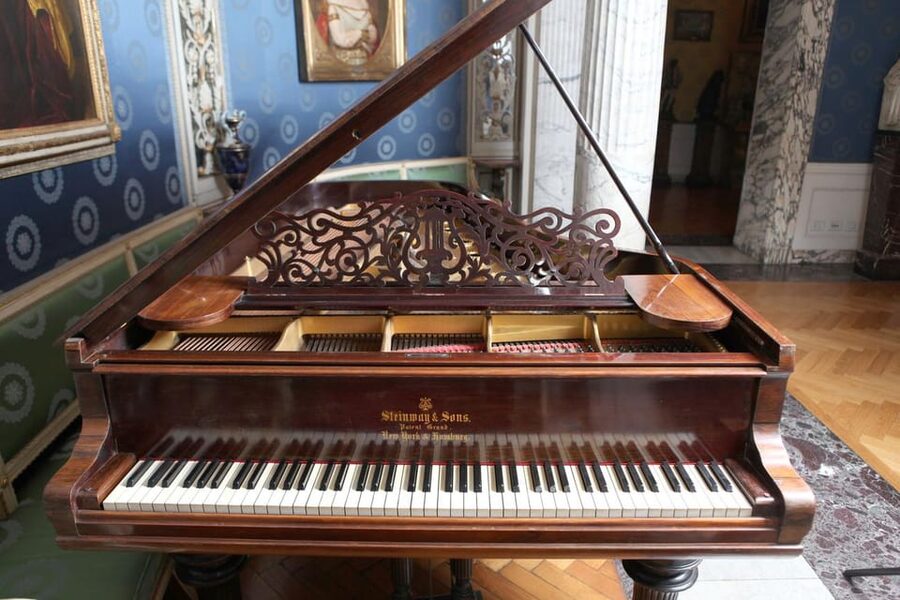
Even if you came only for the theatre view, the museum’s visual components make the time worthwhile. The audioguide helps, but the displays themselves do a lot of heavy lifting: pictures, posters of past performances, and interpretive media designed to set scenes for you.
This is a big part of why people call the museum a surprise in a good way. It gives context without forcing you to sit through long lecture-style segments. You can move at your own pace. If you want to spend extra time reading about a production era or a figure connected to La Scala, you can.
And if you are a fan of performance arts, this is also where you see how La Scala culture spreads beyond costumes and stage sets. The theatre becomes an idea, carried through images, memorabilia, and the people depicted through portraits and busts.
Audio guide in 7 languages: how to use it for maximum payoff
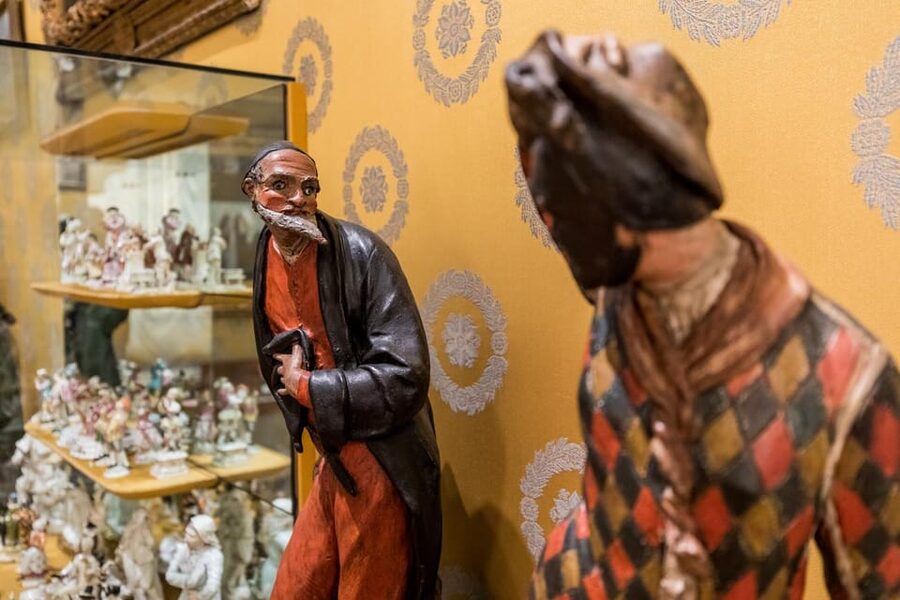
The included app audioguide in 7 languages is a smart inclusion for a site like this. When you see instruments and costume pieces, it’s easy to miss the meaning if you do not know the background. The audioguide gives you the connection between what you’re looking at and the performance traditions linked to La Scala.
My practical advice: start it early. When you first enter, download and begin while the theatre view is fresh in your mind. Then as you walk into galleries, keep the sound on. It creates a rhythm between the building and the objects.
If you get a guided add-on, listen closely. One name that came up in visitor comments is Simona, who is praised for her local history knowledge. Even if you are using only the audioguide, you can still benefit from staff explanations if you ask a simple question like what you should notice in the next room.
Lines, entry timing, and what “skip the line” means in real life
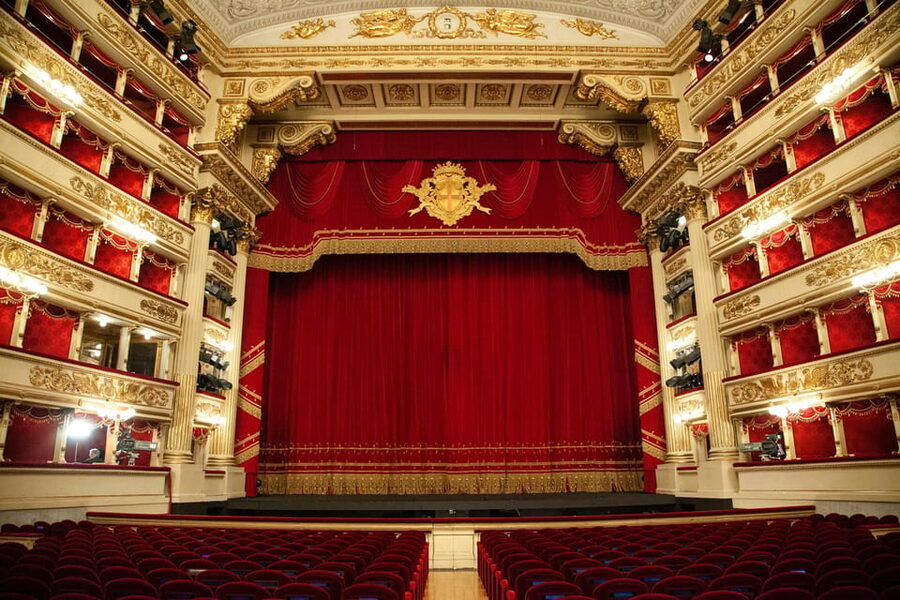
You’ll want to treat the skip-the-line benefit as helpful, not magical. It can save you time, but it depends on you arriving ready to present your ticket quickly. Keep your phone ticket accessible and do not show up drenched in doubt about where to go.
Starting times are tied to availability, so choose a time that matches your energy level. If you hit it right after another major sightseeing stop, you’ll be more likely to enjoy the museum at a calm pace. If you wait too late in the day, you may feel rushed, and this is the kind of visit where slow attention pays off.
Also, the theatre and museum experience can be affected by what is happening inside. Rehearsals can mean extra visibility for some days and reduced access for others. If you care about the theatre view most, pick a time slot and then arrive early enough that staff can guide you if access feels different than expected.
Bags, luggage, and the cloakroom rule that affects your comfort
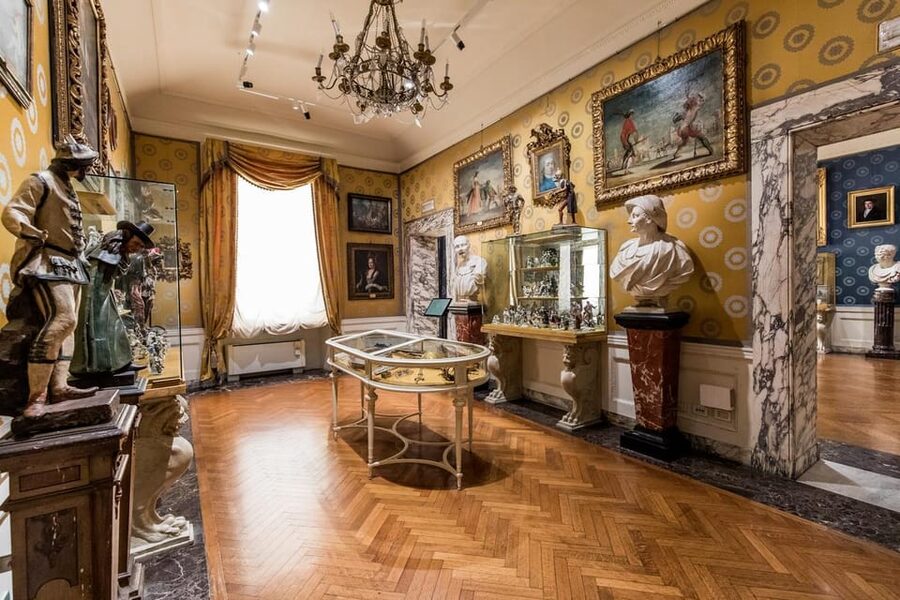
There is a clear restriction: luggage or large bags are not allowed. Large bags and backpacks must be checked into the cloakroom. This is one of those rules that sounds minor until you are standing there deciding where to put your duffel while the line moves.
So plan light. If you can travel with a small day bag, you’ll have a smoother visit. If you do bring a bigger bag, budget time for cloakroom drop-off and collection. That step can add friction, especially if you are trying to coordinate with your Duomo-area walking route.
Accessibility for wheelchairs and strollers
This experience is wheelchair accessible, and the theatre and museum are also stated to be accessible to strollers. If you’re traveling with mobility needs, it’s a relief to know the site is designed for access rather than functioning as a maze of stairs and compromises.
If you want to be extra prepared, keep your arrival plan flexible. Some sections can be influenced by the flow of theatre activity. Having a little extra time helps you move calmly rather than feeling rushed if staff adjust access.
Who should book this La Scala Theatre Museum ticket
I think this ticket fits best if you fall into one of these groups:
- You want a strong Milan cultural experience tied to a world-famous opera stage.
- You enjoy performance arts and like museum objects that show craft, not just famous names.
- You’re visiting when you might not catch an opera or ballet night, but still want the feeling of the theatre.
If you are only casually curious about opera, you might still enjoy it, especially for the theatre view and the visual media. But if you want the full opera atmosphere, this museum visit is a taste, not a replacement for a live performance.
Should you book this La Scala Theatre Museum ticket?
Yes, if you want value for your Milan time and you like mixing museum wandering with a real look into an active performance space. The combination of theatre access, museum exhibits with costumes and set designs, and a 7-language audioguide makes the ticket feel like it has more substance than a basic walk-through.
Book if you are flexible about the exact theatre angle. Rehearsals can shift what areas are accessible, and sometimes that means you see more from higher seats. If you care a lot about visibility, use the theatre lighting tip and plan around it.
Skip it only if you dislike museums in general and you mainly wanted a live show. The museum experience is the point here, and even when the theatre view is great, it is still framed by exhibits and interpretation.
If you’re aiming for one high-impact stop near the Duomo and the Galleria, this is one of the easiest ways to add La Scala to your itinerary without waiting for a specific performance date.
Reviewed lately around Milan
- Milan: Last Supper and Sforza Castle Guided Tour★ 4.6 · 498 reviews
- Milan: San Sepolcro Crypt Skip-the-Line Entry Ticket★ 4.2 · 512 reviews
- Milan Duomo Cathedral and Rooftop Terrace Guided Tour★ 4.8 · 531 reviews
- Small-Group Lake Como – Bellagio, Varenna & Hidden Waterfall★ 5.0 · 541 reviews
- Milan: Leonardo’s Last Supper and Michelangelo’s Pietà Tour★ 4.6 · 559 reviews
- Milan Cooking Class: Authentic Pizza & Gelato Making★ 5.0 · 582 reviews
- Milan: Skip-the-Line Guided Walk and “The Last Supper”★ 4.5 · 606 reviews
- Milan: The Last Supper & Sforza Castle Guided Tour★ 4.6 · 610 reviews
Museums in Milan, compared.
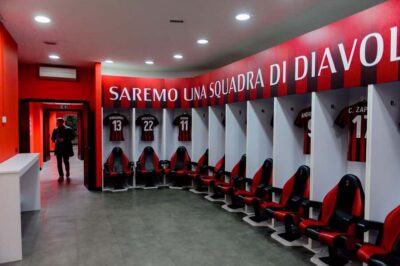
Official San Siro Stadium and Museum Guided Tour
Read our review →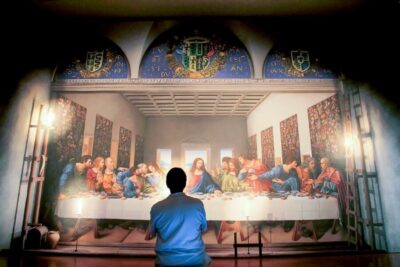
Leonardo3 The World of Leonardo Museum Entry Ticket
Read our review →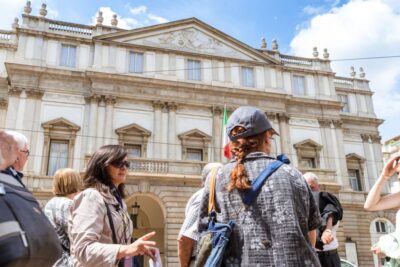
La Scala Theater and Museum Tour with Entry Tickets
Read our review →
Cathedral, Archeological Area and Museum Ticket
Read our review →
Browse the lists this tour appears in