
Reviewed · FOOD & DRINK
From Carrara: Marble Quarries Jeep Tour with Lardo Tasting
Carrara turns the usual Tuscany day trip on its head: you ride up into the marble world, then cool it down with a taste of Lardo di Colonnata. I love how the Carrara marble caves connect art and geology in plain terms, and I like that you see how quarrying has changed from old-school methods to modern extraction.
One thing to plan for: you’ll be on a jeep, and the back seats can make it harder to hear every detail from the guide.
Key highlights you will feel on the ground
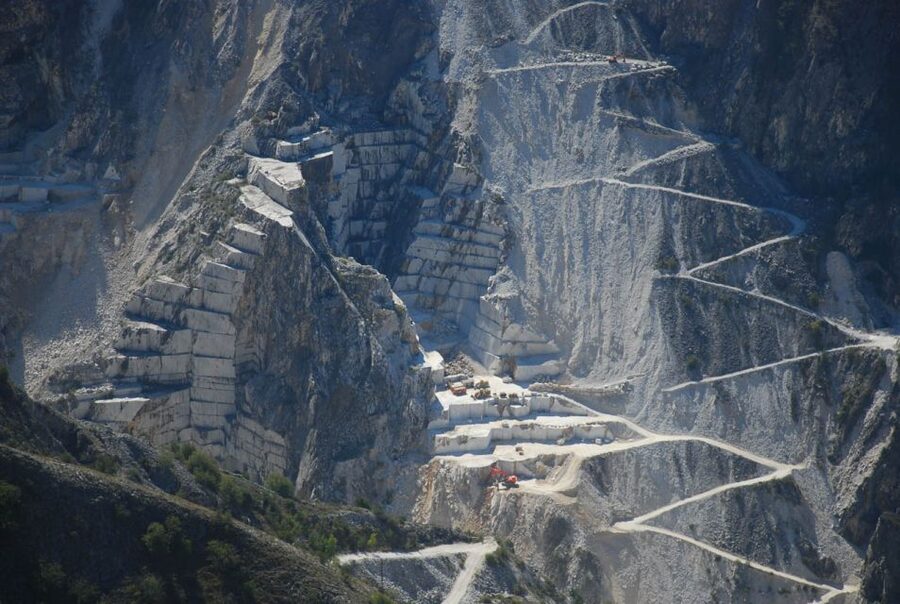
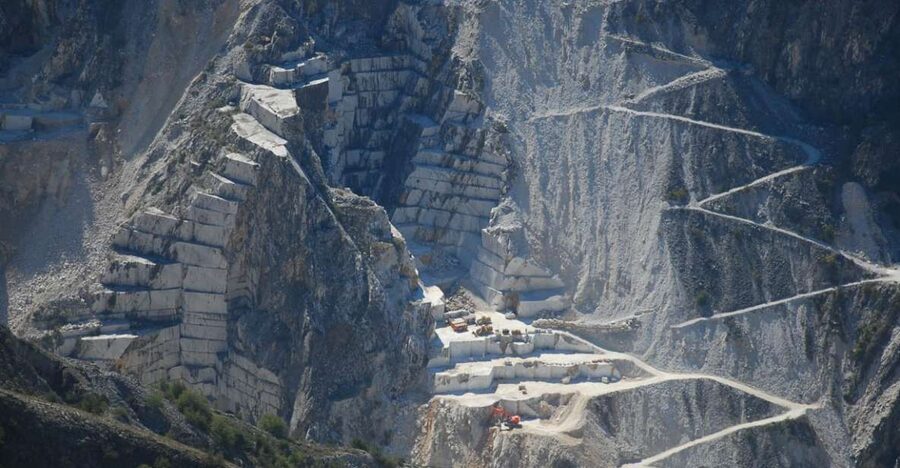
- Jeep ride up to quarry heights around 1,000 meters above sea level for big views and a real sense of place
- Michelangelo-linked marble caves, including an experience inside the quarry
- Roman-era to modern quarrying, explained in everyday language
- Lardo di Colonnata tasting at a lard factory, tied to the workers’ traditional food
- Small group (max 8), which keeps the day from feeling rushed
Carrara Marble Caves: the art connection you can see
This tour is interesting because it makes famous marble physical. Carrara marble is not just a museum topic. It is the raw material behind sculptures you already know, and the quarries show the cost and craft behind that beauty.
I like that the guide frames the day around why this marble matters. You hear how quarrying worked in older times and how extraction looks today, so it’s not only pretty stone, it’s also labor, tools, and changes over time. When you later look at marble art, you have a clearer picture of what went into it.
You also get the “inside” part, not only standing outside at viewpoints. That helps you understand the scale and how the caves shape the work. One of the big compliments that comes up again and again is how the quarry looks and feels, especially when you can step into the space rather than just look at it from the road.
Meeting point in Carrara and what the schedule feels like
You start at either 9:30 am or 2:30 pm in Piazza Vittorio Veneto, in front of the stadium. The tour is listed as about 3 hours, and the pacing reflects that. You get time for the main quarry stops, plus a lardo tasting, without turning it into an all-day marathon.
The small group size is limited to 8 participants. That matters more than you might think. Fewer people means the guide can slow down to answer questions and keep the pace smooth on curvy roads. In the real world, it also makes it easier to hear instructions before entering a quarry area or moving between stops.
Language coverage is English, Italian, and French, with live guidance throughout. If you’re choosing between tour times, pick the one that best matches your energy. The afternoon option can be a nice way to avoid a rush earlier in the day, but morning can feel calmer for photos at the viewpoint.
The jeep ride up: comfortable clothes and smart expectations
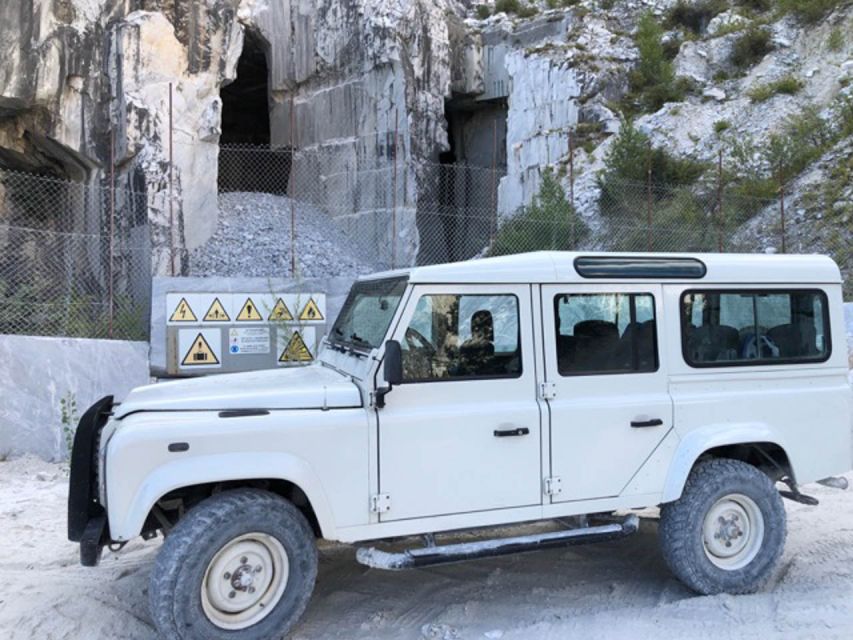
This is a jeep tour, so you should treat it like one. You’re not in a bus with stadium seating. You’re in an off-road vehicle climbing steep grades to quarry areas.
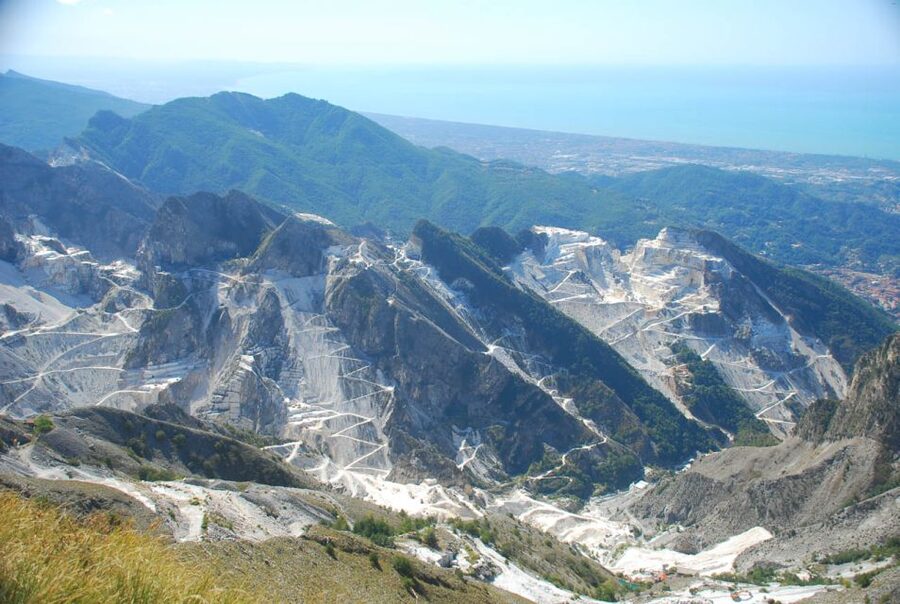
The tour reaches quarries up to 1,000 meters above sea level. That height is part of the magic. The views over the marble country can be dramatic, and the air can feel different than down in town. Bring comfortable clothes. If you run hot easily, wear something breathable. If you tend to get chilly, pack a light layer you can manage on and off the vehicle.
A practical heads-up from how the experience is described: sound can be tricky in the jeep, especially if you end up sitting farther back. You might still understand everything, but if you want the best chance to catch each detail, aim for a front or mid position if you can.
Also, the ride itself is a highlight. Many people emphasize the driving skills, because the roads are steep and the quarry access requires careful maneuvering. You don’t need to be a thrill-seeker to enjoy it, but you should expect a fun, bumpy style of travel.
Marble quarries, Michelangelo’s marble, and what you learn at each stop
The core of the experience is seeing Carrara marble extraction firsthand in places tied to the long history of artists using this stone. Michelangelo is part of the story, and it gives you a reason to pay attention beyond the geology.
Here’s how the day typically “clicks” into place:
Outside quarries: the scale hits first
You start by looking at the quarry landscape from above and along access points. This is where you notice the organization of the work and how the stone changes color and texture across faces. It’s also where the views help you grasp the geography, since Carrara marble comes from the mountains, not a single flat quarry pit.
Then: inside the quarry, where the stone becomes real
You also go into an indoor quarry setting. That’s a major reason this tour gets strong marks. Standing in the cave-like environment makes the scale feel more intense and gives you a sense of how working conditions would be on-site.
The lighting and the sound inside can feel different than outside. If you’re thinking, How claustrophobic will it be, you’ll probably be reassured by how the experience is set up and by the fact that it’s not a crawl-through maze, it’s a guided visit in quarry spaces.
Quarrying over time: from older methods to today
One of the most useful parts is learning how extraction techniques changed. You get a comparison between Roman-era approaches and modern quarrying. Even if you’re not a machinery person, the explanation helps you understand why methods shift as tools improve and as safety, efficiency, and output goals evolve.
The goal here is not to overwhelm you with technical details. It’s to show how one natural resource can drive different kinds of work across centuries.
A possible extra stop: diamond saw demonstration and souvenirs
Some days include a quick roadside moment for a diamond saw demonstration and time to pick up small souvenirs. If it happens on your departure, it’s a good add-on because you see how cutting works in a way that feels relevant to the quarry itself.
Lardo di Colonnata tasting: why it fits this day
After the marble, you switch gears with food. That contrast is part of what makes the tour feel balanced.
You visit a lard factory and taste Lardo di Colonnata, described as a key product from the caverns’ workers’ diet. The tasting is not positioned as a long restaurant meal. It’s a short, focused food stop that ties back to the quarry life you just learned about.
I like this format because it prevents the day from feeling like museum time. You get hands-on understanding, then you finish with something you can actually bring home, at least in spirit if not as souvenirs. If you enjoy cured meats, it’s a strong finish to a surprisingly technical subject.
Guides and group size: what you should look for
The guides who run this tour come across as deeply comfortable with the topic, and many departures are led by people like Lucca and Manuella. You’ll typically get a lot of explanation along the route, not only at one stop.
A few practical tips that help you get more from the day:
- Ask questions early. If you’re curious about how marble is selected, how quarrying changes tools, or what makes Carrara marble special, ask when you’re still near the first stops.
- If you’re in a mixed-language situation, pay attention to who your guide is talking to and whether you need to angle your body to hear translation clearly.
- Bring your phone for photos, but remember the best photos often happen when the driver slows at scenic points rather than when you’re trying to shoot while moving.
Because the group is capped at 8, you can usually do better here than on big bus tours. You get a real chance to interact rather than just sit and absorb.
Value check: is 3 hours enough?
For the subject matter, 3 hours is a smart length. Marble caves and quarry access require travel time and careful movement, and this tour is built around that reality. You’re not trying to cover everything in one day, you’re getting the highlights that most connect the art story to the physical source.
Value comes from the mix:
- Off-road access to quarry areas you probably would not reach easily on your own
- Inside and outside quarry viewing, which gives you scale and texture
- Explanation about how extraction evolved
- Food payoff with the Lardo di Colonnata tasting, tied directly to quarry life
The only “watch this” item is comfort and sound in the jeep. If you’re sensitive to noise or you really need clear audio from the back row, try to choose a spot closer to the front when you board.
Who should book this Carrara marble and lardo tour
This tour is a good fit if you:
- Like art history but prefer it with a physical, real-world connection
- Want scenery with substance, not only viewpoints
- Enjoy food that has a story behind it, not just a tasting menu stop
- Appreciate small groups and a guide who can answer questions
It’s also a solid option for people who have already done the classic Tuscany routes and want something different in Carrara itself. The quarry theme is a change of pace, and the jeep ride adds motion and fun without turning the day into a stunt.
If you’re traveling as a family, this is often easier to enjoy than it sounds. The stops are visual, the explanation is guided, and the lardo tasting helps break up the day.
Should you book this tour?
If you want Carrara marble in a way that feels grounded and memorable, I think this tour is an easy yes. You get the “Michelangelo marble” story, you see quarries up near the mountain heights, you step inside, and you finish with a taste of Lardo di Colonnata that makes sense for the place you just explored.
Book it if you’re excited by practical tours where you learn something and still have fun moving through the environment. Skip it only if you know you need perfect audio from the back seats or you dislike off-road vehicle travel.
FAQ
Where do I meet the guide for the Carrara jeep tour?
You meet in Piazza Vittorio Veneto in Carrara, in front of the stadium. The tour departs at 9:30 am or 2:30 pm.
How long is the tour?
The experience is listed as 3 hours.
What group size and languages are offered?
It’s a small group with a maximum of 8 participants. Live guides are available in English, Italian, and French.
What should I wear or bring?
You should wear comfortable clothes.
Can I cancel for a full refund?
Yes. You can cancel up to 24 hours in advance for a full refund.
Can I reserve now and pay later?
Yes. The option is reserve now & pay later, so you can book without paying right away.
Food & Drink, compared.
Small-Group Wine Tasting Experience in the Tuscan Countryside
Read our review →
Tuscany & Montepulciano Day Trip with Lunch & Wine Tasting
Read our review →
Winner 2025 Rome Twilight Trastevere Food Tour by Eating Europe
Read our review →
SMALL-GROUP Wine Safaris: Tuscan Wine Tasting Tours from Florence
Read our review →
Winner 2025 Florence Sunset Food & Wine Tour by Eating Europe
Read our review →
San Gimignano, Siena, Monteriggioni, Chianti Day Trip with Lunch & Wine Tasting
Read our review →
Browse the lists this tour appears in