Reviewed · SKIP THE LINE
Castel Sant’Angelo Skip-the-Line Entry & Optional Audioguide
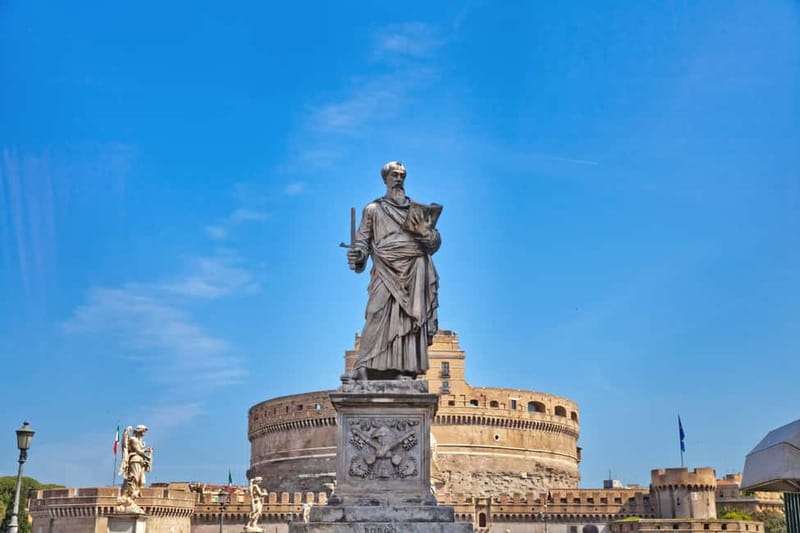
Castel Sant’Angelo is interesting because the same stone building keeps getting repurposed. It starts as an ancient Roman mausoleum, becomes a medieval fortress, and later serves papal needs, all while sitting right on the Tiber River.
I love the way skip-the-line entry cuts down the hassle so you can spend more time inside. I also like that you can add a digital audio guide and wander at your own pace through the museum. One possible drawback: the route includes stairs, so it is not ideal if you have limited mobility.
Key Things to Know Before You Go
- Skip-the-line focus: You go to the main entrance, show your emailed ticket and valid ID, and start.
- Five floors worth of walking: Expect a climb up through the museum and toward a spiral ramp.
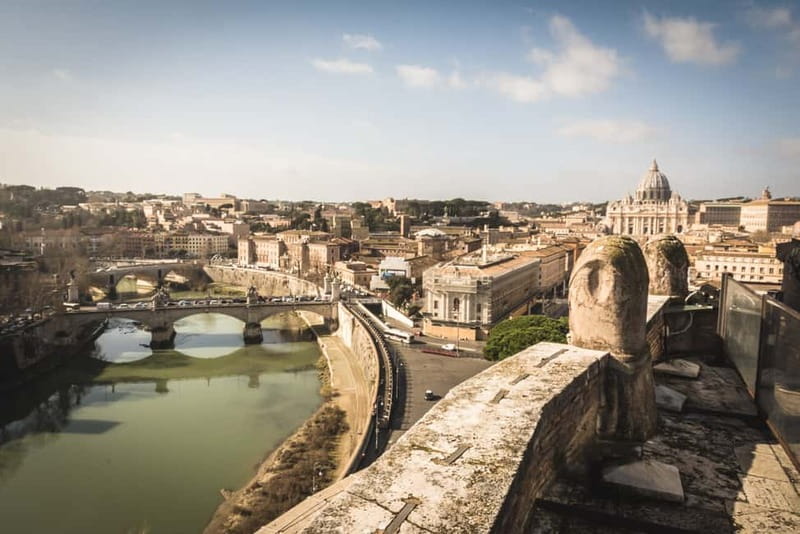
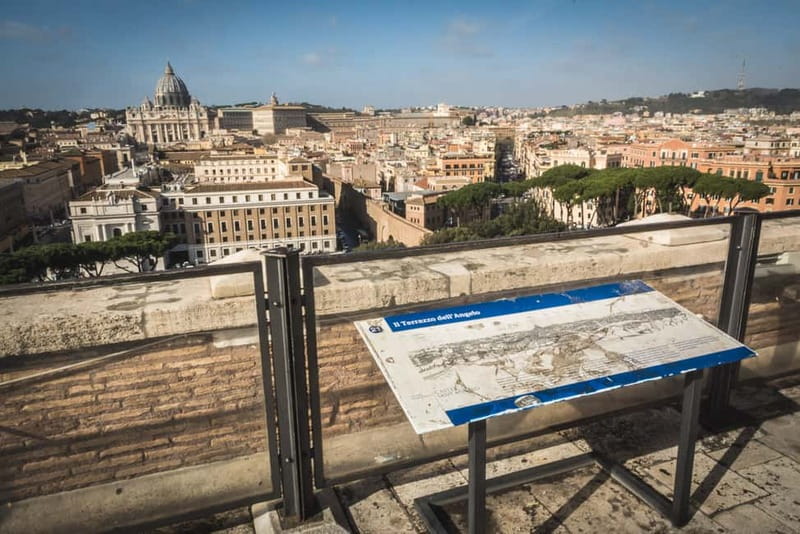
- Big views at the top: The roof terrace lets you spot Vatican City, the Tiber, and the Bridge of Angels.
- Art without a guide: Renaissance and Baroque works and frescoes are part of the museum route, and the audio guide helps you make sense of them.
- Plan for your phone setup: You need a charged smartphone, internet access, and (if you choose it) headphones.
Why Castel Sant’Angelo Feels Worth the Effort
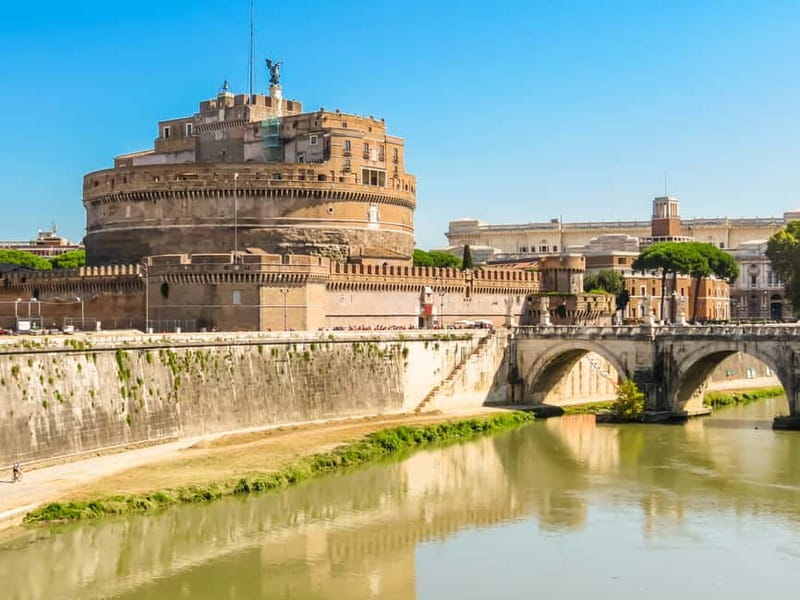
Castel Sant’Angelo is not just a pretty monument. It is a history machine you can walk through. From the first rooms you enter, you get the sense you are moving across Rome time periods in the same building footprint. That is the big reason skip-the-line access matters here. When you lose 45 to 90 minutes to a queue, the whole visit feels rushed.
With this ticket, your goal is simple: get inside fast, then explore the mausoleum museum route at your own tempo. You’ll see how the building changes jobs. You’ll also get to enjoy the terrace viewpoints that make the walk feel practical, not just scenic.
If you like sites where the story is visible in architecture and layout, Castel Sant’Angelo does that well. And if you do not want a formal guided group, this is a nice middle ground: entry plus optional audio, so you control the pace.
More from a Rome stay:
- Colosseum, Roman Forum & Palatine Guided Tour
★ 4.7 · 63,148 reviews - Vatican Museums, Sistine Chapel & St Peter’s Basilica Guided Tour
★ 4.5 · 39,149 reviews - Rome: Colosseum, Palatine Hill and Roman Forum Guided Tour
★ 4.8 · 32,814 reviews
Skip-the-Line Check-In at the Main Entrance (and Why Timing Matters)
Your experience starts at the meeting point listed for the attraction address. For entry, you show the emailed ticket and a valid passport or ID. There is no mention of staff “assistance at the entrance” being included, so think of this as self-guided entry with optional audio, not a full tour escort.
Two timing details matter a lot:
- Your ticket is valid only for the selected date and time slot.
- Late arrivals or no-shows are not accommodated, and refunds are not offered for that.
So I suggest building in buffer time on the day you go. Rome sidewalks can slow you down, and Castel Sant’Angelo’s approach can be easy to miss if you are looking for the wrong entrance.
Also, tickets are delivered by email to the address you use during booking, within 24 hours prior to the activity. That means you should keep your inbox ready and double-check your email before you travel days get busy.
Inside the Mausoleum: Five Floors and a Spiral Ramp Route
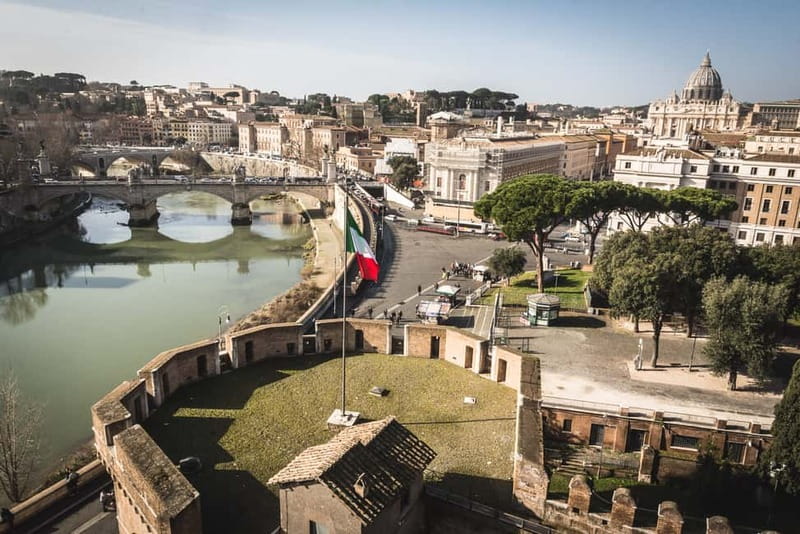
Once you’re in, the museum route is set up so you can keep moving forward. The visit heads through five floors, working you upward along the building’s inner paths. At some point, you’ll find the spiral ramp mentioned as part of the route. That spiral is a practical feature, because it helps you maintain momentum and keeps the experience from turning into a series of backtracks.
From a visitor standpoint, this layout is a good fit for most adults because you can:
- Start at one point, follow the flow, and keep your orientation.
- Take breaks without feeling like you are abandoning a complicated itinerary.
The tradeoff is obvious: you will walk. You’ll climb stairs to reach the panoramic terrace too. So if your plan is “see it all in 20 minutes,” this is not that. A smoother approach is to treat it like a strong 60 to 90 minute museum visit, then add extra time at the viewpoints.
There is also no luggage or large bag allowed. If you arrive with more than a small day bag, you may feel slowed by what you can bring. Wear comfortable shoes and keep your hands free for your phone and audio.
Papal Rooms and Medieval Cells: Seeing the Building’s Identity Shift
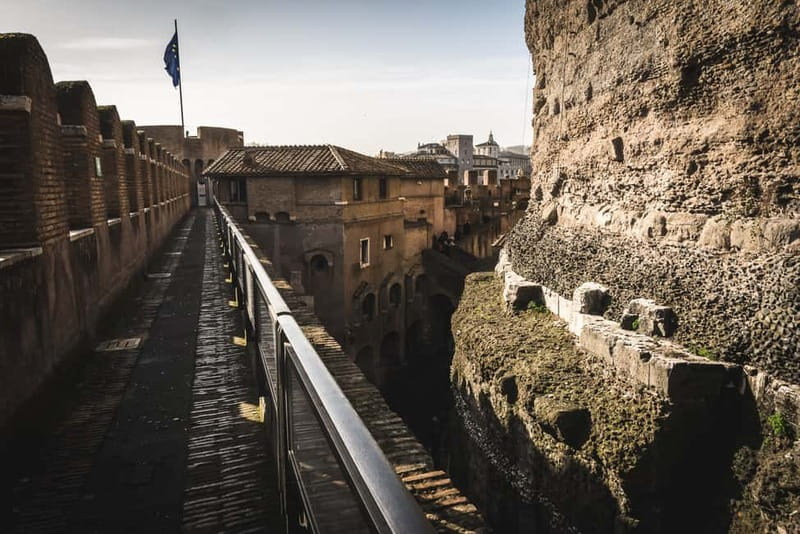
What makes Castel Sant’Angelo click is the way its purpose changes are visible as you go. The museum route specifically takes you toward rooms and areas that served as a Papal residence, plus other spaces that connect to medieval use and confinement.
This is one of the most satisfying parts of doing it on your own. You can linger where something catches your eye. You can also connect the dots without needing a spoken lecture in your ear.
Here is what you’ll encounter as you follow the path:
- Rooms associated with Papal residence
- Cells and other spaces that reflect older, more guarded functions
This “two-in-one” feeling is the value proposition. In other Roman attractions, you might stay in one era the whole time. Here, you see transitions in the same walls. That helps you understand why the place mattered long after the original purpose faded.
If you like architecture clues, focus on the contrast between grandier rooms and tighter, more restrictive spaces. That contrast is part of the story.
More Rome bookings worth a look
- Vatican Museums & Sistine Chapel Skip-the-Line Entry Ticket
★ 4.4 · 13,838 reviews - Skip-the-Line Group Tour of the Vatican, Sistine Chapel & St. Peter’s Basilica
★ 4.5 · 12,779 reviews - Vatican, Sistine Chapel & St. Peter’s Skip-the-Line Tour
★ 4.5 · 7,770 reviews - Skip-the-Line Vatican, Sistine Chapel & St. Peter’s | Small Group
★ 5.0 · 7,060 reviews
Renaissance and Baroque Art Frescoes You Can Make Sense Of
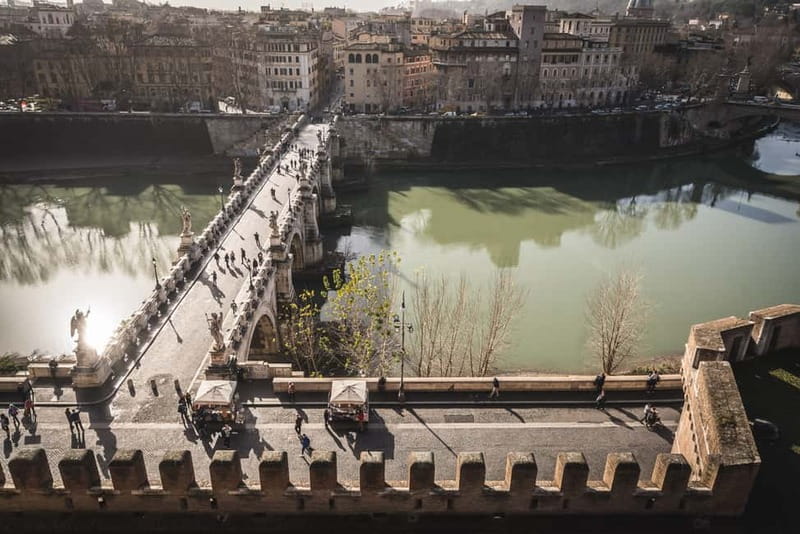
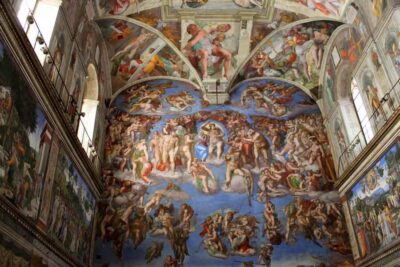
Castel Sant’Angelo is not only about stone and survival. It also holds Renaissance and Baroque art works and frescoes. The museum route is built to let you see that art as you climb through the building.
The key point for you: art here is not the “main event” in the way it is in a dedicated palace museum. Instead, art becomes evidence. It signals when the building’s role shifted into more ceremonial or residential use, including papal settings.
This is where the optional audio guide earns its keep. Without spoken context, frescoes and paintings can feel like pretty walls. With the guide, you can spend your energy on what you are seeing: where it sits in the building’s timeline and why it was placed there.
If you love looking at paintings and want some basic interpretation, pick the audio option. If you prefer pure wandering and reading only what you see onsite, you can still have a great visit, but you’ll get less “why does this matter?” help.
The Chamber of Ashes: A Strange, Powerful Stop
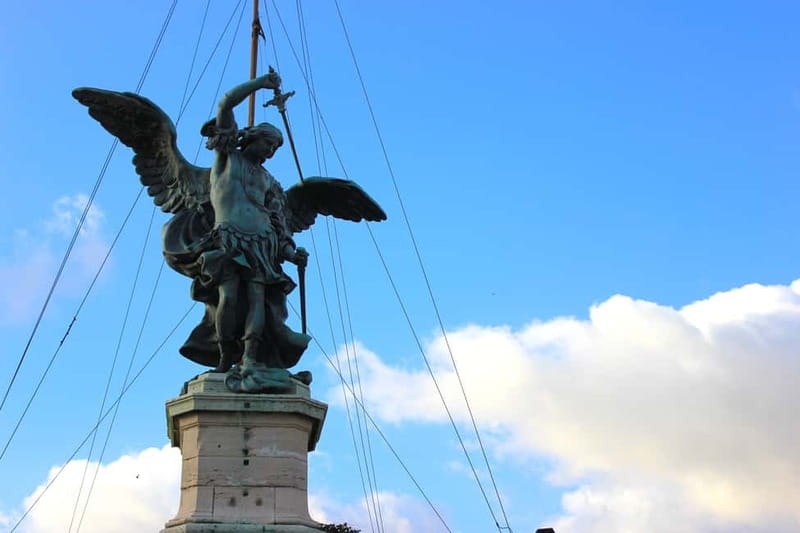
The route includes a chamber of ashes, where you can marvel at remains preserved within the museum setting. This is one of those stops that feels immediately different from the typical “gallery” experience.
Even if you are not a hardcore history person, this room changes your mood for a minute. It turns Castel Sant’Angelo from architecture into something human and unsettling. It also reinforces how a single building can hold layers of meaning, from tomb to fortress to papal world.
You’ll likely want a bit of extra time here because it is the kind of place where you naturally pause. If you have the audio guide, use it during this section. It gives you a steadier frame for what you are looking at, without needing a guide to stand next to you.
This is also a good reminder that Castel Sant’Angelo is not just “nice views.” It’s a museum, and some of the story is heavy. Plan your pacing accordingly.
Roof Terrace Views: How to Spot Vatican City, the Tiber, and the Bridge of Angels
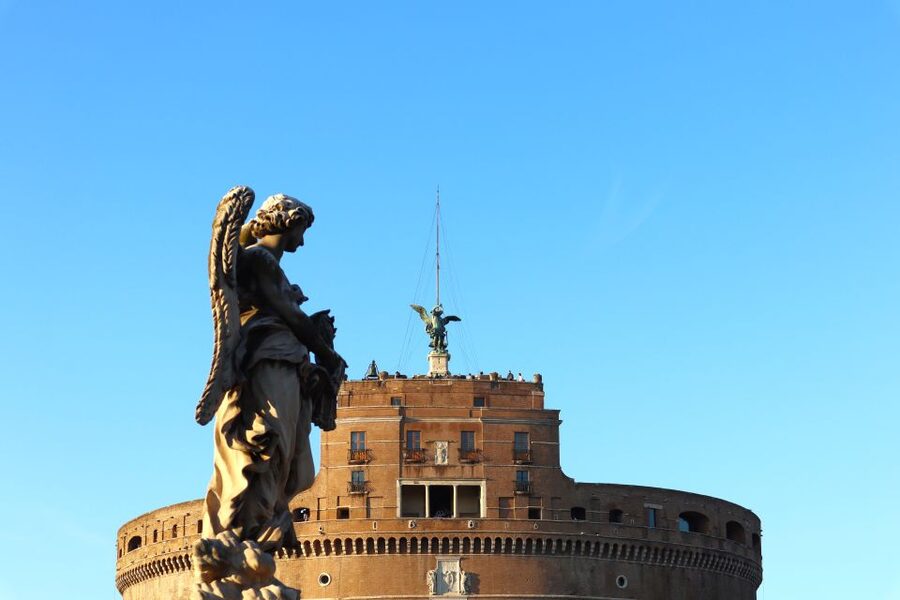
The visit ends at the roof terrace, and it is absolutely the payoff. You climb to get there, but once you’re outside on top, the whole area makes sense.
From the terrace, you can expect panoramic views, with specific landmarks you can spot:
- Vatican City
- The Tiber River
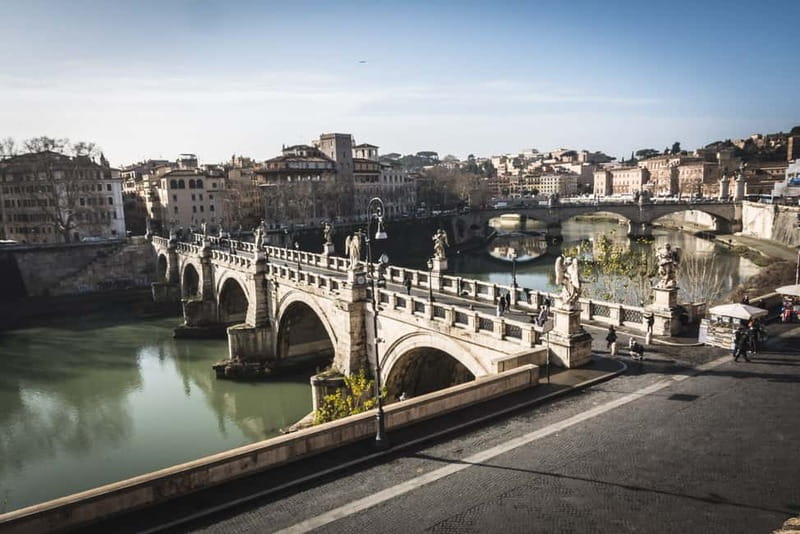
- The Bridge of Angels
This is where the skip-the-line ticket really earns value. When the crowds are thinned out at entry, you get a more relaxed experience upstairs too, especially if you time your visit well.
Practical tip: treat the terrace like a mini “photo session plus pause.” Grab a view, then step back from the rail for a breath and let your eyes travel. The best photos come after you walk a few angles, not just when you stand in one spot.
Also, there can be a bar on the top. That matters because it gives you a place to slow down after the stairs. If you plan a drink or snack, do it after you get your bearings visually, so you do not miss the best angles.
Optional Digital Audio Guide: Languages, App Setup, and What You Need
The ticket can include a digital audio guide if you select the option. The guide languages listed are English, French, Italian, Chinese, German, and Spanish.
What I like about this setup is that it respects your pace. You are not waiting for a group to catch up. You can stop, listen, and move on when you feel ready.
But it does require preparation:
- You must download the application on your smartphone before the tour begins.
- The details to download the app are sent via mail.
- Bring a charged smartphone and internet access.
- Headphones are required for the audio experience.
Also, the ticket does not include staff headsets. So if you forget headphones, you might end up with a quiet walk instead of a guided-style visit.
A smart move: when you arrive, get your audio running early so you are not troubleshooting in the middle of the museum. If you need help setting up the audio guide app, onsite staff can assist, and a staff member named Adrian has been mentioned as being helpful with audio app setup.
Price and Time Value: Is $15 a Person a Smart Use of Your Rome Hours?
At $15 per person, this ticket sits in the “reasonable and practical” zone for a major Roman landmark. The big question is not just price, it is time.
Skip-the-line entry pays you back in two ways:
- You start sooner, so you can actually enjoy the museum instead of rushing through it.
- You reduce the stress of waiting in Rome heat and crowds, which makes the terrace more enjoyable.
Duration is listed as valid for 1 day, but you still use a selected date and time slot. So you get flexibility within your plans while still benefiting from timed entry.
You should also think about what is not included. There is no guided tour, and there are no headsets included. In plain terms, you are buying entry plus optional audio, not a teacher-led experience. If you want a live guide, you may be better off booking a guided tour instead.
Who gets the best value from this ticket:
- Solo travelers and couples
- People who like walking and self-paced exploring
- History, art, and architecture fans who want context but not a group schedule
Who should reconsider:
- Anyone who struggles with stairs or mobility limits
- Anyone traveling with more than a small bag, since luggage or large bags are not allowed
What to Pack and How to Keep the Visit Smooth
This visit is simple, but it is not effortless. Here’s the practical checklist based on the rules:
- Comfortable shoes (stairs and walking)
- Headphones (especially if you choose the audio guide)
- Charged smartphone
- Internet access
- Valid passport or identification for entry
Do not bring:
- Weapons or sharp objects
- Luggage or large bags
One more thing that is easy to miss: you need to provide the complete participant names as stated on your passport during booking. That matters for verification.
If you want to reduce friction, take a screenshot of your ticket email on your phone in addition to having it accessible in email. Also check you have the right date and time slot in your confirmation before you head out.
Who This Ticket Is Best For, and Who Might Want Something Else
If you are the kind of traveler who likes to wander and still learn something useful, this is a good fit. You get the structure of a museum route, plus enough context from the audio guide to make the art, rooms, and historical shifts feel connected.
You’ll also enjoy it if you care about skyline views. The terrace is a big reason people remember Castel Sant’Angelo, and skipping the long entry queue makes that finale feel calmer.
If you want an intimate, spoken narrative from a guide who answers questions on the spot, this ticket may feel too DIY. But if you can handle a phone audio guide, you will likely feel like you got your money’s worth.
Also, if you are traveling with limited time, this format works well because you can plan around a time slot and finish at the terrace without waiting for a group to gather.
Should You Book This Castel Sant’Angelo Skip-the-Line Ticket?
Yes, you should book it if your priority is getting inside quickly and exploring at your own pace. The $15 price works best when you value time, like fewer lines, and want to combine a museum walk with roof terrace views.
I would skip this exact format if you have mobility concerns, because the route is not suitable for wheelchair users and involves stairs. I’d also consider alternative options if you truly want a guided, teacher-led tour rather than audio.
For most people, though, this is one of the more practical ways to see Castel Sant’Angelo without turning your day into a queue marathon. Book your time slot, charge your phone, pack headphones, and plan to end at the terrace with your eyes on Vatican City and the Bridge of Angels.
FAQ
What is included with the Castel Sant’Angelo skip-the-line entry ticket?
You get the Castel Sant’Angelo skip-the-line entry ticket. A digital audio guide is included only if you select the audio guide option.
Is there a guided tour included?
No. This experience is entry plus optional audio, not a guided tour.
Do I need headphones for the optional audio guide?
Yes. Headsets are not included, and the activity notes you should bring headphones.
When will I receive my tickets?
Entry ticket(s) are delivered via email used during booking within 24 hours prior to the activity.
What languages are available for the audio guide?
The audio guide option is available in English, French, Italian, Chinese, German, and Spanish.
What do I need to show at the entrance?
You must show your emailed ticket and a valid passport or identification for the verification process.
Are tickets valid any time during the day?
Tickets are valid only for the selected date and time slot. Late arrivals or no-shows are not accommodated and are not refunded.
Do I need to download anything on my phone?
Yes. You must download the application on your smartphone before the tour begins, and you’ll receive details by mail.
Is this activity suitable for wheelchair users or people with mobility impairments?
No. It is not suitable for people with mobility impairments and is not suitable for wheelchair users.
Are luggage or large bags allowed?
No. Luggage or large bags are not allowed.
Reviewed lately around Rome
- Colosseum, Palatine Hill and Roman Forum with Guided Tour★ 5.0 · 500 reviews
- Exclusive Golf Tour Private VIP with Local & Gelato o Wine★ 5.0 · 500 reviews
- Rome Trastevere Pasta Making Class with Eating Europe★ 5.0 · 505 reviews
- Rome by Night Walking Tour★ 4.5 · 506 reviews
- Rome: Colosseum Express Tour with Forum & Palatine Access★ 4.5 · 511 reviews
- Rome Food Experience Max 6 People Group Tour | w/Private Option★ 5.0 · 516 reviews
- Rome: Papal Audience Experience with Pope Leo XIV★ 4.8 · 518 reviews
- Rome: Navona Square Underground Ticket with Audio Guide★ 4.0 · 518 reviews
Skip the Line, compared.

Skip-The-Line Uffizi Gallery Timed Entry Ticket
Read our review →
Vatican Museums & Sistine Chapel Skip-the-Line Entry Ticket
Read our review →
Skip-the-Line Group Tour of the Vatican, Sistine Chapel & St. Peter’s Basilica
Read our review →
Michelangelo’s David Skip-the-Line Entry Ticket
Read our review →
Vatican Museums & Sistine Chapel Skip-The-Line Ticket
Read our review →
Vatican, Sistine Chapel & St. Peter’s Skip-the-Line Tour
Read our review →
Skip-the-Line Vatican, Sistine Chapel & St. Peter’s | Small Group
Read our review →