
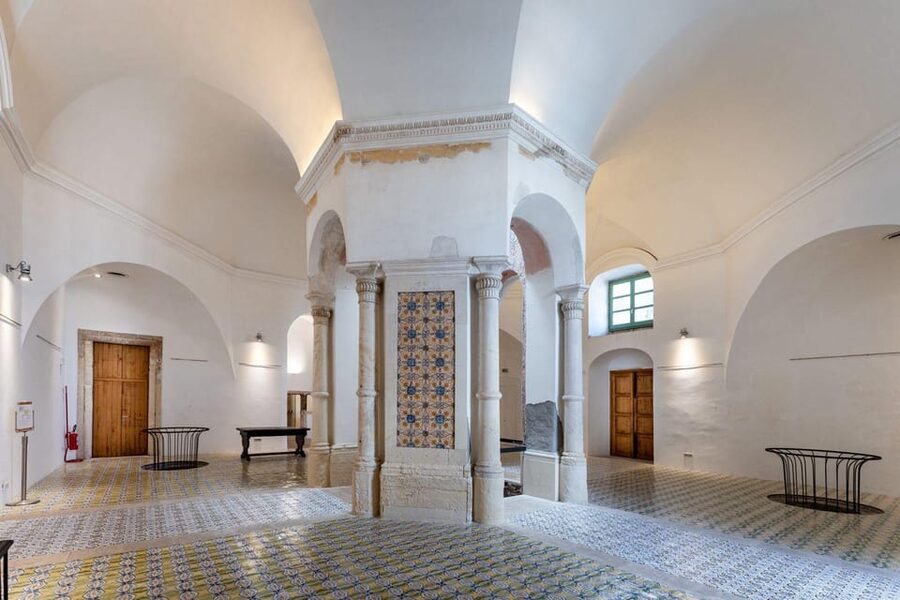
Reviewed · CATANIA TOURS
Benedictine Monastery of Catania – English Guided Tour
This English-guided stop is interesting because the Benedictine Monastery of San Nicolò l’Arena in Catania works like a time capsule, layering Roman traces, Baroque grandeur, and today’s university life in one complex. I love two things in particular: the two cloisters that show how grand the monastery was, and the lava-rooted spaces tied to centuries of monastic power and daily routine.
The only real downside is pace. At 75 minutes, you’ll see a lot, so if you like slow wandering, you may want to plan extra time after the tour to linger.
Key things you’ll notice on this tour
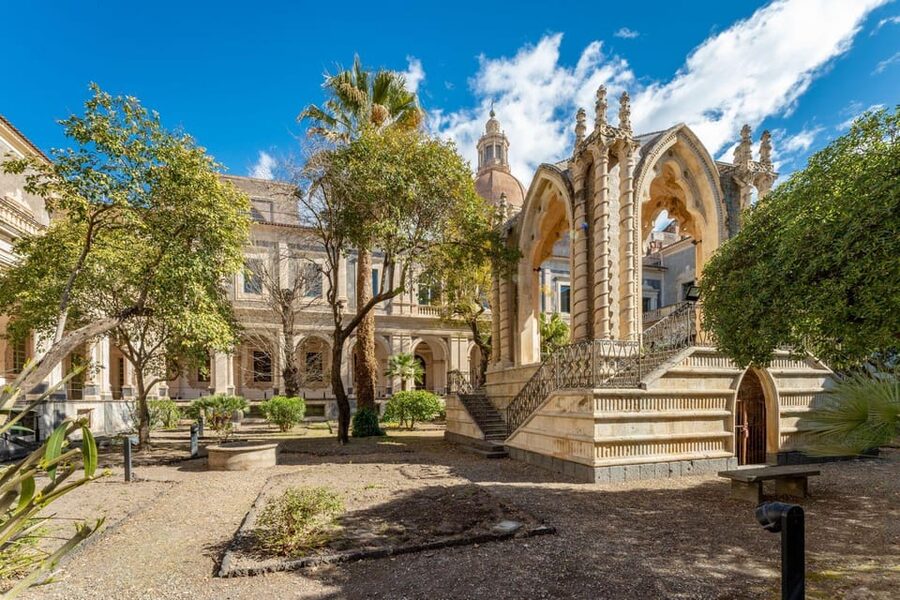
- Two cloisters that immediately show the monastery’s scale and design thinking
- A cellar built on lava, now part of the library story
- Roman houses under modern student spaces, visible through the site’s updated layout
- The famous 18th-century kitchens and cellars, where money and logistics mattered
- A restoration that ran for 30+ years, shaping what you can visit today
Entering the Benedictine world at San Nicolò l’Arena
You start at the Benedictine Monastery of San Nicolò l’Arena, in a place that feels bigger than its first impression. Catania can lure you into a quick street-walk mindset, but this site asks you to slow down and look up and down at the same time. You are not just visiting a church-like building. You’re stepping into a complex that has been rebuilt, reused, and reinterpreted for modern needs.
One reason this tour is so satisfying is the mix of old and new. The monastery is famous for late Baroque architecture and monastic wealth, but it is also now tied to university life and a working library. That combination matters. A guided format helps you connect what you see, why it was built, and how the building’s later reuse changed what it feels like to visitors.
And the guides make a real difference here. When you hear Carmen, Giovanni, or Nicola talk about the site, you get a sense for how the story is told with clarity and humor, not a lecture voice.
More from a Catania stay:
- Catania: Mount Etna Morning or Sunset Day Trip with Tasting
★ 4.8 · 4,028 reviews - Catania: Sunset Jeep Tour of Mount Etna and Lava Flow Caves
★ 4.8 · 2,113 reviews - Sicily: Etna and Alcantara Gorges Full-Day Tour with Lunch
★ 4.8 · 1,766 reviews
Meeting at Piazza Dante, then getting inside the spaces you actually want
The meeting point is practical and easy to find. As soon as you pass the main gate on Piazza Dante, the info point is in the courtyard on the right. The tour includes baggage storage at the meeting point, which is genuinely useful in Catania if you’re carrying a day bag or shopping.
You’ll also get access to areas that aren’t normally open. That is one of the best value angles of the tour. If you visit on your own, you may see the “public face” of the complex. On this guided route, you get permission to step into more of the monastery’s inner logic, including spaces that show how the whole operation worked.
You can also skip the ticket line. That matters when your time in Catania is limited, or when queues make plans feel more stressful than they should.
Two cloisters and the Baroque sense of power
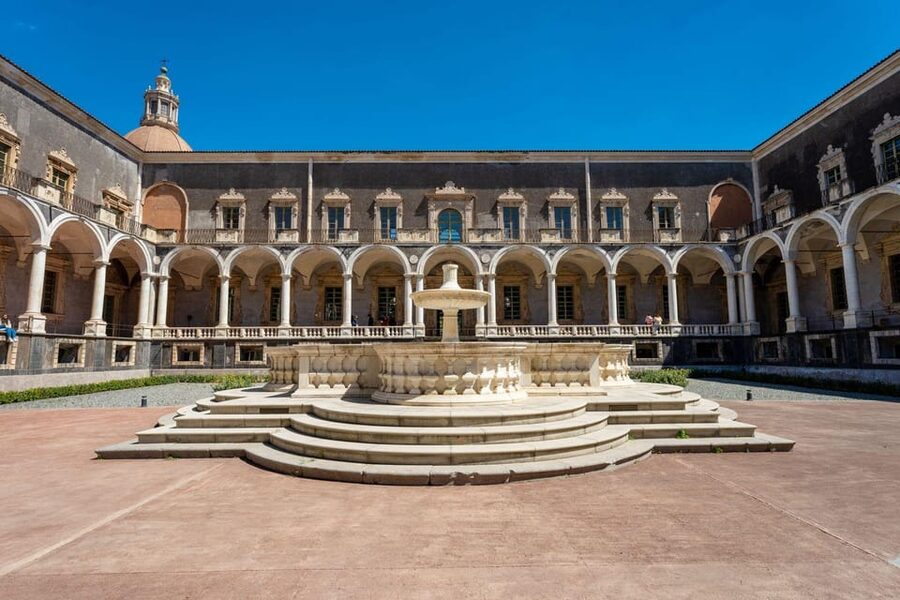
Cloisters sound simple in guidebooks, but in a monastery this large, they quickly become emotional architecture. You see how courtyards, arcades, and sightlines create a rhythm for daily life. Cloisters were not just pretty spaces. They were practical tools for movement, privacy, and controlled access between different parts of the monastery.
On this tour, the fact that you visit the site’s main cloisters is key. The two cloisters you’re guided through help you understand that the monastery was built to function at scale. You start to grasp why the Benedictines could operate with serious wealth, and why their buildings can feel both spiritual and administrative.
Look closely at how light behaves in these courtyards. Baroque design often aims for drama, but cloisters often aim for order. The guide’s commentary helps you see which parts were meant to impress visitors, and which were meant to support daily routines.
The monumental staircase and labyrinthine corridors
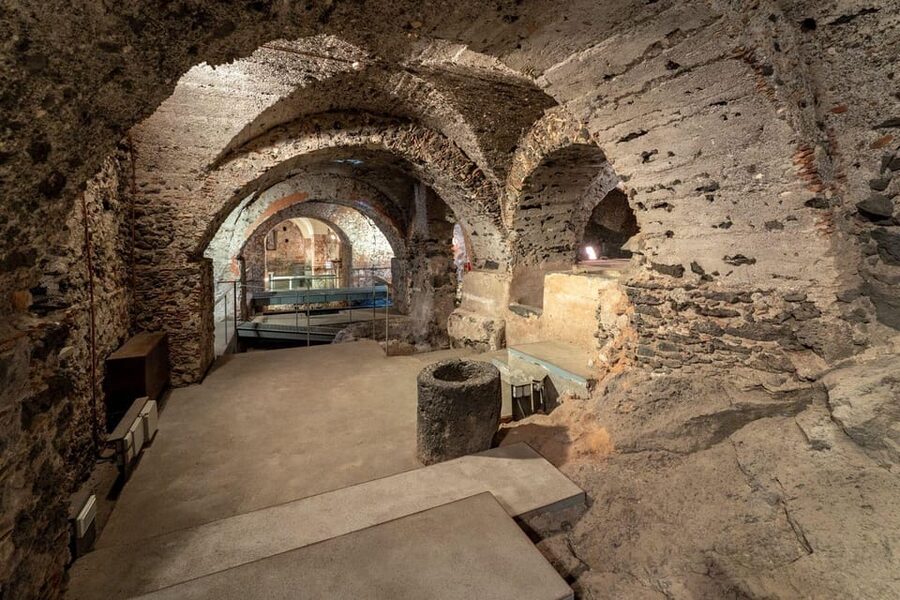
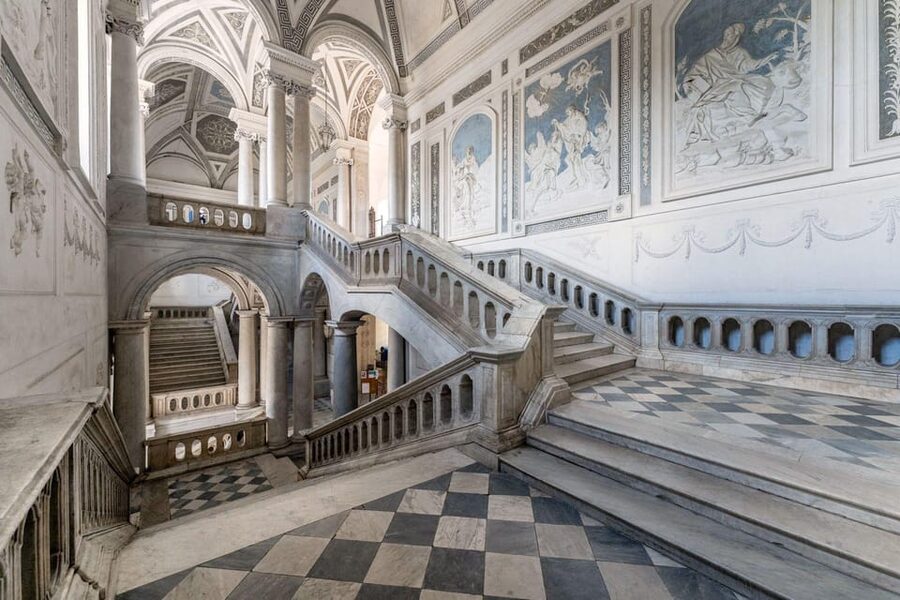
After the cloisters, the tour pushes you into corridors and connecting spaces. This is where the monastery stops feeling like a set of rooms and starts feeling like a system. The corridors can feel labyrinthine, but that can be a good thing. It reinforces how the building was designed for an organized flow of people and tasks.
The monumental staircase is a highlight because it makes the scale undeniable. Stairs in historic complexes are never just about getting up. They signal status, movement patterns, and how spaces relate to one another. When a guide points out the reasoning behind what you see, the staircase becomes a map.
One practical note: this isn’t a sit-down tour. You’re walking through older stone spaces and changing areas as the story shifts from one era to the next. Wear comfortable shoes.
More Catania bookings worth a look
- Catania: Mount Etna Adventurous Tour with a Volcano Guide
★ 4.7 · 736 reviews - Catania: Heart of the City Guided Walking Tour
★ 4.6 · 708 reviews - Catania: Underground Catania Tickets and Guided Tour
★ 4.6 · 536 reviews - ETNA SUNSET: GUIDED TOUR OF ETNA WITH PICKUP FROM CATANIA
★ 5.0 · 371 reviews
Novices’ garden, dining rooms, and the lived-in side of monastic life
Monastery tours often focus on grand architecture, but this one includes elements that hint at daily life. The Garden of the Novices, the dining rooms, and the kitchen areas help you picture what life actually meant inside the walls.
The novices’ garden adds a human layer. It’s a reminder that training and community were part of the system, not just worship. When you stand in a garden space inside a major monastery, you understand how weather, growing seasons, and routine supported the whole operation.
Dining rooms and kitchen areas bring it back to practical matters: food, scheduling, labor, and storage. Even if you’re not a food-history person, the inclusion of these rooms works because it grounds the architecture. You start connecting wealth to logistics. Big religious institutions weren’t only spiritual centers. They were also well-run households.
The 18th-century kitchens, cellars, and what Benedictine wealth looks like
The monastery’s famous 18th-century kitchens and cellars are a standout for many reasons. First, kitchens and cellars are where money becomes physical. Space for cooking, storage, and processing takes planning. Materials and design show what the institution expected to handle.
Second, kitchens and cellars change your perspective quickly. Instead of just admiring art and stonework, you’re seeing how the monastery worked day-to-day. When the guide talks about the Benedictine order’s wealth and how restoration uncovered or preserved these spaces, the whole place makes more sense.
Also, cellars often keep cooler temperatures than public rooms. If you’re visiting in warm months, this is a real comfort factor, and it’s exactly the kind of break you want after hours in Catania streets.
The Roman houses under the modern mezzanine
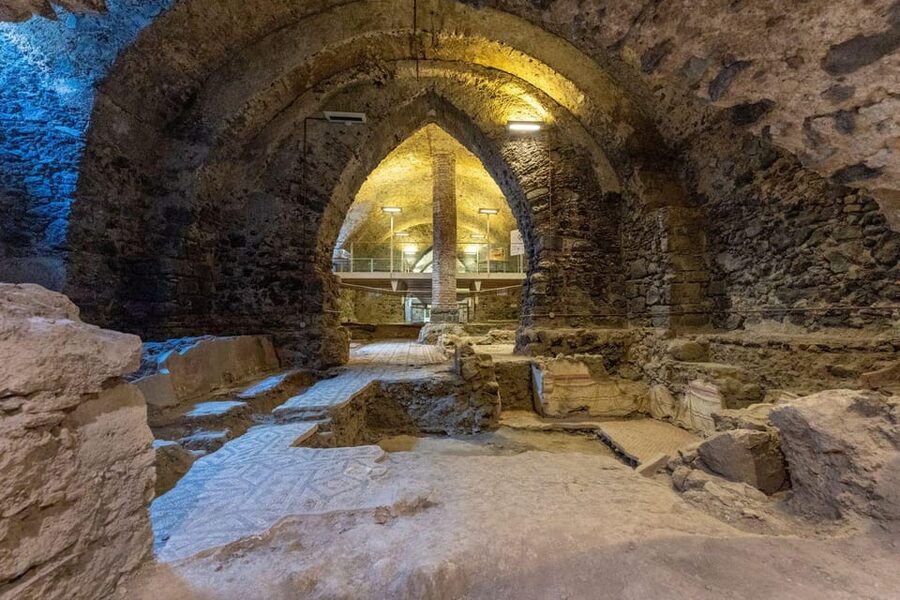
One of the most interesting concepts here is the way the Roman layer still shows through. You continue to the Roman House that is visible right under a modern mezzanine used by students as part of the library.
That is such a powerful idea because it changes what you think you are looking at. You’re not only visiting a monastery. You’re seeing how different eras stack on top of each other in Catania. Beneath later construction, Roman architecture can still be legible if the right spaces are preserved and made visible.
The guide’s walk through this area helps you understand that what you’re seeing is not random ruins. It’s part of a long urban story, where later builders reused, built over, and transformed earlier structures rather than wiping everything clean.
If you love archaeology and urban history, this stop is a great reason to pick a guided format instead of relying on general signage.
Library spaces in the 16th-century cellar, and why this matters today
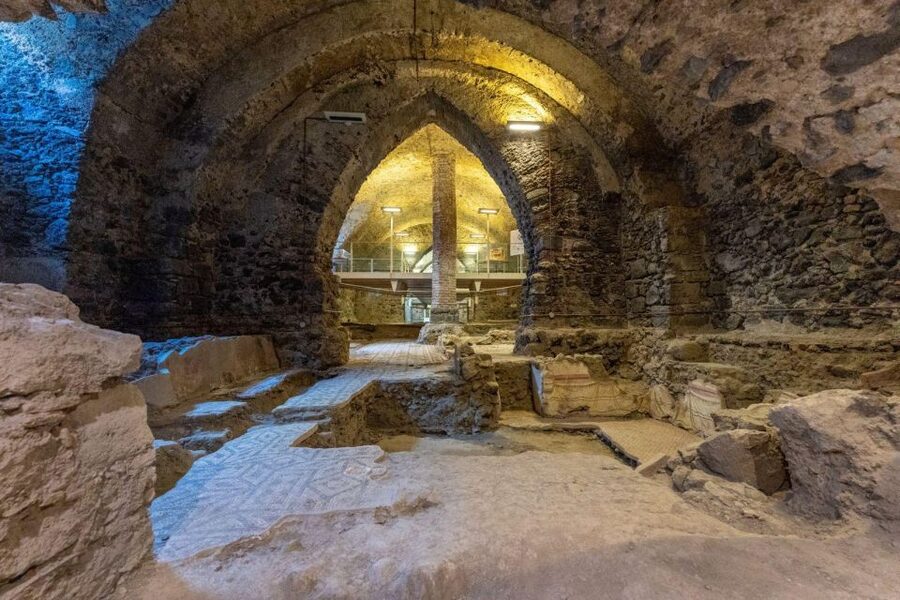
This tour includes one of Sicily’s most important libraries, and it’s not just a quick look. A key feature is the 16th-century cellar area now used as library space tied to the Department of Humanities (University of Catania).
This is the part of the tour that turns the site into something modern and usable. You see how heritage is not always frozen in time. In this case, an older and darker space becomes a learning environment. That can feel surprisingly fitting. Cellars were built for storage and stability. A library, at its best, also depends on controlled conditions and long-term preservation.
The guide connects the dots between architecture and purpose. You’re not just looking at shelves, you’re seeing how a structure from the past got adapted without erasing what makes it distinctive.
Vaccarini, De Carlo, and why restoration took more than 30 years
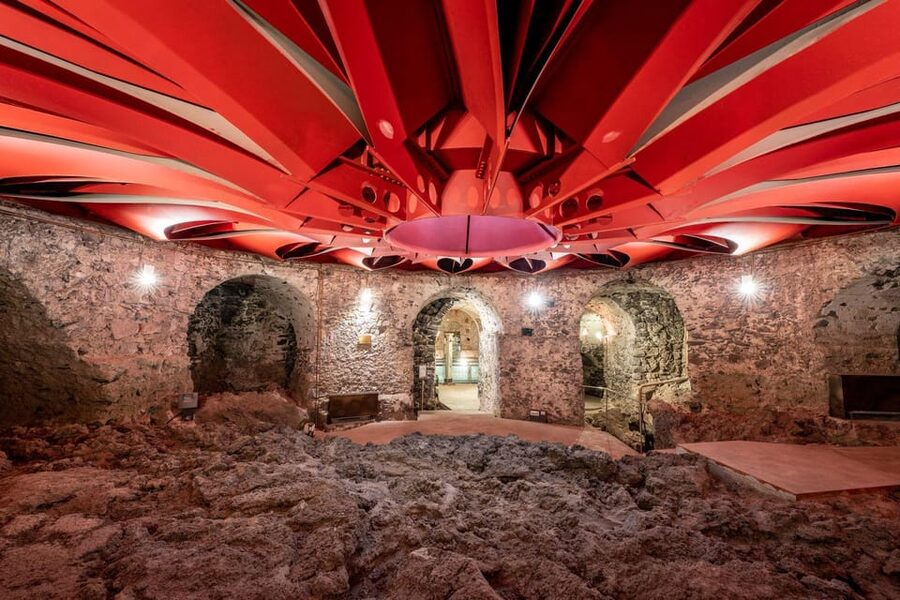
The monastery’s story isn’t only ancient. It’s also about conservation, and the tour explains that the restoration lasted more than 30 years. That detail matters because restoration is where you see the choices behind what survives and what visitors can access.
You also hear about architect Vaccarini and how the building’s design belongs to the late Baroque world. Then the tour brings in contemporary refurbishment, credited to architect Giancarlo De Carlo. In other words, the monastery is not presented as a finished relic. It’s presented as a collaboration between centuries.
When you understand that restoration took decades, you stop asking why everything doesn’t feel brand new. Instead, you start to notice what was carefully preserved, what was opened for visitors, and what was adapted for university needs.
What the 75 minutes feels like, and who it suits best
At 75 minutes, this is a short commitment with a big payoff. You can fit it between morning sightseeing and a late lunch. You also get a guided route through multiple “zones” of the monastery, so you’re not spending your energy figuring out where to go next.
This tour suits you if:
- You want to see major architecture without spending a half-day lost on your own
- You enjoy historic buildings that are still active today
- You like the story of one place across many eras, Roman to Baroque to modern university life
- You want access to areas that you probably would not find open without help
It may not suit you if you want long, silent looking time in each room. The tour is designed for movement and context. You’ll get a lot of interpretation in a compact schedule.
Price and value in Catania terms
The price is $11 per person for an English live guided tour lasting 75 minutes. That’s strong value for three reasons.
First, you’re paying for guidance inside a complex building. Monasteries like this reward explanation. The difference between walking through and understanding what you’re seeing can be huge.
Second, the tour includes access to parts that are not normally accessible. That kind of access is often what costs the most when it exists.
Third, you get skip-the-ticket-line handling and baggage storage. Those practical extras sound small, but they reduce friction when you’re sightseeing in a busy city.
If your budget is tight, this is one of the easier ways to buy a high-impact cultural experience without feeling like you’re overspending.
Small tips that help you enjoy it more
A few practical choices can make your hour-and-change smoother:
- Bring a small bottle of water. Even indoor tours have a lot of walking and stops.
- Expect a steady walking route with turns through older spaces.
- If you’re traveling with someone who hates tight spaces, let your guide know. You might find your pacing adjusted.
- If English is not your strongest language, translations can be provided in French or Spanish, based on the tour details.
And keep an eye out for the site’s shop. Some visitors note nice souvenirs there, so it’s worth a quick look if you like bringing home a tangible memory of your stop.
Should you book this Benedictine Monastery of Catania English tour?
Book it if you want a compact, high-value way to understand why this monastery is one of the most important historic sites in Catania. You’re getting Baroque architecture, monastic daily-life spaces like kitchens and dining rooms, and a rare bonus layer with Roman houses visible under modern student areas.
Skip it only if you prefer to wander without structure and you’re happy with general access areas. In most cases, the guided component is what turns the building from impressive to truly understandable. For $11, it’s an easy recommendation for anyone who wants more than surface sightseeing in Sicily.
FAQ
How long is the Benedictine Monastery of Catania English guided tour?
The tour lasts 75 minutes.
Where does the tour start and where is the meeting point?
The tour starts at the Benedictine Monastery of San Nicolò l’Arena. The meeting point is the info point in the courtyard on the right as soon as you pass the main gate on Piazza Dante.
Is the tour in English?
Yes, the tour is guided in English.
Can the tour provide translations if English is not my main language?
Yes. Written translations in French or Spanish can be provided if English is not your main language.
Is the tour wheelchair accessible?
Yes, it is wheelchair accessible.
What does the tour include?
It includes access to the monastery, including parts that are not normally accessible, plus a live English guide. Baggage storage is also included at the meeting point.
Which areas will I see during the tour?
You will visit key areas such as the cloisters, kitchen, novices’ garden, dining rooms, one of Sicily’s important libraries, and the cellar built on lava, along with Roman houses visible under a modern mezzanine.
Do I need to buy tickets or wait in line?
You can skip the ticket line.
What if my plans change?
You can cancel up to 24 hours in advance for a full refund. You can also reserve now and pay later to keep your plans flexible.
Reviewed lately around Catania
- Catania: Etna Nature Tour with Hiking, Cave Visit, & Tasting★ 4.7 · 502 reviews
- Etna Tour in 4×4★ 5.0 · 583 reviews
- From Catania: Mount Etna Sunset Tour with Tasting and Cave★ 4.7 · 1,119 reviews
- Mt. Etna and Taormina village full day tour from Catania★ 5.0 · 1,155 reviews
- Catania: Mount Etna Morning or Sunset Day Trip with Tasting★ 4.8 · 4,028 reviews
- From Taormina, Naxos, & Letojanni: Mount Etna Half-Day Trip★ 4.9 · 296 reviews
- From Catania: Taormina, Savoca, & Castelmola Tour w/ Lunch★ 4.8 · 355 reviews
- Catania: Valley of the Temples and Turkish Steps with Snack★ 4.5 · 346 reviews
Catania Tours, compared.

Mount Etna Morning or Sunset Day Trip with Tasting
Read our review →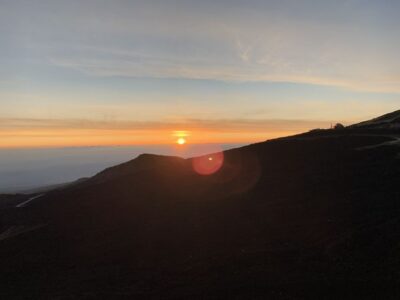
Sunset Jeep Tour of Mount Etna and Lava Flow Caves
Read our review →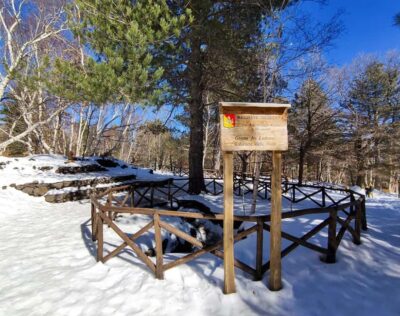
Etna and Alcantara Gorges Full-Day Tour with Lunch
Read our review →
Mt. Etna and Taormina village full day tour from Catania
Read our review →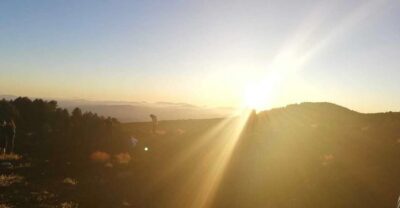
Amazing Etna Morning Tour with Pickup and Drop-Off
Read our review →Browse the lists this tour appears in