
Reviewed · MOUNT ETNA TOURS
Etna: Craters of the 2002 Eruption Trekking Experience
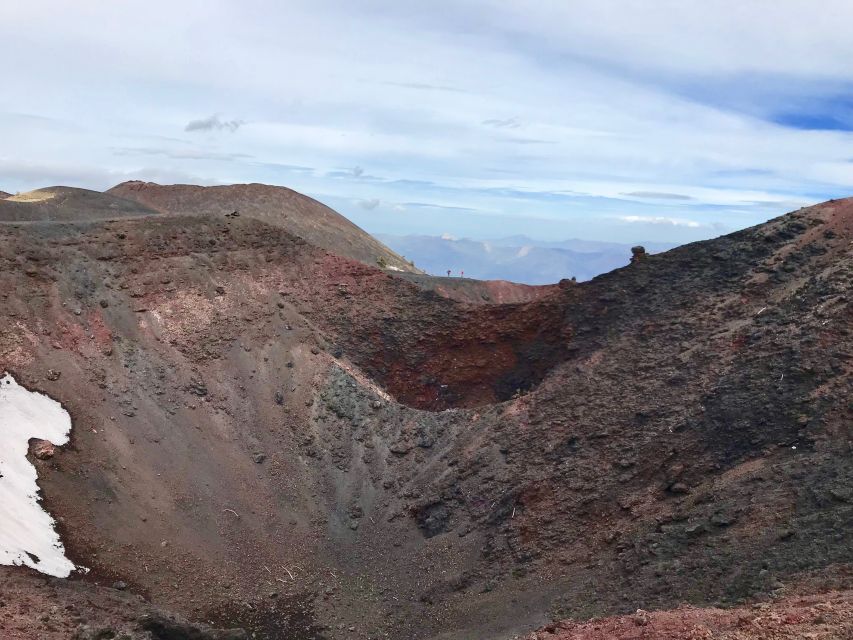
Etna’s north side feels special because you walk right through the evidence of a real, recent eruption. I love how this 3-hour route takes you to the crater area tied to the 2002 eruption, and I love the wide-angle view that reaches toward the Calabrian Coast from the eruptive theater. One drawback to plan for: the volcanic ground can be uneven and the route can be tiring, especially if the weather turns windy.
A big part of the payoff is the guide. Names like Daniele, Davide, Vincenzo, and Niko come up often for a reason, they mix clear explanations with good energy, and you end up feeling like you understand what you are seeing, not just passing by it. If you are sensitive to heights or dizziness, take the crater-edge portion seriously.
Quick hits you should care about
- 2002 eruption craters are the main theme, with a route that follows the north-side scars
- Calabrian Coast views show up from the eruptive theater, weather and timing permitting
- Forest, lava streams, and eruptive fractures keep the walk visually varied
- Hornitos on cinder cones give you small, learnable structures to focus on
- Hotel dell Betulle ruins are a rare fixed point from the 2002 lava flow
- Most people keep it moving, but you still need medium hiking ability and good shoes
The north side of Etna: why this trek feels different
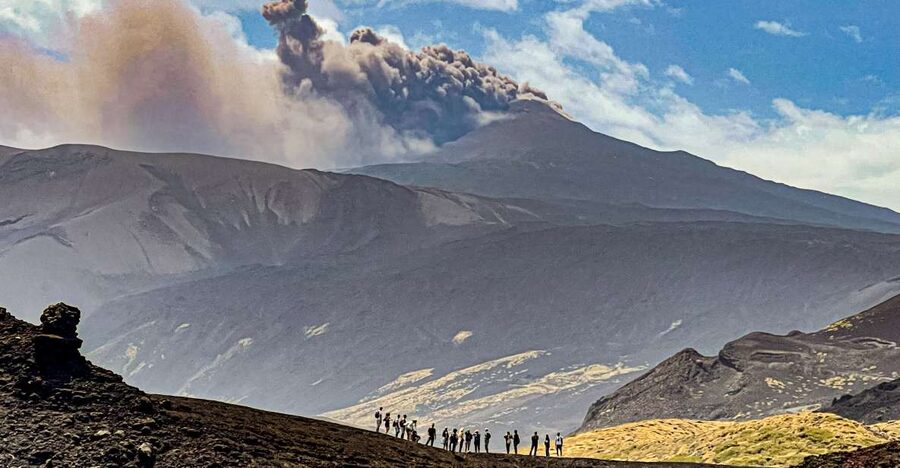
The most powerful thing about this walk is that it stays human-scaled while still delivering a major volcanic story. You are not just looking at Etna from a viewpoint. You are walking through the terrain created by eruptions, then learning how the shapes formed.
On Etna, the north side often feels calmer than the most crowded zones. That matters because you can actually study details, like fissures and channels, rather than racing through a photo line. The route also includes a forest section, so it is not all raw rock all the time.
If you like learning in the field, this trek is set up well. You move from one volcanic feature to the next, with time to stop, look, and connect the dots.
More of Etna:
- Catania: Mount Etna Morning or Sunset Day Trip with Tasting
★ 4.8 · 4,028 reviews - Mount Etna: Guided Volcano Summit Hiking Tour with Cable Car
★ 4.7 · 3,784 reviews - Catania: Sunset Jeep Tour of Mount Etna and Lava Flow Caves
★ 4.8 · 2,113 reviews
Meeting at Chiosco Bar Mareneve, then toward Piano Provenzana
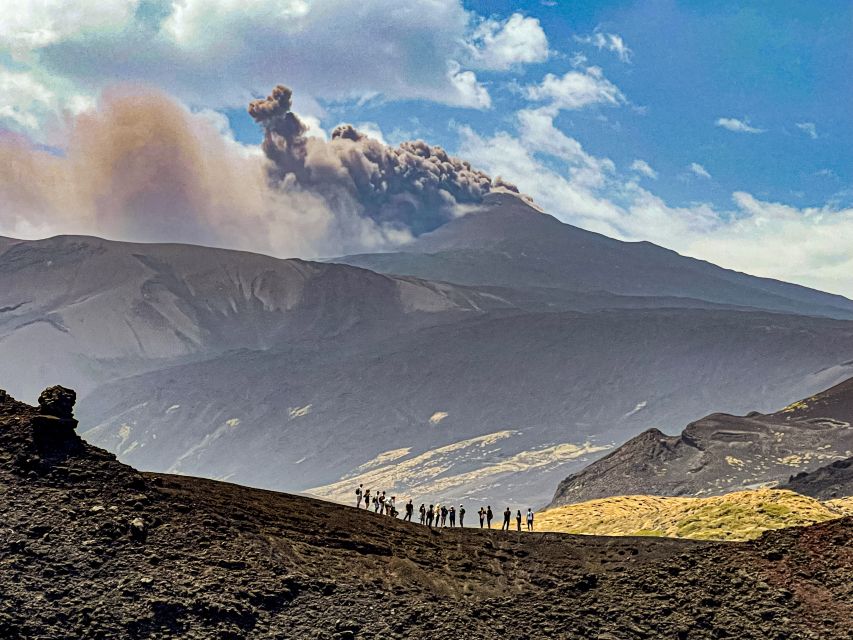
You meet at Chiosco Bar Mareneve, not the Chiosco Bar Etna Nord. The correct spot is near the winter chairlift, and it is the second house of four in the parking lot. Arrive on time so the group can sort shoes and daypacks before walking begins.
The hike starts along a dirt road connected to the area of Piano Provenzana, heading up toward the summit craters. Expect an ascent early on, then a rhythm of walking plus guide explanations. The full duration is about 3 hours, but your actual time on trail can shift with the group pace.
There is also a 3 euro parking ticket, paid after the excursion for the whole day. It is a small add-on, but it is worth keeping in mind when you budget.
Hotel dell Betulle ruins: the one structure left from the 2002 lava flow
One of the stops you should picture in your head before you arrive is the Hotel dell Betulle ruins. This is described as the only visible structure standing from the 2002 lava flow. That detail is powerful because it gives you a fixed landmark in a sea of volcanic change.
As you walk up, you are not only seeing new rock and old ash. You are learning how eruptions behave, how lava moves, and why some things survive in a landscape that otherwise looks wiped clean. The guide’s job here is to translate the shapes into processes, and this stop is a natural “anchor point” for that.
A practical note: ruins can mean uneven ground around them. Go slow here, especially if the soil feels crumbly or unstable in spots.
Forest paths, lava streams, eruptive fractures, and the “why” behind the shapes
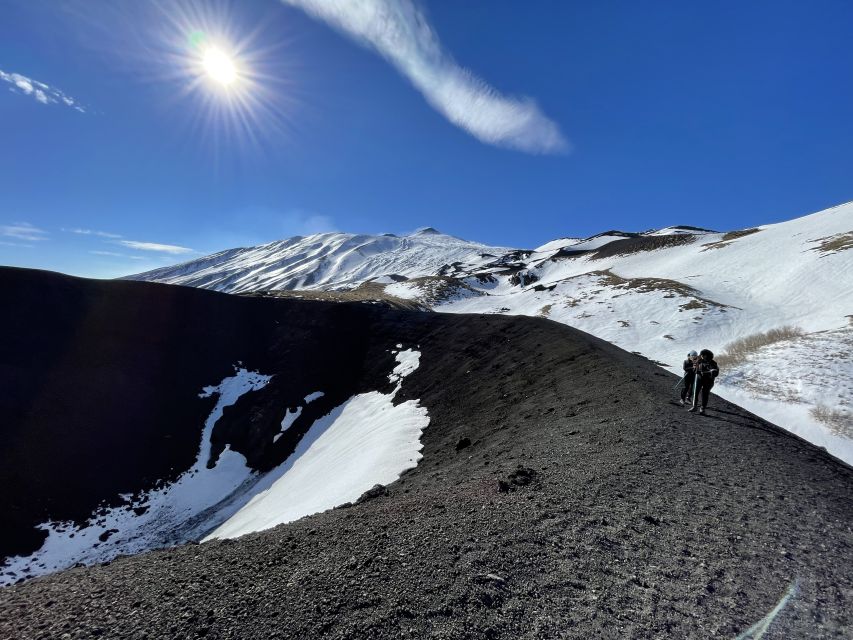
After the dirt-road start, the trek moves through a mix of volcanic environments: forest stretches, lava streams, and areas with eruptive fractures. This variety is not random. It matches the idea that eruptions happen in phases, leaving different forms behind.
You will also spend time studying volcanic morphologies, meaning the physical shapes created by eruptions over time. The north side shows evidence of multiple eruption events, not just one moment. That is why the guide keeps talking in terms of sequence, threat areas, and how the mountain’s activity reshaped the region.
There is a particular focus on flank eruptions and the most recent one that threatened the city of Linguaglossa. You do not need to know the geography ahead of time, but it helps to listen when your guide points out how the terrain you see connects to that real-world impact. It turns the hike from sightseeing into context.
More hikes around Mount Etna:
- Mount Etna: Trek to 3000m with cable car and jeep
★ 4.7 · 1,978 reviews - Mount Etna: Summit Crater Trek with Cable Car
★ 4.8 · 1,875 reviews - Etna Volcano: South Side Guided Summit Hike
★ 4.7 · 1,545 reviews - Catania: Mount Etna Trekking Trip off the Tourist Path
★ 4.9 · 1,351 reviews
Hornitos on the cinder cones: a small feature with a big learning payoff
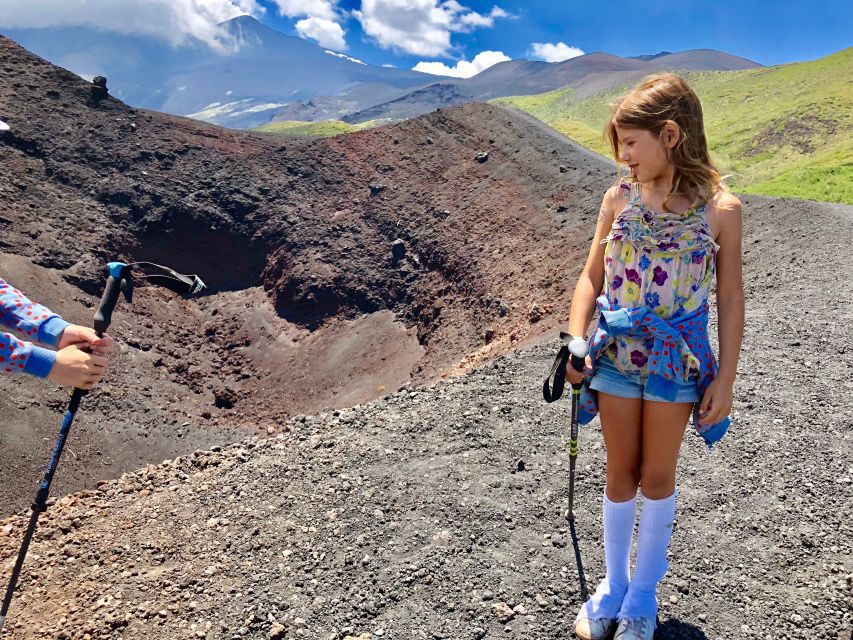
One of the most “stick in your brain” parts of the trek is visiting the structures called Hornitos. The word is explained as meaning small over, and the hornitos are described as small features you can study as you go up along cinder cones.
This is a good moment to slow down and look. Hornitos are not just a random rocky mound. They are a visual clue that helps explain how gas and magma interacted, and how certain eruptions can build small, repeatable structures.
If you like hands-on learning, this is where you will feel the guide’s value. You are not only walking. You are looking at a specific object, then learning what it implies.
Summit crater edge views, plus the sandy-channel descent
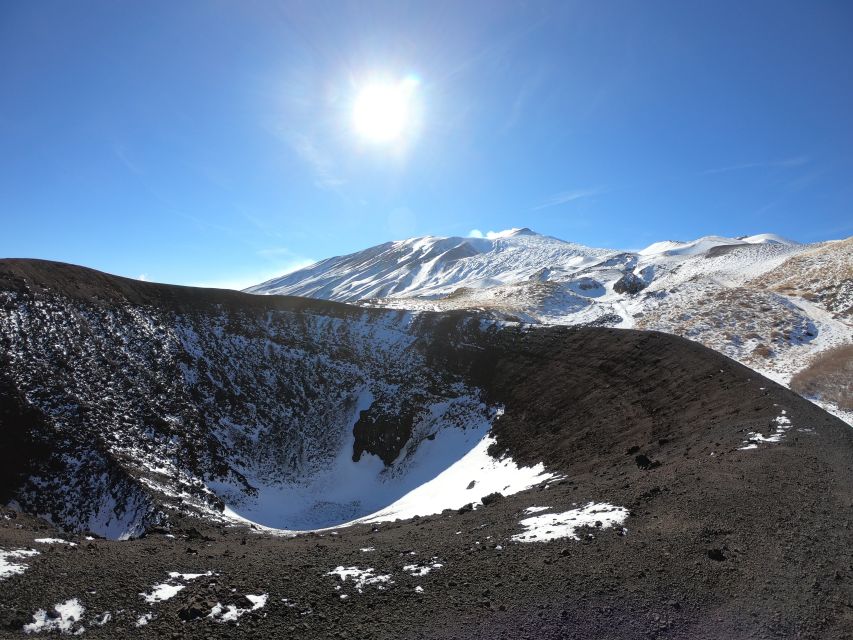
At the summit area, you get the dramatic part: looking over the edge of the craters. This is a real highlight, especially when the weather cooperates. From here, the view is part science class and part wow.
You should also take seriously the note that walking along crater edges may cause dizziness for susceptible individuals. If you get lightheaded on heights, or if you already know you struggle with vertigo, this trek may not be the right fit.
The descent is also described in a very specific way. You go down inside a sandy channel to return to the starting point. That detail matters because it means your footing can feel different from the flatter ground earlier in the walk.
So keep your pace controlled. This is a trek where balance and shoe grip matter more than speed.
Guides make or break it: what I’d watch for on this trek
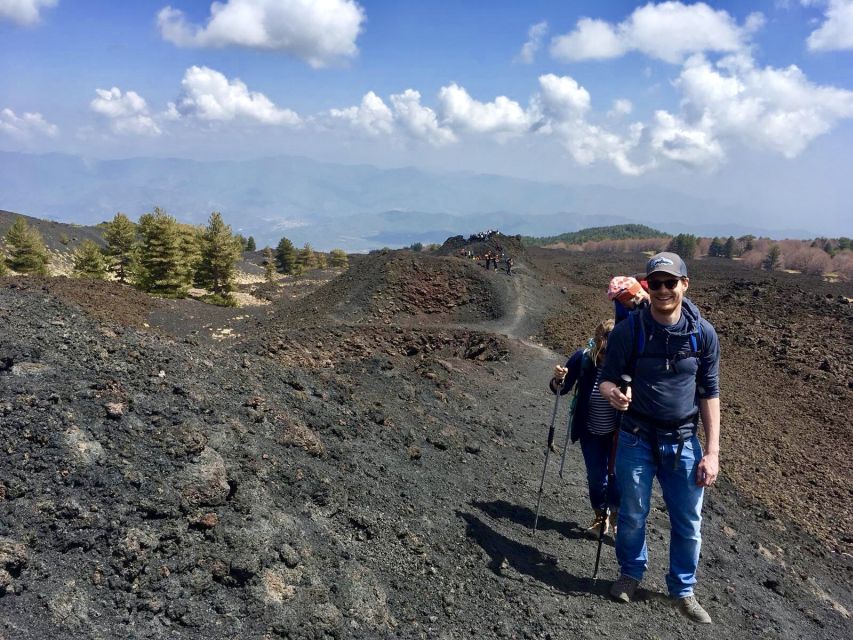
This type of hike rises or falls on the guide, and the guides associated with this route have a strong track record. Daniele, Davide, Vincenzo, and Niko show up repeatedly in the information you can use to choose confidence.
What stands out most is how the guide teaches. Several guides are described as mixing scientific info with humor, and they also help you feel safe with solid route knowledge. You may even see guides sharing personal videos and pictures from the eruption as they walk, which can help connect the present terrain to past events.
Another repeated theme is staying organized with pauses. People in the group can vary in pace, so having a guide who keeps explanations clear while still moving matters. The route is described as educational and suitable for everyone, but the trek is also reserved for hikers with medium training.
If you are worried about safety, listen for how the guide handles unstable volcanic soil. They should manage where you step and how you move near crater-edge areas.
Price and value: what $41 buys you, and what might cost extra
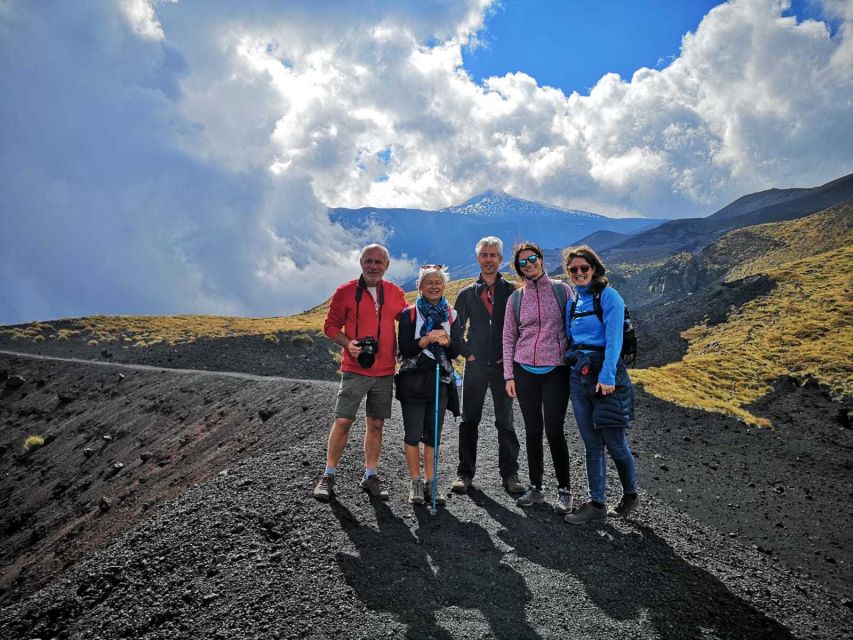
At $41 per person for about 3 hours, this is reasonably priced for a guided volcanic experience with an official volcano guide and insurance in case of accidents. The value is not just the guide. It is also the fact that you get an educational route tailored to a specific eruption story, with stops that you would struggle to interpret on your own.
That said, a fair bit is not included, and you should budget for it if you need gear. Trekking sticks are not included. Parking is 3 euros paid after. Snacks and bottled water are not included, so plan to bring your own.
Also check footwear needs. Trekking shoes are not included, but you can rent them at authorized rentals on the spot for 5 euros per pair. Insurance coverage depends on having adequate shoes, so do not gamble on sneakers if the tour requires proper hiking footwear.
If you hike in colder months and snow shows up, snowshoes can be rented on-site for 12 euros per person. And wind can be a factor, since one common complaint is that it can get windy, so bring your windbreaker even in shoulder seasons.
What to bring for comfort on unstable volcanic ground
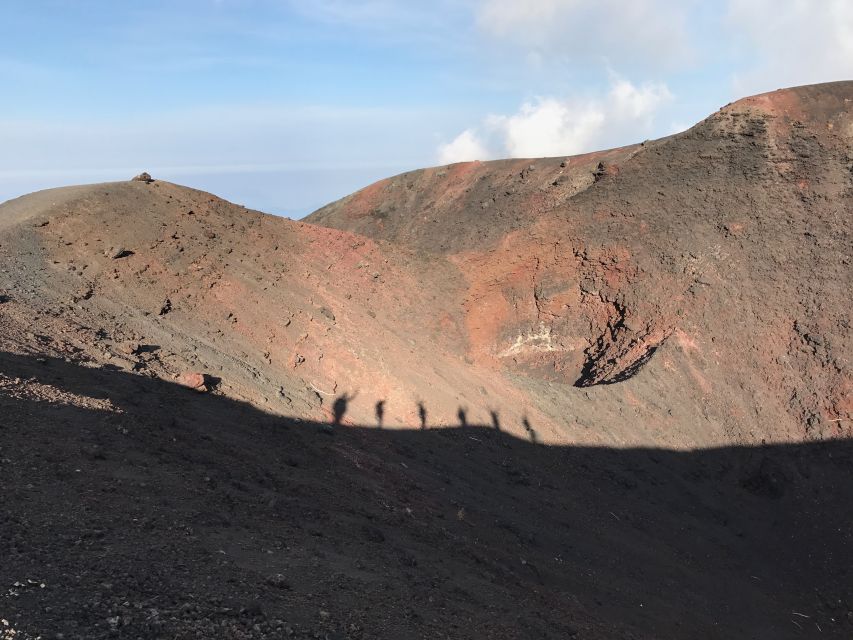
The tour gives clear guidance on what helps you stay comfortable, and I agree with most of it because volcanic soil can feel unpredictable. Pack for wind and sun, and pack for uneven footing.
Bring:
- A windbreaker
- Sunglasses and sunscreen
- Hiking shoes you feel confident in
- Water and snacks
- Comfortable clothes and a jacket for changing conditions
- A daypack
If you are going in winter, spring, or autumn, also bring gloves or a hat. Gloves and hats are specifically noted as not included, and cold adds fatigue fast when you are walking uphill.
Not allowed items include high-heeled shoes, sandals or flip flops, baby strollers, and luggage or large bags. Skirts and slippers are also listed as not allowed. That list is there for safety and movement, so treat it as hard rules.
Who should go, and who should skip this trek
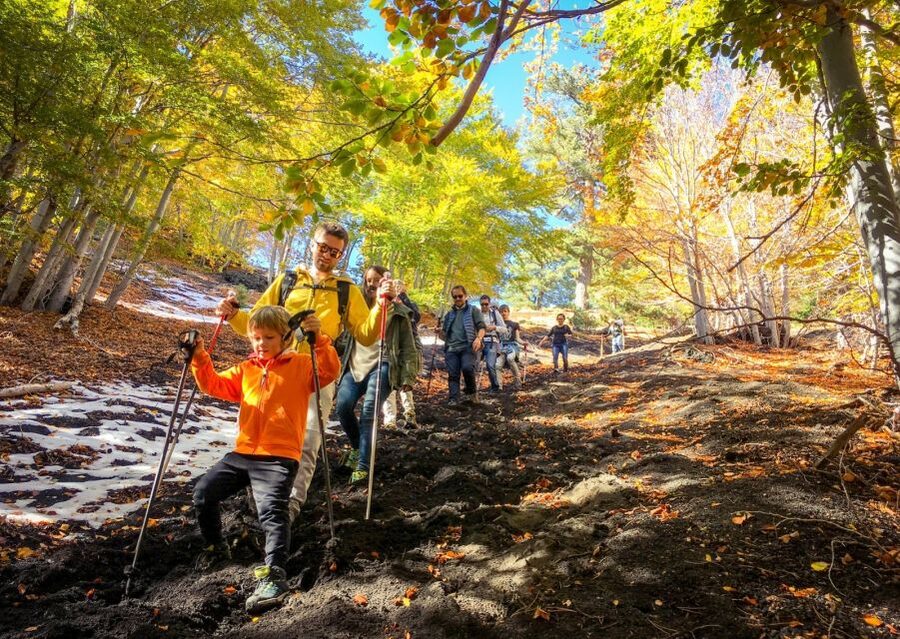
This is for hikers with medium training, and it is not a casual stroll. You also need to be cautious because volcanic soil can be inconsistent and unstable.
It is not recommended if you do not participate in regular physical activity. The route includes ascent and crater-edge walking, and that can create dizziness for susceptible people. Route changes are possible if environmental, climatic, or volcanic conditions shift, so be mentally flexible.
Based on the restrictions listed, skip this tour if any of the following apply:
- Children under 6 years
- Pregnant women
- People with back problems
- People with mobility impairments
- People with heart problems
- People afraid of heights or with vertigo
- People with respiratory issues
- People with epilepsy
If you are unsure, it is smart to choose an Etna plan that matches your limits, then build toward this kind of crater-edge walk later.
Should you book the Etna 2002 crater trek?
I think you should book this trek if you want a guided, educational walk tied to a specific eruption, and you like learning while you look at the real terrain. The best fit is someone who can handle uphill walking on uneven ground and who is comfortable around crater edges.
Choose carefully if you have vertigo, fear of heights, or medical constraints listed above. Also plan for wind and uneven footing, because that is the kind of comfort problem that gear can fix but will not magically disappear.
If you are trying to get a lot out of Sicily without joining a huge crowd, this north-side route is set up for that. You get crater views, lava features, hornitos, and the 2002 landmark of Hotel dell Betulle ruins in a tight, guided loop.
FAQ
How long is the Etna Craters of the 2002 Eruption trekking experience?
It lasts about 3 hours, though the exact time on the trekking trail can depend on the general pace.
Where do I meet for the tour?
Meet at Chiosco Bar Mareneve, not Chiosco Bar Etna Nord. The meeting spot is near the chairlift used by skiers in winter, and it is the second house of four in the parking lot.
Is this tour offered in English, French, and Italian?
Yes. The live tour guide offers Italian, French, and English.
What is included in the price?
The tour includes an official volcano guide and insurance in case of accidents.
What is not included in the tour price?
Not included are transport from your accommodation to the start, trekking sticks, snacks, bottled water, trekking shoes rental, and weather gear like a windbreaker and gloves or hats. A parking ticket is also not included.
Do I have to pay a parking fee?
Yes. The parking ticket costs 3 euros for the whole day and is paid after the excursion.
Can I rent trekking shoes on-site?
Yes. Trekking shoes can be rented at authorized rentals on the spot for a cost of 5 euros per pair.
What if there is snow during my visit?
Snowshoes can be rented on-site during winter months (December, January, February, and March) for 12 euros per person.
Who is this trek not suitable for?
It is not suitable for children under 6 years, pregnant women, people with back problems, people with mobility impairments, people with heart problems, people afraid of heights or with vertigo, people with respiratory issues, or people with epilepsy.
Reviewed lately around Mount Etna
- Catania: Etna Nature Tour with Hiking, Cave Visit, & Tasting★ 4.7 · 502 reviews
- Etna excursion 3000 meters with 4×4 cable car and Trekking★ 4.5 · 504 reviews
- Mt. Etna nature and flavors half day Tour from Catania★ 5.0 · 545 reviews
- Etna Tour in 4×4★ 5.0 · 583 reviews
- Mount Etna Half-Day Small Group Tour from Taormina★ 5.0 · 628 reviews
- From Catania: Mount Etna Sunset Tour with Tasting and Cave★ 4.7 · 1,119 reviews
- Mt. Etna and Taormina village full day tour from Catania★ 5.0 · 1,155 reviews
- Mount Etna: Roundtrip Cable Car and 4×4 Bus Ticket★ 4.3 · 1,602 reviews
Mount Etna Tours, compared.
Mount Etna Morning or Sunset Day Trip with Tasting
Read our review →
Mount Etna: Guided Volcano Summit Hiking Tour with Cable Car
Read our review →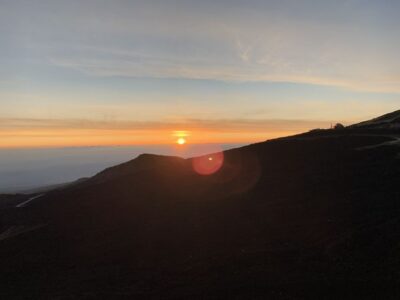
Sunset Jeep Tour of Mount Etna and Lava Flow Caves
Read our review →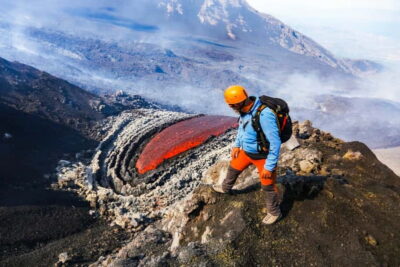
Mount Etna: Trek to 3000m with cable car and jeep
Read our review →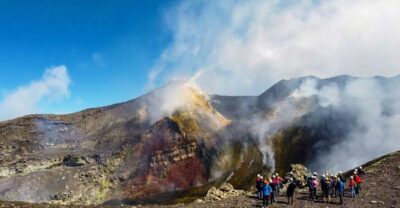
Mount Etna: Summit Crater Trek with Cable Car
Read our review →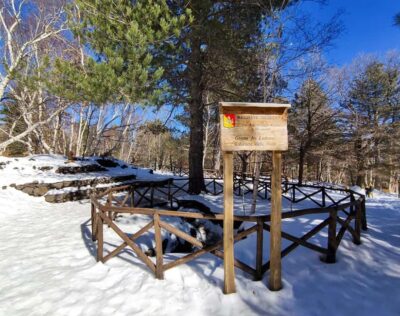
Etna and Alcantara Gorges Full-Day Tour with Lunch
Read our review →
Mount Etna: Roundtrip Cable Car and 4×4 Bus Ticket
Read our review →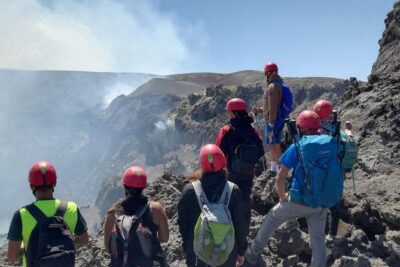
Browse the lists this tour appears in