
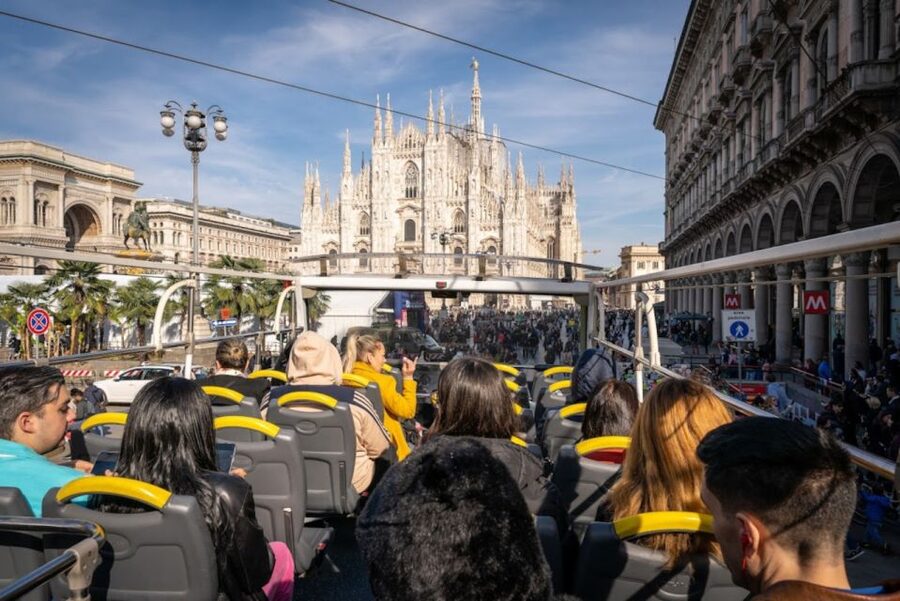
Reviewed · MILAN TOURS
Milan: Gray Line Milan Open Tour Hop-On Hop-Off Bus Tour
Milan is interesting because it mixes world-famous landmarks with modern neighborhoods, and this hop-on hop-off bus is built for seeing a lot of that in a short visit. I like the hop-on hop-off flexibility that lets you start from many stops and change your plan on the fly. I also like the multilingual audio guide and the fact that the ride keeps going in bad weather. One drawback to plan for: the audio can cut out sometimes, and some stops have no clear timetable, so you might wait longer than you expect.
The value is in how the routes stitch the city together. You can use it for orientation on day one, then hop off where you want to slow down, like Cenacolo or Basilica of Sant’Ambrogio, and still get back on the bus to keep moving.
One more consideration: on rainy days the upstairs windows can get foggy, and in hot weather the upper deck can feel warm. If you’re sensitive to heat or want clear views, pick your seat smart and bring patience for a city that is busy, narrow, and traffic-heavy.
Key things to know before you ride
- Start from many stops: your ticket lets you get on and off at stops along the routes, without needing a fixed meeting place every time
- Two route options: Milan Highlights for the central hits, plus Fashion, Design and Leisure for a broader sweep
- Audio in many languages: you get headphones and commentary in a long list of languages, plus kid commentary in English, Italian, and Spanish
- Rain-friendly transport: the tour runs rain or shine, and it’s a lifesaver when you want to keep sightseeking
- Bus comfort details matter: WiFi on board, USB sockets, and a hostess on the tour add real convenience
- Expect occasional hiccups: audio may not play at every spot, and there can be longer waits depending on the day
Why this hop-on hop-off bus is a smart way to tackle Milan

This tour works because Milan is not just a few monuments in a line. It’s a spread-out city where neighborhoods change fast, from grand squares to business districts to design-focused streets. A bus route gives you a moving “map in motion,” so you spend less energy figuring out streets and more time deciding what to explore up close.
I also like that the ticket is practical. You can get on and off whenever you want, and you can start from the bus stops served by the company, not just one single location. That flexibility matters when your day changes due to weather, lineups, or simple curiosity.
Finally, the “rain or shine” promise is not fluff. Milan can throw wet weather at you, and an open-top style sightseeing plan can turn into a miserable slog. Here, you’re still in the game, just with the ride doing the heavy lifting.
More from a Milan stay:
- Milan: Cathedral and Duomo’s Terraces Entrance Ticket
★ 4.6 · 61,054 reviews - Milan: Da Vinci’s Last Supper Guided Tour
★ 4.7 · 10,143 reviews - Milan: City Sightseeing Hop-On Hop-Off Bus with Audio Guide
★ 4.0 · 6,256 reviews
Two routes, one ticket strategy: Milan Highlights vs Fashion, Design and Leisure
You’ll see the city best if you match the route to your goal.
Milan Highlights line
This is the shorter, more central-feeling route. Think iconic stops with easy walking options nearby: Duomo, Scala, San Marco, Brera, Castello, Cenacolo, and the Litta area. If you have limited time, this is the route that helps you get your bearings fast.
One timing note from what I learned: the long circuit can take over two hours when you ride it from end to end, so on a one-day visit you’ll probably get the most by hopping off for the stops that truly matter to you.
Fashion, Design and Leisure line
This one is broader and more varied. It reaches beyond the strict center into modern districts and museum zones, including Gae Aulenti and CityLife, plus classic Milan stops like Stazione Centrale, Monumentale, Acquario, Navigli, and Università Studi. It’s the route that makes Milan feel like a full city, not just a postcard loop.
This line is also where the modern contrast shines. You’ll pass the city’s “new Milan” areas, then circle back to places that feel distinctly historic, like Basilica of Sant’Ambrogio.
Tip for your plan: if it’s your first time in Milan, do one route early for orientation, then spend the rest of your time focusing on 2 or 3 neighborhoods you genuinely want to repeat.
A different Milan day to consider:
- Milan: Milan Cathedral Direct Entrance – Terrace Excluded
★ 4.5 · 5,782 reviews - Milan: Guided Walking Tour & Last Supper Visit with Ticket
★ 4.7 · 5,409 reviews - Milan: Fast-Track Milan Cathedral and Terraces Guided Tour
★ 4.7 · 5,240 reviews - Milan: Navigli Canal Boat Cruise
★ 3.3 · 4,502 reviews
Stop-by-stop: Milan Highlights line, what to do at each key stop
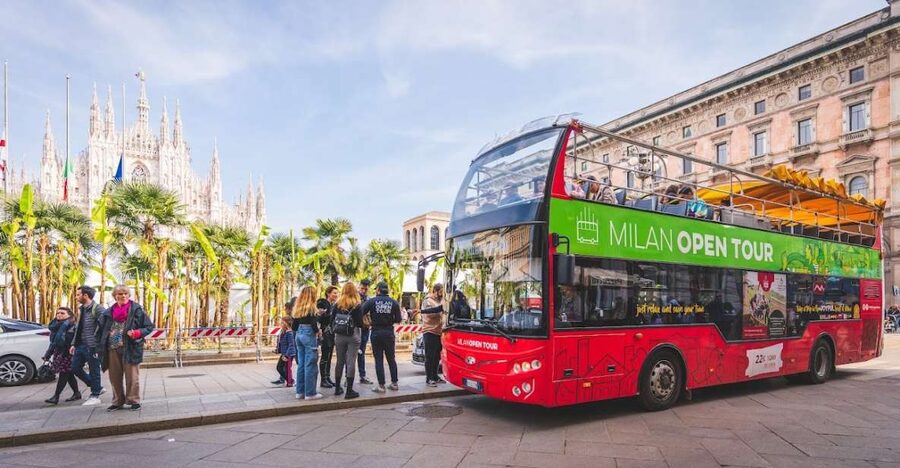
Here’s how I’d use the Milan Highlights route if you want the most payoff with minimal stress.
Duomo (Piazza Duomo)
This is the center of gravity. Hop off here for the cathedral area and the surrounding piazzas, where street life and architecture are a big part of the experience. Even if you do not go inside, the area gives you a clear “what Milan is” anchor point.
Scala (Via Manzoni, 33)
This stop puts you near Teatro alla Scala. It’s a good mid-day break point to walk around the theater area and connect the Duomo zone to the more cultural center of Milan.
San Marco (Via Fatebenefratelli, 54)
This is a handy access point to the San Marco area, where you can wander a bit on foot and link up with nearby streets. It’s also useful if you want an in-between stop without committing to a specific major-ticket site.
Brera (Via Bontaccio, 2)
Brera is one of Milan’s most enjoyable walking zones. Hop off and explore slowly, then get back on when you want to move on. This is where you’ll probably spend your “I just want to wander” time.
Lanza (Via Tivoli, 8)
A practical connector stop. Use it when you want a quick repositioning point between major sights, or if you want to stretch your legs before your next hop.
Castello (Piazza Castello, 26)
This stop is for the Castello area, including the big castle complex region. Even if you only do a quick look, it gives you the medieval-meets-city feel that balances the Duomo area.
Cairoli (Foro Buonaparte, 70)
Cairoli works well as a transition stop. It can help you connect the central sights without over-walking in traffic-hot conditions.
Cadorna (Via Boccaccio, corner Via Leopardi)
This is a smart stop if you want to reduce walking during busy times. It also puts you near the western side of central Milan, so it can help shape a day that’s not just back-and-forth.
Cenacolo (Via Caradosso, 1)
This is the key “serious landmark” stop. Use it as your designated time block because this area often calls for more than a quick look. Plan to hop off, focus, then reboard when you’re done.
Litta (Corso Magenta, 2)
A finishing-style stop for this line. It’s a good place to continue exploring on foot if you want one last burst of central Milan before returning to the bus circuit.
Stop-by-stop: Fashion, Design and Leisure line, a bigger loop through Milan
This line is built for travelers who want to see multiple “faces” of the city. Here’s how each cluster can work for you.
Duomo and Scala (Piazza Duomo, Via Manzoni, 33)
You get the same major anchors up front, which makes the longer line easier to use as a first-day route.
Dugnani (Via Manin, 24) and Repubblica (Piazza della Repubblica)
These are good for exploring the mid-center streets and connecting different parts of the city. If you like to see where people actually move through daily life, these stops help.
Stazione Centrale (Piazza Duca d’Aosta)
This is a practical hub stop. If your plans start or end near the station, it makes timing easier. Just be aware that the station area can feel like a big transport zone, not a scenic pause.
Gae Aulenti (Via Sturzo)
Now you’re in modern Milan. This stop is about design and architecture vibes, the kind of place where the city looks like the future compared to older districts.
Monumentale (Via Ceresio, 79)
This stop is useful if you want a more iconic Milan experience that isn’t just shopping streets and squares. It’s a good hop-off point for a slower, respectful walk.
Acquario (Viale Gadio)
This is for families and anyone who wants a lighter break from galleries and churches. It also breaks up a day when you want something different for a couple of hours.
Castello and Cairoli (Piazza Castello, 26, and Foro Buonaparte, 70)
You get classic Milan energy again. Use these stops to reconnect with the historic core after exploring modern areas.
Cenacolo (Via Caradosso, 1)
Same landmark area as on the Highlights line. If you did it already, you can skip it, or you can use it as a “second chance” stop if your schedule shifted.
Paleocapa (Via Paleocapa, 4) and Triennale (Viale Moliere, 15)
This is museum and culture territory. Triennale is a particularly good choice if you like design spaces and want something more modern and interactive than a simple exterior stop.
Arco del Pace (Corso Sempione, 4)
This is a strong photo and walk-stop, because it anchors the Sempione-side feel of the city. It’s a good area to stretch your legs and then reboard when you’re ready.
CityLife and Parco Basiliche (Piazza 6 Febbraio, 26, and Via Molino delle Armi, 33)
CityLife gives you big contemporary-city energy, while Parco Basiliche connects you to the more historic religious side of Milan. This contrast is the reason I like this line for longer stays.
Università Studi and San Babila (Via Sforza, 38, and Via Larga, 2)
These stops help the day feel less like a museum checklist. University areas and central commercial districts can be lively, useful, and more real-life Milan than a timed-ticket stop.
Sant’Ambrogio (Via Carducci, 16) and Navigli (Piazza XXIV Maggio, 6)
Sant’Ambrogio is one of the best “choose-your-own-pace” stops because it invites a deeper visit. Navigli is for atmosphere, especially if you time it toward evening for the canals zone vibe.
In general, for this whole loop, I recommend you pick 2 main hop-offs per half day. More than that can turn a flexible bus into a stressful calendar.
Ride details that affect your comfort: audio, seating, rain, and timing
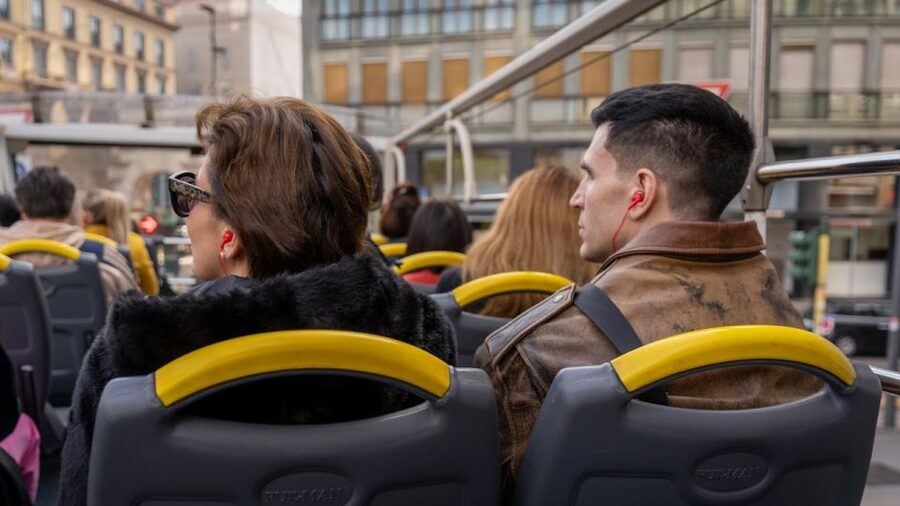
This tour includes more than just a ride. You get a paper map, multilingual audio, disposable individual earphones, WiFi on board, and USB sockets. There’s also a dedicated hostess during the tour, which can help when you need confirmation on where to hop next.
The audio guide is valuable, but not perfect every time
The commentary is the heart of the experience because it turns “passing by” into “understanding what you’re seeing.” Still, some audio points can fail or cut in and out. If you notice the audio missing at a stop, don’t assume you missed everything, just use that stop name to orient yourself and keep listening when it returns.
Seat choice really matters in Milan
If you want views of the sights as you ride by, try to sit on the side where the landmark clusters line up. One clear tip I picked up is that many sights tend to be more on the right side of the route, so if you can choose, lean that way.
Rain means fog on the upper deck
The tour runs in rainy weather, but expect condensation and fogging up top. If you hate blurred views, plan to wipe periodically or stay downstairs when it’s really wet.
Hot weather and AC can be an issue
In some weather conditions, the upper deck can feel hot, and if air conditioning runs weak you’ll feel it. When it’s sunny and humid, choose comfort over the highest seat.
Timing and waiting can vary
There’s no stop-by-stop timetable provided at every stop, and frequency can feel tighter on some days. If you hate waiting, build your day with buffers, especially after a hop-off. If you’re okay with a relaxed pace, the bus becomes a low-effort way to keep exploring.
Price and value: why $29 can make sense for first-timers
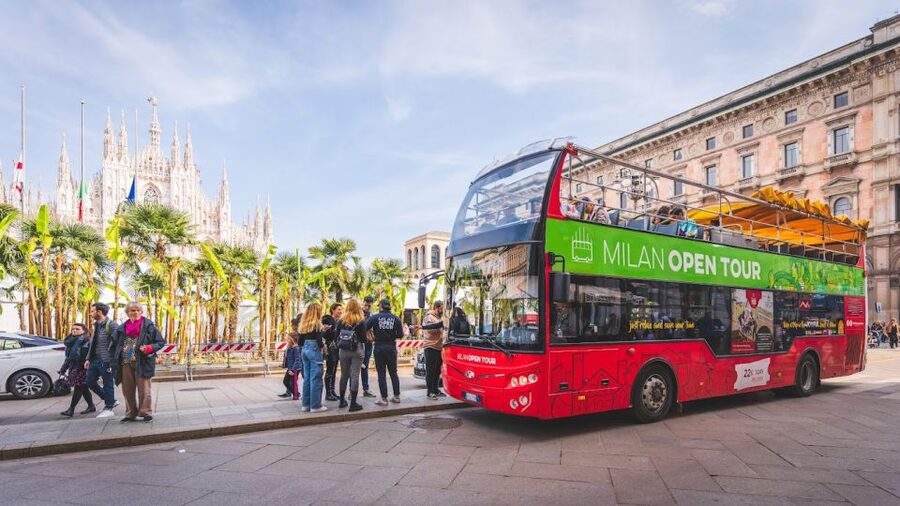
At around $29 per person, this tour is priced like a “spend less time planning and more time walking” tool. That value shows up in practical features: the audio guide is included, earphones are provided, and you get onboard WiFi and USB charging.
More important, the ticket lets you use the city in segments. Instead of committing to one long walking day, you can hop off for one big focus, then let the bus connect you to the next area. When you’re paying for Milan hotels and timed attractions, saving energy and avoiding wrong turns is real money saved.
This is also a smart pick if you’re doing Milan in 1 day. On short visits, a couple of well-chosen stops can turn a quick trip into a coherent story.
Who should book this hop-on hop-off bus in Milan
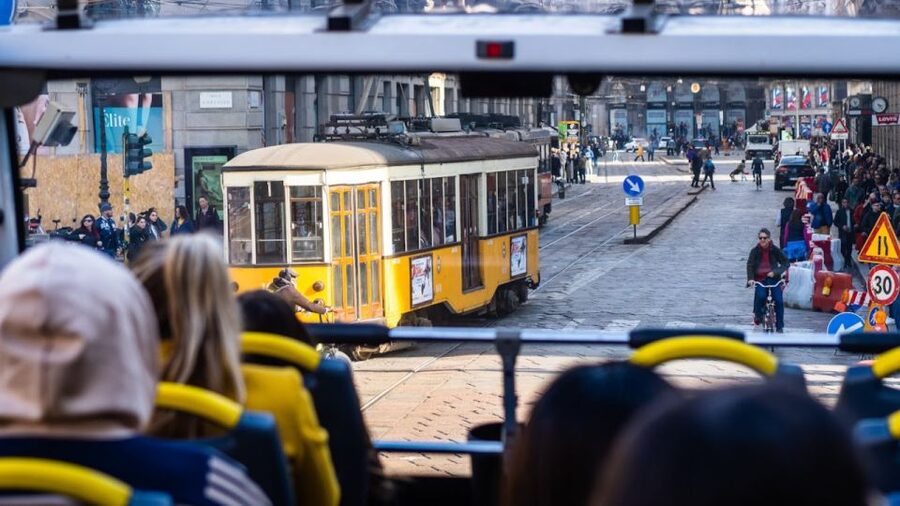
This tour suits you if:
- You want an easy orientation tool before you commit time to walking routes
- You want a weather-proof plan that keeps moving
- You prefer learning while you ride, using the audio rather than digging through guidebooks constantly
- You are traveling with kids, since there are kid commentaries in English, Italian, and Spanish
It’s less ideal if you have very specific interests and you hate any risk of audio gaps or longer waits. In that case, you might pair this with targeted walking time, rather than relying on the bus for everything.
Should you book Gray Line Milan Open Tour Hop-On Hop-Off?
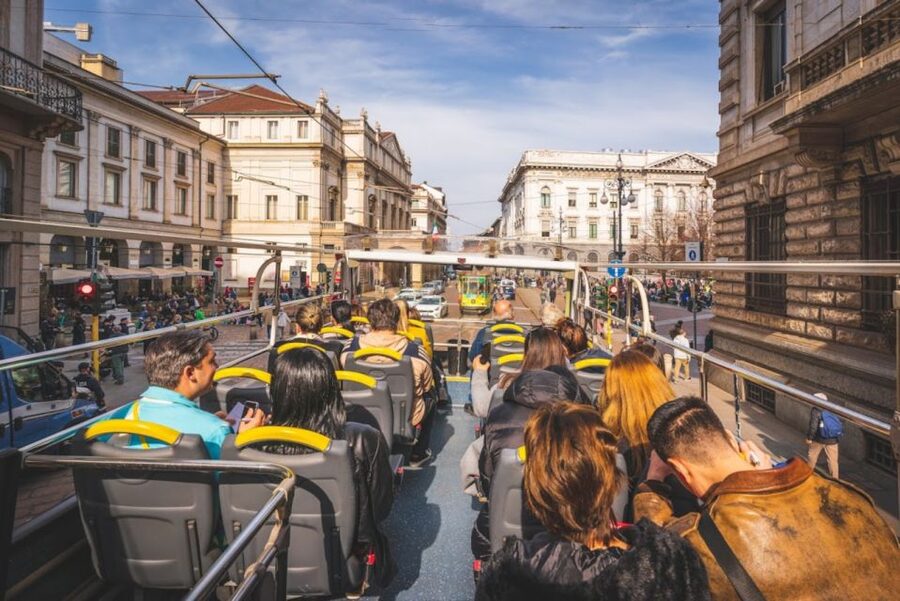
I think this is a good booking when your priority is efficiency and flexibility. If you want to see major central sights plus a slice of modern Milan without wrestling with transit maps all day, this bus delivers that.
But I’d book it with open eyes. Audio can miss at some points, waiting times can feel uneven, and rainy-day comfort depends on your seat choice. If you’re okay managing those small variables, you’ll get a lot of Milan for the money and plenty of ideas for what to explore next.
FAQ
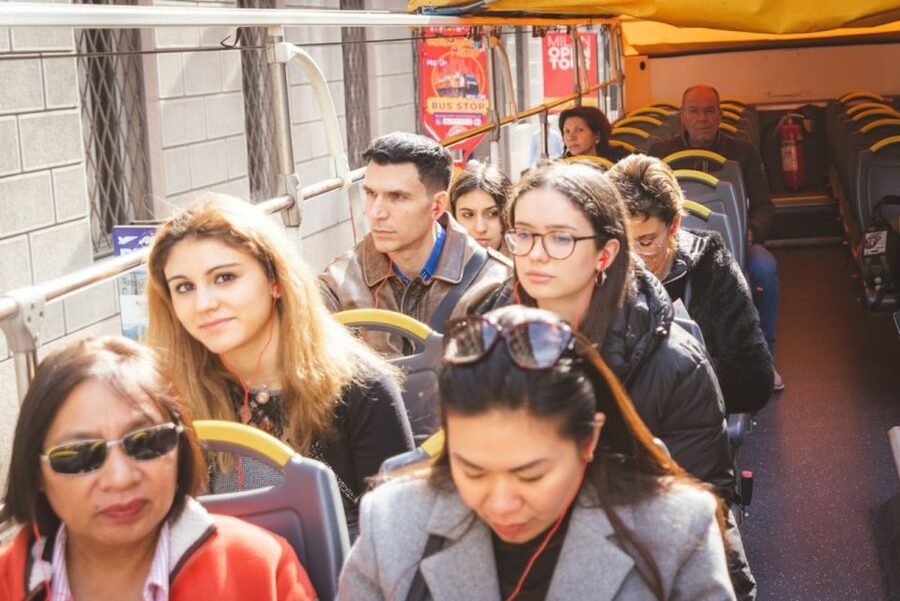
How long is the Milan hop-on hop-off ticket valid?
Tickets are valid for 1 to 3 days, depending on the option you choose and availability.
What’s included with the bus ticket?
You get a hop-on hop-off bus ticket, a paper map, an audio guide, disposable individual ear-phones, WiFi on board, USB sockets, and a dedicated hostess during the tour.
What is not included?
Drinks and snacks are not included, and a walking tour is not included (it’s available to purchase on the bus).
Which languages are available for the audio guide?
The audio guide is available in Spanish, Chinese, Dutch, English, French, German, Italian, Japanese, Arabic, Portuguese, and Russian. There are also kids’ commentaries in English, Italian, and Spanish.
Does the tour run in rainy weather?
Yes. The tour takes place rain or shine.
Where do you meet the bus?
The meeting point may vary depending on the option booked, but your ticket allows you to start the tour from the bus stops served on the routes.
Is the tour wheelchair accessible?
Yes, the tour is wheelchair accessible.
Can I cancel after booking?
You can cancel up to 24 hours in advance for a full refund.
Reviewed lately around Milan
- Milan: Last Supper and Sforza Castle Guided Tour★ 4.6 · 498 reviews
- Milan: San Sepolcro Crypt Skip-the-Line Entry Ticket★ 4.2 · 512 reviews
- Milan Duomo Cathedral and Rooftop Terrace Guided Tour★ 4.8 · 531 reviews
- Small-Group Lake Como – Bellagio, Varenna & Hidden Waterfall★ 5.0 · 541 reviews
- Milan: Leonardo’s Last Supper and Michelangelo’s Pietà Tour★ 4.6 · 559 reviews
- Milan Cooking Class: Authentic Pizza & Gelato Making★ 5.0 · 582 reviews
- Milan: Skip-the-Line Guided Walk and “The Last Supper”★ 4.5 · 606 reviews
- Milan: The Last Supper & Sforza Castle Guided Tour★ 4.6 · 610 reviews
Milan Tours, compared.
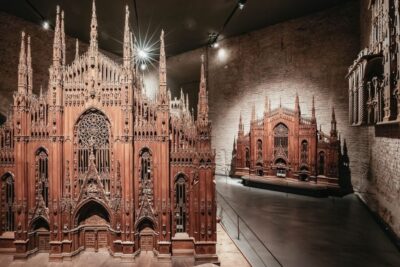
Cathedral and Duomo’s Terraces Entrance Ticket
Read our review →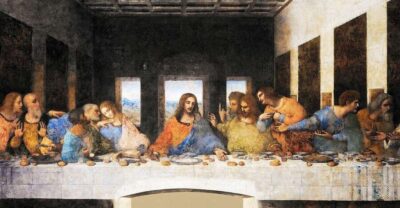
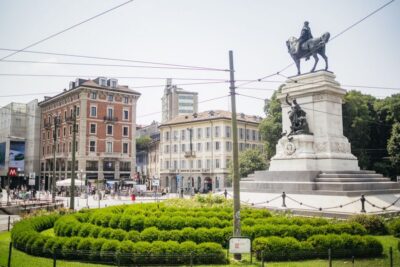
City Sightseeing Hop-On Hop-Off Bus with Audio Guide
Read our review →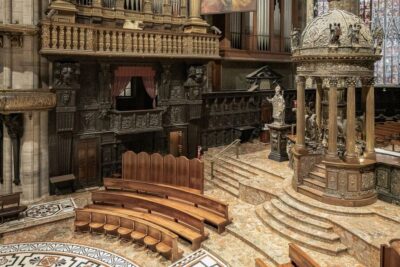
Milan Cathedral Direct Entrance – Terrace Excluded
Read our review →
Guided Walking Tour & Last Supper Visit with Ticket
Read our review →
Fast-Track Milan Cathedral and Terraces Guided Tour
Read our review →
Serravalle Designer Outlet Roundtrip Bus Transfer
Read our review →Browse the lists this tour appears in