
Reviewed · WALKING TOURS
Rome: Guided Walking Tour in English or Spanish
Rome at night is special because the city slows down and the monuments look like they belong to the same storybook. This guided walking tour strings together the big names and the lesser-seen corners in one compact loop, so you get your bearings fast without building a plan of your own. I love the evening lighting on classic landmarks, and I love the story-driven guiding that ties squares and statues to real moments in Italian history. One thing to plan for: the meeting point can be a little tricky, and a few spots are loud, so you will want to stay close to the guide.
You will cover top central Rome highlights in about 2 hours, with guided stops that include Trevi Fountain, the Pantheon, and Piazza Navona. I also like that the route can start from different places, so you may find an option that fits your dinner plans. The walking is steady, though, so comfortable shoes matter.
Key Things You Should Know Before You Go
- Evening route through Rome’s core landmarks so you see the classics when the streets look best
- Two language options, English or Spanish for clear explanations at each stop
- Short guided time at each major site that keeps energy up and the pace friendly
- Stops shaped around Italian history, including how different eras show up in squares and monuments
- Drop-off points vary by option, often around Piazza Navona or the Colosseum area
- A guide plus a recommendations list, so you leave with practical ideas beyond the tour
Why This Rome Evening Walk Feels Like a Shortcut
Rome can be overwhelming. Streets twist, crowds surge, and the most famous buildings can still feel random if you do not know what to notice. This tour works because it is built around a tight central route and a guide who points out what matters in plain language.
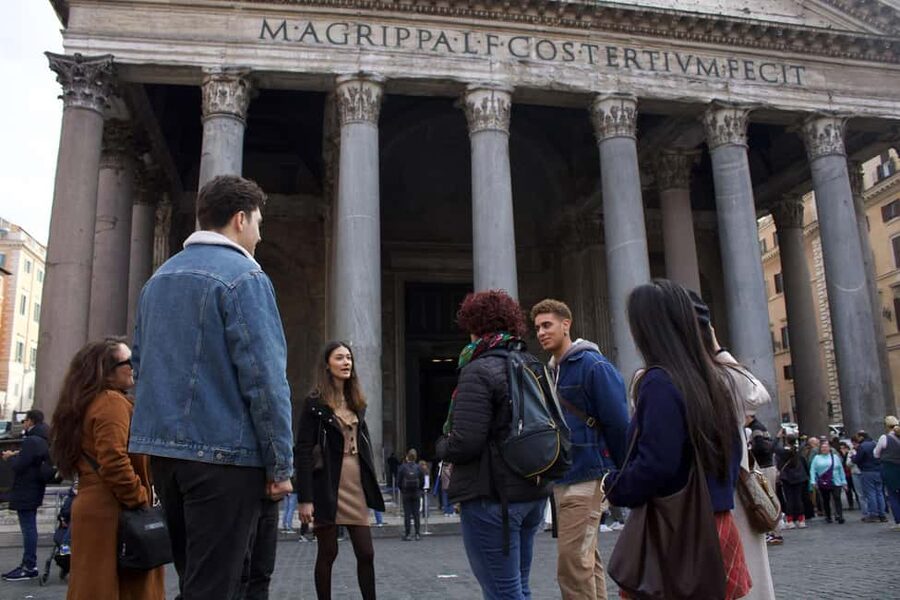
I also like that the night format changes the mood. The Pantheon is still the Pantheon, but at night you notice the way the square holds sound and how people move around it. Trevi Fountain feels less like a photo stop and more like a public stage. And Piazza Navona at night has that perfect mix of open space and street-life energy.
The route is not just sightseeing. You get context for why places look the way they do, including references to events like the unification of Italy and later chapters of modern politics. You will even pass smaller, surprising church sites, including one with a painted illusion, plus stories and scandals connected to more recent politicians.
More Walking Tours in Rome
- Rome: Trastevere & Campo de Fiori Street Food Walking Tour
★ 4.9 · 2,768 reviews - Rome: Paranormal Night Walking Tour & Secret Backstreets
★ 4.9 · 1,921 reviews - Rome by Night Walking Tour – Legends & Criminal Stories
★ 4.5 · 1,003 reviews
Meeting Points That Can Shift, So Check Your Specific Option
This experience runs with different start and end details depending on which version you book. The general idea is simple, though: you meet your guide near a landmark in central Rome and the tour comes back to the meeting area.
The tour can start at one of these places:
- Piazza d’Aracoeli
- Piazza di Pasquino
And it may also list meeting points tied to areas such as Trajan’s Column or Piazza Navona, depending on the option.
Because meeting can be the make-or-break moment on any walking tour, I recommend you do two things:
- Save the exact meeting point you chose and open the map before you leave your hotel.
- Arrive a few minutes early, because a guide waiting in Rome traffic can be hard to spot.
From the feedback pattern I see, the tour is easy once you connect, but finding the leader at the start can take an extra minute.
Piazza d’Aracoeli or Piazza di Pasquino, Getting Your Rome Brain On
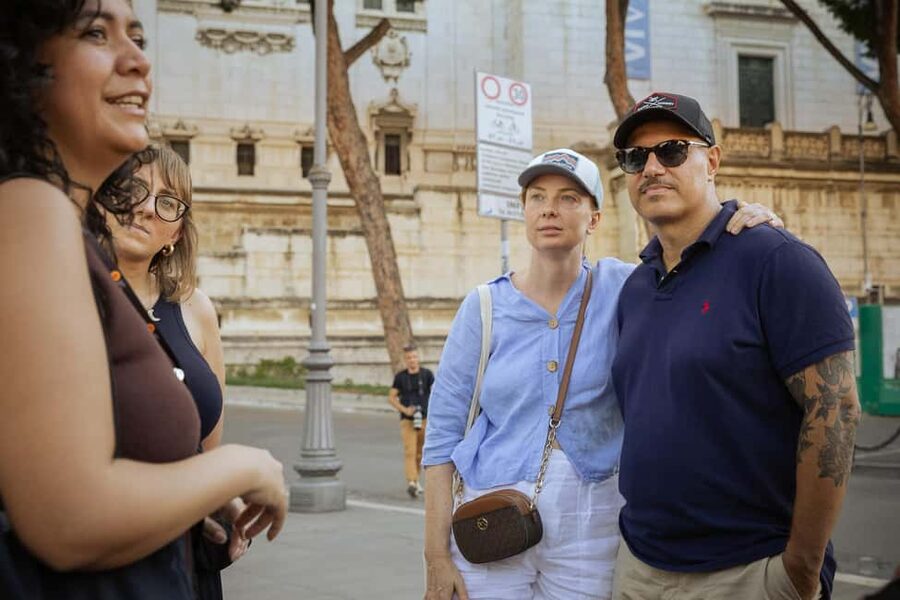
Your first stop sets the tone. Starting at either Piazza d’Aracoeli or Piazza di Pasquino puts you in Roman streets where you quickly feel the layered city, old stone and everyday life side by side.
This is where the guide usually gets you oriented: how to read the space you are in and what themes you will keep seeing as you walk. Expect stories about the history of the neighborhoods around you, plus hints on what to watch for at the major sights later.
Practical note: the first few minutes are when it is easiest to get lost, because you are still figuring out the group and the guide’s location. Stay alert here, then you will be fine for the rest of the tour.
Monumento a Vittorio Emanuele II, A Big Monument With a Big Story
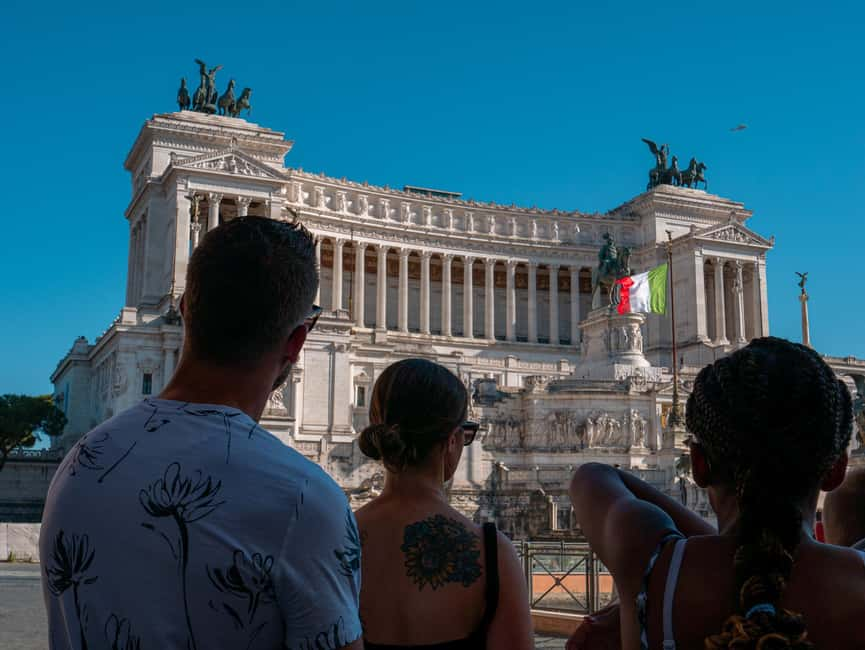
Next up is Monumento a Vittorio Emanuele II, with around 10 minutes of guided time. This stop matters because it anchors a theme of modern Italy in the middle of an ancient city.
The guide typically explains the monument’s place in the broader narrative of the 1800s and the unification of Italy. Even if you think you know the name, the tour format helps you understand why the monument is built the way it is, and how that design connects to the politics and identity of its era.
One benefit here is that this stop is not just about one view. It is a bridge between Rome’s ancient grandeur and the country that forms later, so the next stops do not feel like random stops in a checklist.
A different Rome day to consider:
- Colosseum, Roman Forum & Palatine Guided Tour
★ 4.7 · 63,148 reviews - Vatican Museums, Sistine Chapel & St Peter’s Basilica Guided Tour
★ 4.5 · 39,149 reviews - Rome: Colosseum, Palatine Hill and Roman Forum Guided Tour
★ 4.8 · 32,814 reviews - Rome: Guided Tour of Colosseum, Roman Forum & Palatine Hill
★ 4.7 · 27,897 reviews
Trevi Fountain, From Postcard Pose to Real-World Sight
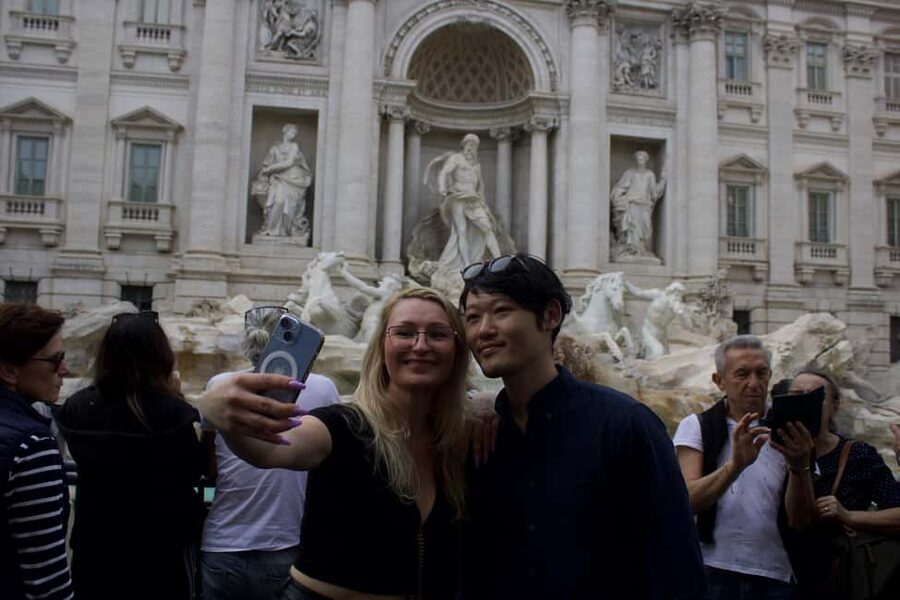
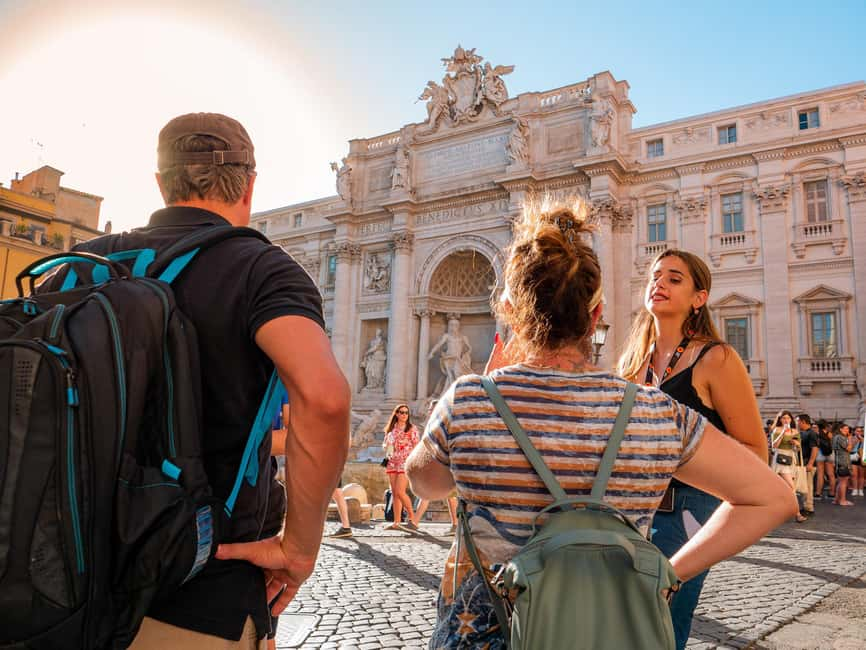
Trevi Fountain gets about 15 minutes of guided time. Yes, it is the classic. But with a guide, you are not just looking at water and marble. You learn how the fountain fits into the square and the city story around it.
What I like about this stop on a night tour is timing. You see the fountain lit up and you can understand the vibe of the space: people gather, pause, and swirl, and the guide helps you see past the obvious photo moment. You also get a sense of how Rome uses major public monuments to communicate status and power.
Drawback to consider: it can get busy. Your best strategy is to listen first, then take photos once you have your bearings.
Pantheon, the Stop Where Details Actually Click
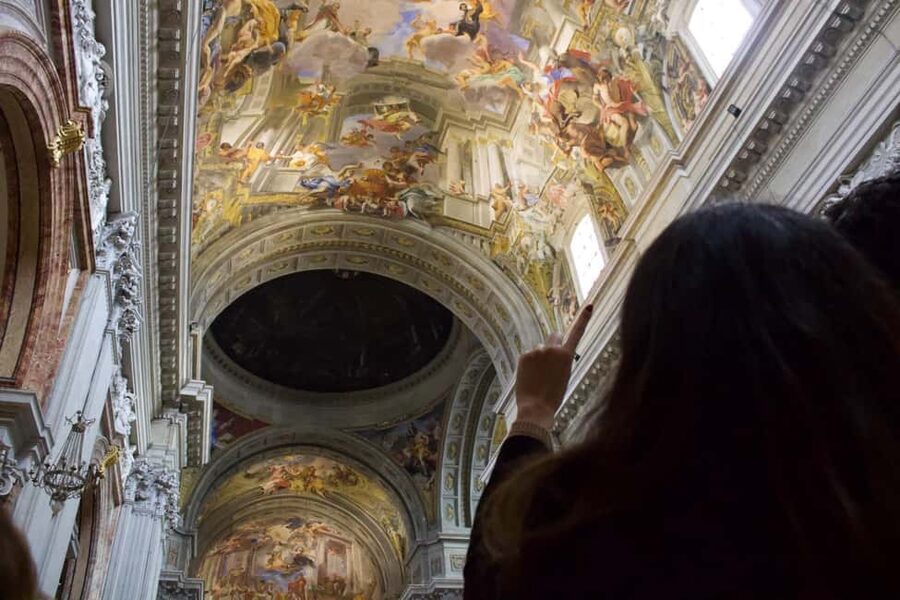
The Pantheon is the kind of place where people often do the fast version, look up, take a picture, and move on. This tour slows you down just enough to notice why it has lasted.
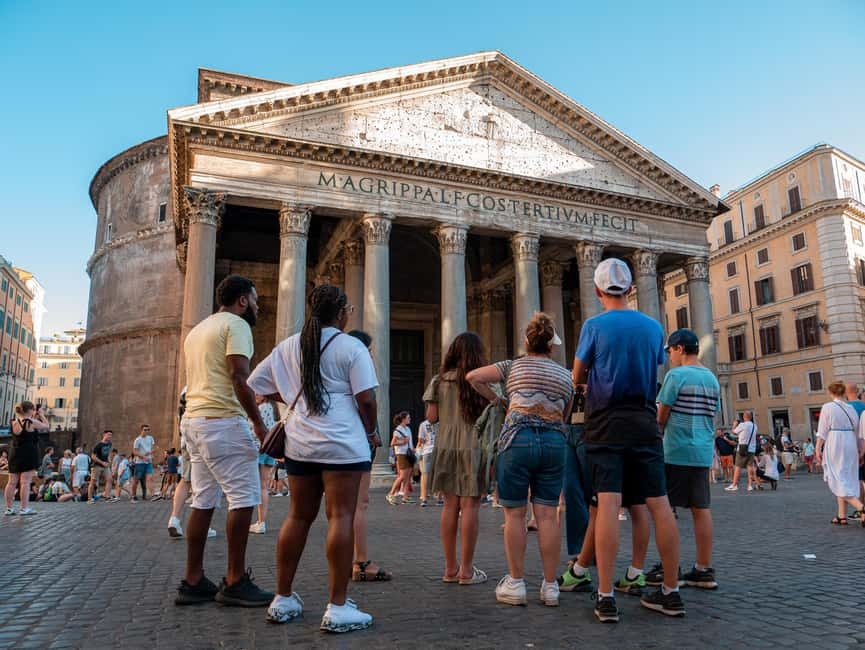
You get around 20 minutes here, and the guide typically points out architectural details and the way the space behaves. I find this is the moment when the whole tour starts to feel coherent, because you see how earlier stories about Rome’s public spaces connect to the building right in front of you.
A small practical tip: the Pantheon area can include crowds, so if you want to hear clearly, position yourself so you are facing the guide. When you are off to the side, you often lose the best lines and the key explanation.
Piazza Navona, Where History and Street Life Share the Same Block
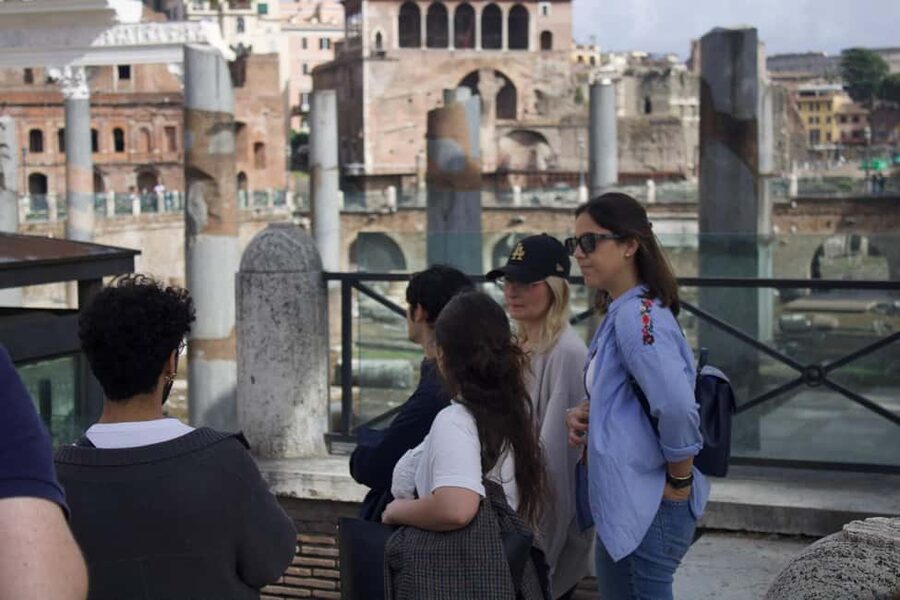
Piazza Navona is another anchor stop, with about 20 minutes guided time. This is where you get a “Rome at night” payoff: open space, dramatic buildings, and street energy that makes the whole square feel alive.
In this portion of the tour, the guide usually connects the square to historical shifts, including how different eras left their mark on public space. You also tend to get fun details about the surrounding architecture and the kinds of stories Rome likes to keep in plain sight.
What I like here is the pacing. The tour does not rush you through the square. You get time to look around with context, not just context pasted onto a quick glance.
Trajan’s Column, A 15-Minute Read of an Entire Empire
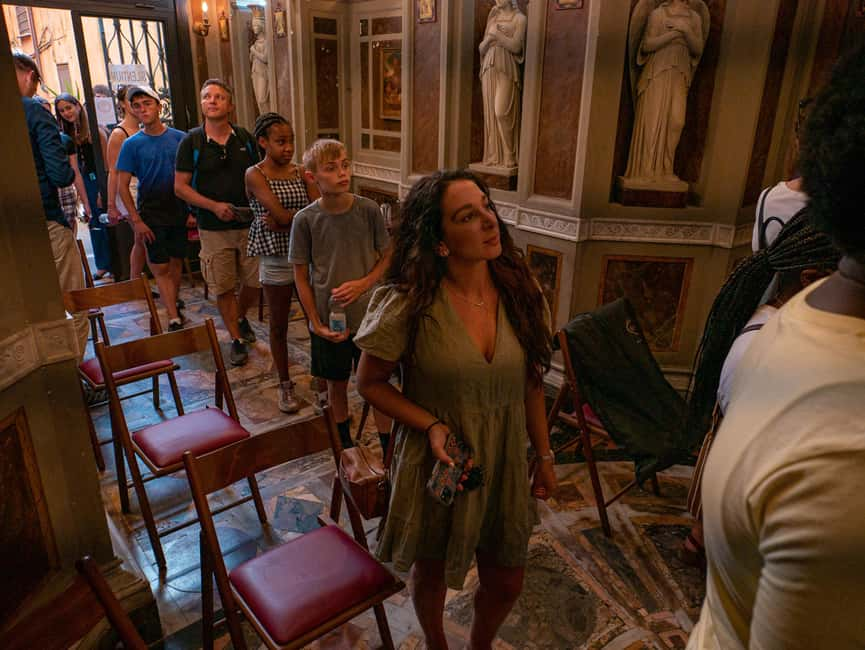
Finally, you reach Trajan’s Column for about 15 minutes of guided time. This is one of those stops where the guide can make a huge difference, because the column is visually striking but also easy to misread if you do not know what you are looking at.
The tour uses this stop to pull together the thread of Rome as an evolving power. You hear how imperial Rome used symbols and storytelling in art and public monuments, then you see those ideas echo forward through the rest of the route.
It is also a nice way to end the walk, because it reminds you that Rome is not just a collection of buildings. It is an ongoing conversation between art, politics, and daily life.
How the Whole Tour Stays Worth It in Just 2 Hours
Two hours sounds short, but the tour is structured so you do not spend your whole time in transit. Each major site has a focused guided segment, so you leave with more than pictures.
Here is what usually makes the time feel efficient:
- You get a compact list of “what to look for” at each stop, instead of trying to research on the spot.
- The guide shares anecdotes that give you a mental frame, so the next monument feels easier to interpret.
- The night schedule helps you enjoy the walk without the midday heat factor that can slow people down.
I also appreciate that the tour can work for different travelers. A solo visitor can feel included, because you get a group rhythm and a reason to talk to your guide. Families can like it too, because guides can adjust pacing and keep explanations practical.
Language Options and the Real-Life Challenge of Hearing in Rome
The tour runs in English or Spanish, with a live guide. That matters because the difference between a good and a great walking tour is often clarity, not speed.
In Rome, sound can be tricky. Busy streets and open squares mean you might not catch every word at every moment. If you want to hear well, do this:
- Stay toward the front or where the guide naturally speaks.
- When the group stops, pause for a moment before you take photos, so you do not miss the best explanation.
If you are the kind of person who loses audio in crowds, give yourself a tiny buffer and position better at Trevi Fountain and Piazza Navona.
Value Check: Is $28 Worth It?
At $28 per person for a guided 2-hour walk, this tour is priced in the “do not overthink it” category. The value comes from three things you would otherwise have to piece together yourself:
- A local guide who explains what you are seeing and why it matters.
- Guided stops at several of the biggest names in central Rome, including the Pantheon and Trevi Fountain.
- A recommendations list, which helps you keep moving after the walk ends.
The tour is not built around food, so you will still want to plan your dinner separately. But that is also part of the value. You are not paying for a meal. You are paying for time with a guide and for the right route at the right hour.
One more value point: this walk helps you get oriented. If you plan to revisit sites later, you will do it with sharper eyes.
Who Should Book This Tour, and Who Might Want a Different Style
This tour is a strong fit if you want:
- A compact evening plan that covers major central Rome sights
- Explanations in English or Spanish, with live human context
- A route that connects monuments to Italian history rather than treating them like random landmarks
It might not be the best choice if you:
- Want long, slow stays at each site with lots of time to wander on your own
- Prefer self-guided tours where you can stop and start freely without group timing
If you do like walking and you want your first night in Rome to feel guided and satisfying, this is a smart bet.
Should You Book This Guided Walking Tour in Rome?
If your main goal is to see the big sights in central Rome and understand what you are looking at, I would book it. The structure makes sense for a short trip: Pantheon, Trevi Fountain, Piazza Navona, and Trajan’s Column in a single evening, with a guide who ties the stops to history and city life.
Just be ready for two practical realities. Wear comfortable shoes, and double-check your exact meeting point for your chosen option so you do not lose time at the start.
If that sounds like your style, you will likely leave with a Rome checklist that actually means something, not just a folder of photos.
FAQ
Where is the meeting point for this tour?
The meeting point can vary depending on the option you book. It may be around Trajan’s Column or Piazza Navona, and the tour also lists starting options at Piazza d’Aracoeli or Piazza di Pasquino. Check your specific option details before you go.
How long does the walking tour last?
The tour duration is listed as 2 hours. Starting times vary, so you will want to check availability for the exact departure you want.
What languages are available?
This tour is offered with a live guide in English and Spanish.
What sights will I see?
The guided stops include Monumento a Vittorio Emanuele II, Trevi Fountain, the Pantheon, Piazza Navona, and Trajan’s Column, with the route starting from either Piazza d’Aracoeli or Piazza di Pasquino depending on the option.
What is included in the price?
Included are a local guide, the walking tour, and a list of recommendations.
Is food or drink included?
No, food and drink are not included. You will need to plan meals separately.
Reviewed lately around Rome
- Rome: Private Customizable 3-Hour Golf Cart City Tour★ 5.0 · 229 reviews
- Papal Audience Experience with Pope Leo XIV★ 4.5 · 230 reviews
- The Three Tenors in Rome – Nessun Dorma★ 4.5 · 231 reviews
- Discover Rome in a Day – Private Driver Tour★ 5.0 · 231 reviews
- Rome: Colosseum, Roman Forum & Palatine Hill Group Tour★ 4.7 · 232 reviews
- Rome Airport Transfer – Private Luxury Service with Driver★ 4.5 · 231 reviews
- Fast track: Vatican Museums, Sistine Chapel Guided and St. Peter’s Basilica Tour★ 4.5 · 232 reviews
- Moonlight Rome: Night Walking Tour of Roman Highlights★ 5.0 · 232 reviews
Walking Tours, compared.
Guided Walking Tour & Last Supper Visit with Ticket
Read our review →

Rialto Bridge & Offbeat Unusual Venice Walking Tour
Read our review →
Private 3 hrs Venice Tour: St Mark’s, Walking tour & Boat tour
Read our review →
Skip the line: Uffizi and Accademia Small Group Walking Tour
Read our review →Browse the lists this tour appears in