
Reviewed · CATACOMBS TOURS
Rome: Crypts and Catacombs Underground Tour with Transfers
Rome’s underground sites feel like a different Rome, colder, quieter, and way more personal than the street-level landmarks. The Capuchin Crypt is the star, and I love that you get a self-guided audio approach to the Bone Chapel vibe, up close with the bones used to decorate the space.
My second favorite part is the flow of the whole outing: you ride by air-conditioned coach between stops, then you get a real guided experience at the Roman Catacombs. You’re not just looking at tunnels, you’re learning why early Christians risked going underground to worship and bury their dead.
The main drawback is practical, not scary: there’s walking, including stairs and uneven ground, plus you need to dress appropriately. This is not suitable for wheelchair users, and the underground spaces can feel cold and damp, so plan for comfort first.
Key highlights you should care about
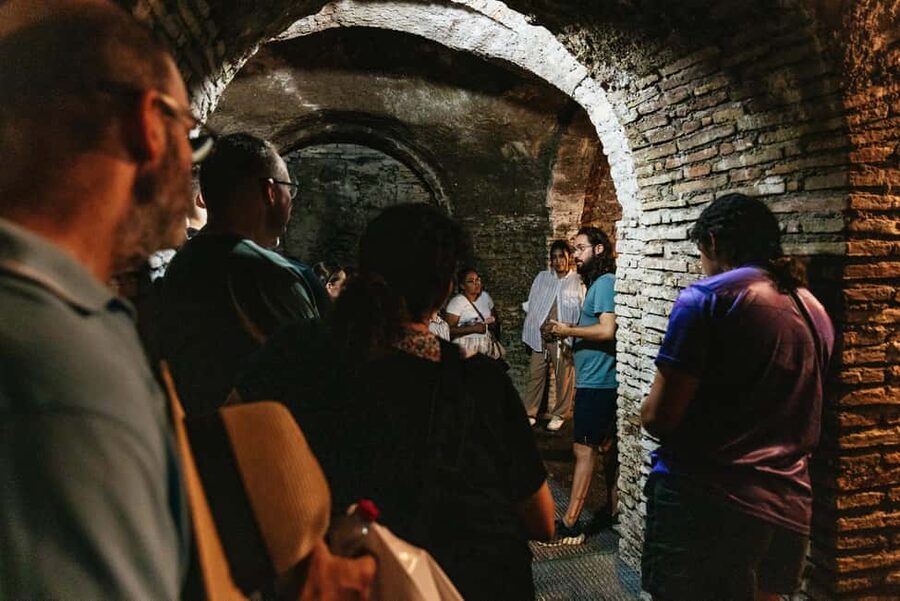
- Capuchin Crypt Bone Chapel effect, with bones arranged in floor-to-ceiling designs
- Skip-the-line entry at all three stops, so you lose less time waiting
- Audio guide at the Capuchins, letting you move at a pace that works for you
- Roman Catacombs guided tour, built around early Christian burial and worship
- San Martino ai Monti, a 4th-century church over ancient Roman foundations
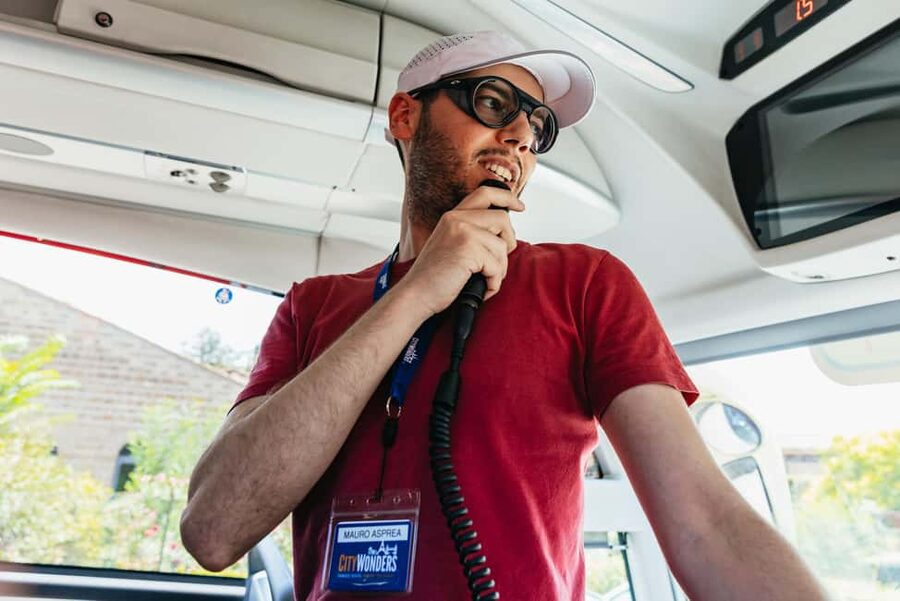
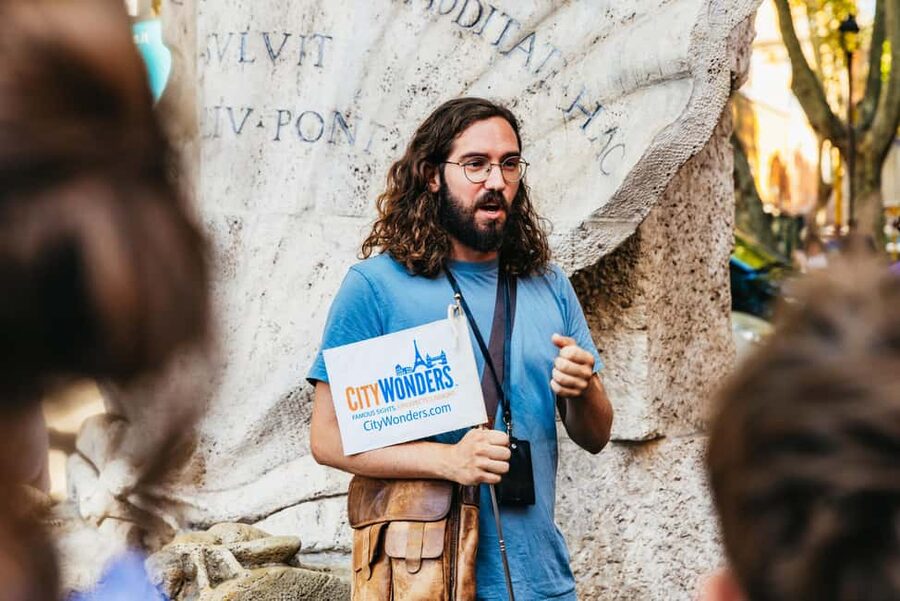
- Strong guide energy, with names like Maria, Silvia, Inti, Cat, Chris, Andrea, and Martina showing up as standout examples for storytelling and pacing
Rome Crypts and Catacombs, why this tour feels so different
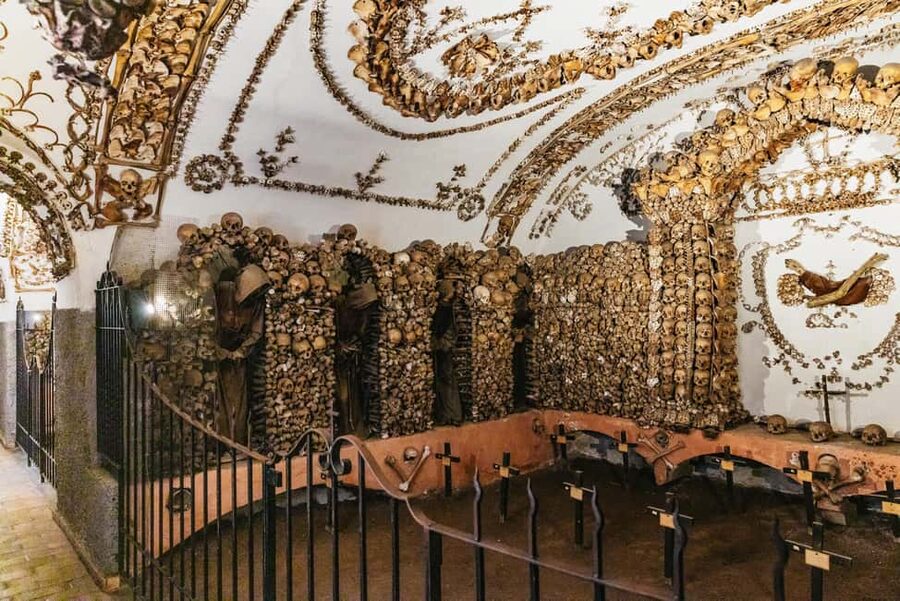
Rome above ground can be loud, sunny, and crowded. Down below, it’s different. The air cools off fast. The sounds change. And because you’re moving through spaces tied to burial and faith, the atmosphere is naturally more intense than most city tours.
This tour works because it gives you three layers of the underground story instead of one. You start with the Capuchins, where the human body becomes part of the setting in a very literal way. Next comes the Roman Catacombs, where you see the early Christian world shaped by persecution and secrecy. Then you finish at San Martino ai Monti, where the past keeps stacking up, church over older Roman structures, and underground chambers underneath it all.
It’s also a good length for a half-day. With a total time window of about 2.5 to 3.5 hours, you can fit it without losing an entire afternoon, while still getting real time at the sites.
More of underground Rome:
- The Original Roman Crypts and Catacombs Tour with Transfers
★ 4.5 · 4,896 reviews - Rome: Catacombs of St. Callixtus Entry Ticket & Guided Tour
★ 4.6 · 3,037 reviews - Rome: Guided Roman Catacombs Tour with Transfers
★ 4.6 · 1,830 reviews
Getting to Piazza Barberini and how the coach keeps things easy
You meet your guide in Piazza Barberini, near the Triton fountain. It’s right by the Barberini metro stop on Line A (the red line). If you like showing up early to avoid stress, aim to get there a few minutes before the meeting time so you can spot the group fast.
Once you start, the tour uses an air-conditioned coach for the transfers between stops. Each transfer segment is about 30 minutes, and that matters because you’re moving between sites that do not make sense to hop between on foot. It also helps if you want to save your energy for the underground walking.
No hotel pickup is included, so you will need to get yourself to Piazza Barberini. In exchange, the meeting point is central and easy to find.
Capuchin Crypt and the Bone Chapel experience: what you’re really seeing

The Capuchin Crypt visit is built around a self-guided approach, using an audio guide, with about 45 minutes at the site. That structure is smart. In a place like this, you do not need to be rushed through explanations. You can listen, look, and pause when something catches your eye.
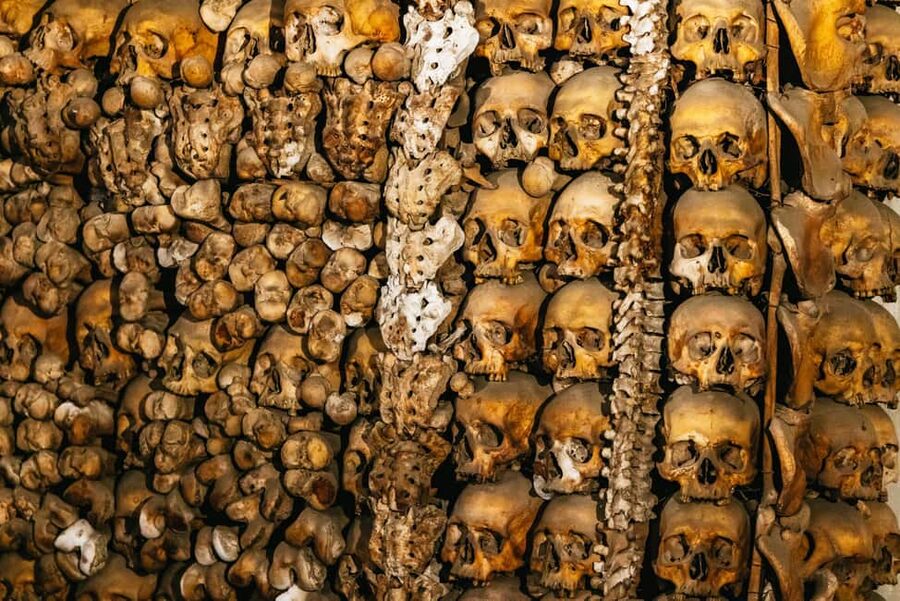
The headline is the Bone Chapel look: Capuchin monks used the bones of nearly 4,000 brothers to create intricate floor-to-ceiling decorations. It’s eerie on first glance, but what hits you after a few minutes is the idea behind it. Bodies here are not treated as something hidden away. They’re shaped into a visual language meant to stir thought about life, death, and faith.
You’ll also have time to see details that add context beyond the bones. The tour info highlights a Caravaggio painting and relics from the life of St. Francis within the Capuchin setting. Even if you do not consider yourself a church-art person, those elements help keep the experience from becoming only macabre visuals.
A small practical note: the Capuchins stop can feel a bit rushed depending on your group and timing. If you want extra time to absorb the audio, keep an eye on the clock, and don’t plan to do bathroom breaks right at the first minutes of the visit.
What to wear matters here. The tour has clear clothing rules. Shorts, short skirts, sleeveless shirts, and similar items are not allowed, and baby strollers and carriages are not accepted. So dress like you’re stepping into a church, not a beach day.
Roman Catacombs guided tour: early Christian burial and worship underground
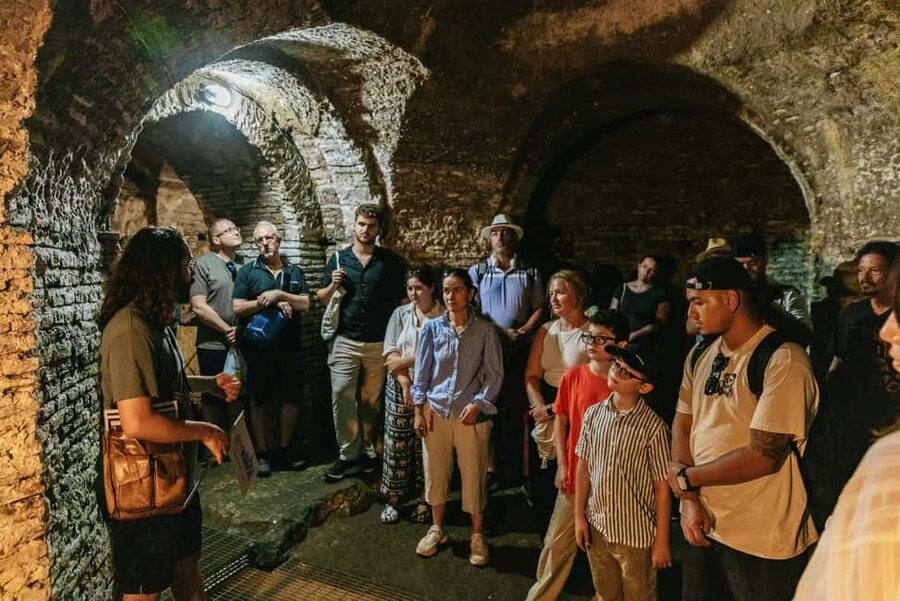
After the Capuchins, you move by coach and then head to the Catacombs of Rome for a guided tour of about 45 minutes. This is where the story shifts from one striking site to an entire underground world.
Catacombs are not just graves. They’re networks of hidden spaces that helped early Christians survive when open worship was dangerous. The tour frames it clearly: beneath persecutors’ feet, early Christians practiced a forbidden faith, and the tunnels served both as burial ground and as places connected to worship.
Inside, you explore tombs carved into rock. Your guide’s job is to connect the physical spaces to the historical reality. Expect explanations about why these spaces were used, what makes them different from above-ground burials, and how later restoration and interpretation shaped what you see today.
One thing I appreciate about a guided catacombs stop is that it keeps you from getting lost in the mood. It’s spooky, yes, and the corridors and rooms can feel tight. But with a good guide, you also get the why, not just the wow.
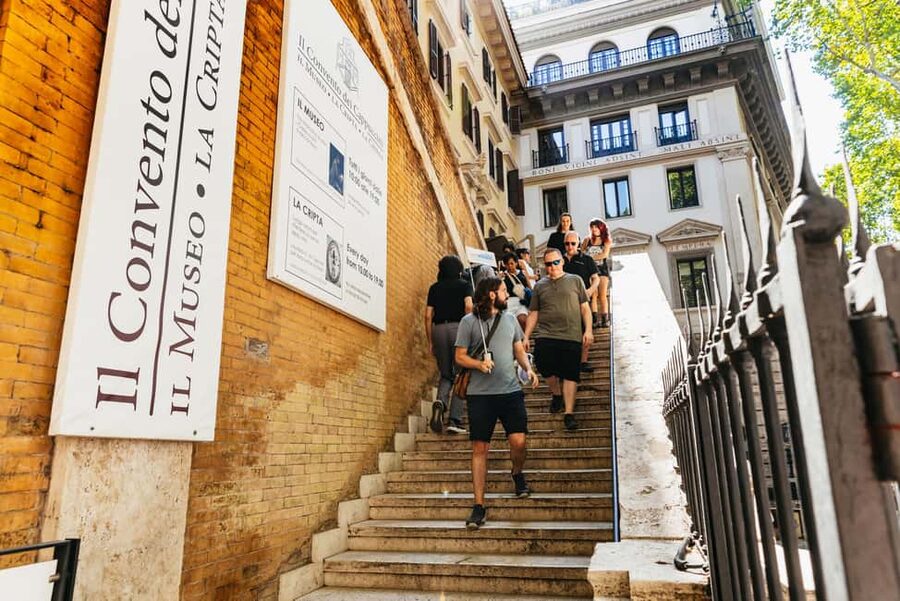
Also, plan for the realities of underground movement. The tour is not for people who need special assistance. Even for able walkers, you should expect an uneven, stair-and-corridor kind of pace. Wear shoes you trust.
One more practical expectation: photography can be restricted in the underground sections. If you care about pictures, I would still plan to rely more on memory than on your camera.
More from a Rome stay:
- Colosseum, Roman Forum & Palatine Guided Tour
★ 4.7 · 63,148 reviews - Vatican Museums, Sistine Chapel & St Peter’s Basilica Guided Tour
★ 4.5 · 39,149 reviews - Rome: Colosseum, Palatine Hill and Roman Forum Guided Tour
★ 4.8 · 32,814 reviews - Rome: Guided Tour of Colosseum, Roman Forum & Palatine Hill
★ 4.7 · 27,897 reviews
Basilica of San Martino ai Monti: Rome layered, church over ancient foundations
The last stop is Basilica of San Martino ai Monti, often described as one of Rome’s better-kept secrets. You get a guided visit of about 30 minutes, plus entry included.
The basilica’s appeal is the layered build. Dating back to the 4th century, it sits over ancient Roman foundations, so you’re literally walking through multiple eras at once. That layering is the theme of the whole tour, and this stop makes it feel concrete.
Inside, the tour info points to Baroque frescoes, ancient mosaics, and remnants of a titulus, an early Christian worship site. A titulus matters because it shows how Christians organized worship spaces long before the big public churches you might picture. It turns the underground theme into something visible, then takes you back into the idea of “hidden spaces” by offering access to underground chambers connected to centuries of faith and history.
There’s also an important timing note. On Sundays, the church visit is not guaranteed due to liturgical activities. If you’re going on a Sunday, you should mentally prepare for the possibility that the basilica portion might be limited.
Dress rules still apply, since you are entering a church setting.
After Hours option: when you should choose it over daytime
There is an “After Hours” version focused on the underground parts. It lasts about 2.5 hours and it does not include the visit to San Martino ai Monti. You still explore the Capuchin Crypt and the Rome Catacombs, just with a later timing.
Choosing after hours can make sense if you already know you want maximum time underground and you don’t care as much about the basilica finish. It’s also shorter than the full day tour, which can be easier on your schedule.
Still, if San Martino ai Monti is on your must-see list, do the daytime option so you get the full three-part arc.
Price and value: why $74.02 can be fair for this mix of sites
At $74.02 per person, this is not a budget-only activity. But the pricing matches the structure.
First, you get skip-the-line entry at three distinct locations. Lines in Rome can waste real time, and three separate sites means three separate chances for delay. Skip-the-line access is often where the value hides.
Second, you’re not traveling between sites under your own steam. The tour includes transportation by an air-conditioned coach, which is a real perk if you’re crisscrossing the city in summer heat or winter chill.
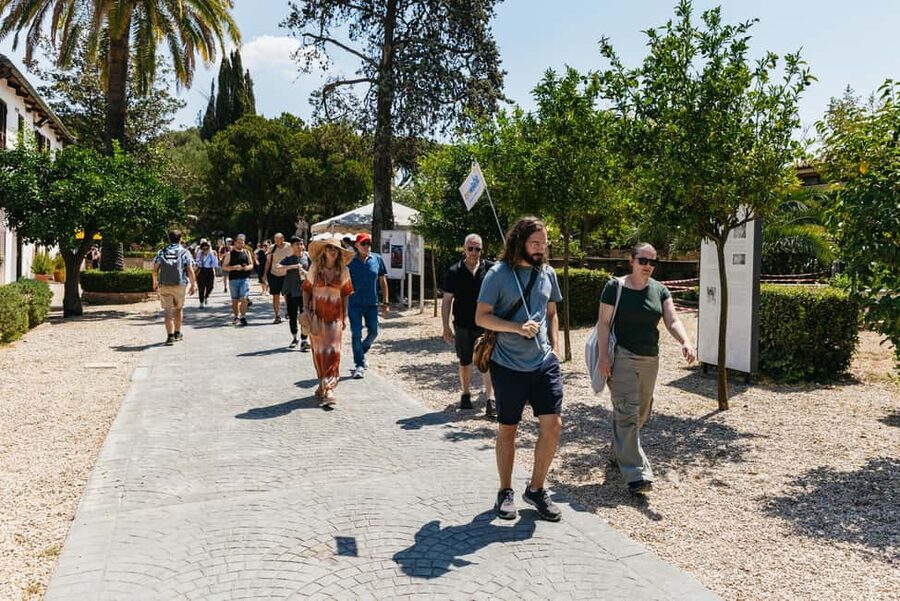
Third, the tour isn’t just one generic walking stop. You get an audio-guided experience at the Capuchins and a guided experience at the catacombs and basilica. That mix matters because it changes how you process what you’re seeing. Audio lets you control the mood at the Bone Chapel. A guide helps you understand the catacombs beyond spooky corridors.
Finally, the duration is efficient. In about a half-day, you cover the Capuchins, Roman Catacombs, and San Martino ai Monti without feeling like you’re doing three separate half-plans.
My advice: treat it as a “history with atmosphere” ticket, not a quick photo stop. If you walk in expecting a simple sightseeing circuit, it can feel intense. If you want meaning and context, it pays off.
What to expect for comfort, pacing, and photos
The underground vibe is part of the point, but comfort still counts.
Bring comfortable shoes. The catacombs and crypt-style spaces tend to involve stairs, changes in level, and walking on surfaces that are not designed for flip-flops and fashion. You’ll also want to move steadily because the tour has set time blocks at each stop.
The tour also has strict clothing rules:
- No shorts
- No short skirts
- No sleeveless shirts
Baby strollers and carriages are not allowed, and the tour is not suitable for wheelchair users.
Temperature is another factor. Even when Rome feels warm, these underground areas can feel cool quickly. Plan for a chill layer, especially if you run cold.
And if you’re a photographer, keep your expectations modest. Photography can be restricted in the underground sections on this kind of tour, so don’t build the whole experience around getting the perfect shot.
Who this tour suits best, and who should pick something else

This is a strong match if you:
- like church art and religious history, even if you’re not a deep-dive fan
- want the early Christian context, not just “tunnels full of bones”
- prefer a structured tour with skip-the-line access and coach transfers
- enjoy guides who keep the pace moving and answer questions
This is less of a match if you:
- need wheelchair access or special accommodations (the tour cannot accommodate mobility impairments)
- have trouble with stairs and uneven walking surfaces
- want a completely relaxed, unstructured museum wander
If you’re sensitive to morbid themes, go in with your expectations set. The Bone Chapel imagery is striking. The catacombs are emotionally heavier too because they connect to persecution, secrecy, and burial. It’s not gore, but it is real-world death history presented in an intentional way.
Should you book the Rome Crypts and Catacombs Underground Tour with Transfers?
Book it if you want a half-day plan that gives you three different underground windows into Rome: a Bone Chapel built from human remains, early Christian tunnels tied to worship and burial, and a basilica that shows how old Rome and Christian Rome overlap. The skip-the-line setup plus the coach transfers make it efficient, and the guided catacombs stop helps you understand what you’re actually walking through.
Skip it if you need accessibility support or you hate feeling cold and restricted in tight spaces. Also, if you cannot handle a somewhat brisk pace at the first stop, consider alternatives that offer longer time at each location.
If you’re deciding between “one underground stop” and “the full underground story,” this tour is the one that stays coherent from start to finish. You’ll leave with a very different mental map of Rome than the one you came in with.
Reviewed lately around Rome
- Colosseum, Palatine Hill and Roman Forum with Guided Tour★ 5.0 · 500 reviews
- Exclusive Golf Tour Private VIP with Local & Gelato o Wine★ 5.0 · 500 reviews
- Rome Trastevere Pasta Making Class with Eating Europe★ 5.0 · 505 reviews
- Rome by Night Walking Tour★ 4.5 · 506 reviews
- Rome: Colosseum Express Tour with Forum & Palatine Access★ 4.5 · 511 reviews
- Rome Food Experience Max 6 People Group Tour | w/Private Option★ 5.0 · 516 reviews
- Rome: Papal Audience Experience with Pope Leo XIV★ 4.8 · 518 reviews
- Rome: Navona Square Underground Ticket with Audio Guide★ 4.0 · 518 reviews
Catacombs Tours, compared.
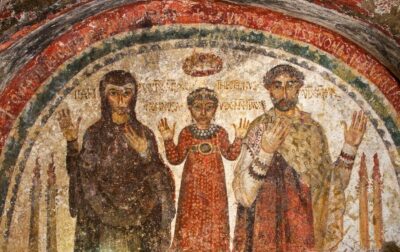
Catacombs of San Gennaro Entry Ticket & Guided Tour
Read our review →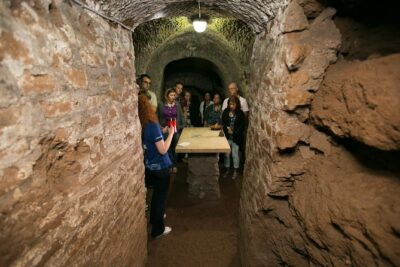
The Original Roman Crypts and Catacombs Tour with Transfers
Read our review →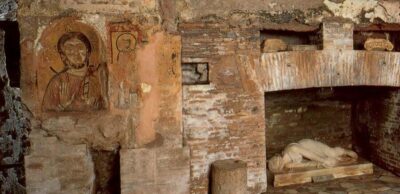
Catacombs of St. Callixtus Entry Ticket & Guided Tour
Read our review →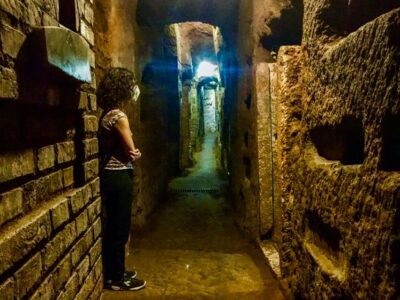

Rome EBike Tour: Appian Way, Catacombs & Roman Aqueducts
Read our review →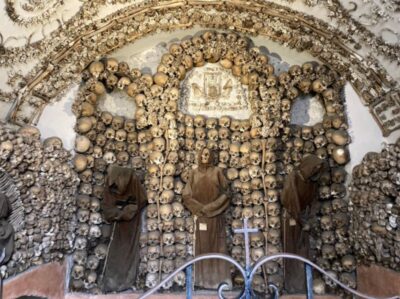
Catacombs and Capuchin Crypt Guided Tour with Transfer
Read our review →
Appian Way, Catacombs, & Roman Aqueducts E-bike Tour
Read our review →Browse the lists this tour appears in