
Reviewed · CATACOMBS TOURS
Rome: Catacombs of St. Sebastian Entry Ticket & Guided Tour
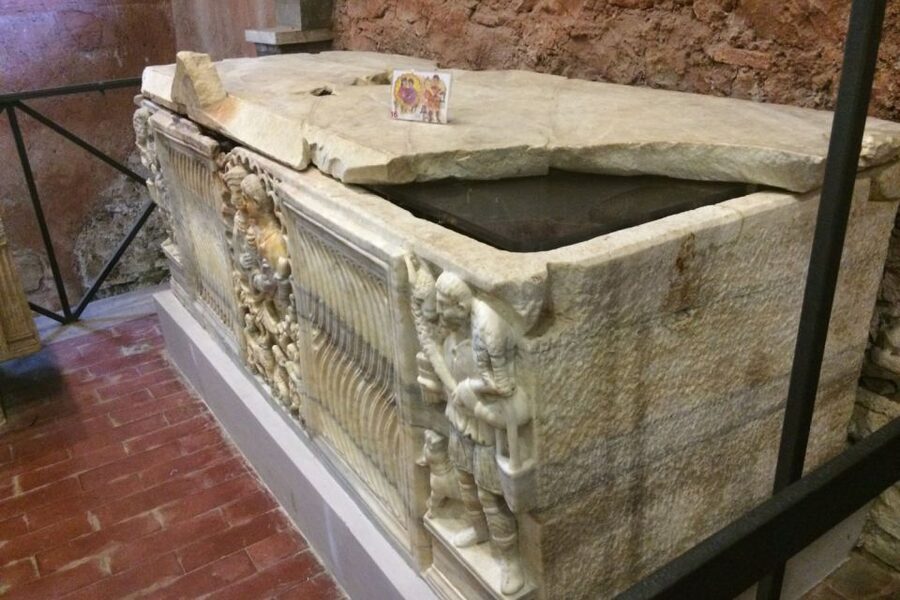
Rome’s Catacombs of St. Sebastian are interesting because you are walking through an underground burial complex that grew from quarry to cemetery to Christian landmark. Two things I really like are the well-paced guided explanation and the way you see real burial spaces tied to specific saints and early Christian sites, with guides such as Micah or Niko known for making the details click. The one thing to consider is that the tour goes below ground and in tight corridors, so it may not suit claustrophobia.
You’ll get value here because the tour is short, focused, and still packed with meaning. You also get a live guide in your chosen language, which matters underground where signs can be limited and wording gets technical fast. And yes, it can get colder lower down, so bringing a jacket is not a nice-to-have.
Key things to know before you go
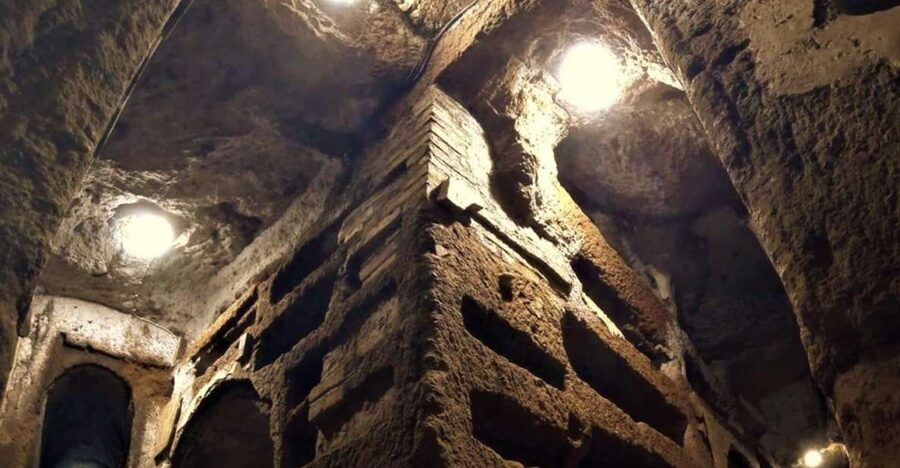
- 30 minutes underground means you get the story without a half-day commitment.
- A live guide in English, Italian, Spanish, or French helps you understand what you are seeing.
- San Sebastian’s burial area is the core focus, with context about other early martyrs.
- The site’s layers of use go from quarrying and reuse to later Christian development.
- No photography inside keeps the experience quiet and respectful.
- Not for mobility issues or claustrophobia, since spaces are tight and the route is underground.
What makes the St. Sebastian catacombs so different
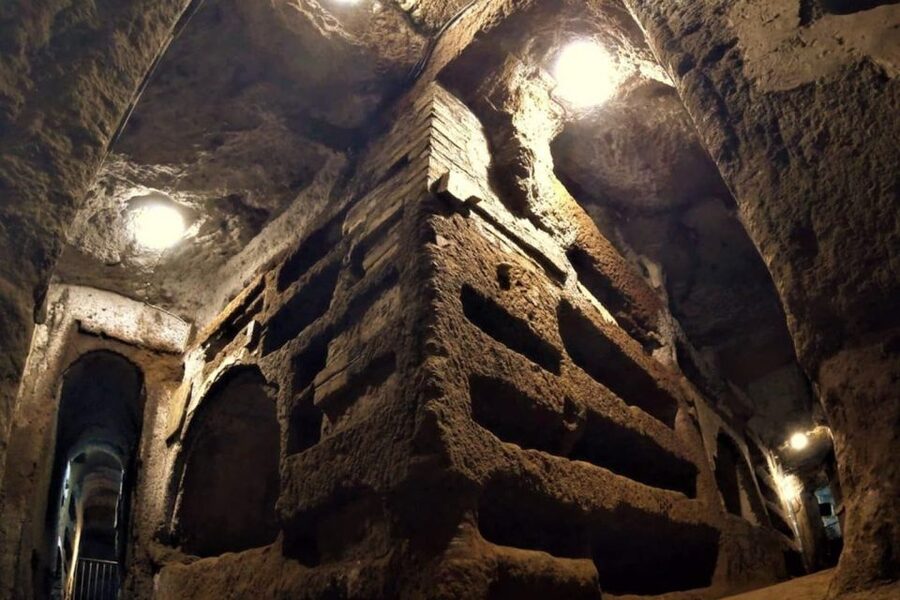
This is not just a spooky tunnel walk. The Catacombs of San Sebastiano are a site that changed roles over centuries. Long before it became known for Christian burials, the area was used as a quarry, then refitted into burial space as the underground galleries and niches evolved.
That history matters because you can actually connect physical features to human purpose. You are not staring at random holes in the ground. You are seeing how people reused existing underground structures for burial needs, then added new layers on top as worship and commemoration grew.
More of underground Rome:
- Rome: Crypts and Catacombs Underground Tour with Transfers
★ 4.6 · 5,341 reviews - The Original Roman Crypts and Catacombs Tour with Transfers
★ 4.5 · 4,896 reviews - Rome: Catacombs of St. Callixtus Entry Ticket & Guided Tour
★ 4.6 · 3,037 reviews
The ticket is simple, but timing still matters
The experience is set up as an entry ticket plus a guided tour in your chosen language, and it runs for about 30 minutes. That makes it a good fit if you want an underground break from Rome’s street heat, without losing your whole day.
Go directly to the ticket office of the catacomb and show your reservation at least 10 minutes before your scheduled tour. This is one of those places where being on time keeps the group moving, because the route can become single file in narrower sections.
No hotel pickup is included. So you’ll want to plan your own way there and arrive with a clear buffer, especially if you are pairing it with other sights.
The 30-minute flow, from first steps to deeper corridors
A guided catacomb visit is mostly about sequence. You start by getting oriented, then your guide walks you through the underground burial story step-by-step, pointing out the spaces and what they likely meant at the time.
In your 30 minutes, you should expect a compact route that hits the highlights without dragging. That short format is why many people call it a hands-on highlight. The pace works especially well if you are touring in summer or traveling with limited time for a “less traditional” attraction.
One practical note from the real-world feel of the visit: you can expect narrow passageways, so your comfort depends on how you like moving in small spaces. If you tend to get anxious underground, consider skipping this or choosing a different Rome activity.
Quarry roots: ad catacumbas and reused underground galleries
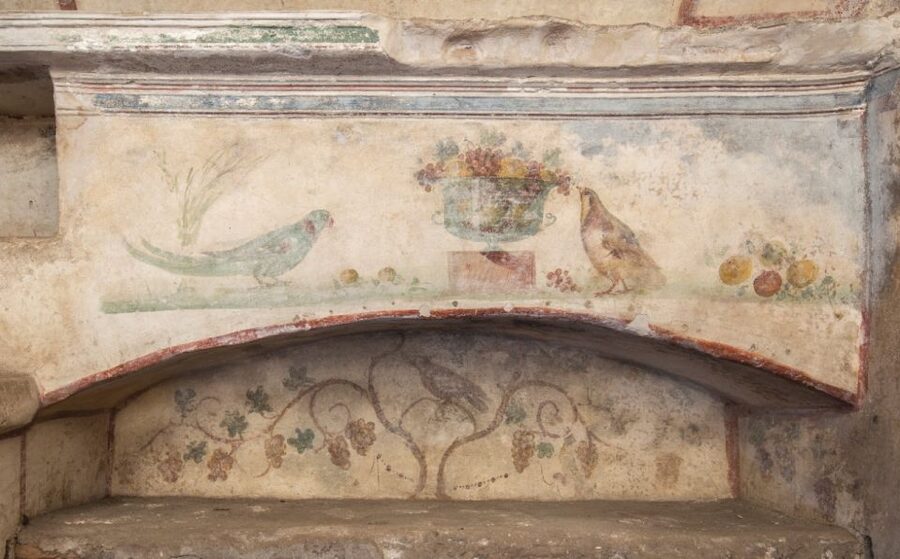
Here is the part that turns this into more than a faith-focused stop. The name that later stuck to the cemetery idea, ad catacumbas, traces back to a place near cavities, meaning the landscape once had deep depressions where material was extracted.
At first, people exploited the area as a pozzolana quarry. Later, those underground galleries were reused and expanded for burial. As the site developed, burial niches were carved into the existing underground network, turning quarry space into a cemetery system.
This is what I like about a guided visit here: the guide helps you see the logic behind what looks like simple architecture. Reused tunnels and cut-out niches become a story of continuity, not just decoration.
More from a Rome stay:
- Colosseum, Roman Forum & Palatine Guided Tour
★ 4.7 · 63,148 reviews - Vatican Museums, Sistine Chapel & St Peter’s Basilica Guided Tour
★ 4.5 · 39,149 reviews - Rome: Colosseum, Palatine Hill and Roman Forum Guided Tour
★ 4.8 · 32,814 reviews - Rome: Guided Tour of Colosseum, Roman Forum & Palatine Hill
★ 4.7 · 27,897 reviews
Mausoleums and early burial systems you can actually picture
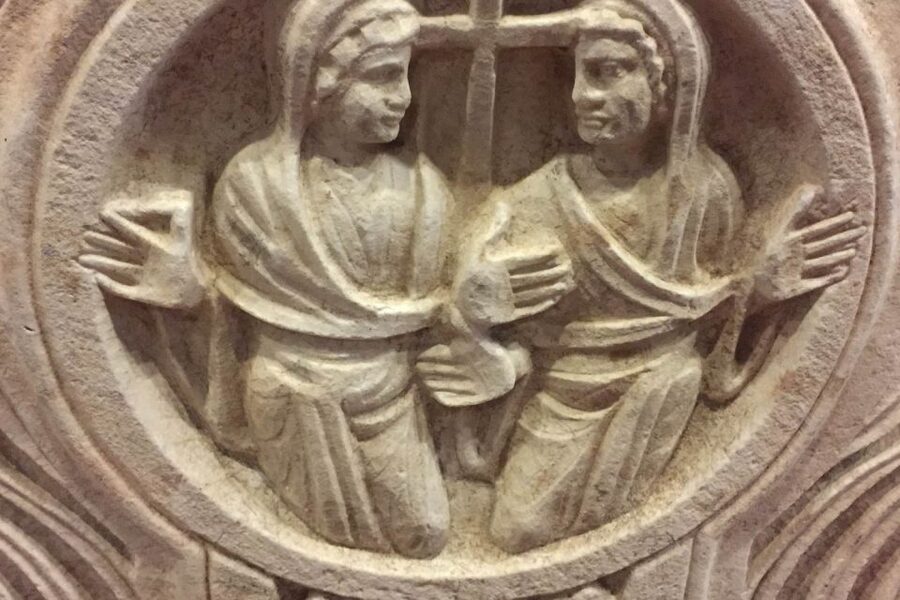
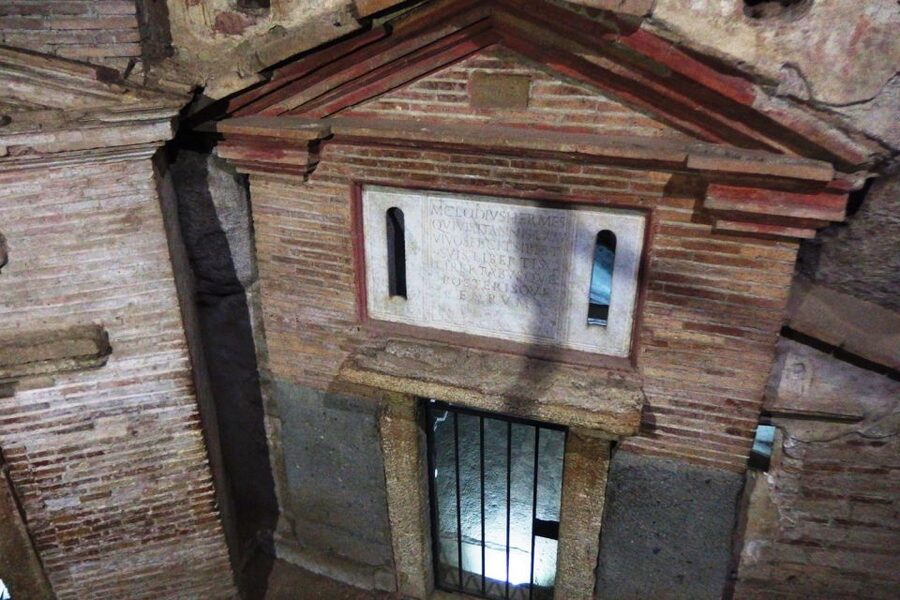
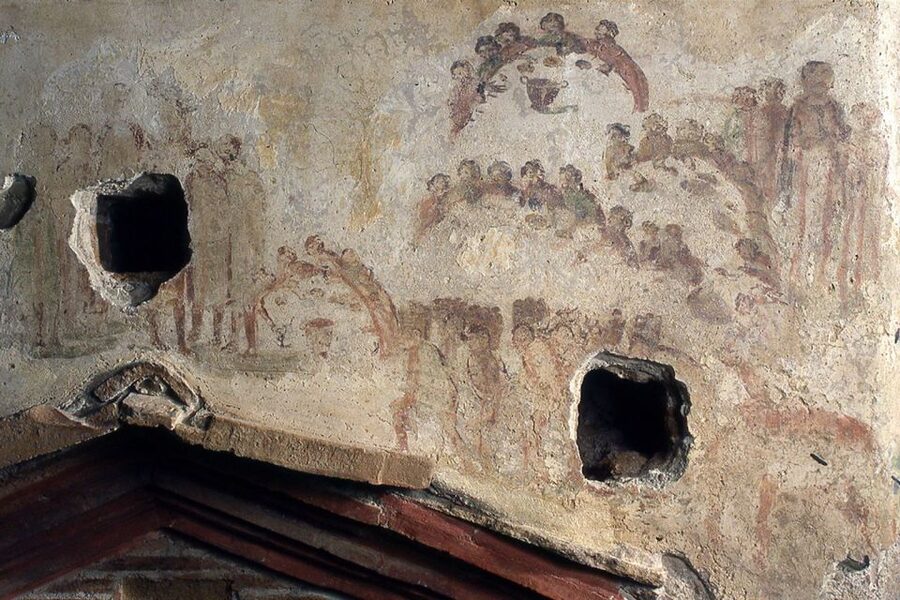
Around the middle of the second century, the bottom of the valley was buried to create a pitch, and on one side, three mausoleums were built in succession. Later burials gave room for new construction, including a portico called the triclia, bordered by a wall with graffiti invocations addressed to SS. Peter and Paul.
Even if you are not a Roman history nerd, this is where the guided tour earns its ticket price. Your guide helps you connect names and time periods to real physical locations. And you see how early worship and memory played out in public spaces, then extended underground as the site’s Christian use expanded.
Constantine’s basilica with a circus-shaped plan
One fascinating layer is what comes after the catacombs begin to grow as a burial place. Emperor Constantine had a basilica built with the shape of a Roman circus, sometimes described as a circiforme basilica.
Why should you care? Because it shows the shift from burial in hidden spaces to more formal public religious architecture. The catacombs did not stay isolated. They sat within a larger system of Rome’s evolving Christian landscape, with buildings above ground reinforcing the significance below.
If you’re the kind of person who likes seeing how a site fits into the broader city story, this is a strong payoff. The guide ties the underground to the idea that Christians were building, commemorating, and formalizing worship over time.
Saint Sebastian and the third-century martyr burials
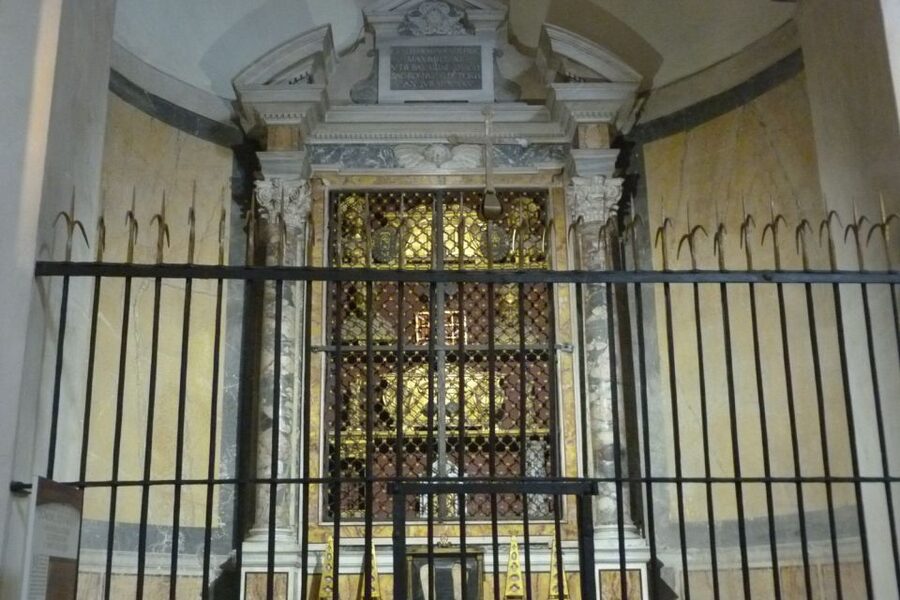
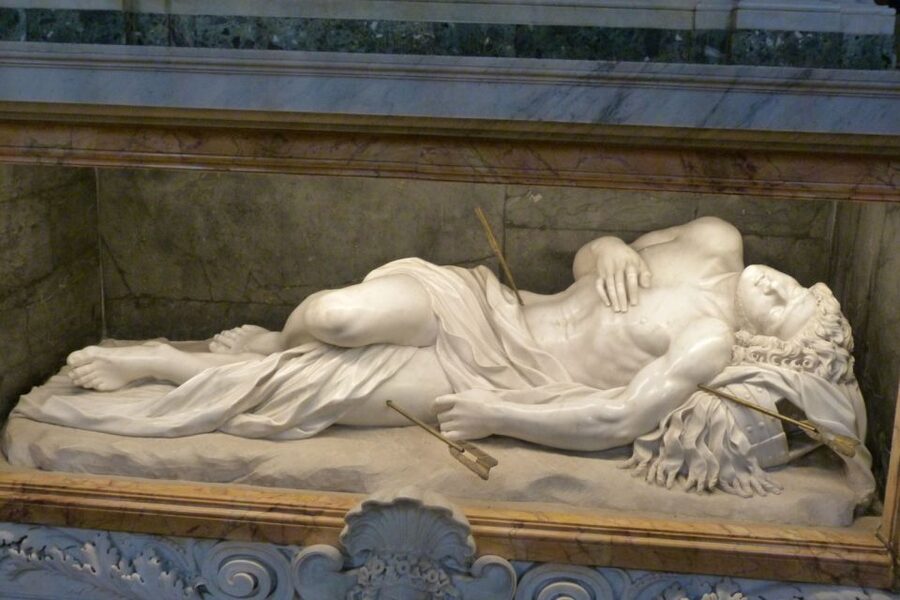
The catacomb that housed the tombs of the martyrs Sebastian and Eutichio began to develop in the third century. This is the heart of why most people buy a ticket here, because the experience is meant to center on Saint Sebastian’s story and the early community’s burial practices.
What I appreciate is that the tour does not treat this like a museum lecture. It is structured to keep you moving through the spaces that relate to those burial traditions. You get the sense of how people approached death, memory, and faith by giving the dead a place within a carefully organized underground world.
What you will not be able to do, and how that affects the mood
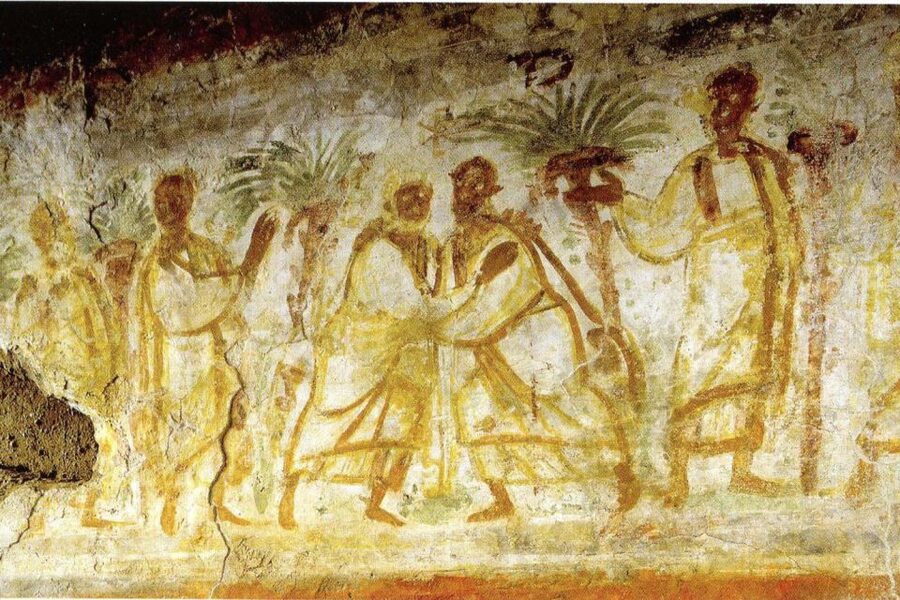
Photography is not allowed inside. That changes the vibe, in a good way. Without screens and flashbulbs, you can actually listen to the guide and pay attention to the narrow spaces around you.
Also bring comfortable shoes. Underground floors can be uneven, and you will be walking more than you expect for a “quick” tour. Plan for a route where you might need to pause in tight spots while the group gathers.
And temperature is real. You’ll want warm clothing and a jacket, since colder air can feel sharper lower down. This is one of the easiest ways to make your visit more comfortable without spending extra money.
Group size and guides: what tends to make it feel great
The biggest praise you’ll see about this experience is the guidance itself. People consistently highlight that the tours are well organized, that guides explain things clearly, and that the time feels right rather than dragged out.
A big part of that is pacing. Because the tour is about 30 minutes, the guide has to be selective. That often results in a tight route and a focus on the most meaningful elements, which is great if you do not want to spend your limited Rome hours waiting around.
You may also find that the groups are small enough that you are not constantly bumping into other people in narrow corridors. Still, you should assume some single-file moments, because the catacomb layout does not offer wide sidewalks down there.
Value check: is $16 worth it for a short underground tour
At $16 per person, this is priced like a focused activity, not a premium museum day. For me, the value comes from two things that combine well: you get the entrance ticket and a live guided walkthrough in your language, all within a short timeframe.
If you buy a ticket without a guide, you might still enjoy seeing the spaces, but you would likely miss the meaning behind quarry origins, later burial reuse, and how emperors and early Christian worship shaped the site. For an underground place like this, a guide helps you turn “I see corridors” into “I understand what these corridors were for.”
So if you want a compact, structured underground stop, this price makes sense. If you hate being in enclosed spaces or you need lots of time to linger slowly, you may feel the time limit more than you’d like.
Who this tour suits best
Book this if you like early Christian Rome and you want something different from the usual big monuments. It also works well for hot days, because being underground can feel like a break from the street-level rush.
It is a good fit for first-time Rome visitors who want a strong historical payoff in a small time window. And if you enjoy clear, friendly explanations, this tends to be the kind of tour where guides keep it understandable rather than overwhelming.
Skip it if you have mobility limitations that make underground, tight routes hard. Also skip if you have claustrophobia, since the experience is inherently enclosed and you may feel pressured by corridor width.
Should you book the Catacombs of St. Sebastian guided tour?
If you want an efficient, meaningful underground experience, I’d say yes. The 30-minute guided format is the sweet spot: enough time to learn how the site evolved, not so long that you feel stuck.
But be honest about your comfort. If enclosed spaces stress you out, or if you struggle with mobility on uneven underground floors, look for a different Rome option. If you can handle tight corridors and cold air, this is one of those rare places where the guide helps you see the story in the walls.
FAQ
How long is the guided tour?
The tour is listed as 30 minutes.
What is included in the $16 ticket price?
Your purchase includes the entrance ticket plus a guided tour in your chosen language.
Where do I go to start the experience?
Go directly to the ticket office of the catacomb and show your reservation. Plan to arrive at least 10 minutes before the scheduled tour time.
What languages are available for the guided tour?
The live tour guide is offered in English, Italian, Spanish, and French.
Can I take photos inside the catacombs?
No. Photography inside is not allowed.
Is this tour suitable for people with mobility impairments or claustrophobia?
It is not suitable for people with mobility impairments and it is also not suitable for people with claustrophobia.
What is the cancellation policy?
You can cancel up to 24 hours in advance for a full refund.
Reviewed lately around Rome
- Colosseum, Palatine Hill and Roman Forum with Guided Tour★ 5.0 · 500 reviews
- Exclusive Golf Tour Private VIP with Local & Gelato o Wine★ 5.0 · 500 reviews
- Rome Trastevere Pasta Making Class with Eating Europe★ 5.0 · 505 reviews
- Rome by Night Walking Tour★ 4.5 · 506 reviews
- Rome: Colosseum Express Tour with Forum & Palatine Access★ 4.5 · 511 reviews
- Rome Food Experience Max 6 People Group Tour | w/Private Option★ 5.0 · 516 reviews
- Rome: Papal Audience Experience with Pope Leo XIV★ 4.8 · 518 reviews
- Rome: Navona Square Underground Ticket with Audio Guide★ 4.0 · 518 reviews
Catacombs Tours, compared.
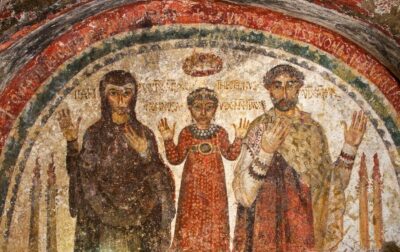
Catacombs of San Gennaro Entry Ticket & Guided Tour
Read our review →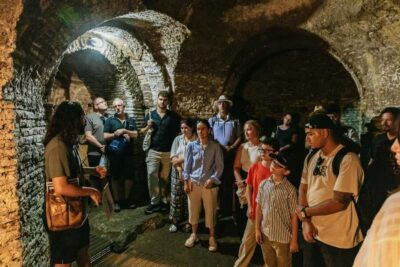
Crypts and Catacombs Underground Tour with Transfers
Read our review →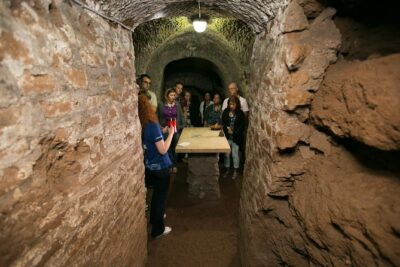
The Original Roman Crypts and Catacombs Tour with Transfers
Read our review →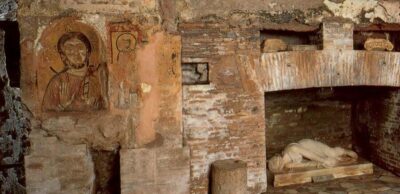
Catacombs of St. Callixtus Entry Ticket & Guided Tour
Read our review →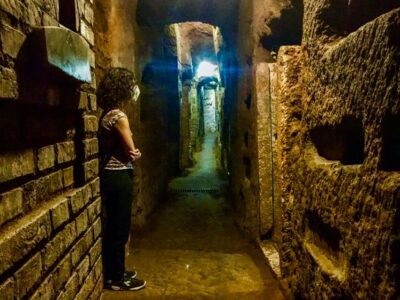
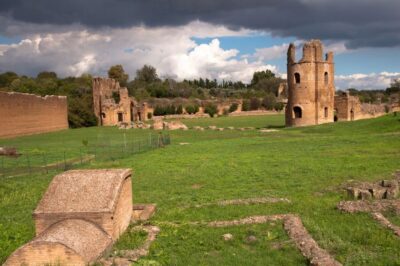

Rome EBike Tour: Appian Way, Catacombs & Roman Aqueducts
Read our review →
Catacombs and Capuchin Crypt Guided Tour with Transfer
Read our review →Browse the lists this tour appears in