

Reviewed · AUDIO TOURS
Rome: Navona Square Underground Ticket with Audio Guide
Piazza Navona looks like a classic Roman showpiece, then you learn there’s a stadium under your feet. This ticket takes you to the Stadium of Domitian archaeological site, 5 meters below street level, using an audio guide to stitch it all together.
I like how the experience mixes real remains with photos, panels, and 3D visuals so you can actually picture what this place was. I also like the practical self-guided pace, including an audio option designed for kids, so you can linger for photos without feeling rushed.
One heads-up: the underground area can feel smaller than expected, and on some days you may notice street sounds while you’re listening, which can break the illusion a bit.
Key Things to Know Before You Go
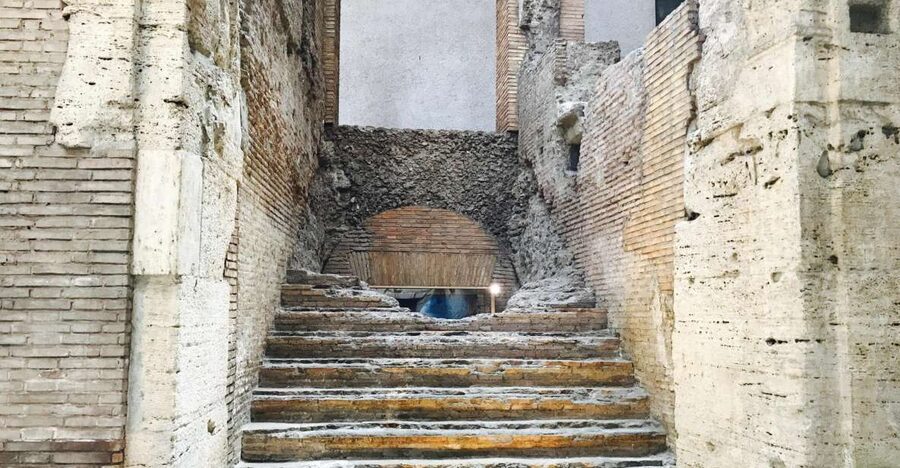
- 5 meters down under Piazza Navona: you’re walking through the buried stadium footprint, not just looking at a display
- Audio guide in 7 languages: Spanish, English, French, German, Italian, Russian, and Portuguese
- Visuals that explain the site: you’ll see unpublished photos, panels, and 3D renderings that help the ruins make sense
- High-capacity arena context: you learn how up to 30,000 spectators were divided in the stadium
- Option to add an aperitif or wine tasting: staff can reserve your table at a viewpoint after the tour
- It’s mostly self-guided: a few people found station numbering and audio alignment a little confusing
Why This Hidden Stadium Under Piazza Navona Is So Interesting
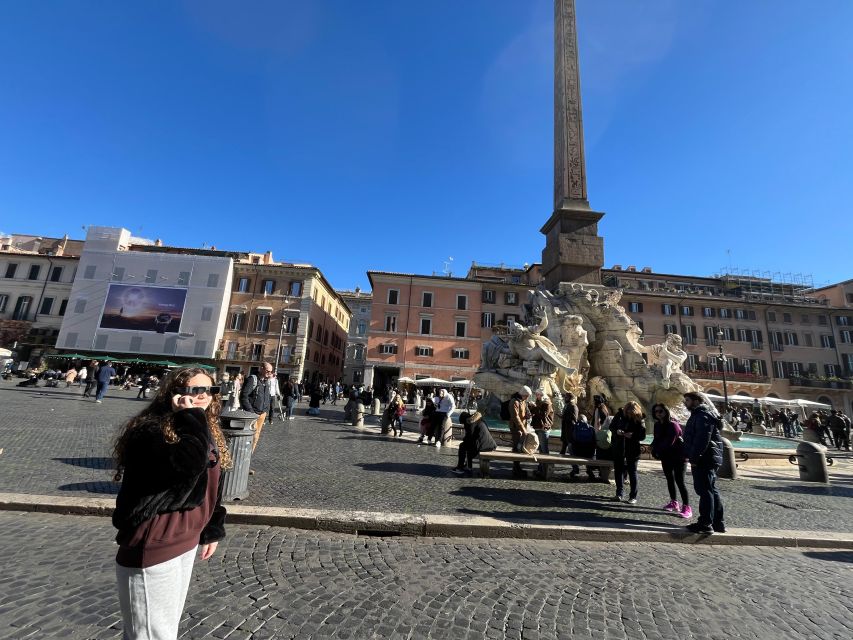
The cool part is the contrast. At street level, Piazza Navona is all baroque curves, fountains, and everyday Roman life. Then the tour gets you to the one place in central Rome where you can see how the ancient city handled sports, crowd movement, and architecture.
The Stadium of Domitian was built from masonry, and the site you visit is preserved about 5 meters below the current piazza. That depth changes the whole feel of the experience. You’re not “touring” a monument from above, you’re walking around what used to be an event arena footprint, with details that were part of entryways and structure.
More Rome bookings worth a look
- Rome: Pantheon Fast-Track Ticket and Official Audio Guide
★ 4.3 · 21,008 reviews - Rome: Colosseum, Forum, Palatine Hill Entry & Audioguide App
★ 4.4 · 10,957 reviews - Rome: St. Peter’s Basilica & Dome Entry Ticket & Audio Tour
★ 4.2 · 7,537 reviews
Redeeming Your Voucher and Finding the Right Spot
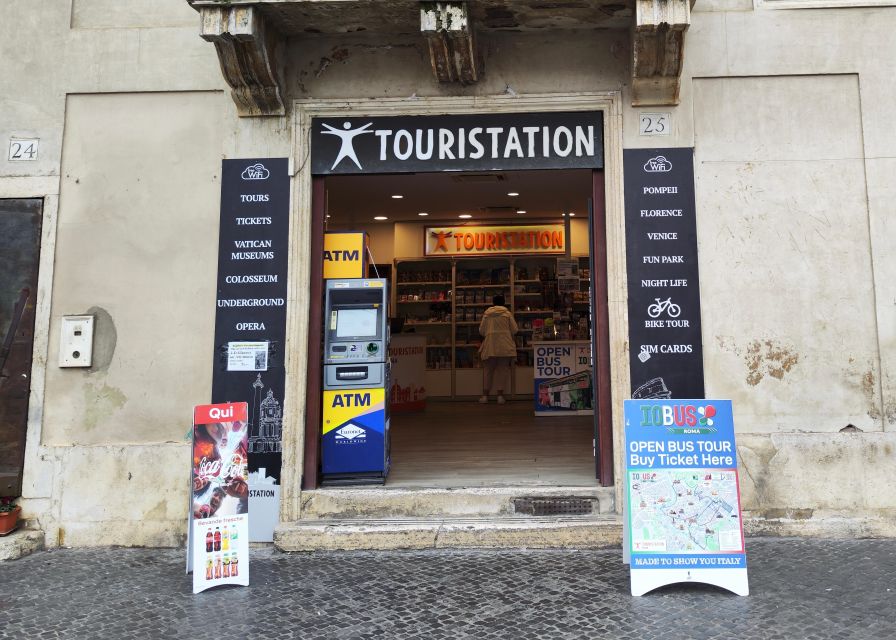
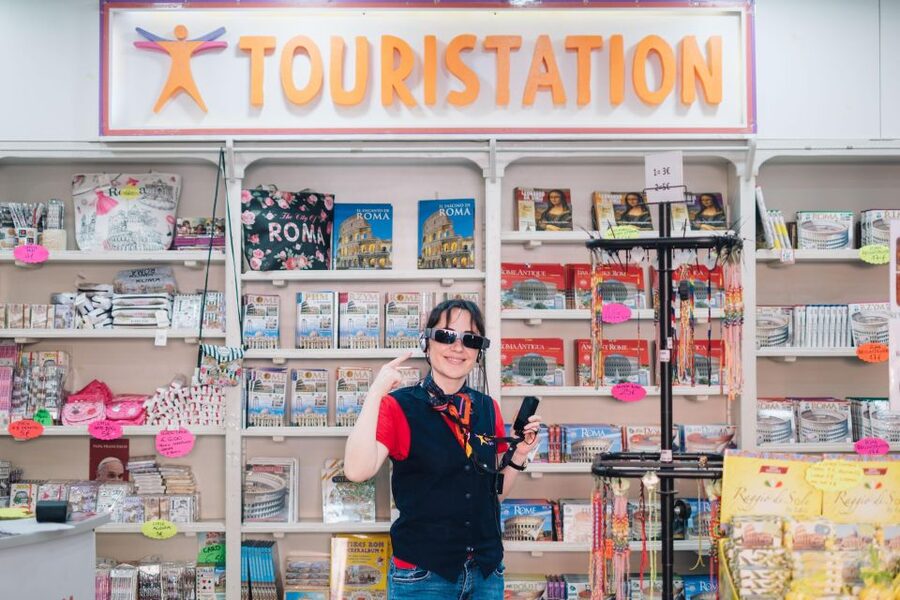
Your trip starts with one simple goal: get your ticket without wasting time. You redeem your voucher at the tourist point in front of the main fountain at Piazza Navona, address 25.
Here’s a practical tip: plan for a short moment of back-and-forth if you have a phone voucher. Some visitors reported needing an extra step to exchange it for a printed ticket at a ticket office before entering. Everyone was patient, but it can add a few minutes, so don’t schedule this at the last possible minute before your next big reservation.
Once you’re set, it’s straightforward to get into the underground area. The site is marked clearly, and the audio guide does a good job of telling you what to look at.
Going Underground 5 Meters to the Stadium of Domitian
The main event is the descent and the walk through the ruins of the Stadium of Domitian. You’re literally going below street level, and you’ll follow the audio guide through numbered stations.
This is the part where the tour earns its keep. The audio doesn’t just give dates. It helps you connect the physical remains to how the stadium worked, including how spectators were arranged and how entrances were built.
The underground space includes a mix of:
- Ruins you can walk around
- Explanatory panels
- Unpublished photographs
- Video and 3D renderings that help you visualize the stadium in its original form
A lot of value here comes from how well those visuals support the real stones and fragments. Without them, the site can look like a small set of remains. With them, it becomes a story you can follow.
How the Audio Guide Works, and When It Gets Tricky
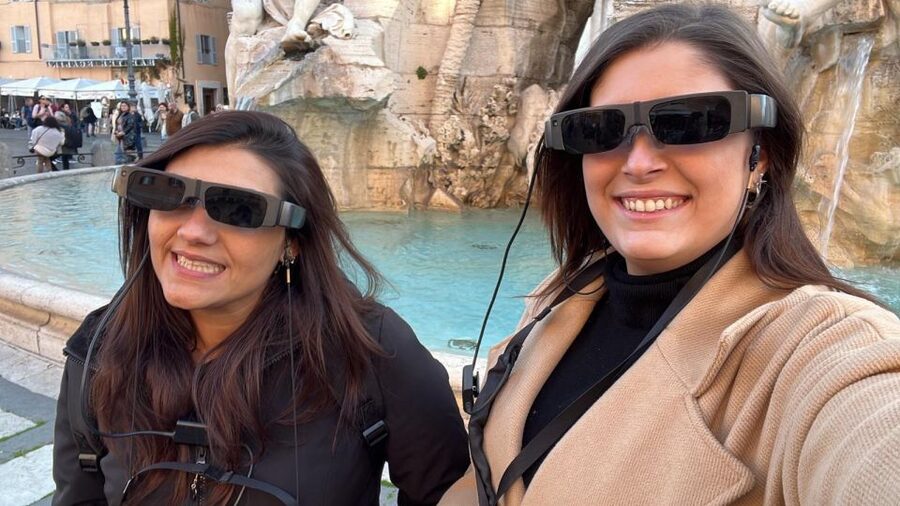
This is a self-guided experience, and the audio guide is the engine. You get options in Spanish, English, French, German, Italian, Russian, and Portuguese, so you can keep the narration in your comfort zone.
In practice, the experience feels easy when:
- You follow the numbered stations in order
- You pause long enough to look at the architectural details the narrator references
- You use the visuals as a “map” for what the ruins represent
However, there are a couple of friction points to know:
- Some people said the station numbering felt mixed or confusing in the space
- A few noted moments where audio and the related visuals didn’t line up perfectly, or the sound wasn’t as clear as they wanted
My advice: don’t rush between stations. If you feel unsure, stop and re-orient yourself. Look for the panels and the station numbers before pressing play again. It turns “confusing” into “fine” fast.
Also, if you’re traveling with kids, there’s a special audio guide option designed for them. One family mentioned their 5-year-old loved it because the child could use an audio pen and map on their own. That’s a big deal for keeping children engaged in an underground setting.
A different Rome day to consider:
- Colosseum, Roman Forum & Palatine Guided Tour
★ 4.7 · 63,148 reviews - Vatican Museums, Sistine Chapel & St Peter’s Basilica Guided Tour
★ 4.5 · 39,149 reviews - Rome: Colosseum, Palatine Hill and Roman Forum Guided Tour
★ 4.8 · 32,814 reviews - Rome: Guided Tour of Colosseum, Roman Forum & Palatine Hill
★ 4.7 · 27,897 reviews
What You’ll See: Entrances, Materials, and the 30,000-Spectator Arena
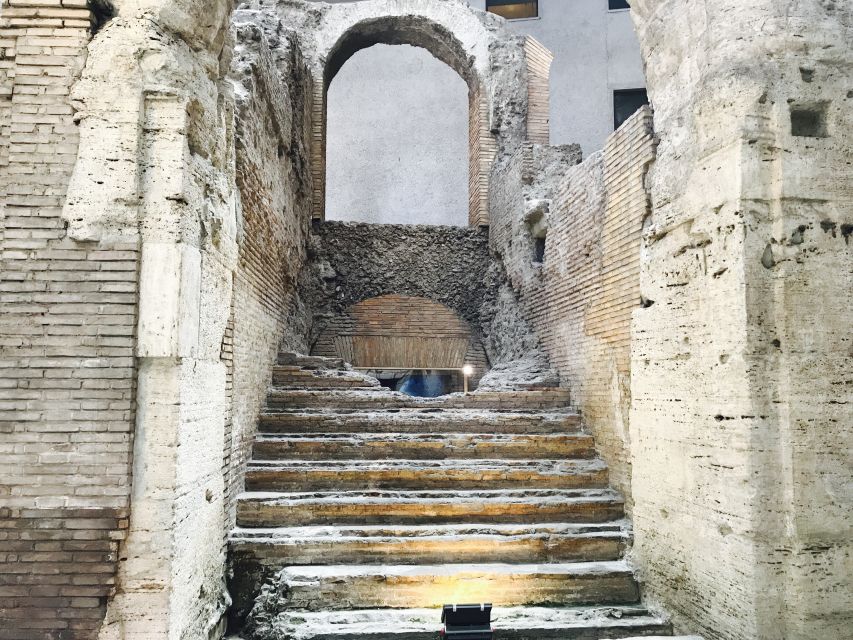
Even though the underground site is not huge, it’s detailed. The narration points out architectural clues like travertine blocks, brickwork, and marble columns at the main entrances.
That matters because it explains why ruins feel satisfying. You’re not just looking at empty space. You’re learning how the stadium was built, and what specific materials were used where people entered and moved through the venue.
Another standout concept is audience capacity and division. The audio explains that the arena could hold up to 30,000 spectators, and it describes how those crowds were divided. That’s not trivia for trivia’s sake. It helps you understand how Romans managed seating, movement, and visibility during major events.
You’ll also hear about how Piazza Navona developed into the piazza you know today. This is the bridge between ancient stadium life and modern Roman street life. Once you hear that, the above-ground piazza feels less random and more like the latest layer of a long-running city pattern.
Timing: How Long the Underground Walk Usually Takes
The tour is set up for a one-day visit, but the actual time on site is what matters for planning your Rome day.
From visitor experience, expect roughly:
- About 45 minutes to around an hour for the full circuit when you listen to everything at a normal pace
So if you’re building a day around major landmarks, you can fit this in before or after something bigger without feeling like you’re sacrificing half your itinerary.
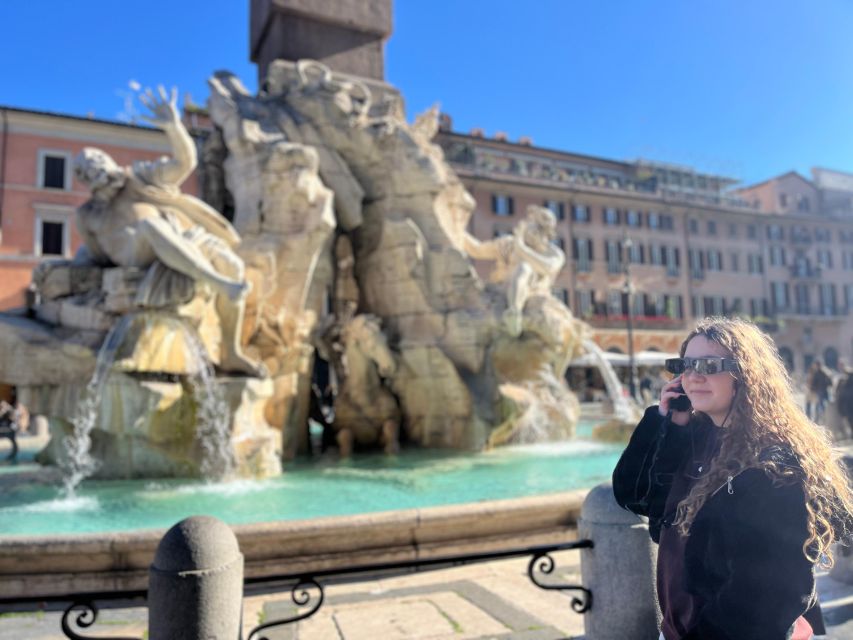
If you’re the type who likes to linger for photos, you’ll probably stretch that toward the hour mark. People also mentioned good opportunities for photos and selfies with Roman highlights, though the underground portion itself is compact.
The Size Question: Small, But Not Meaningless
Yes, this site can feel smaller than you might picture. Multiple visitors specifically said it was smaller than expected, and one even thought it was not worth it on a tight first-time Rome schedule.
Here’s my take on value. If you come expecting a massive underground museum complex, you may feel underwhelmed. If you come with curiosity, you’ll likely feel the opposite.
This works best as:
- A focused “Roman sports and spectacle” stop
- A break from the crowds at the big monuments
- A chance to see Roman engineering in a form you can walk through
The best comparison is not “Is it as big as the Colosseum?” It’s “Do you want to understand what happens beneath a celebrated piazza, where crowds once gathered for competition?”
Optional Aperitif or Wine Tasting, and Whether It’s Worth Adding

You can upgrade your experience with an aperitif option. This includes one cocktail and snacks, served at a fascinating viewpoint in the heart of Rome. If you choose this option, staff reserve your table.
There’s also a wine tasting option that includes two wines paired with a traditional appetizer board.
Is it worth the add-on? If you want a smooth end to your underground time, it can be a nice payoff. After you’ve listened to the stadium story, you’re in Rome’s atmosphere again, with time to sit, snack, and compare notes on what you just saw.
If you’re already doing a separate aperitivo plan elsewhere, you can skip the upgrade and keep your evening schedule flexible. The core value is still the underground ticket and audio guide.
Practical Tips for a Smoother Visit

A few small things can make the difference between a smooth visit and a slightly annoying one.
- Start earlier rather than later. Some visitors found it not too busy, which makes self-guided tours easier.
- Bring patience for the voucher step. If you need to exchange a phone voucher for a printed ticket, it can add a few minutes.
- Expect some street noise. One person noted the experience wasn’t as underground as they expected because you can hear street sounds while listening.
- Strollers and prams: it’s not especially pram friendly based on visitor feedback, so if you’re pushing one, plan for tight movement and take it slow.
- Budget an hour for listening and walking, plus a few extra minutes if you want the gift shop.
Clean facilities are another plus. People mentioned toilets and a gift shop that feels like part of the experience, not an afterthought.
Who This Underground Ticket Suits Best
This ticket fits you if you like:
- Roman history that’s hands-on, not just viewing from a distance
- The story of sports and rulers, especially the crowd-management side of it
- Self-guided travel where the audio guide can set the pace
- Compact experiences that still feel meaningful
It may be less ideal if:
- You only have a day and you want the biggest, most famous monuments first
- You dislike audio tours or find station-based navigation annoying
- You’re expecting a very large site
For families, it can work well because of the dedicated kids’ audio option. For solo travelers, it’s a calm way to get a different Rome layer than the usual photo stops.
Should You Book This Rome Underground Stadium Ticket?
I’d book it if you want one of the most direct “beneath the city” experiences in central Rome. For $18, you get the underground entry plus an audio guide in seven languages, and you can add aperitif or wine tasting if you want an easy finish.
Skip it only if you’re chasing only the grandest monuments, or if you know you hate audio-guided navigation. This isn’t a huge underground museum. It’s a focused walk through the Stadium of Domitian remains, made understandable by audio narration, panels, and 3D visuals.
If you’re curious, this is one of those Rome moments that turns the piazza you’ve seen a hundred times into something new, literally from the ground down.
FAQ
Where do I redeem my voucher for the Piazza Navona underground ticket?
You redeem your voucher at the tourist point in front of the main fountain at Piazza Navona, 25.
What is included with the ticket?
The ticket includes entry to the Stadium of Domitian underground archaeological site and an audio guide. If you choose the option, it also includes an aperitif.
Do I need a guided tour?
No. This experience is self-guided with an audio guide. A guided tour is not included.
How many languages is the audio guide available in?
The audio guide is available in Spanish, English, French, German, Italian, Russian, and Portuguese.
How long does the experience take?
The activity is listed for 1 day, and visitors often complete the underground walk in about 45 minutes to around an hour.
What can I expect to see underground?
You descend about 5 meters below street level to explore the ruins of the Stadium of Domitian, including details such as travertine blocks, brickwork, and marble columns at main entrances, plus visuals like unpublished photos, panels, and 3D renderings.
Is there an option to add an aperitif or wine tasting?
Yes. You can add an aperitif option with one cocktail and snacks, with staff reserving your table at a viewpoint. There’s also a wine tasting option with two wines and a traditional appetizer board.
Is transportation included?
No. Transportation is not included.
What about cancellation or booking flexibility?
You can cancel up to 24 hours in advance for a full refund. There is also a reserve now and pay later option mentioned.
Is the site wheelchair accessible?
Yes, the experience is wheelchair accessible.
Reviewed lately around Rome
- Colosseum, Palatine Hill and Roman Forum with Guided Tour★ 5.0 · 500 reviews
- Exclusive Golf Tour Private VIP with Local & Gelato o Wine★ 5.0 · 500 reviews
- Rome Trastevere Pasta Making Class with Eating Europe★ 5.0 · 505 reviews
- Rome by Night Walking Tour★ 4.5 · 506 reviews
- Rome: Colosseum Express Tour with Forum & Palatine Access★ 4.5 · 511 reviews
- Rome Food Experience Max 6 People Group Tour | w/Private Option★ 5.0 · 516 reviews
- Rome: Papal Audience Experience with Pope Leo XIV★ 4.8 · 518 reviews
- Rome: Escorted Papal Audience Experience with Entry Ticket★ 4.4 · 518 reviews
Audio Tours, compared.
Pantheon Fast-Track Ticket and Official Audio Guide
Read our review →
Pompeii: Entry Ticket with Optional Audio Guide
Read our review →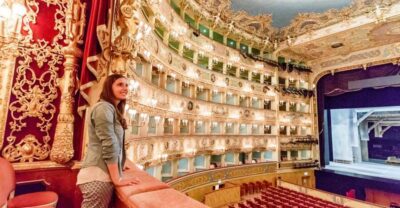
La Fenice Opera House Entry Ticket with Audio Guide
Read our review →
St. Peter’s Basilica & Dome Entry Ticket & Audio Tour
Read our review →
Cathedral & Brunelleschi’s Dome Ticket & Audio App
Read our review →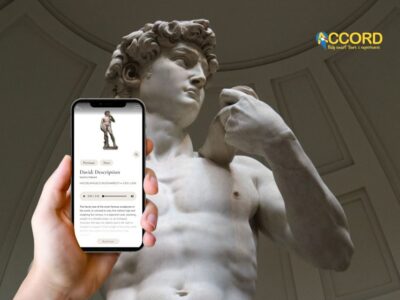
Michelangelo’s David Priority Ticket & Audio App
Read our review →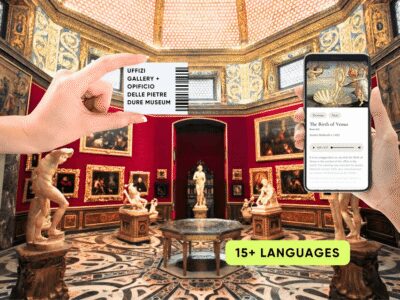
Uffizi Priority Ticket & Masterpieces Audio App
Read our review →
City Sightseeing Hop-On Hop-Off Bus with Audio Guide
Read our review →Browse the lists this tour appears in