
Reviewed · WINE TOURS
Montepulciano: Wine Tasting and Cellar Tour
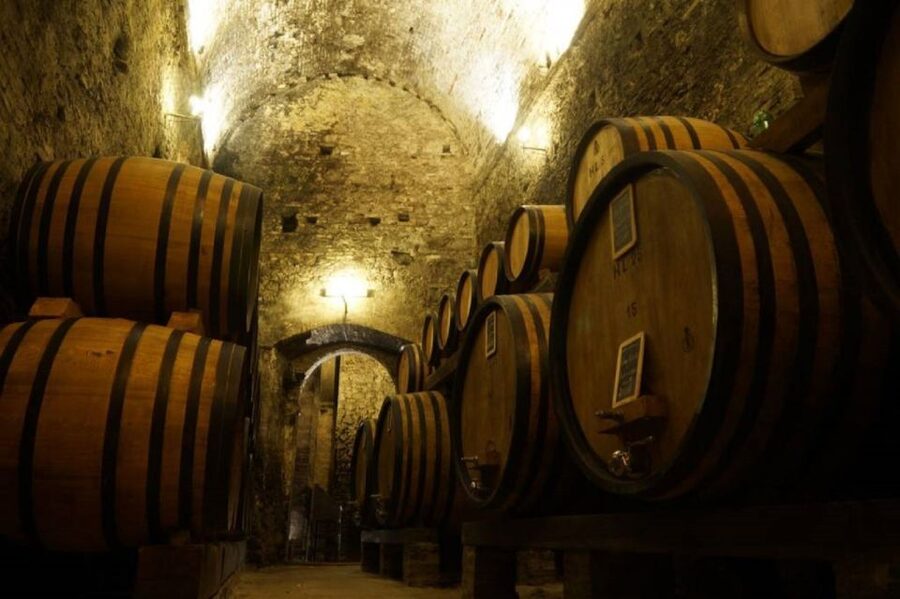
This Montepulciano wine tasting and cellar tour is interesting because it takes you into the underground rooms where the town’s noble reds are aged and kept steady year after year. I love the barrel-lined cellar and the focused DOC and DOCG wine tasting. One possible drawback is simple to plan around, transportation is not included and the meeting spot is in a car-free center, so parking matters.
I also like how the food pairing keeps things local, with pecorino cheese and bruschetta topped with extra-virgin olive oil. If you’re lucky enough to get guides like Mirko or Emilio, the history of the family cellar turns from dates and names into something you can picture.
This is a tight, rewarding 1-hour experience in the middle of Montepulciano, so it works well when you want wine and context without the long drive and half-day commitment.
Key highlights to know before you go
- Medieval cellar setting in Montepulciano that feels like a real working wine space, not a staged museum
- Barrels from Slavonia oak plus French wood showing how wood choice shapes the wines
- 5 DOC and DOCG tastings of Montepulciano wines, with some guests reporting an extra pour
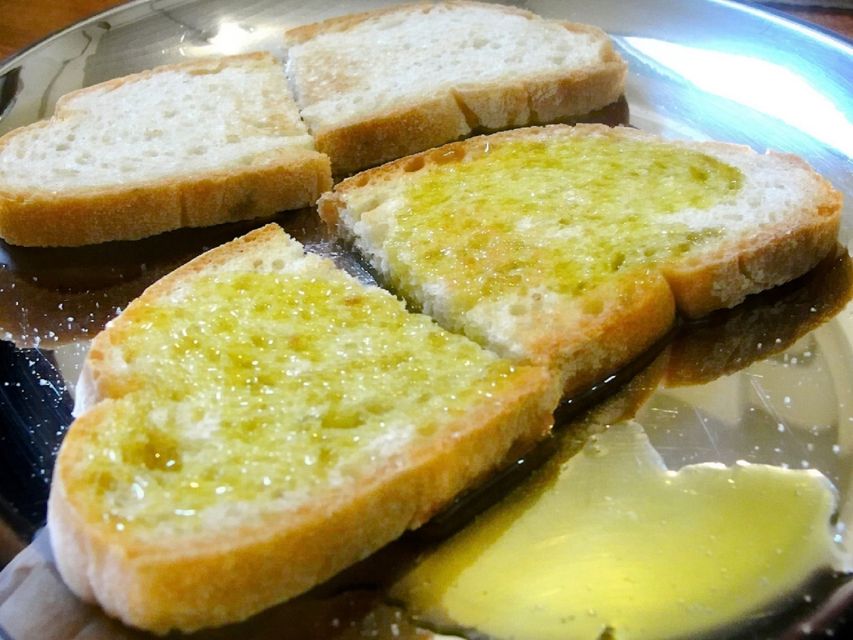
- Pecorino cheese selection plus bruschetta with extra-virgin olive oil for a proper bite with each tasting
- Tufa soil and ancient fossils explained as part of why the grapes can taste so distinctive
- English or Italian live guides, with many guests praising guide energy and storytelling, including Mirko, Emilio, Debi, and Ron
Inside Montepulciano’s wine cellar, why the setting matters
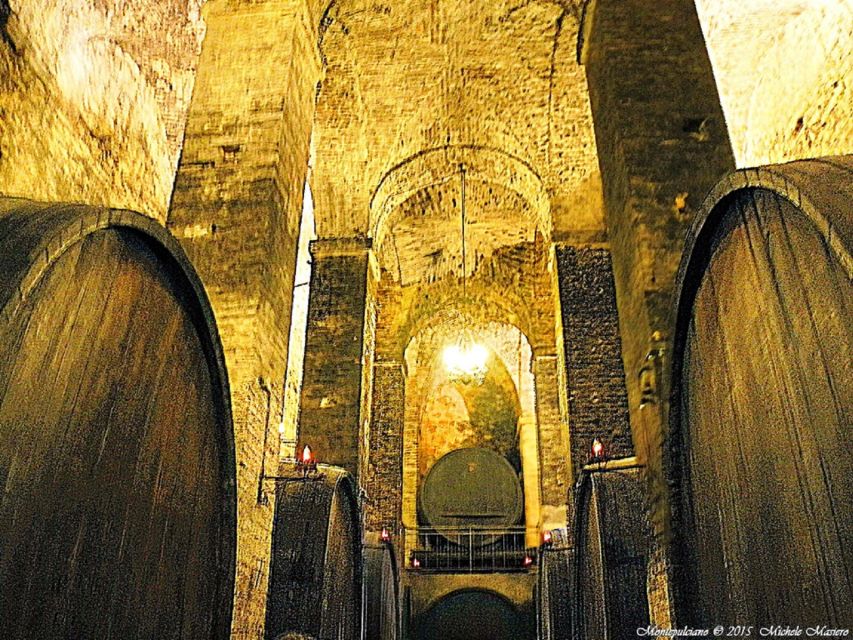
If you care about wine, the setting is not decoration. In Montepulciano, your tasting happens in the kind of cellar that keeps temperature and humidity stable, which means the aging process is consistent. That matters for what you smell and taste in a single glass.
This tour also leans hard into place. The guide talks about the sandy tufa soil of the area and even mentions fossils found there, pointing to ancient origins. That might sound like trivia, but it gives you a mental map for what makes this part of Tuscany feel different from the next valley over.
And yes, it’s beautiful in a very practical way. Think rows of barrels, wooden textures, and a sense that this is still used the way cellars were meant to be used. In several reviews, people liken it to a wine cathedral, and that feeling comes from the scale and the atmosphere.
The 1-hour plan, what you’ll do step by step
This is a short tour by design, you’re not signing up for a day trip. The experience is centered on a guided walk through the cellar, followed by tastings and a food pairing.
In the cellar portion, you’ll see the wine storage in action. The focus is on the barrels and what they’re made of, because wood choice is one of the levers winemakers can control. You’ll also hear the history and traditions behind winemaking in Montepulciano, including how families developed their practices over time.
Then you’ll move into the tasting part. You’ll get a selection of wines labeled as DOC and DOCG di Montepulciano, paired with cheeses and bruschetta with extra-virgin olive oil. The tasting portion is where the guide’s explanations click into flavor, because you can connect what you heard in the cellar to what you taste in your glass.
A small note to keep expectations realistic: the listed tasting is 5 wines. Some guests report tasting 6 wines total, so plan to be pleasantly surprised if you get an extra pour, but don’t count on it.
The barrels you’ll see: Slavonia oak and French wood aging
One of the strongest parts of this tour is the barrel room itself. You don’t just get a quick glance at a few casks, you get a guided look at long rows of storage and the wood types used.
The tour specifically highlights barrels made from quality woods, including Slavonia oak for aging and barrels made from French wood stored alongside. That setup is useful for you because it explains why two wines from the same overall region can still taste different. Oak is not just oak. Different forests and cooperage traditions influence the aroma and texture you pick up later.
This is also where you start tasting with more intention. After the guide explains the wood choices, you can pay attention to how the wine smells and feels. You’ll be listening for the way the wine’s structure shows up, not just whether you like it.
What wines you’ll sample, and how to read DOC and DOCG
The tasting includes 5 wines DOC and DOCG di Montepulciano, which is exactly the kind of detail I like when picking a wine tour. It gives you a clear idea of what you’re paying for, not just a vague promise of samples.
DOC and DOCG labeling matters because it signals rules around origin and quality. In practice, it helps protect the identity of the wines you’re tasting, and it can help you compare bottles from similar “family” categories without feeling lost.
Since this is Montepulciano-focused, you should expect the tasting to center on the town’s noble style. It’s also a good moment to ask your guide what differs between the wines in your specific flight. Guides often talk through what makes each wine distinct, whether it’s texture, aromas, or how it pairs with cheese and bread.
Food pairing that actually works: pecorino and bruschetta
A wine tasting without good bites can feel like two separate experiences. Here, the food is built into the flow.
You’ll get a selection of pecorino cheeses of various ages. That’s a smart pairing choice because pecorino’s sharpness and salty bite can handle the structure of red wines. “Various ages” matters too, because younger pecorino tends to feel milder while older versions can get sharper and more complex. You’ll taste those differences against the wine.
Then there’s bruschetta with extra-virgin olive oil and typical crostini. That combination keeps things grounded in classic Tuscan flavors. It also helps with palate resets. After a heavier pour, the bread and oil give you something familiar and steady before the next sip.
In a few reviews, people also mention charcuterie or cured meats alongside the cheeses and bread. The official description centers on pecorino plus bruschetta, so treat cured meats as a possible add-on rather than a promise.
Guide energy, and why some tours feel memorable
This tour’s quality is strongly tied to the guide. Many reviews praise the same pattern: guides who know the material, but also know how to keep it fun.
Guests call out guide enthusiasm and humor repeatedly. Names that show up with extra praise include Mirko, Emilio, Debi (and Debbies), and Ron. A common thread is storytelling that connects the cellar’s physical details, like barrels and storage, to the family traditions that run it.
One practical advantage for you: when a guide can explain the “why,” the tasting becomes more useful. Instead of just tasting and moving on, you learn what to notice. That turns a one-hour visit into something you can use later when you’re ordering wine back at home.
Price and value, is $38 a fair deal
At $38 per person for a 1-hour tour, the value depends on what’s included, not just the headline price. In this case, you get far more than a sip-and-walk.
What you’re paying for includes:
- A live guide
- 5 DOC and DOCG di Montepulciano wines
- A pecorino cheese selection
- Bruschetta with extra-virgin olive oil and typical crostini
If you compare this to the cost of buying multiple bottles for a casual tasting or paying for wine and food separately, $38 starts to look reasonable. It’s also a good price point for a short visit. You get a concentrated experience without committing to a long day or a bus ride.
The only “value risk” is if you’re the kind of wine drinker who hates structured tastings. If you want total freedom to wander and taste at your own pace, a guided format may feel slightly fast. But if you like learning while you taste, this is a strong fit for the money.
Where to meet in Montepulciano, parking tips for the no-car center
The cellar is in the center of Montepulciano, in a no-car zone. That’s common in medieval Italian hill towns, and it’s also why this tour works so well once you’re already there on foot.
For parking, the tour recommends Parking S. Donato or Parking P8. Plan on a short walk from one of those areas to get to the meeting point. If you arrive by taxi or private car, you may still need to park outside the center and walk.
One more small practical caution from guest feedback: signage outside the meeting area can feel unclear. If you have any trouble finding the exact entrance, don’t waste time guessing. Ask someone nearby or check with your guide once you’re at the correct courtyard or building.
Who this tour suits best, and who should skip it
This tour is a good match if you want:
- A focused wine education without a long itinerary
- Montepulciano-specific tastings, not a generic Tuscany sampling
- Real cellar atmosphere, with barrels and aging explained
- Food pairing that stays local, pecorino and bruschetta
It might be less ideal if:
- You hate guided experiences and want to self-direct
- You’re only interested in sightseeing and not tasting
- You’re relying on transportation that you don’t have, since transportation is not included
If you’re visiting Montepulciano with limited time, this kind of hour-long cellar visit is a smart way to add value to your day. It also pairs well with an evening wandering session in town, because you’re done quickly and still have energy.
Should you book this Montepulciano wine cellar tour?
Book it if you want a high-quality, short tasting that teaches you what you’re tasting. The biggest selling points for me are the barrel-focused cellar visit, the clear inclusion of 5 DOC and DOCG wines, and the fact that you eat something with it, pecorino plus bruschetta with extra-virgin olive oil.
Skip it only if you’re very anti-structure, or if you’re not able to handle the no-car zone logistics. Otherwise, for $38 and an hour, this is one of the most practical ways to get Montepulciano wine culture in your notebook, and maybe a bottle or two in your bag.
FAQ
How long is the Montepulciano wine tasting and cellar tour?
The duration is 1 hour.
How much does it cost, and what’s included?
It costs $38 per person and includes a guide, 5 wines DOC and DOCG di Montepulciano, a selection of pecorino cheeses, bruschetta with extra-virgin olive oil, and typical crostini.
Where is the meeting point, and how do I park?
The cellar is located in the center of Montepulciano in a no-car zone. The recommended parking options are Parking S. Donato and Parking P8.
Is transportation included?
No, transportation is not included.
What languages are the tours offered in?
The live tour guide is available in English and Italian.
How many wines will I taste?
The tour description lists a selection of 5 wines DOC and DOCG di Montepulciano.
What is the cancellation policy?
Free cancellation is available up to 24 hours in advance for a full refund.
More Wine Tastings in Montepulciano
- Tuscany Day Trip from Florence: Siena, San Gimignano, Pisa and Lunch at a Winery
★ 5.0 · 21,634 reviews - Florence: Pasta Cooking Class with Unlimited Wine
★ 4.9 · 10,285 reviews - Florence: Chianti Wineries Tour with Wine Tasting
★ 4.5 · 8,301 reviews - Small-Group Wine Tasting Experience in the Tuscan Countryside
★ 5.0 · 7,392 reviews
Wine Tours, compared.
Tuscany Day Trip from Florence: Siena, San Gimignano, Pisa and Lunch at a Winery
Read our review →
Small-Group Wine Tasting Experience in the Tuscan Countryside
Read our review →
Pasta & Tiramisu Cooking Class with Unlimited Wine
Read our review →
Pisa, Siena and San Gimignano Day Trip with Lunch & Wine Pairing
Read our review →
Tuscany & Montepulciano Day Trip with Lunch & Wine Tasting
Read our review →Browse the lists this tour appears in