

Reviewed · HERCULANEUM TOURS
Herculaneum: Skip-the-Line Guided Tour with Archaeologist
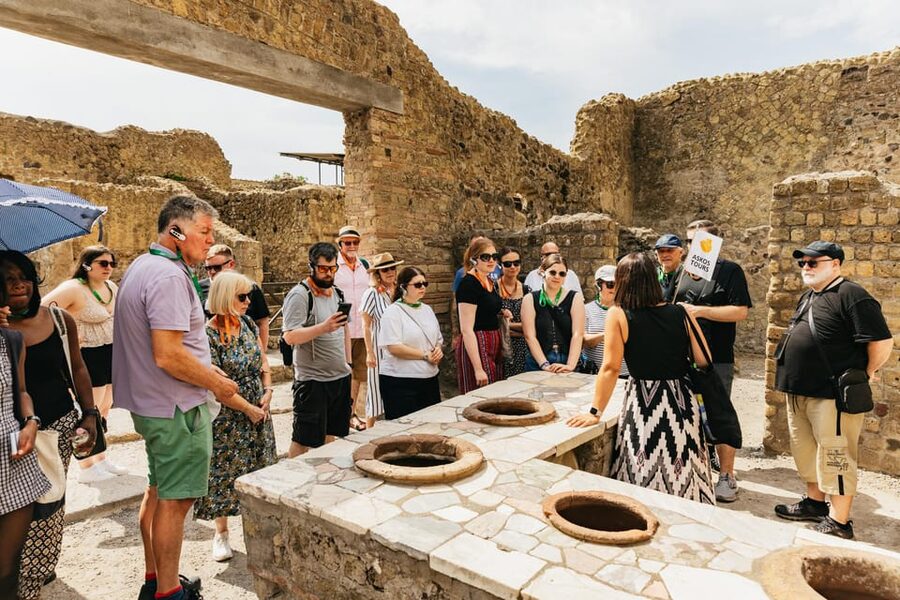
Herculaneum hits different because it is not just ruins, it is a whole Roman world that stopped mid-day, then got protected by the Vesuvius disaster. In a compact space, you can walk through homes, public buildings, and the shocking waterfront where people tried to escape.
I especially like having an archaeologist guide. The best guides (think Luciano Leone, Diego, or Teresa) explain what you are seeing in plain language, and they often compare Herculaneum directly with Pompeii so the contrasts actually stick. I also love the skip-the-line entry paired with admission fees included, because it turns your time into site time, not waiting in a queue.
One consideration: the site is large and very exposed, so plan for sun or rain. Also, it is not suitable for wheelchair users or people with mobility impairments, and the walking can add up fast in close quarters.
What Makes This Tour Worth It
- Skip-the-line access keeps your 2 hours focused on the ruins, not the ticket line.
- Archaeologist-led storytelling makes domestic life, public spaces, and the eruption feel connected.
- Key houses get real context, including the Casa dei Cervi and the House of Neptune and Amphitrite.
- You see the human scale of disaster at the waterfront, with remains of more than 300 people.
- Headsets help you follow the guide, especially if your group stretches out a bit.
- Well-preserved art and materials are part of the explanation, from ceramics to wall paintings and mosaics.
Herculaneum’s Power: A Roman Port Frozen by Vesuvius
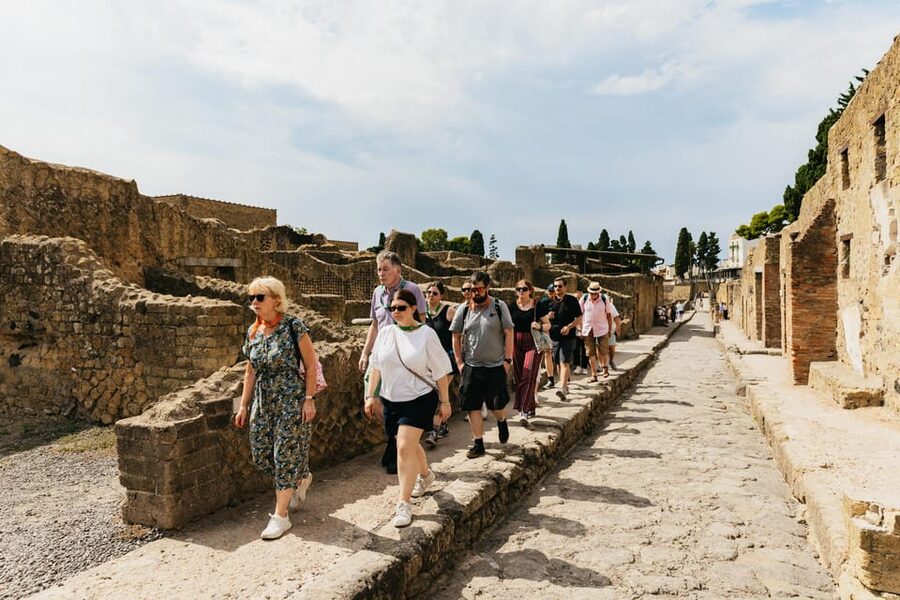
If you already know about Pompeii, Herculaneum will still surprise you. The big difference is how preserved it can feel. You do not just look at foundations. You often see surfaces, spaces, and details that help you picture daily life with less guesswork.
This tour frames Herculaneum as a former port town where wealthy merchants and nobility lived, worked, and socialized. Then you get the grim timing: their lives ended dramatically fast when Vesuvius erupted nearly 2,000 years ago. In this place, the disaster is not a side note. It is woven through what you stand in front of, from building types to what was left behind.
And because Herculaneum is more compact than Pompeii, a good guide can cover meaningful ground without rushing you through everything. You leave with a clearer sense of how Romans organized their world, not just what survived.
Skip-the-Line Entry That Actually Saves Your Day
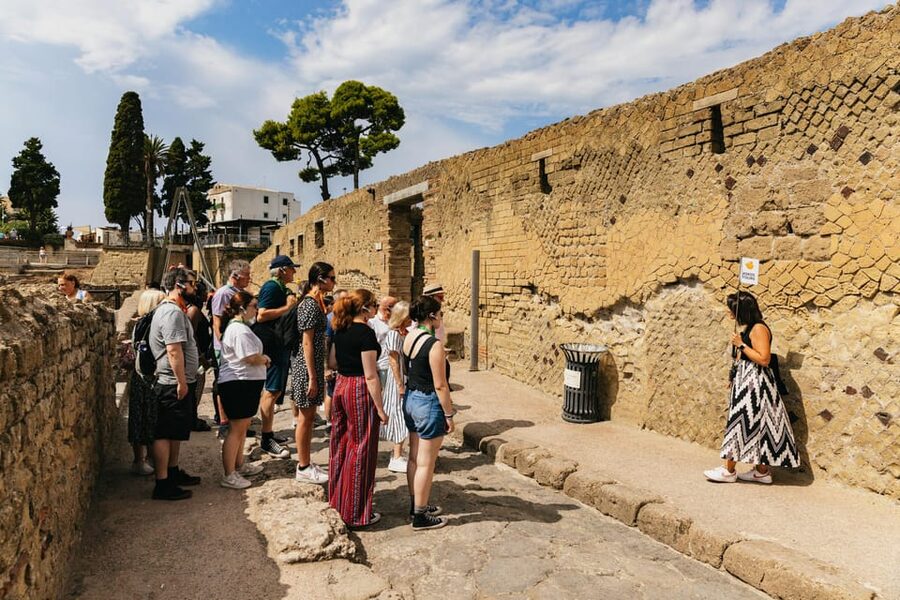
At Herculaneum, lines can eat up your energy. This tour’s skip-the-line access is a big deal because it protects your short time window. With only 2 hours scheduled, you will feel the difference between walking into the site right away versus losing time before you even start.
Also, admission fees are included. That matters for value, because Herculaneum entry is not a token fee. The site lists adult tickets at 16.00 euros, with a reduced rate for EU citizens aged 18 to 25. When your tour price includes entry, you are paying for guided interpretation, headsets, and the archaeologist, not just the grounds.
The meeting point is straightforward: meet at the Herculaneum Ruins ticket office, and your guide will be holding an Askos Tours sign. Plan to arrive a little early so you are not doing stress math on where the sign is.
More of Herculaneum:
- Herculaneum Small Group Tour and Ticket With an Archaeologist
★ 5.0 · 994 reviews - Herculaneum: Skip-the-Line Entry Ticket with Audio Guide
★ 4.3 · 870 reviews - From Naples: Pompeii & Herculaneum with Archaeologist Guide
★ 4.8 · 665 reviews
2 Hours With an Archaeologist: What the Tour Feels Like
This is a live guided walk of 2 hours. You get an archaeologist guide, admission included, and headsets. In practice, headsets are what let the guide keep moving and still narrate clearly. If you end up toward the back, audio can be weaker, so if you care about every detail, try to stay in the middle of the group.
The guide’s approach is where the tour earns its reputation. People praise the way archaeologists tell the story, not just list facts. You get comparisons that help you understand why the eruption played out differently here, and you also get explanations tied to specific spaces you can physically see.
The pacing is designed to hit a wide set of highlights without turning it into a slideshow. You should come ready to walk, then listen. If you arrive with curiosity, the time goes quickly.
Languages offered include English, Italian, German, Spanish, and French, so you are not stuck with a one-size-fits-all script.
Casa dei Cervi: Domestic Life You Can Actually Picture
The tour’s first major home stop is the Casa dei Cervi. Even if you do not know a single Roman term, you can still read the space. Houses like this are built to show status and daily rhythm, with rooms that supported both private family life and public-facing moments.
What I like about focusing on a house early is that it gives you an anchor. After you see domestic life, the public buildings later make more sense. The guide can connect materials, design choices, and everyday habits to who lived here, including the wealthy merchant and noble layer of the town’s population.
A drawback of any ruins tour is that you will not always see everything in one perfect view. Plan on looking from more than one angle and paying attention to what the guide points out, especially when you are told what is original, what was recovered, and what survived.
Casa di Nettuno ed Anfitrite and the House of Neptune: Art That Remains Specific
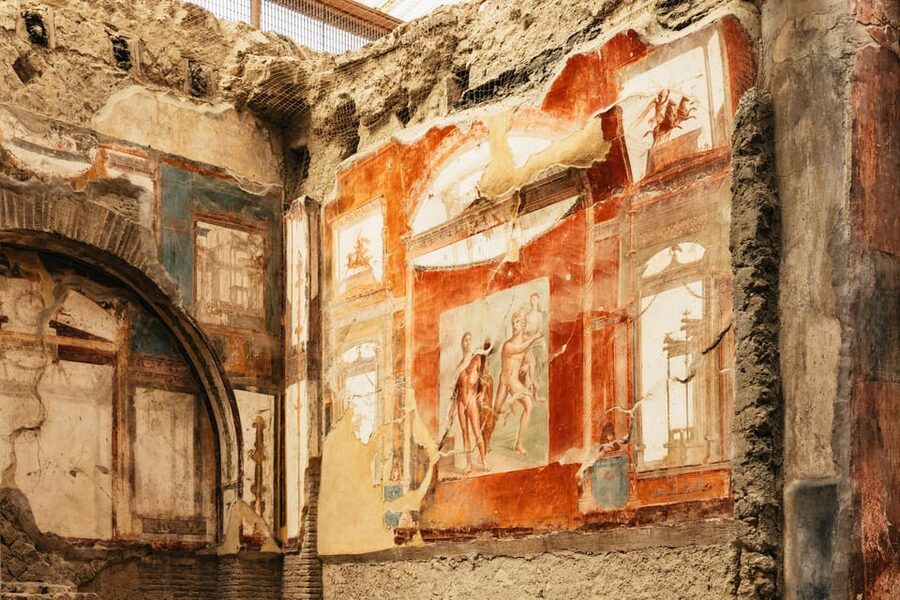
One of the most memorable parts of Herculaneum is how much visual culture survived. The Casa di Nettuno ed Anfitrite and the House of Neptune (and Amphitrite) are tied to that feeling. These stops connect you to Roman taste in a way that is hard to get from a museum wall alone.
Here, the guide can point out how a scene or decorative program works as more than decoration. It is personality, aspiration, and identity, tied to how people wanted to present themselves.
If you are an art person, pay attention to how the tour references what was preserved, including ceramics, paintings, and mosaics. Even when objects are gone or moved to display spaces, the explanation helps you understand the original visual impact.
The Casa di Nettuno ed Anfitrite stop also tends to reinforce the contrast between a home as a private refuge and the wider world that ended abruptly outside the door.
More from a Naples stay:
- From Naples: Pompeii Ruins & Mount Vesuvius Day Tour
★ 4.3 · 11,459 reviews - From Naples: Sorrento, Positano and Amalfi Full-Day Tour
★ 4.6 · 10,988 reviews - From Naples: Sorrento, Positano & Amalfi Coast – Small Group Tour
★ 5.0 · 8,643 reviews - Naples: Catacombs of San Gennaro Entry Ticket & Guided Tour
★ 4.6 · 7,941 reviews
House of Skeletons: Understanding Fear Without Needing Drama
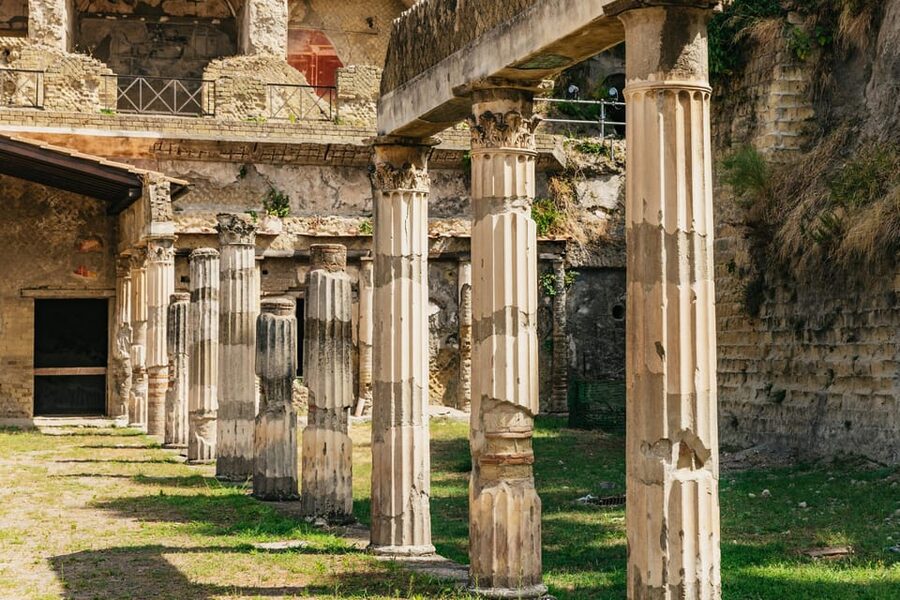
The House of Skeletons is unsettling in the way history can be. The value of this stop on a guided tour is that the guide helps you keep it anchored in context rather than turning it into spectacle.
Here, you learn how people tried to survive during and after the catastrophe. You also start to grasp why certain locations became focal points. The experience can feel emotional, but it becomes more meaningful when tied to what the archaeologist explains about life, danger, and the choices people made in a world that changed fast.
One practical note: this is not a stop where you want to rush. Give yourself a moment to look, then let the guide translate what the remains and space are telling you.
Casa dell’Albergo and Casa del Salone Nero: How Roman Prestige Showed Up
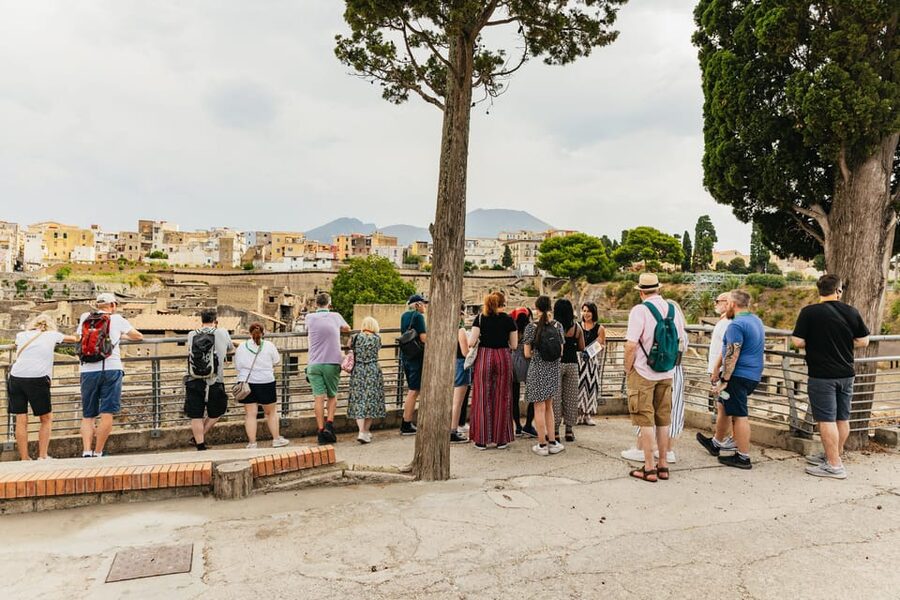
The tour also includes Casa dell’Albergo and Casa del Salone Nero. These are not random add-ons. They help you see how Romans organized status through built form.
A place like Casa del Salone Nero matters because it highlights how rooms could be designed to impress. Even if you are standing in a ruin, the guide can explain how space worked for gatherings and how materials and finishing created an atmosphere.
Casa dell’Albergo helps widen the view beyond a single family-home story. Think of it as more evidence that this was not an empty city. It was active, social, and economically connected through the port.
If you only see one house, you might miss how diverse Herculaneum’s architecture could be. These two stops give you a broader snapshot of how residents expressed wealth and identity in stone.
Thermal Baths, Gymnasium, and the Texture of Public Roman Life
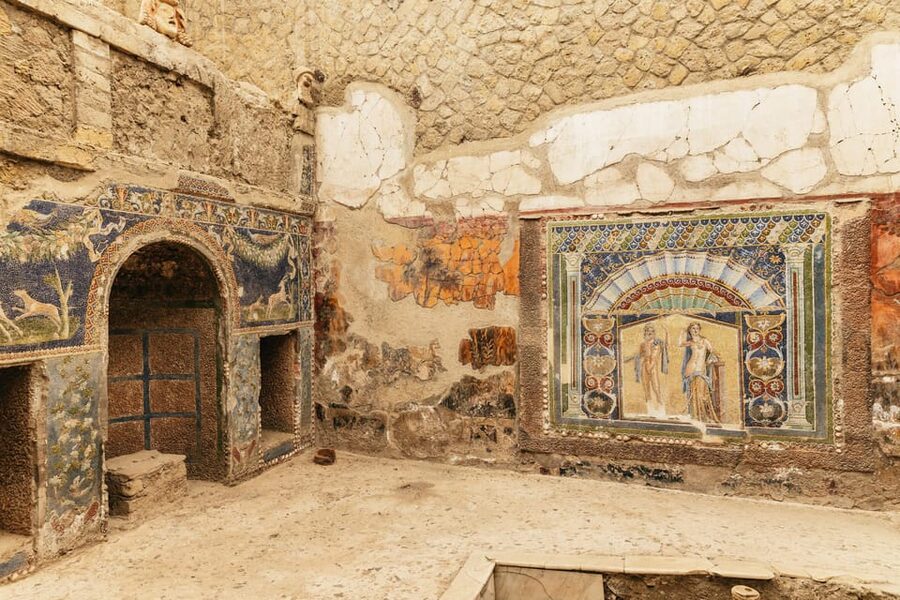
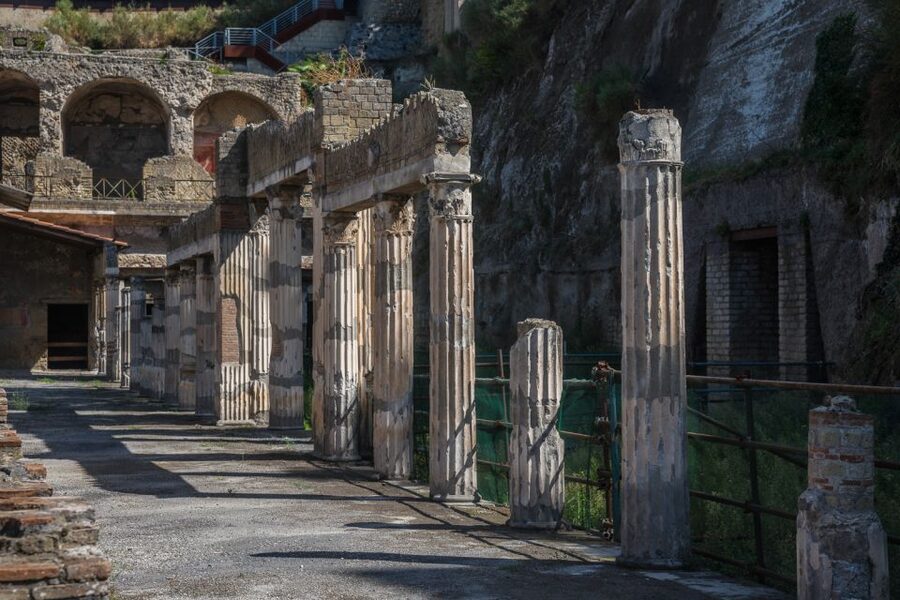
The thermal baths and the gymnasium are where the tour gets practical. These are not just scenic ruins. They show how Romans moved through routines that mixed exercise, hygiene, and social life.
The guides often connect the baths and gymnasium to the city’s everyday rhythm. It also helps you understand the town’s community side, not only the private world of homes.
A really interesting detail is how the guide uses the site’s layout to explain what would have happened in spaces like the swimming pool area inside the gymnasium. You might even hear references to the tunnel that leads you to a central area, which can turn a single room into a whole new perspective.
This part of the tour is a good time to ask questions. If you have one curiosity, like how people used the baths or what the gymnasium suggests about daily schedules, this is where the archaeologist can answer in a grounded way.
Forum and the Waterfront: The Human Cost of Vesuvius
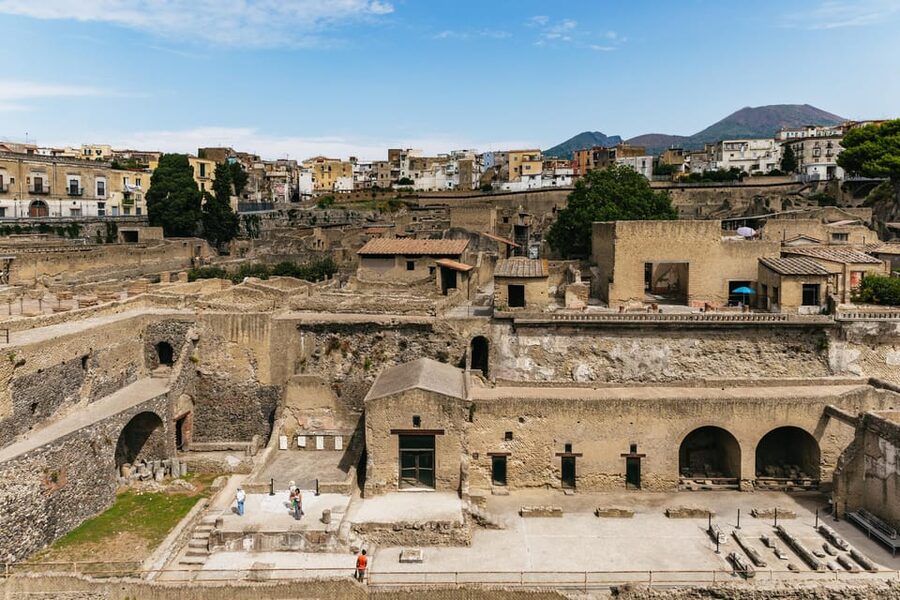
Then the tour shifts to the broader city, including the Forum. This is where you understand how civic life worked in Herculaneum, not just domestic life.
But the most unforgettable sequence is the waterfront. This tour specifically includes the waterfront area where the remains of more than 300 people lie, people who died trying to escape by taking to the ocean. That detail changes how you view the coastline. It is no longer just a scenic edge. It is a last attempt at survival.
The guide typically ties this back to what happened during the eruption and what followed. Even if you have seen photos before, the guided explanation helps you build a timeline in your head: what life looked like, how quickly things changed, and why these people ended up where they did.
If you are sensitive to heavy scenes, give yourself a minute before you move into this zone. Then let the guide explain slowly. It is better than trying to power through.
The Sacellum of the Augustales (Temple of the Augustales): Faith and Community
The Sacellum of the Augustales rounds out the tour with religious and social meaning. You see how civic identity in a Roman town was reinforced by shared spaces for rituals and community roles.
The tour mentions the Temple of the Augustales as a highlight, and that matters because it helps you understand the city’s social hierarchy. Even without expert background, you can usually feel the difference between a commercial or domestic space and a place meant for communal devotion.
This stop also tends to tie together the story the guide has been building since the homes. You start noticing how public and private life connect through shared beliefs and local governance.
Ceramics, Paintings, Mosaics, and the Carbonized Evidence
One reason Herculaneum is often recommended for first-timers is what survives. This tour emphasizes that you will encounter well-preserved stone, marble, ceramics, and the kinds of decoration that give you clues about taste and daily routine.
At the same time, you learn about the evidence of the eruption’s brutality, like carbonized wood and surviving traces of paintings and mosaics. That is a key point for understanding why Herculaneum feels so complete compared with other archaeological sites. You see both preservation and destruction, not one or the other.
If your goal is to get more out of the site than a photo album, pay attention to the guide’s material references. When someone points out what a surface shows about Roman life, your eyes start to work differently. You stop scanning for highlights and start reading the place.
Price and Value: Why 53 Dollars Can Be a Deal Here
The tour price is listed at $53 per person for a 2-hour guided visit with an archaeologist, admission included, and headsets. That is the value story.
You are not paying extra just to get through the gate. Adult admission is listed separately at 16.00 euros on the site, and EU citizens aged 18 to 25 have a reduced rate of 2.00 euros. Since admission is included, the money you spend is mostly buying interpretation and a more efficient visit.
In plain terms: if you would have gone anyway, a guided format like this often makes the ticket feel more worthwhile because it converts ruins into an understandable city. And because Herculaneum can be exposed and busy with tourists, time saved by skip-the-line access matters too.
Practical Notes Before You Go: Shoes, Sun, and Rain
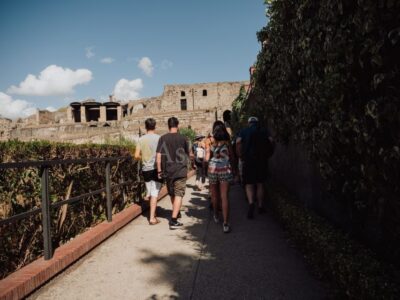
Do not underestimate comfort here. The site is vast and very exposed. Wear closed-toe shoes, because walking through uneven ruins can be hard on open shoes or sandals. Bring sunscreen, and if the weather looks bright, add a hat.
The tour runs rain or shine. If rain is possible, pack a raincoat. The good news is that you still get the guided experience, and headsets help you keep up even if the air feels damp.
Also note the site rules: luggage or large bags are not allowed. If you have a big backpack, plan to travel light.
And one more thing: bring your passport or ID card, since the tour asks for valid identification.
Who This Tour Suits Best (And Who Might Want Another Plan)
This experience is ideal if you want a guided explanation that connects houses, public buildings, and the eruption story into one clear walk. It is a great fit for first-timers who feel overwhelmed by archaeology, and it is also a solid choice if you plan to pair Herculaneum with Pompeii. Guides often highlight the differences in a way that helps the two visits feel complementary, not repetitive.
It is not suitable for people with mobility impairments or wheelchair users, and unaccompanied minors are not allowed. If you are traveling with kids, it can work well, especially when the guide keeps the pace engaging.
If your travel style is to wander for hours alone without planned stops, you might find the 2-hour structure a bit tight. Still, you can visit other parts of the site after the tour if you want more time on your own.
Final Call: Should You Book This Askos Tours Archaeologist Visit?
I think you should book this tour if you want to feel oriented fast and get the big story in a short visit. The skip-the-line setup, headsets, and archaeologist-led route make it efficient and easier than trying to decode Herculaneum by yourself.
I would skip it only if walking and outdoor exposure are tough for you, or if you strongly dislike guided pacing. In those cases, a different format or a more flexible plan would likely fit better.
If your goal is to leave Herculaneum with specific places in your head, plus a clear understanding of how the city lived and what the eruption did, this is one of the most practical ways to do it.
FAQ
How long is the Herculaneum skip-the-line guided tour?
The tour lasts 2 hours.
Where do I meet the guide?
Meet at the ticket office of the Herculaneum Ruins. Your guide will be holding an Askos Tours sign.
Does the tour include admission tickets?
Yes. Admission fees to Herculaneum are included in the tour.
Are headsets provided?
Yes. Headsets are included.
What language is the live tour guide available in?
The live tour guide is available in English, Italian, German, Spanish, and French.
What should I bring and wear?
Bring a passport or ID card, wear comfortable closed-toe shoes, and bring sunscreen. The site is exposed, and the tour runs rain or shine, so a raincoat may be useful.
Reviewed lately around Naples
- Naples: National Archaeological Museum of Naples Guided Tour★ 4.8 · 498 reviews
- Naples Pasta Class: Fettuccine & Ravioli with Grandma’s Recipe★ 5.0 · 506 reviews
- Naples Walking Tour with Underground Roman Ruins Ticket★ 4.5 · 510 reviews
- Private Day tour of Positano, Amalfi and Ravello from Naples★ 5.0 · 522 reviews
- Naples: Street Art & History Tour in the Spanish Quarters★ 4.9 · 540 reviews
- Private Day Tour: Sorrento, Positano, Amalfi, Ravello from Naples★ 4.5 · 546 reviews
- Day Trip of Pompeii, Herculaneum and Vesuvius from Naples★ 4.5 · 547 reviews
- Day Trip of Pompeii, Sorrento and Positano from Naples/Salerno★ 5.0 · 560 reviews
Herculaneum Tours, compared.
Pompeii and Herculaneum Small Group Tour with an Archaeologist
Read our review →
Herculaneum Small Group Tour and Ticket With an Archaeologist
Read our review →
Herculaneum: Skip-the-Line Entry Ticket with Audio Guide
Read our review →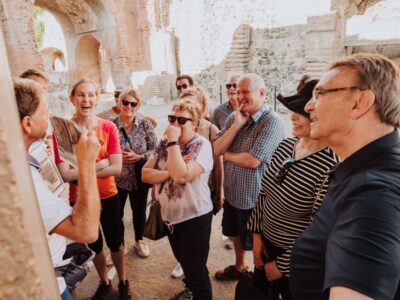
Pompeii & Herculaneum with Archaeologist Guide
Read our review →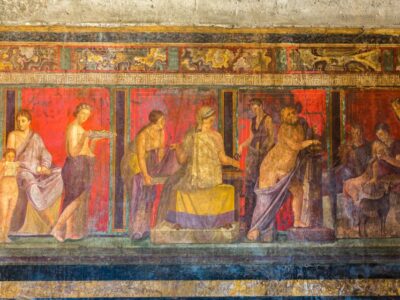
Pompeii, Herculaneum, & Vesuvius Full-Day Tour
Read our review →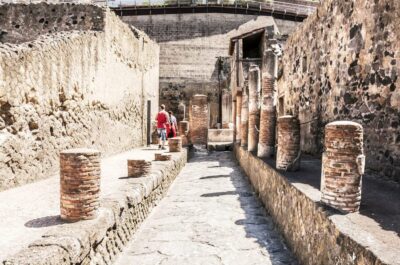
Ercolano: Herculaneum Entry Ticket with Optional Audio Guide
Read our review →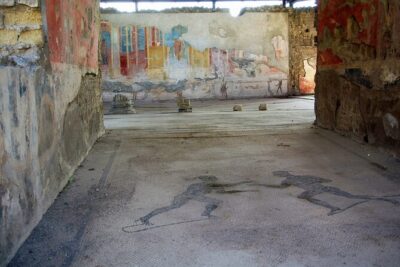
Day Trip of Pompeii, Herculaneum and Vesuvius from Naples
Read our review →Browse the lists this tour appears in